Iris: planting, growing and care for beautiful blooms
·
0
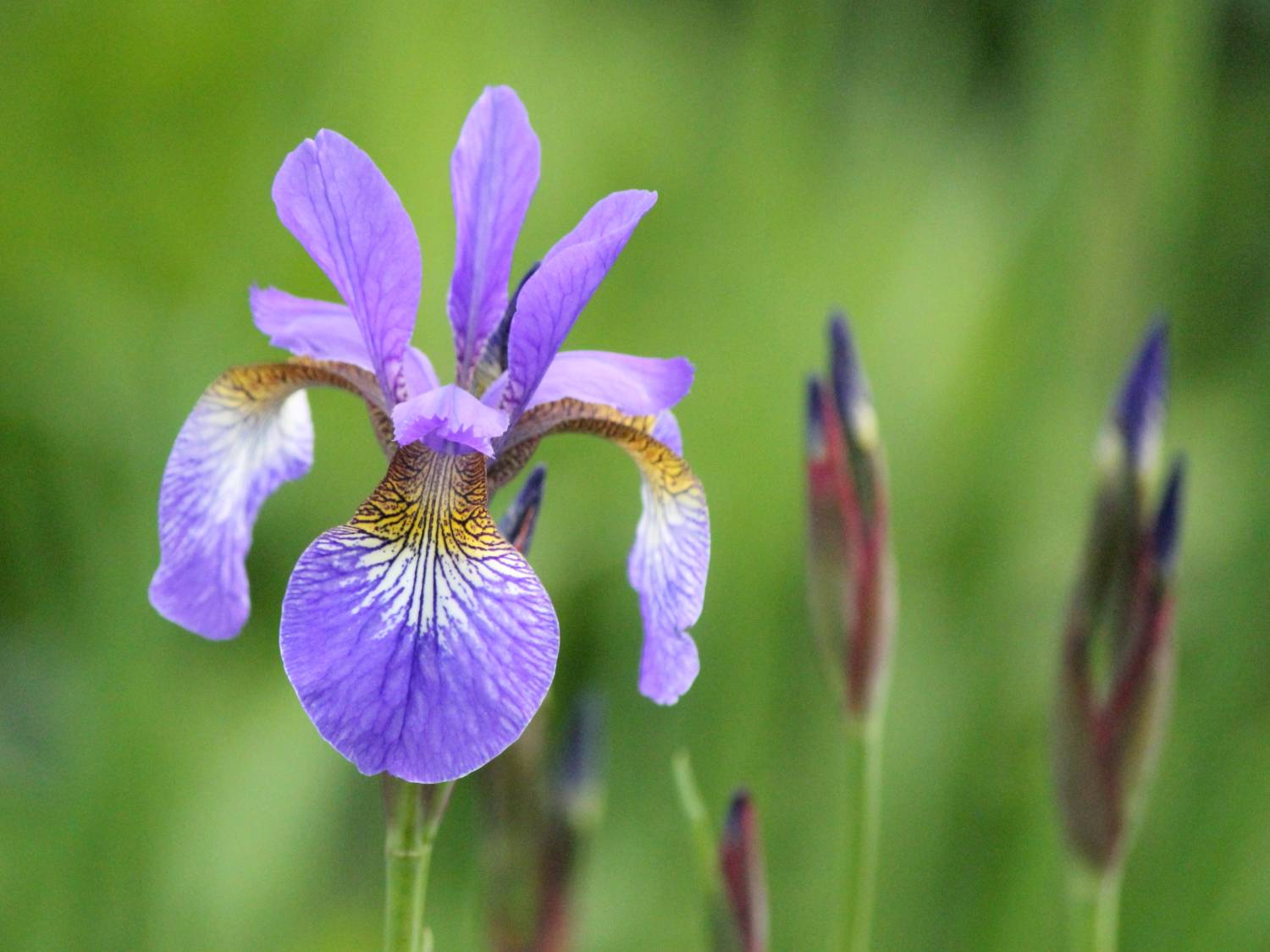
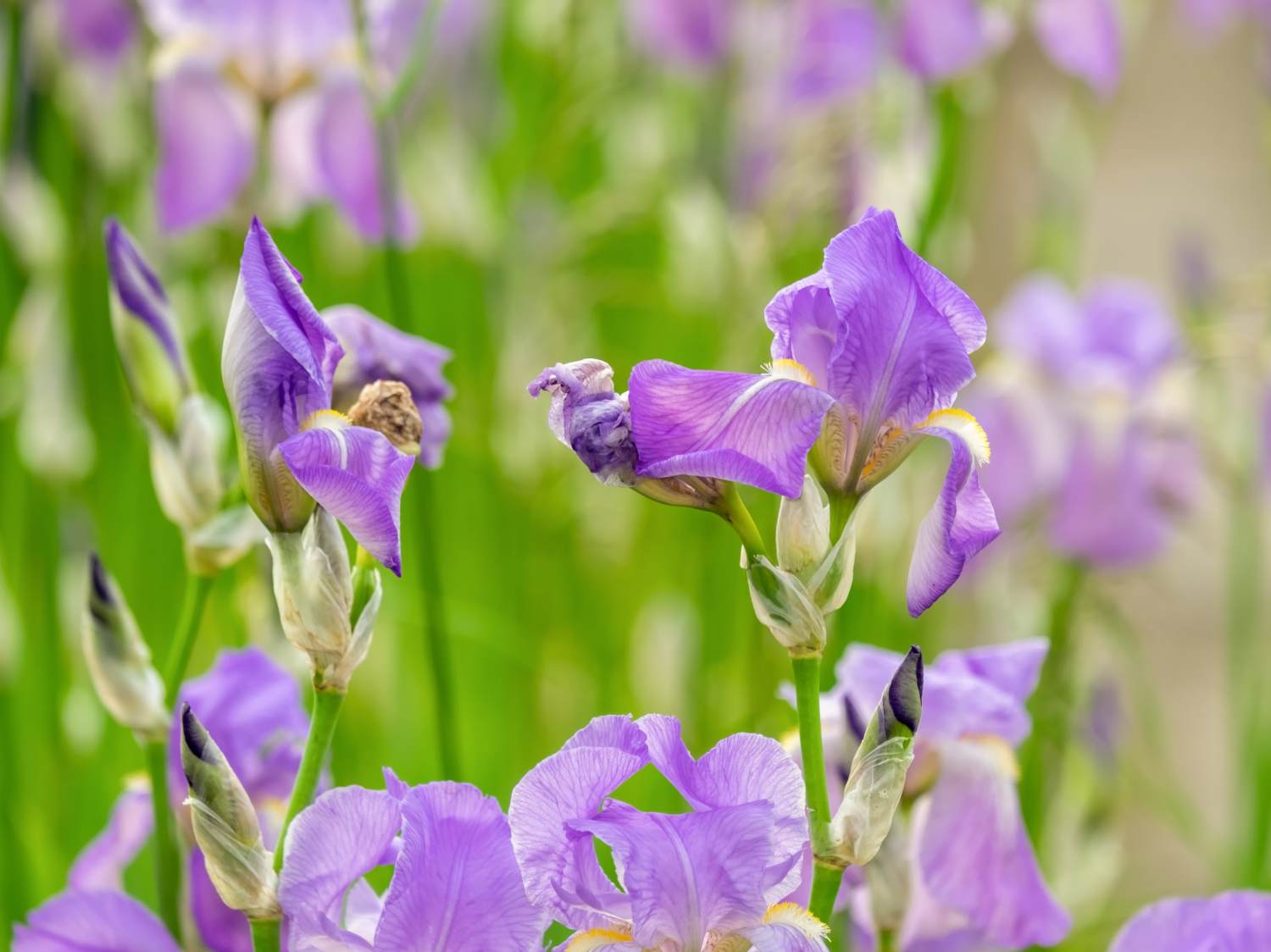
Three magnificent petals, most often in purple but equally blue, yellow, red or white, open on stems 8 to 36 inches tall. Iris is a hardy perennial that shrugs off winter and can live 5 to 20 years — provided it gets full sun and its rhizomes stay near the surface, never waterlogged.
Key Iris facts at a glance
Name
Iris
Family
Iridaceae
Type
bulbous flower or perennial
Height
8 to 36 inches (20 to 90 cm)
Exposure
full sun, part sun
Soil
ordinary
Flowering
midwinter to midsummer depending on the variety
Here is the care and small acts of care that will sustain the beautiful blooming of your iris from year to year.
Planting iris
The best period for planting iris is spring or summer, usually from late spring to late autumn for the plants to bloom in the following summer.
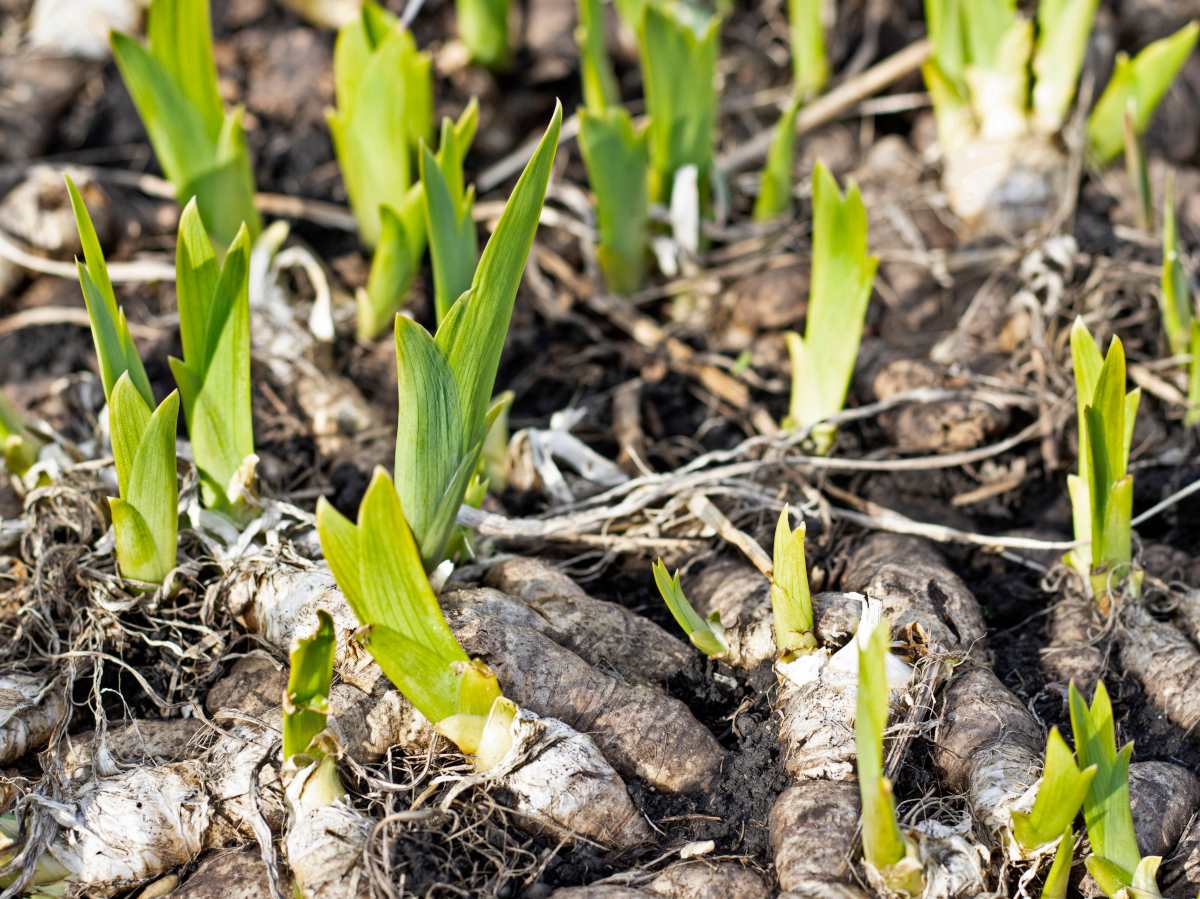
Rhizomes sit shallow, partly exposed to the sun
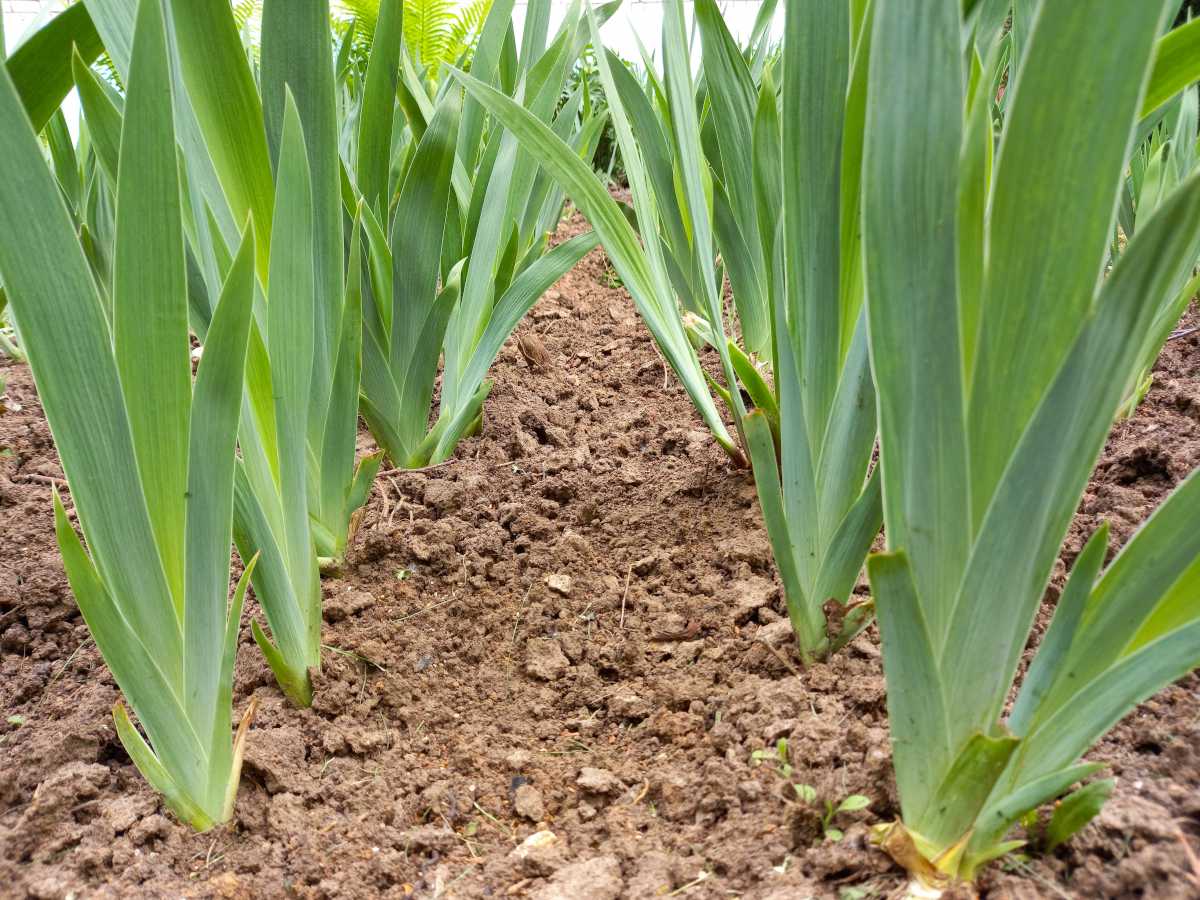
Plant the iris rhizomes in soil that has been well broken up, without burying them too deep.
Keep a minimum spacing of 2 to 4 inches (5 to 10 cm) between each iris plant.
Let the iris rhizomes stick out here and there for the sun to shine on them directly.
This will keep them from rotting, which they would do if buried too deep.
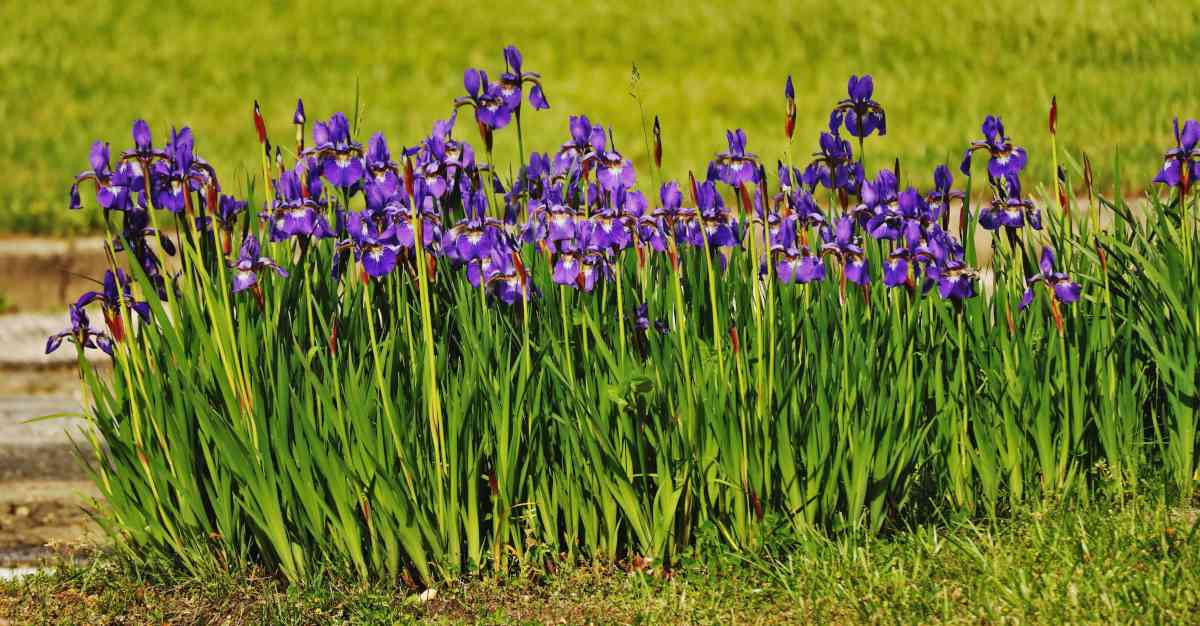
For a nice decorative impact, sow about 15 plants to a square yard (1 m²).
Iris is especially vulnerable to lack of sun that would keep it from blooming correctly, and its second nemesis is waterlogged soil.
Sowing iris
Seed-raised iris takes two to three years to flower
If sowing from seed, better sow your iris in pots in early autumn to mid-autumn.
You can leave them outdoors, under some type of shelter, all winter long.
Blooming will only occur 2 to 3 years after the sowing.
You’ll proceed to transplant them directly in the ground as soon as the first leaves have sprouted.
Many iris species germinate better after a spell of cold, moist conditions, which is why the pots are usually stood outside rather than kept warm indoors, though requirements vary between species.
Seedlings raised from a named hybrid iris almost never reproduce the parent’s colour or form so divide the rhizome instead if you want an exact copy of a favourite variety.
Sow iris seed in a free-draining seed compost, ideally with added grit or sharp sand, covering the seeds with roughly 1-2 cm of compost, since waterlogged mixes can cause the seed to rot.
For many dormancy-prone species, germination can be erratic and late spring continue into a second or third growing season, so label the pots and keep them rather than discarding them once the first seedlings emerge.
Propagating iris
Crowded rhizomes mean weaker flowers each year
Iris is a plant that very easily propagates through division.
As years go by, rhizomes tend to crowd tighter and tighter, the soil loses its nutrients and the iris blooms are weaker and weaker.
That is the right time to divide your iris so that the rhizomes get to breathe a bit and their vigor is renewed.
The technique to propagate iris is actually rhizome division after the blooming every 3 to 4 years.
This division is performed in summer, when the blooming is less abundant or has even petered out.
Division may also be performed in fall.
With a spading fork, carefully unearth a portion of the rhizomes, lifting them out of the ground.
With knife at this point, separate the rhizomes and keep larger pieces, each about 4 inches (10 cm) long.
Replant these rhizome shards in another spot of the garden, or offer some to your friends.
During the planting, cover with a good layer of soil and add time-release fertilizer, also adding some to the original rhizome location.
This step gives the plant a new life, and it will joyfully get to work making new flowers for you for free!
Keep rhizome pieces about four inches long
Trimming and caring for Iris
Caring for iris can really become only the occasional check, because this is a flower that requires very little work.
Deadhead the flowers, but leave leaves until early autumn
Apart from dividing the rhizomes as described above, here are the practices that will help extend the blooming or simply increase the quality of the iris flowers.
Remove wilted flowers as they die off, but keep the leaves until the very end of their yellowing, usually until early autumn.
Iris leaves must be kept connected to the roots for the plant to build up its stocks for the following blooming.
Remove weeds that grow amidst the plant leaves to free the rhizomes.
No need to water because the plant doesn’t need it.
Watering and adding fertilizer for iris
Iris resists dry spells particularly well and will only need to be watered in case of very high temperatures and/or extended dry spell.
However, potted iris will need much more regular watering, usually when the substrate has dried up deep down.
Provide granulated time-release flower plant fertilizer in spring.
For bearded irises, gardeners typically recommend a low-nitrogen fertiliser with more phosphorus and potassium, since excess nitrogen tends to favour leafy growth over flowering and is commonly linked to increased rhizome rot.
As a general practice for rhizomatous perennials, spread granular fertiliser in a ring over the soil around the clump rather than on the rhizome itself, then water enough to dissolve the granules into the root zone.
Water bearded (rhizomatous) iris at the base rather than overhead, keeping foliage and rhizome tops dry, since persistent moisture around the crown encourages bacterial soft rot; moisture-loving species such as Japanese and Siberian iris tolerate wetter conditions.
Diseases and parasites attacking iris
Iris is quite invulnerable to disease but it may fall victim to snails and slugs.
Soft, smelly rot in rhizomes is commonly associated with waterlogged soil, so lift the affected clump, trim the mushy tissue back to firm healthy flesh with a clean knife, and discard the rest.
Brown-edged oval spots spreading on iris foliage indicate leaf spot fungus; collect and destroy the fallen dead leaves rather than composting them, since the spores overwinter on that debris.
Avoid piling mulch or heavy compost over bearded iris rhizomes, which should sit at the soil surface, since trapped moisture invites rot and gives slugs a daytime hiding place; moisture-loving irises like Siberian and Japanese types tolerate mulch.
Ragged water-soaked streaks in the leaf fans can mean iris borer caterpillars tunnelling down into the rhizome, so squash them in the leaf before they reach and hollow it out.
Eight widely grown iris to choose from
The name on the label matters as much as the colour, because bearded, Siberian, Dutch and reticulata iris differ in height, habit and flowering time. The table below gathers eight varieties sold in most garden centres and seed catalogues.
Eight widely grown iris to choose from
Variety
Type
Height
Flower colour
Flowering time
‘Variegata’
Bearded, variegated foliage
28 in (70 cm)
Soft lavender-blue
Late spring
‘Butter and Sugar’
Siberian, clump-forming
26 in (65 cm)
Yellow and white
Early summer
‘Jane Phillips’
Tall bearded
35 in (90 cm)
Pale sky blue
Late spring to early summer
‘Caesar’s Brother’
Siberian, clump-forming
39 in (100 cm)
Dark violet-blue
Early summer
‘Dusky Challenger’
Tall bearded
39 in (100 cm)
Deep violet-purple
Late spring to early summer
‘Immortality’
Tall bearded, reblooming
30 in (75 cm)
Pure white
Late spring, often again in autumn
‘Harmony’
Dwarf bulbous
6 in (15 cm)
Royal blue, yellow blaze
Late winter
All there is to know about iris
Iris is a hardy plant that survives winter without batting an eye. Cold actually conditions part of the plant’s growth.
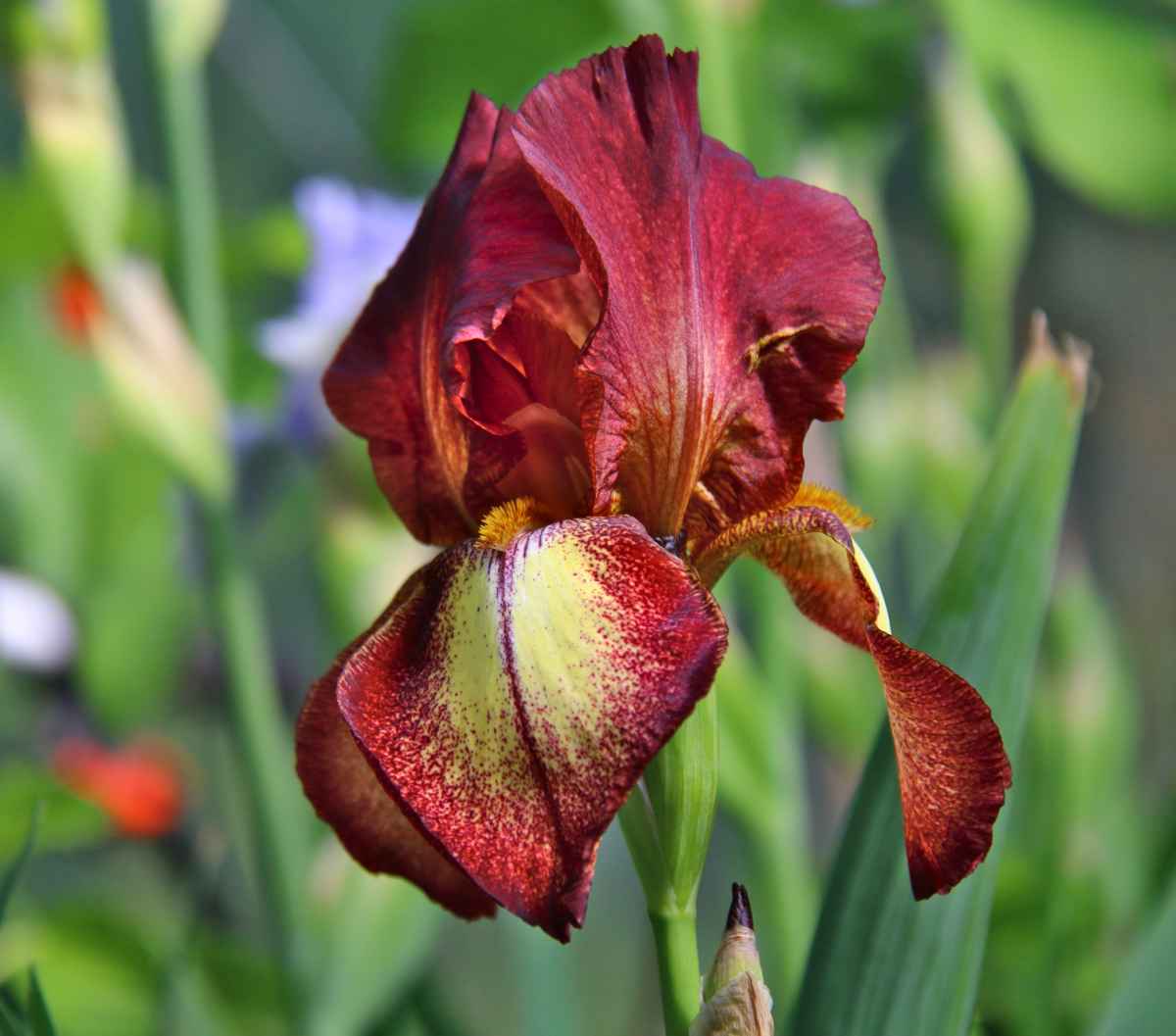
Three magnificent petals form the flower, and their colors are most varied.
Often in tones of purple, they can also be blue, yellow, red or white.
The lifespan of an iris can reach anywhere from 5 to 20 years and its hardiness and resistance to the cold can reach down to 5°F (-15°C).
Over 200 species, each with its own colouring
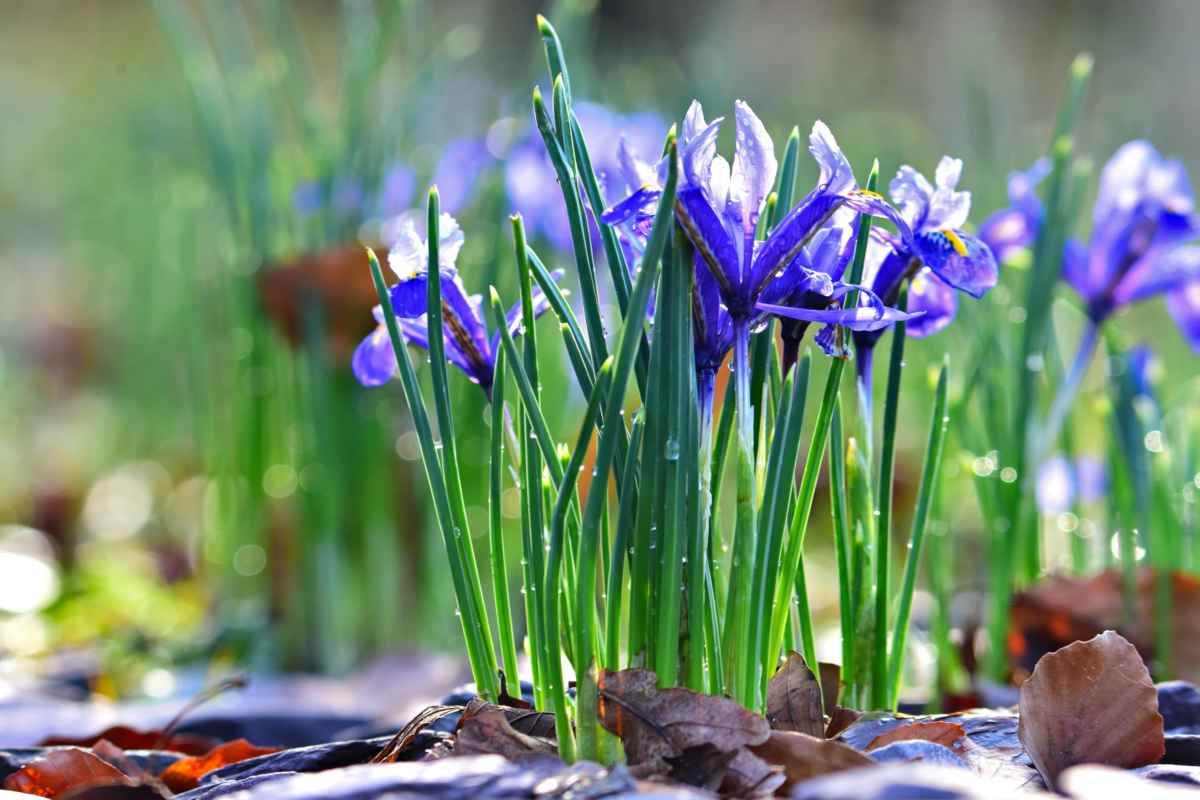
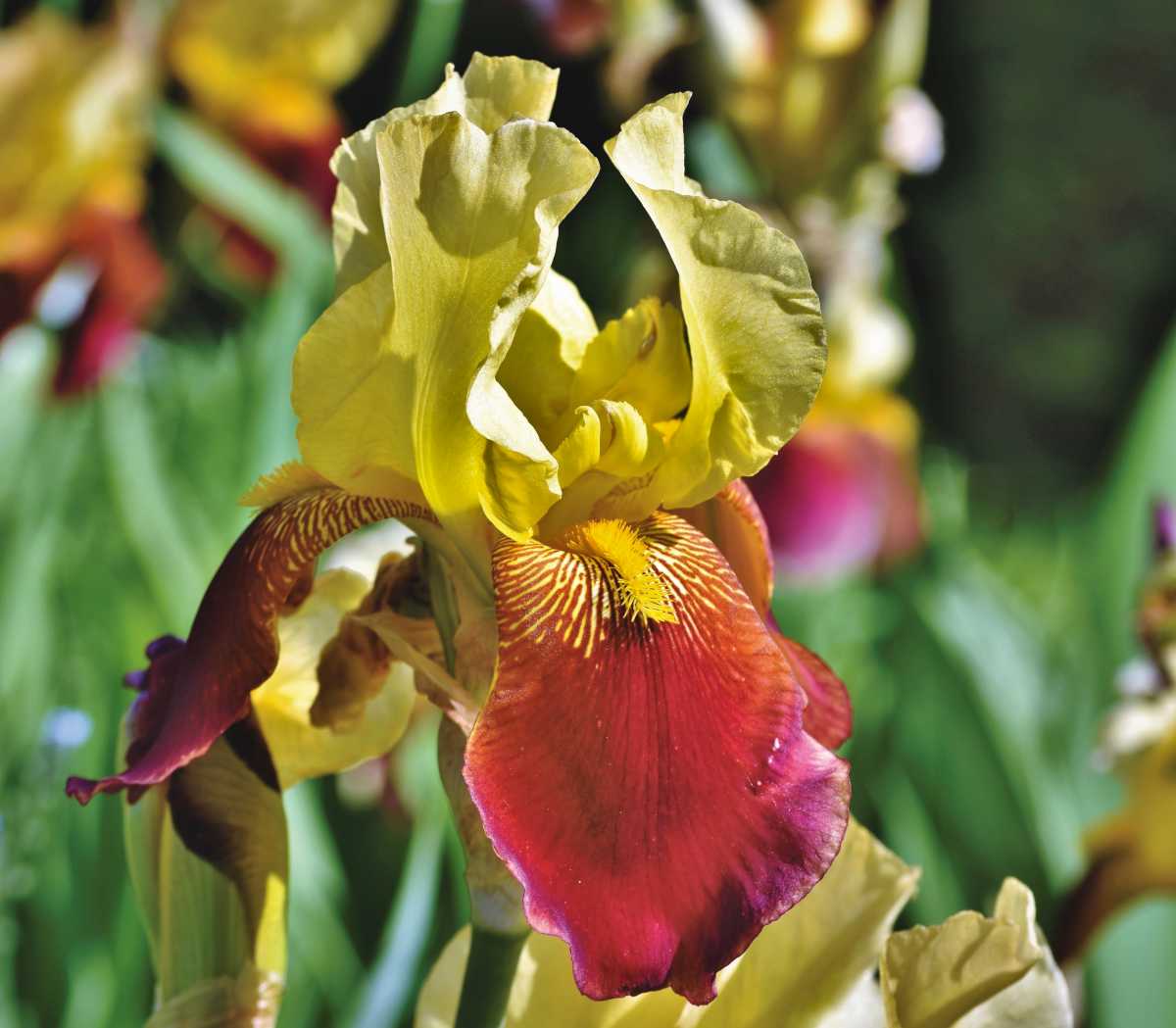
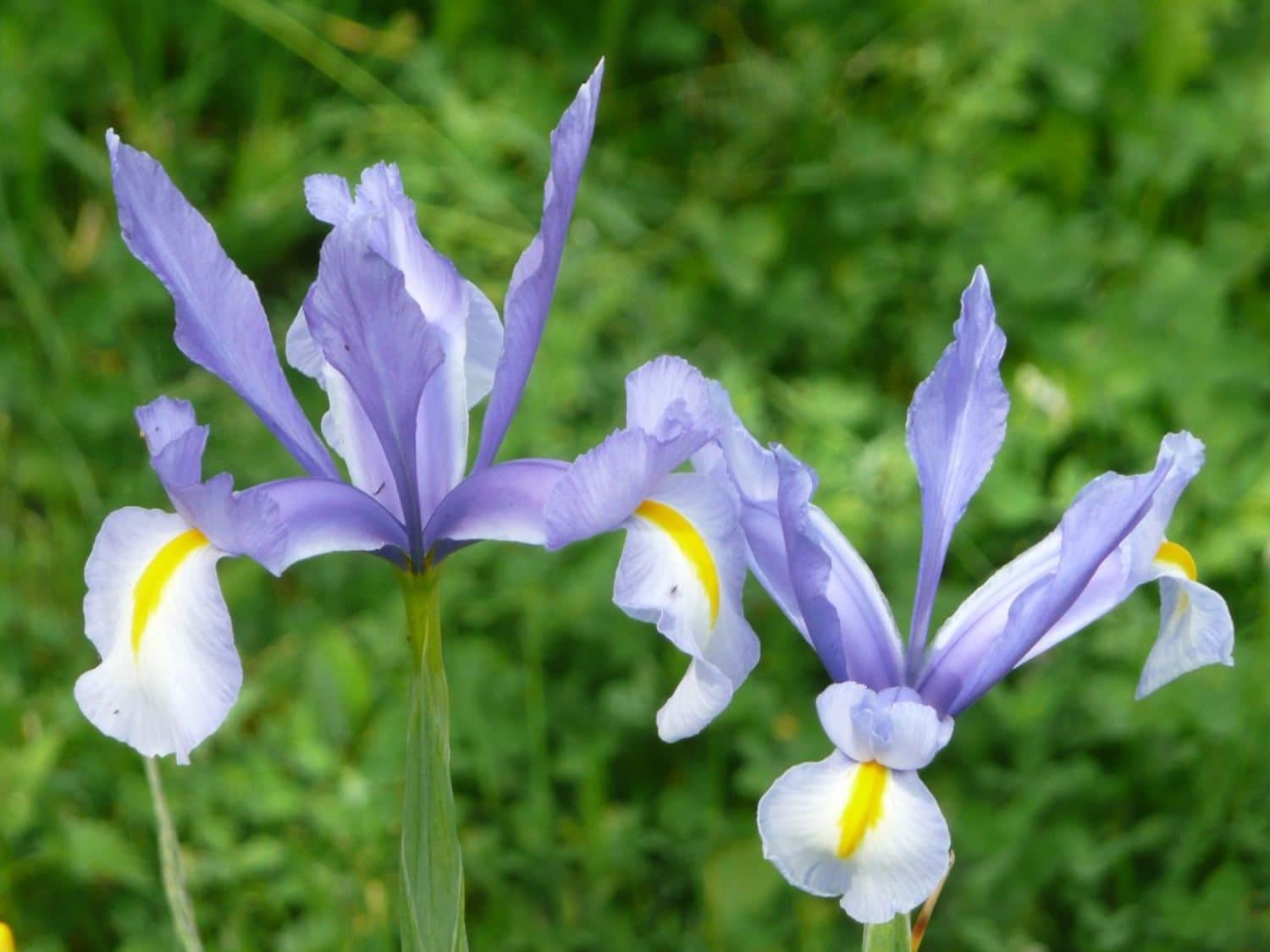
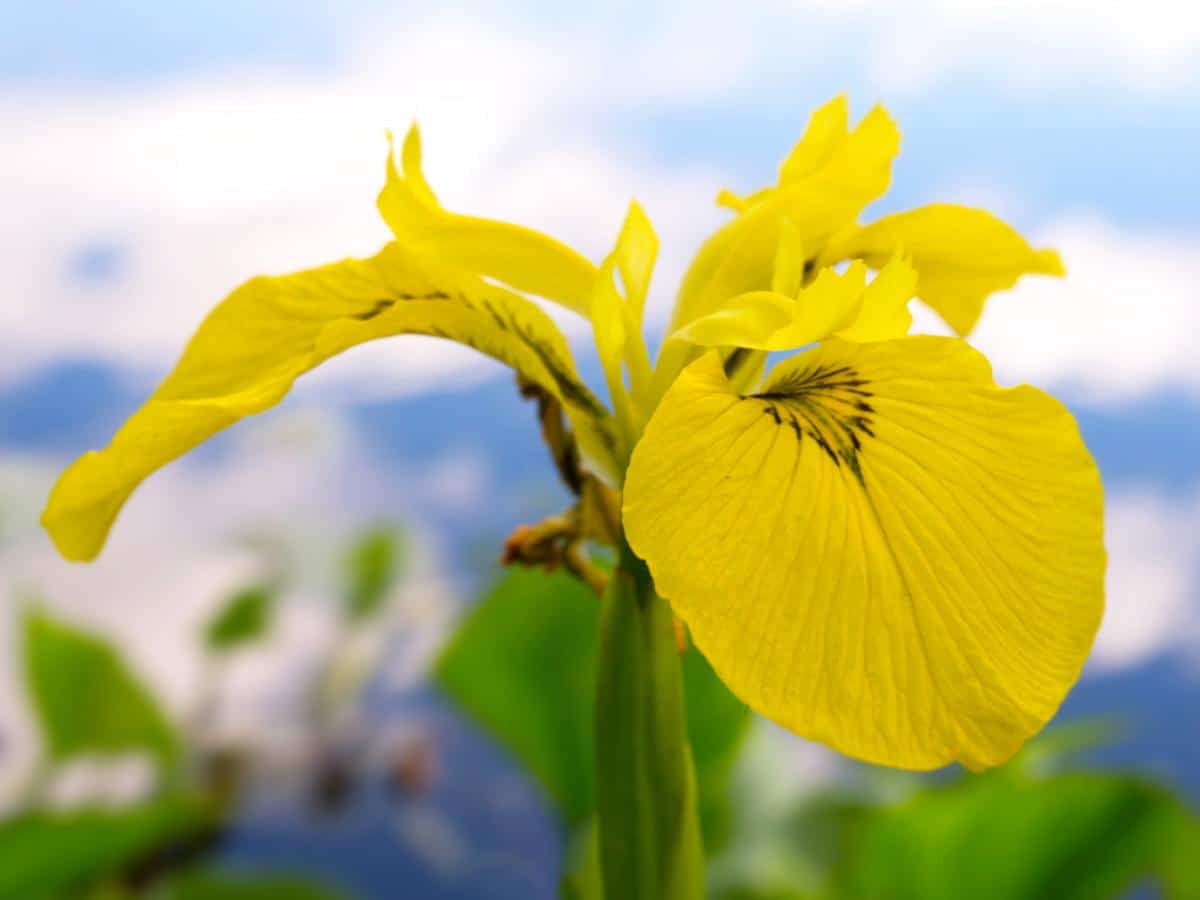
Over 200 species of iris have been accounted for, and each has a unique color and shape combination. Some love basking in water, like yellow iris. Others are all the rage, like the many ravishing bearded iris varieties. A few pictured here are actually dwarf iris, excellent for growing in pots. Particularly elegant is the slender-stemmed Dutch iris.
Note that certain iris species are used to produce perfume, with oils extracted from the rhizome.
Which iris for which spot?
Over 200 species have been accounted for, and the ones most often grown split neatly by where they are happiest. Here are the four named in this article.
Which iris for which spot?
Iris type
What sets it apart
Best use
Yellow iris
Loves basking in water
Water gardens and pond edges
Bearded iris
Many ravishing varieties, all the rage
Colour in the open ground
Dwarf iris
Compact, small-growing forms
Excellent for growing in pots
Dutch iris
Slender stems, particularly elegant
Elegant garden displays
Whichever you choose, sun on the rhizome and soil that never stays waterlogged decide the result.
Smart tip about iris
To ensure it lasts a generation, offer it bulb-plant organic fertilizer every year after the blooming.
Images: 123RF: Ilnaz Bagautdinov, Olga Kozhina; Pixabay: Ilona, Olga K., Mabel Amber, Mari Loli, Pexels, Ralph
🌿 Nature & Garden Newsletter
Gardening tips, recipes & seasonal advice, twice a week.