The trunk twists and bulges under the bark like muscles under skin, carrying dense green leaves that dry out in autumn yet hang on the branches all winter. Hornbeam (Carpinus betulus) works as a standalone, a hedge or even a tree tunnel, and asks only for a cool spot to give you a screen that lasts through winter.
| Name | Carpinus |
|---|---|
| Family | Betulaceae |
| Type | tree |
| Height | 30 to 50 feet (10 to 15 meters) |
| Growth rate | 1 to 2 feet/year (30 to 60 m) |
| Exposure | full sun |
| Soil | ordinary |
| Foliage | deciduous |
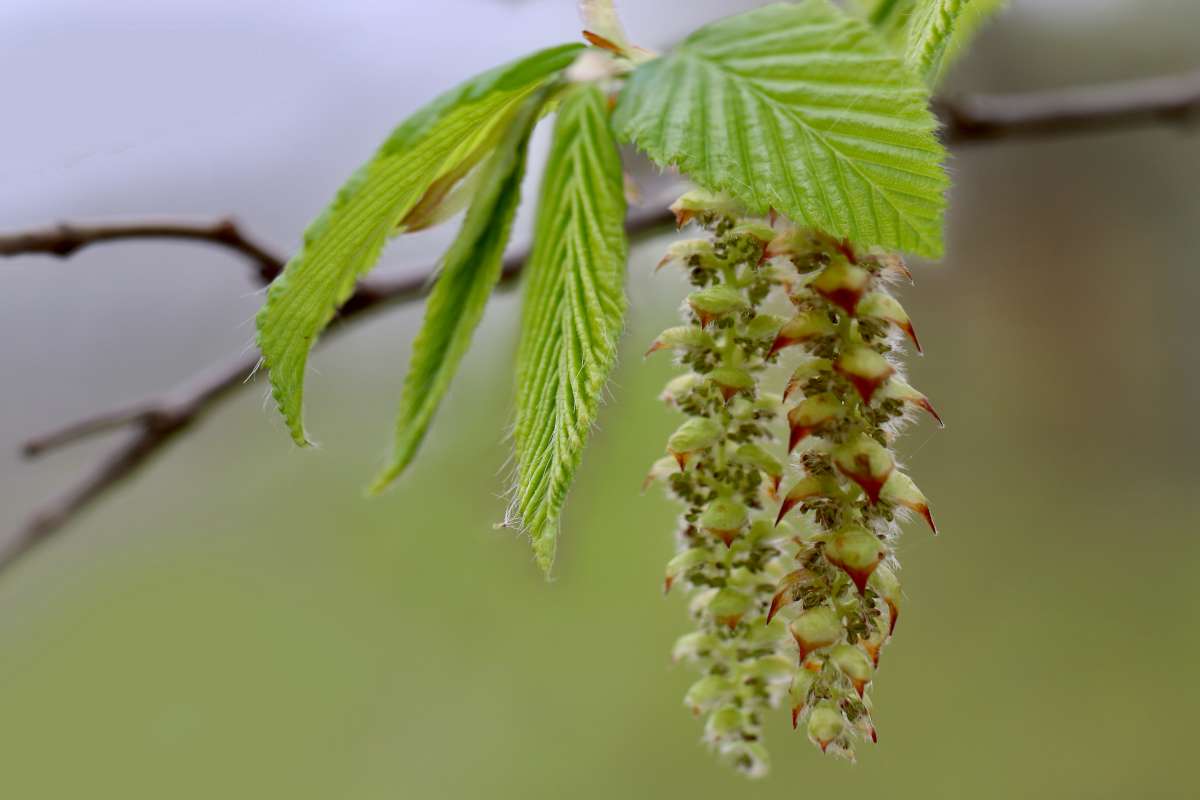
| Flowering | spring |
It is just as interesting as as a standalone as it is when part of a hedge or even to form tree tunnels.
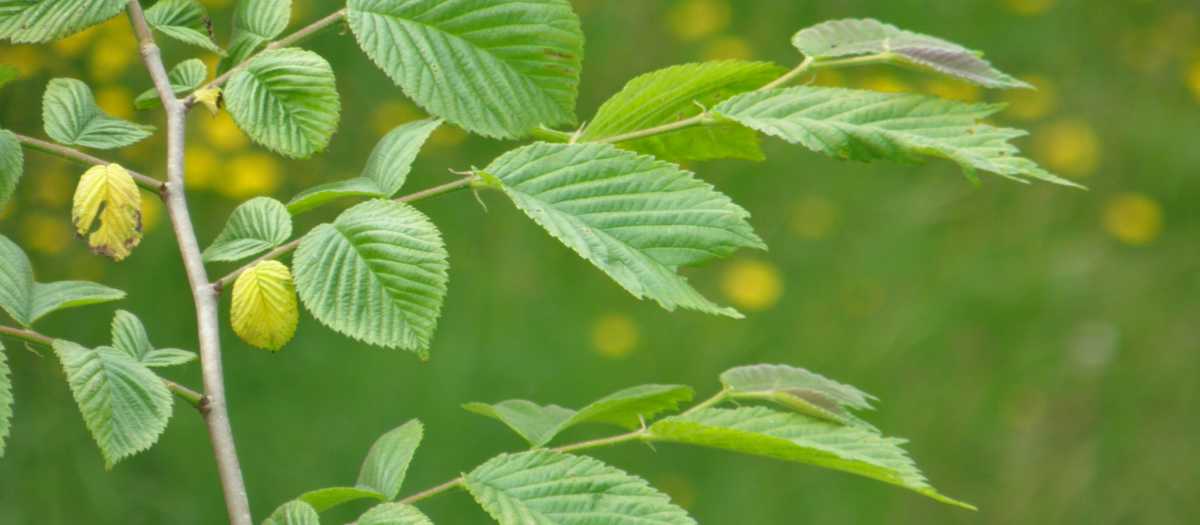
Hornbeam can be planted both as a standalone or as part of a hedge.
To make a hedge, space trunks apart by 3 feet (1 meter).
If the climate in your area is very hot in summer (South, South-East or South-West), try growing European hop-hornbeam instead, which is a similar-looking and very beautiful ornamental tree better suited to that climate.
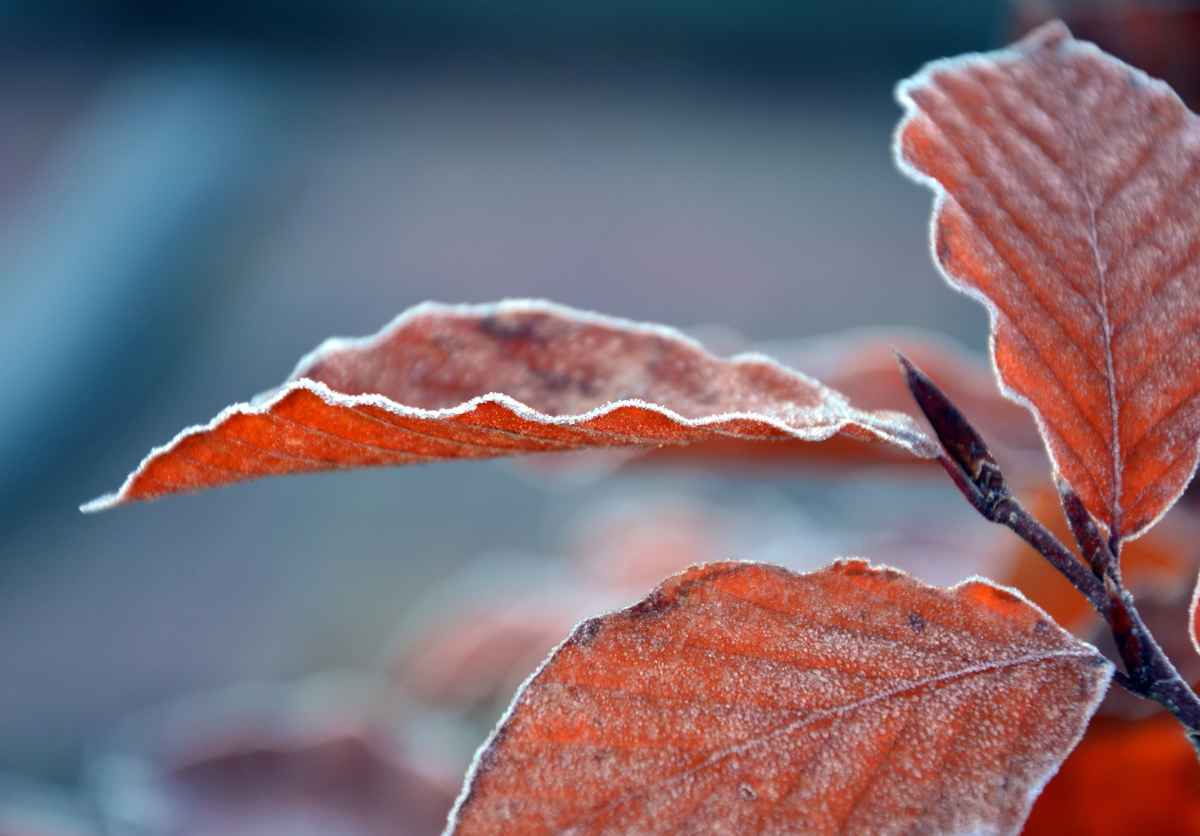
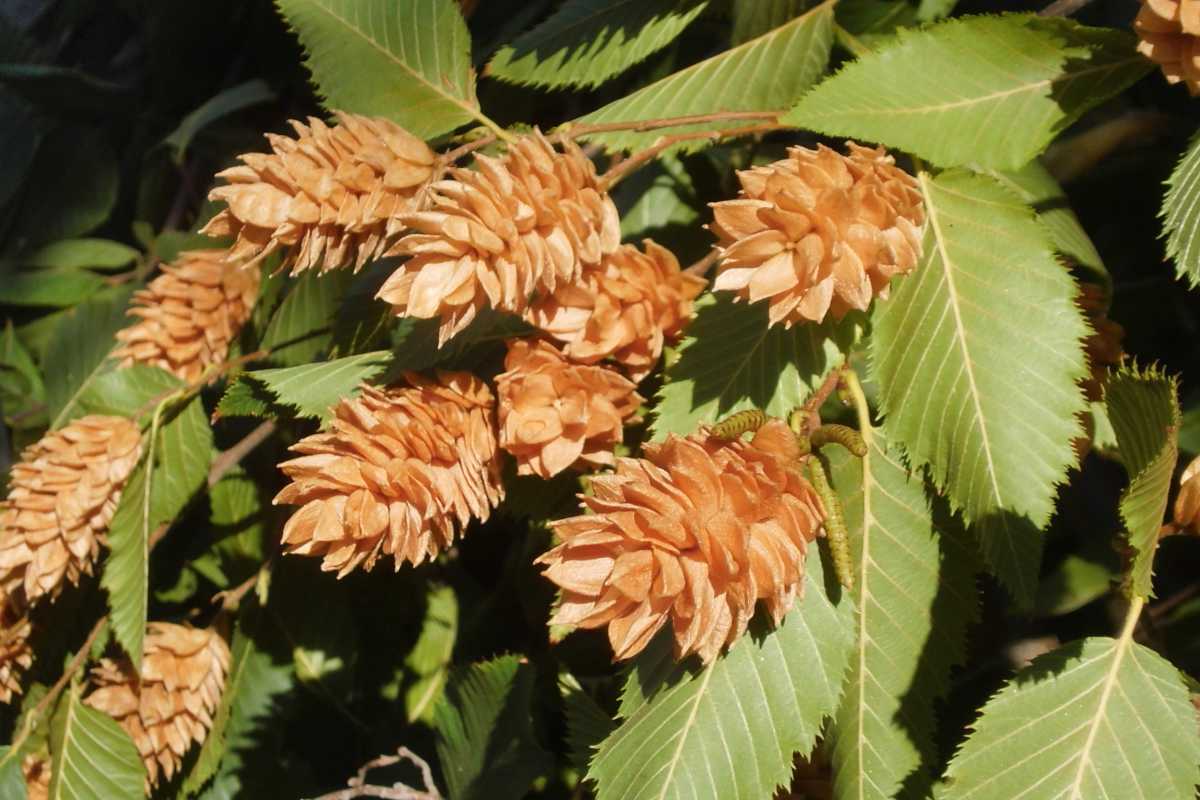
Note that hornbeam is a plant with what is called marescent leaves. This means that although the leaves die off in fall, they remain attached to the tree until the following spring. Though not an evergreen, it still lets you make a privacy hedge! Only extraordinary climate conditions like snow or strong winds will lead the leaves to falling off entirely.
Hornbeam is one of the pioneer trees: they’re among the first to grow back when a forest is cleared, together with birch. It grows relatively fast, at about One foot a year (30 cm) during the first 5-8 years.
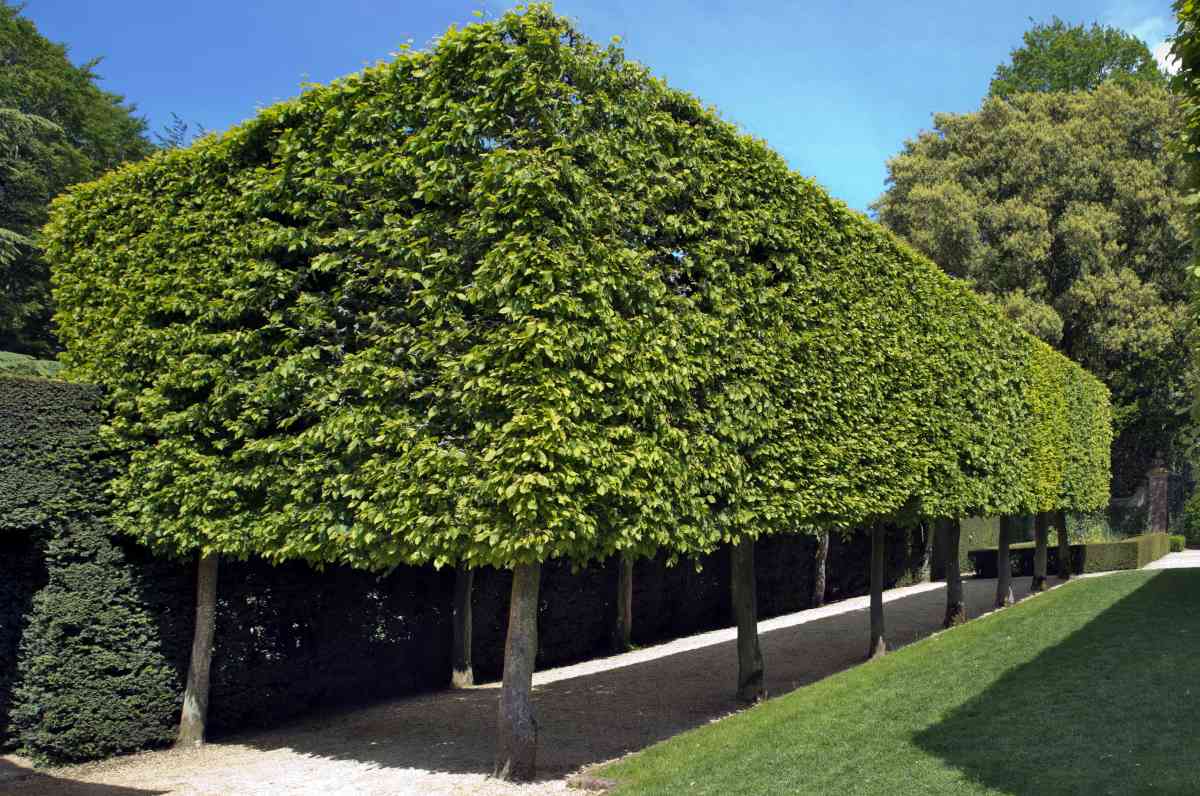
If ever you have to prune your hornbeam tree, best do it in fall when the leaves have dried up, it is the best season for that.
As for diseases, hornbeam is very resistant and will not show any particular weakness.
Look out for named varieties such as ‘Fastigiata’ and ‘Frans Fontaine’ when buying, since whichever you pick the tree stays the same easy, trouble-free grower, holding its dried leaves through winter and needing no pruning as a standalone.
The same tree behaves very differently depending on whether you let it grow freely, clip it into a screen or harvest its wood. Here is what each use asks of you.
| Use | Planting and spacing | Pruning | What you get |
|---|---|---|---|
| Standalone tree | One specimen, room to spread to 30–50 feet (10–15 m) | None needed | A naturally appealing shape left to grow on its own |
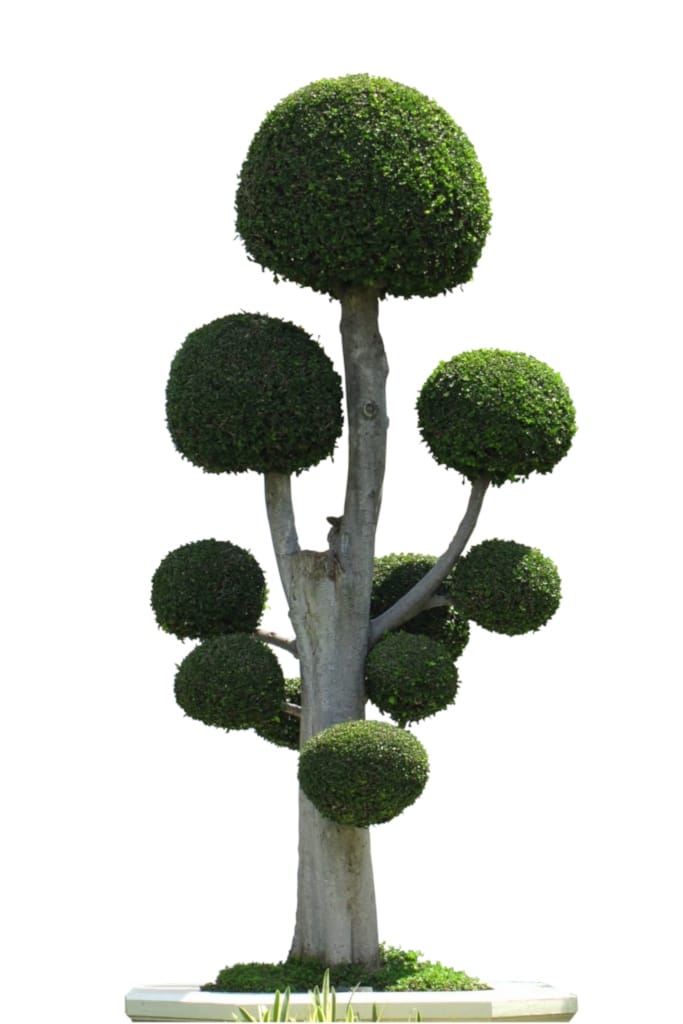
| Hedge | Trunks spaced 3 feet (1 meter) apart | As hard as you like, to the shape you want | A privacy screen that keeps its dried leaves through winter |
| Tree tunnel | Planted in rows and trained | Regular pruning to hold the shape | An architectural feature of trained branches |
| Timber and firewood | Grown on until mature | Not applicable | One of the hardest woods, and excellent firewood |
| Hot-summer gardens | Swap for European hop-hornbeam | As for hornbeam | A similar look on sites too hot for hornbeam |
Whichever use you pick, the tree itself stays the same easy, trouble-free grower.
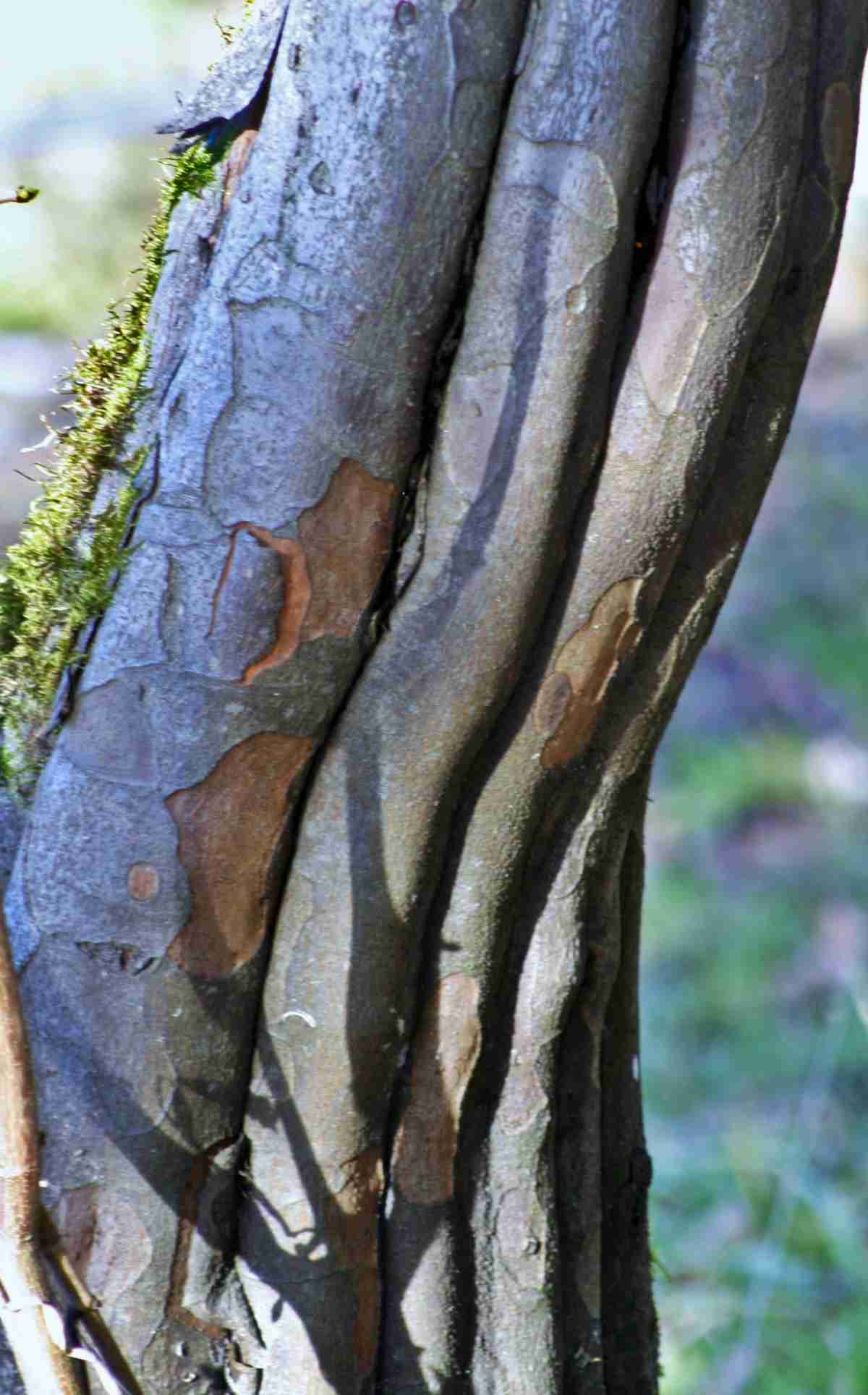
Hornbeam is a common tree in our gardens and forests.
Often used in woodworking for its hard, white wood, it is also a very elegant tree bearing dense, green leaves as it grows in soft, soothing shapes. The trunk twists and bulges under the bark, like muscles under skin. If ever you purchase furniture made from hornbeam, you’re the proud owner of an item built from one of the hardest woods ever!
It is very easy to care for and won’t cause you any problems whatsoever. This makes it a very easy tree for any gardener to grow!
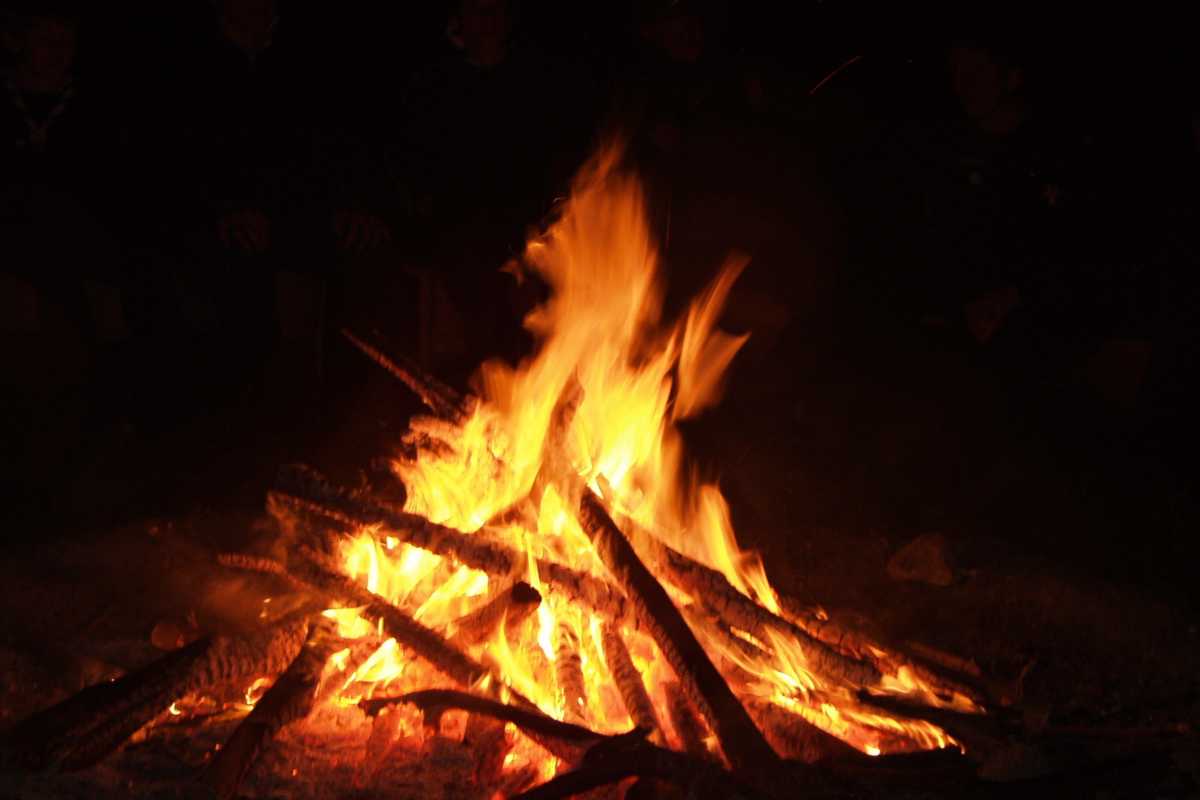
Note, lastly, that hornbeam produces excellent firewood fuel thanks to its elevated heat-producing properties.
Select young hornbeam specimens for your hedges or if you want a fast-growing tree!
Also check on the color the leaves take on, because some varieties grow green and others carry deep purple leaves. In both cases, they’re deciduous, and the dried-out leaves stay on the branch during winter and will fall out in spring under the gentle push of fresh spring sap.