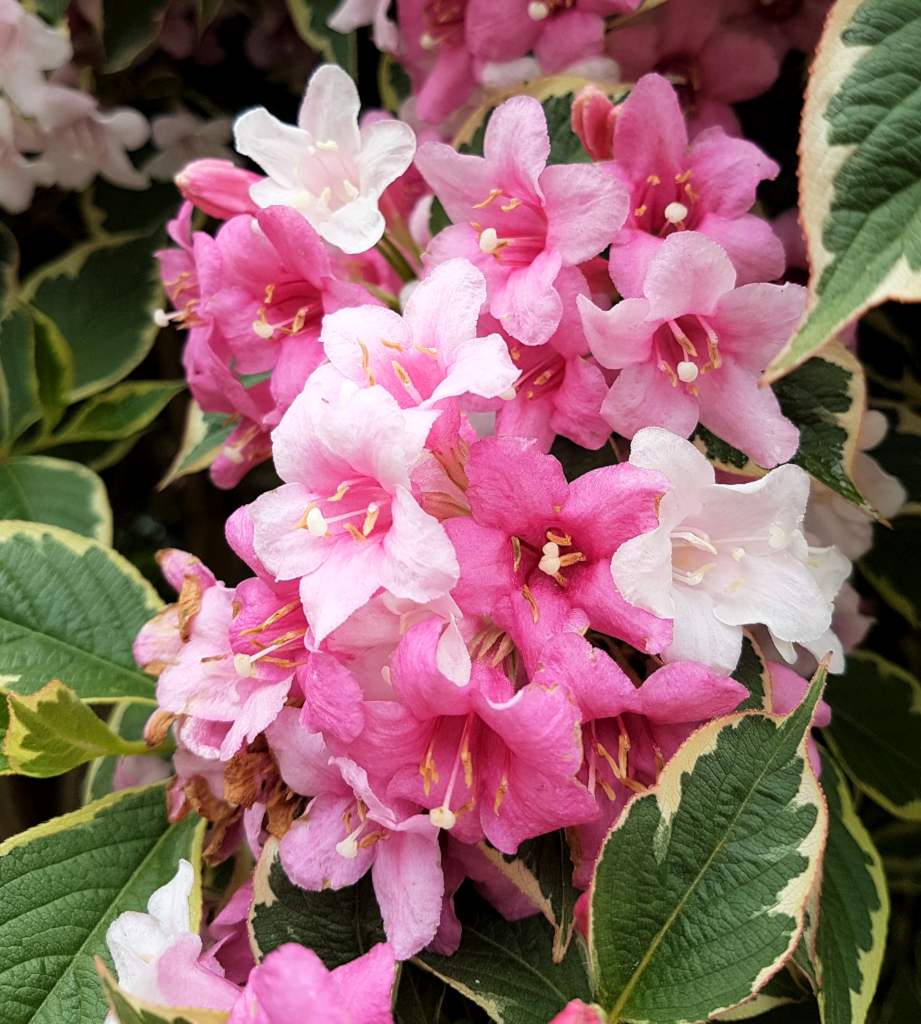
Pink and white flowers smother this deciduous shrub from April to June, on a plant just 3 to 6½ feet tall that fits a flower bed, a mixed hedge, or even a pot on a balcony. Give it sun and well-drained soil, and afterwards it asks for very little care.
Weigela at a glance
Name
Weigela
Family
Caprifoliaceae
Type
flower shrub
Height
3 to 6 ½ feet (1 to 2 meters)
Exposure
sun and part sun
Soil
rich enough
Foliage
deciduous
Flowering
April to June
Planting, pruning and caring it are steps that help enhance blooming and proper growth of your weigela.
Planting weigela
Planting your weigela is an important step because it determines the proper growth and flowering of your shrub.
It is better to plant weigela in fall to favor root development before winter hits, and thus ensure proper growth in the following spring.
You can still plant until spring or even summer if the season isn’t too hot for Weigela purchased in containers or pots. However, avoid days of freezing or of strong heat.
Weigela likes sunlit locations, to bloom well, even though a little shade is all right.
It appreciates well drained soil and abhors waterlogged soil.
Making cuttings is the simplest and fastest method of propagating your weigela. It isn’t the easiest shrub to prepare cuttings from, but it is possible.
Prepare cuttings at the beginning of summer with newly grown sprigs that haven’t flowered yet.
Collect stems that are 6 to 8 inches (15 to 20 cm) long.
Remove lower leaves, keeping only the two topmost pairs.
Dip the base of the cuttings in powdered rooting agents (this is optional but very much recommended in the case of weigela).
Place the cuttings in a sheltered place in special cutting soil mix.
Adding all-purpose fertilizer in spring will boost growth, blooming and make the leafage magnificent.
This technique is also effective for any weigela that doesn’t bear flowers (or previously did, but doesn’t anymore).
Indeed, as years go by the substrate is exhausted and requires nutrients.
Learn more about weigela
A very beautiful shrub with abundant and plentiful blooming, weigela catches the eye thanks to its beauty and the pink and white color of its flowers.
Easy to care for, it will fit right in any flower bed, as a standalone or as a main item in a mixed hedge.
It is also possible to grow weigela in garden boxes or pots on a terrace or balcony.
This shrub is known for its resistance to diseases and insects, even though it is occasionally found to be targeted by scale insects.
This make it possible for you to forego using chemical products altogether, and you’ll thus be doing your part in protecting the environment!
Interesting weigela varieties are:
Weigela ‘Brigela’ – particularly hardy, it stands strong down to -4°F (-20° C).
Weigelia ‘Bristol Ruby’ – long summer blooming season and very remarkable stark red color.
Weigelia ‘Carnaval’ – nice blooming of mottled white, pink and red.
Weigelia ‘Red Prince’ – very ornamental bright red.
Which weigela to choose?
The named weigelas mentioned here differ mainly in flower colour, length of bloom and cold tolerance. Use the table below to pick the one that matches your hedge or bed.
Which weigela to choose?
Variety
Flower colour
Why choose it
‘Brigela’
Not specified
Particularly hardy, down to -4°F (-20°C)
‘Bristol Ruby’
Stark red
Long summer blooming season
‘Carnaval’
Mottled white, pink and red
Three colours in one bloom
‘Red Prince’
Bright red
Very ornamental colour
Whichever you choose, all suit a flower bed, a standalone position or a mixed hedge.
Smart tip about weigela
Mulch in summer will hinder weed growth and reduce water evaporation after watering.
For any special question about weigela, feel free to open a discussion on the forum.
Read through our hundreds of in-depth pages on every plant describing their diseases and smart tips on how to care for your plants best.
Never shear a weigela hedge with a trimmer in winter or early spring, since the flowers form on the previous year’s wood and shearing removes the buds.
Deciduous screening plants generally block views only while in leaf, roughly spring through autumn, although some species hold dead foliage or leaf out early and so screen for longer.
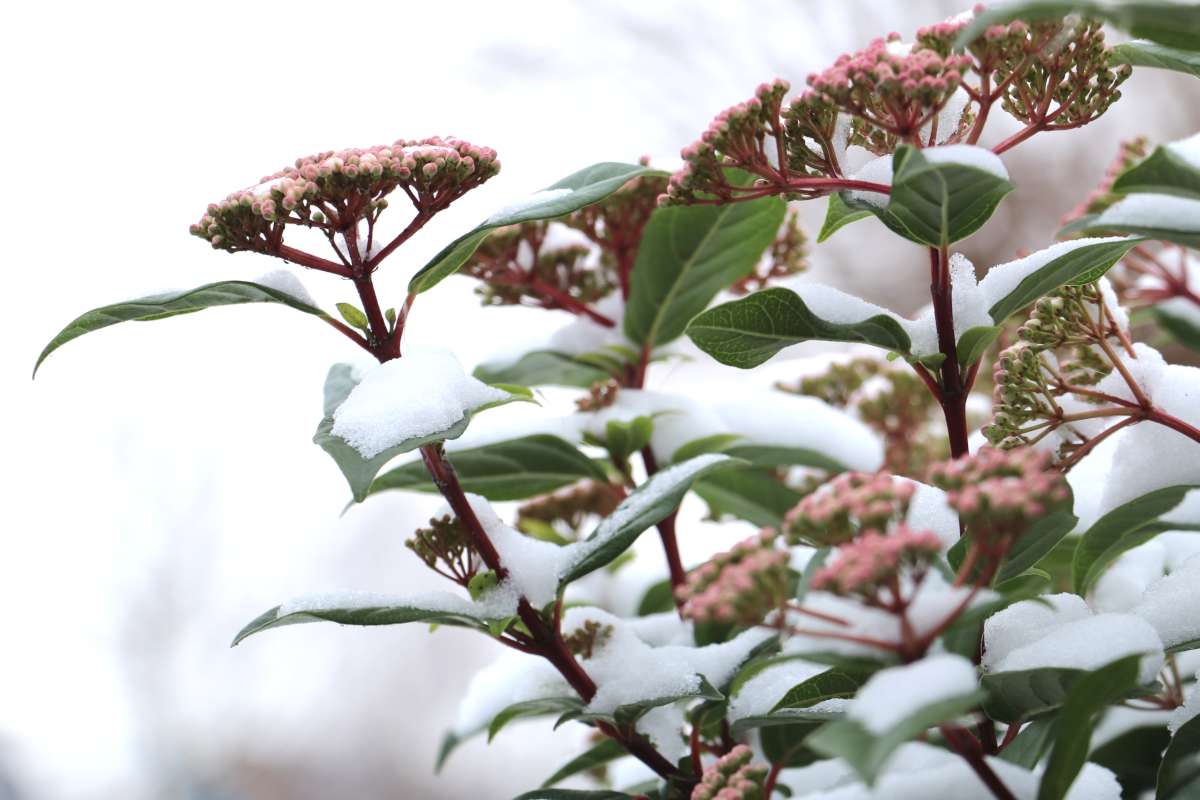
In a mixed hedge, deciduous shrubs can be combined with evergreens such as Photinia x fraseri or laurustinus (Viburnum tinus), which hold their leaves year-round and so maintain cover through winter.
🌿 Nature & Garden Newsletter
Gardening tips, recipes & seasonal advice, twice a week.