Sleet and morning frost one day, warm blue skies the next — trees start budding, the first flowers open and the whole garden bursts into life. March is the month for pruning climbing and bush roses, grapevines and every shrub that does not flower in spring, for renovating the lawn, and for starting the first seedlings under cover.
Rainy days with sleet and morning frost alternate with warm blue-sky spring days, and the entire garden starts bursting to life!
Trees start budding, certain flower varieties start to bloom while other plants are calling for attention.
March is the start of a long gardening season, and it’s all for the better!
We’re very happy to be beginning this season with you on Nature-and-Garden today!
Remember, any question can find its answer on the forum…
Shrubs that do not bloom in spring must be pruned at this time.
Topiary shrubs like boxwood, yaupon, holly and yew can get their first trimming in March.
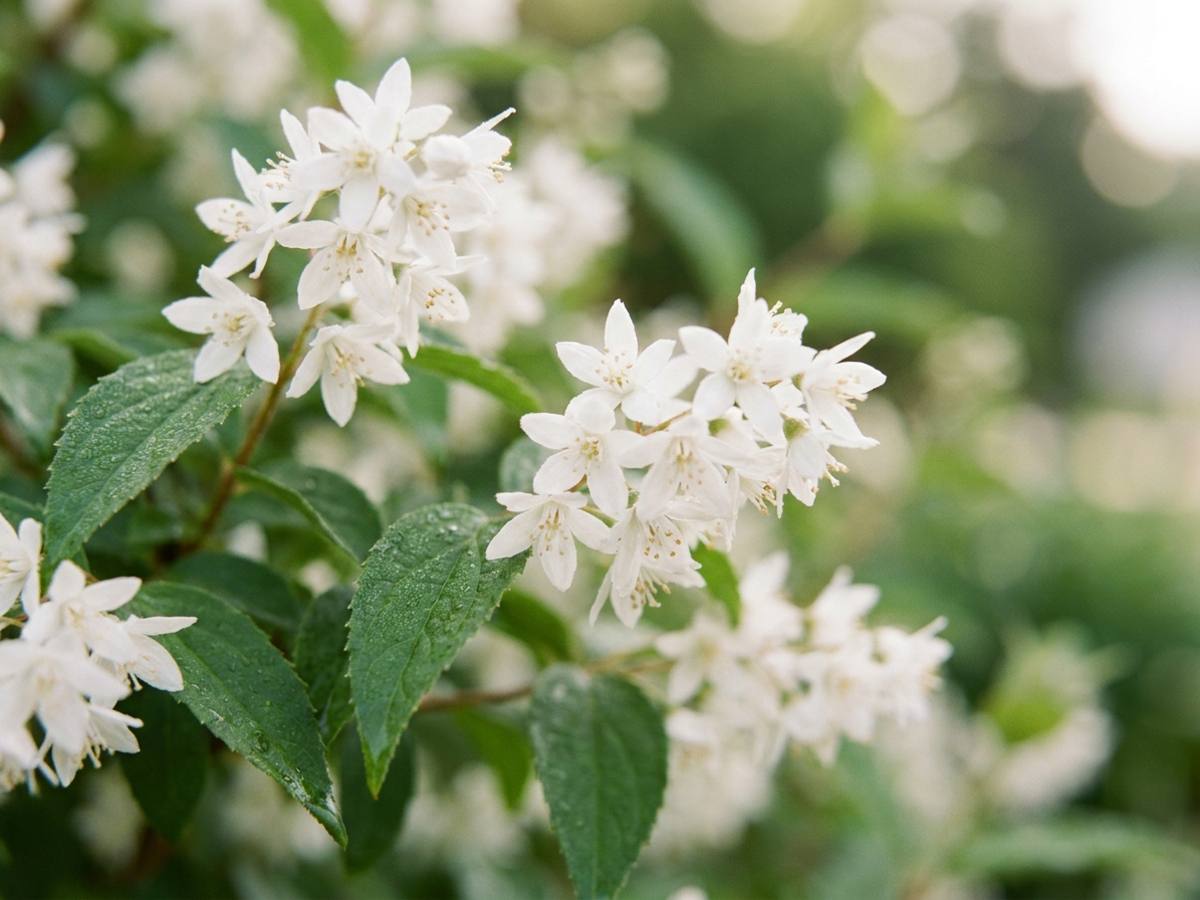
On the contrary, here is a list of shrubs not to prune in Spring: spring blooming shrubs
This is the ideal month to prune your climbing and bush rose trees.
Caution: it is important to burn the trimmings in order to eliminate diseases and parasites. Indeed, fungus and larvae may have taken up shop on them during the winter.
Cut just above an outward-facing bud, with the blade sloping away from it so water runs off the wound.
This is the last opportunity of the year to prune your grape vines before the season starts.
March is a pruning month, but not for everything in the garden. This table sums up which plants take the secateurs now and which are better left untouched.
| Plant group | Prune in March? | What the job involves |
|---|---|---|
| Shrubs that do not bloom in spring | Yes | This is the month they must be pruned |
| Topiary: boxwood, yaupon, holly, yew | Yes | First trimming of the year |
| Hedges | Optional | Cut back now for a neat garden, or wait until April |
| Climbing and bush roses | Yes | Ideal month; burn the trimmings to eliminate diseases and parasites |
| Grapevines | Yes | Last opportunity before the season starts |
| Spring-blooming shrubs | No | Leave them alone; you can start planting these end of March |
In short, anything that is about to flower keeps its branches, while everything else can be cut back now.
It’s time to spade and clean the beds to prepare them for new plants.
Spading is an important step, because it helps aerate the soil, promotes drainage, and buries weeds underground where they can’t catch any light. If you’ve got a thick layer of organic mulch, usually this isn’t necessary.
Spring is the right time to care for your lawn, be it for sowing it or completely renovating it.
It is time to de-thatch and treat the lawn against moss.
Trees and shrubs may receive the first yearly preventive treatments as soon as end of March, to protect them from an onslaught of mushrooms.
Avoid applying insecticides to trees in bloom, because they can kill foraging bees; some fungicides are approved for bloom-time use, so follow the label and spray at dusk when bees are inactive.
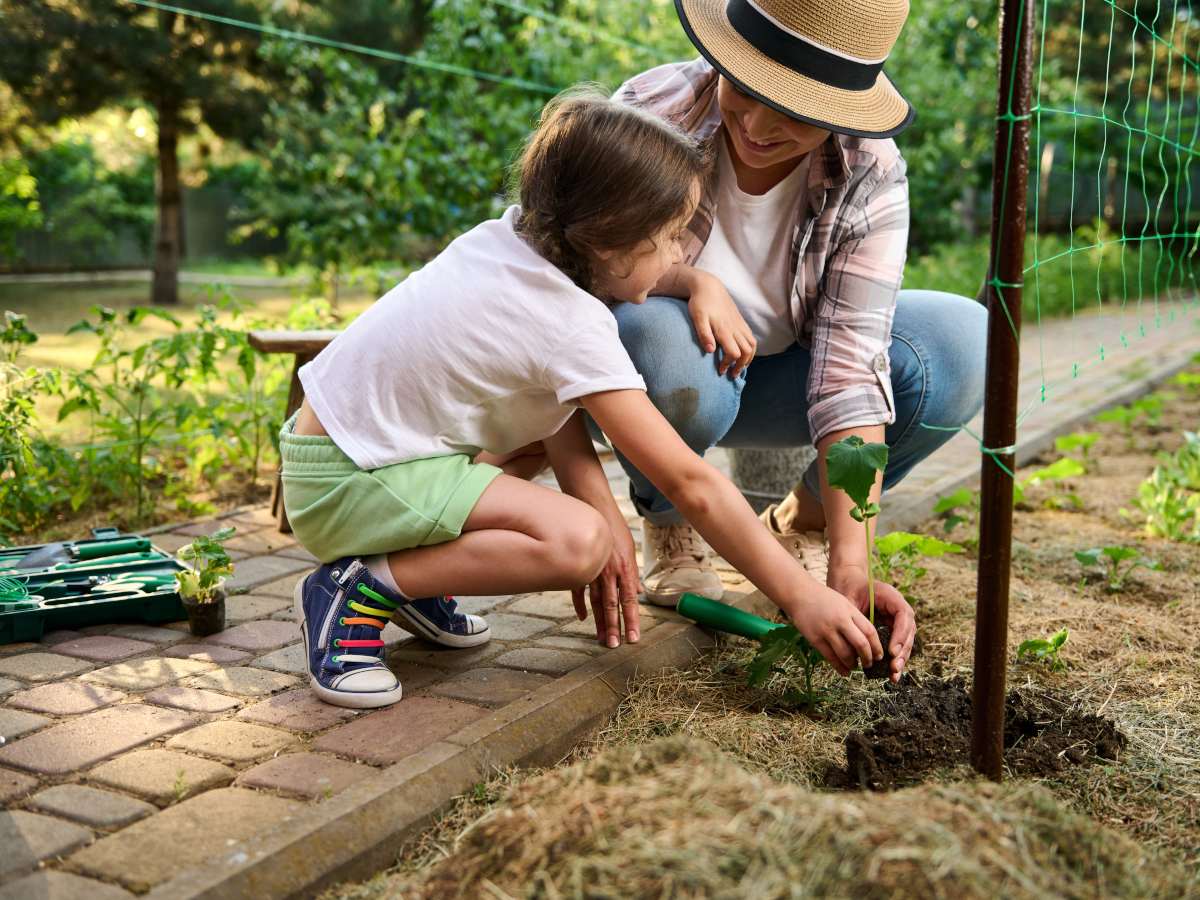
It is still time to plant trees and shrubs that have been purchased in pots.
To spur their revival, add organic fertilizer coupled with “plantation mix” or “universal soil mix” into the soil.
Water the newly backfilled hole thoroughly to settle soil around the roots and close air pockets, adjusting the amount downward if the soil is already wet or drains poorly.
March is a great month for starting certain seedlings in a protected environment. Essentially annual plants are concerned here, such as the following climbing plants: nasturtium, oceanblue morning glory, or sweet pea.
A nice impulse to indulge in: sowing tomato.
Ventilate the greenhouse or tunnel on mild days: damping off, the collapse of seedlings at soil level, is caused by soil-borne fungi and oomycetes such as Pythium, which stagnant, damp air encourages.
If your climate permits it, and that exposure to the sun is high, it is also possible to start direct sowing of certain vegetables such as:
Leeks are commonly raised in a nursery seedbed, sown thinly enough that seedlings are not crowded, then lifted and transplanted to their final positions once they reach roughly pencil thickness.
Net peas as soon as they are sown.