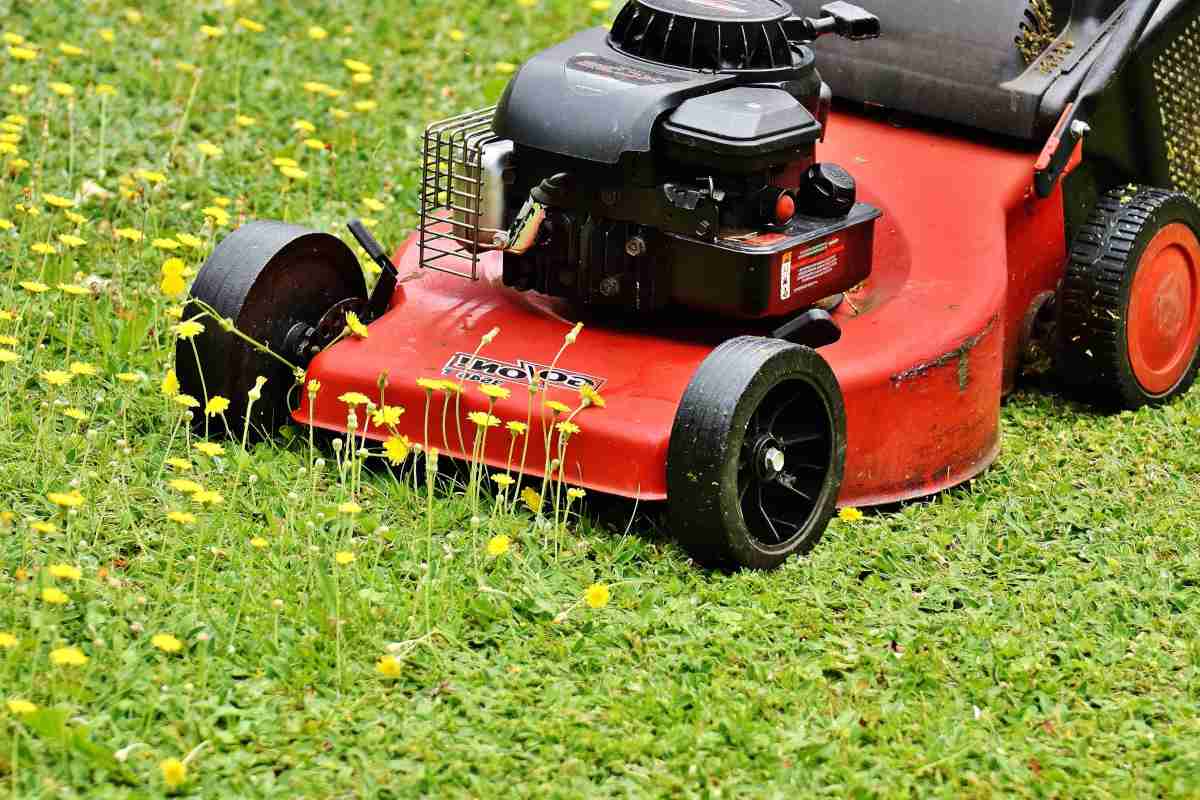
Moss creeping across the turf, weeds staking their claim and bare patches where the grass has simply died off: an old lawn can be brought back without much effort at all. Tackle it when growth is at its most vigorous, in spring or autumn, and weeding, mowing, dethatching and reseeding will hand you back a lush, green sward.
Summer, with its extended dry spells or winter with its scathing frost are also difficult times for old lawns.
The best season to renovate a lawn is when its growth is the most vigorous, in spring or in fall.
Indeed, you’ll make the growth of your lawn an asset to speed up the renovation process.
The seed you scatter into the bare patches has to match your climate, your light levels and the traffic the lawn takes. The varieties below are the ones most often found in mainstream seed ranges.
Settle the climate column first, because it rules out half the table. Cool-season grasses grow hardest in spring and autumn and go dormant through a hot summer; warm-season grasses do the reverse, greening up only once nights hold above about 18°C (65°F) and browning off after the first frost. Read the species as closely as the variety name: seed is sold by species, with the cultivar in small print on the back of the bag, and most bags are a mix of two or three.
| Variety | Species | Climate type | Sun or shade | Wear tolerance |
|---|---|---|---|---|
| Midnight | Kentucky bluegrass | Cool-season | Full sun | High, self-repairing |
| Kenblue | Kentucky bluegrass | Cool-season | Full sun | Moderate |
| Rebel | Tall fescue | Cool-season | Sun to part shade | High |
| Kentucky 31 | Tall fescue | Cool-season | Sun to light shade | High, but coarse-bladed |
| Manhattan | Perennial ryegrass | Cool-season | Full sun | Very high, quick repair |
| Jamestown | Chewings fescue | Cool-season | Shade, poor soils | Moderate |
| Zenith | Zoysia | Warm-season | Sun to light shade | High |
| Argentine | Bahiagrass | Warm-season | Full sun | Moderate |
| Cody | Buffalograss | Warm-season | Full sun, dry sites | Moderate |
| TifBlair | Centipedegrass | Warm-season | Sun, acid soils | Low |
Renovating a lawn or span of grass isn’t very difficult but simply implies the following tips.
These steps must be performed on a regular basis every 2 or 3 years depending on your soil and the type of exposure of your garden.
Choose products used in organic farming to keep your soil pristine for the next generations.
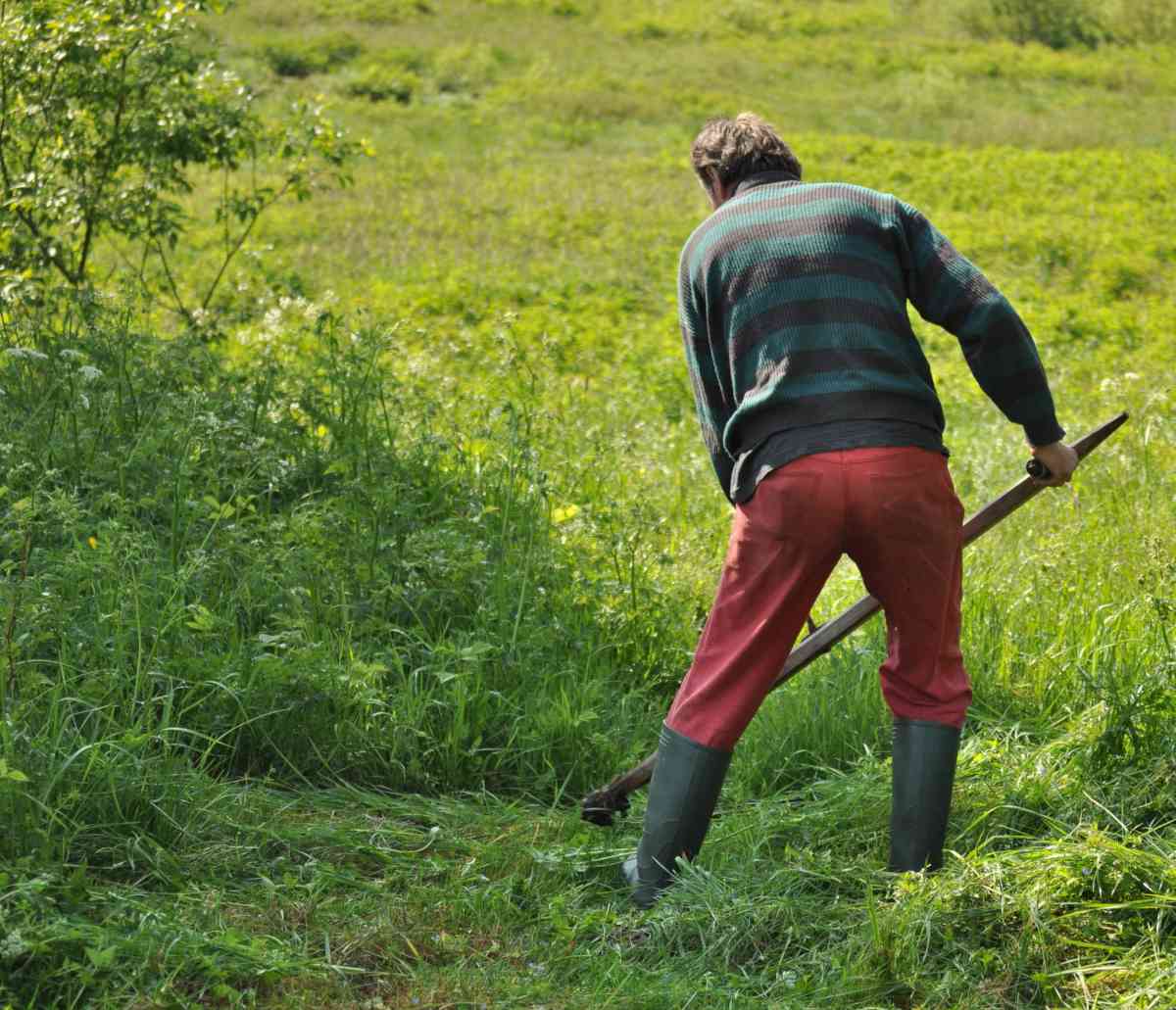
These steps all have a certain impact on your lawn’s vegetation phase.
The space left by the weeding, the mowing and the dethatching must be conquered quickly with new lawn seeds.
4 to 6 weeks after having been sown, special granulated lawn fertilizer must be spread on the lawn.