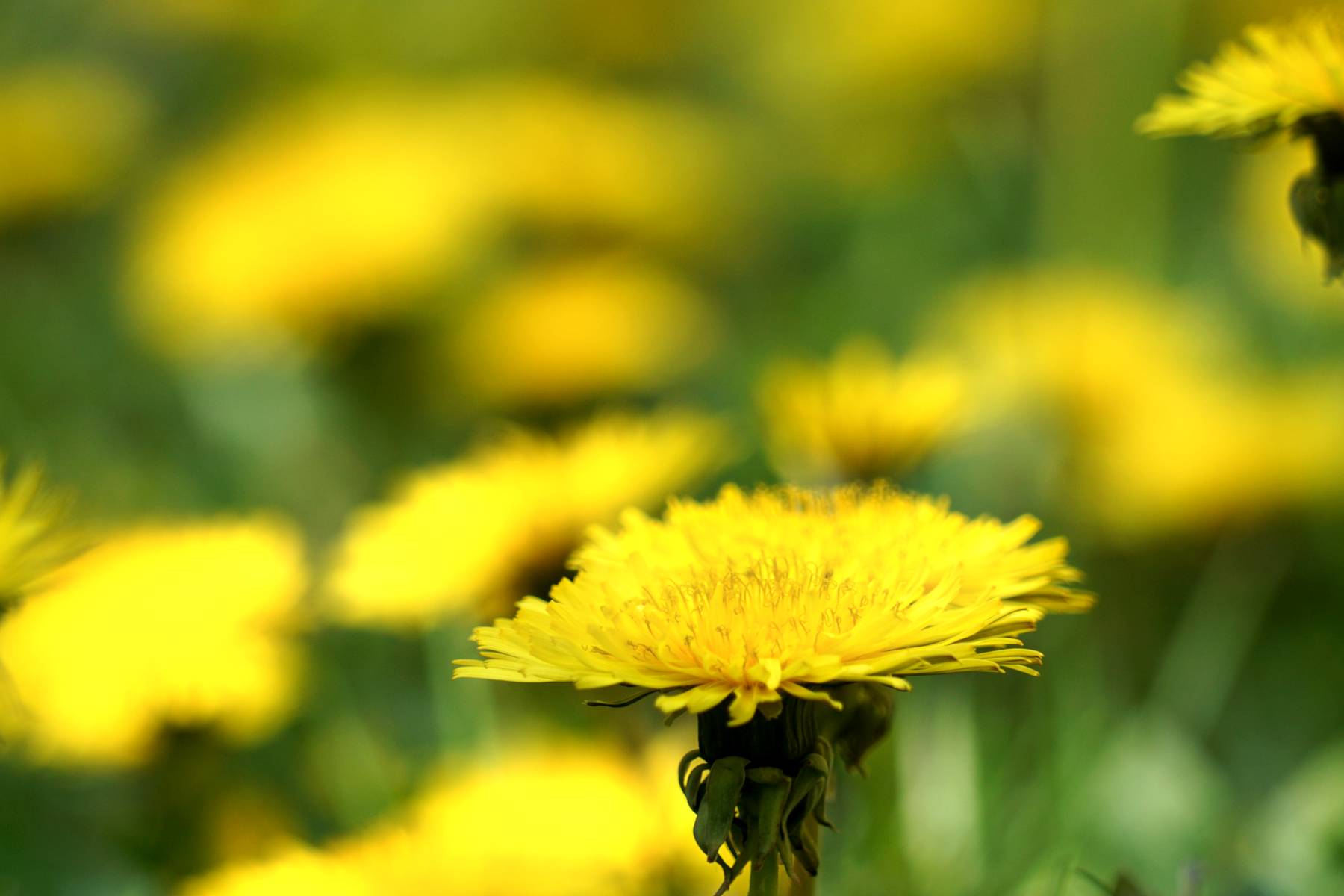
Bright yellow heads scattered in their thousands across a lawn, above rosettes of jagged, tooth-like lobed leaves: dandelion is our most famous weed flower. It feeds bees emerging from the hive, fills salads and sets into jelly — provided you hold off the hoe for a week or two, and pick the leaves in early spring before they turn bitter.
It can be appreciated all season long from early spring to late autumn, but, it must be said, mid-spring is when dandelion is most beautiful.
Who hasn’t yet seen the fairy-like show of pastures or gardens sprinkled with thousands of blooming dandelions?
Who, as a mom or dad, hasn’t yet received as a gift from a child a bouquet of lovingly picked dandelions on mother’s day or father’s day?
Let us contemplate these bright yellow flowers for a second, like our little friends the bees do when they leave their hive after many long winter months.
Reproduction of dandelion
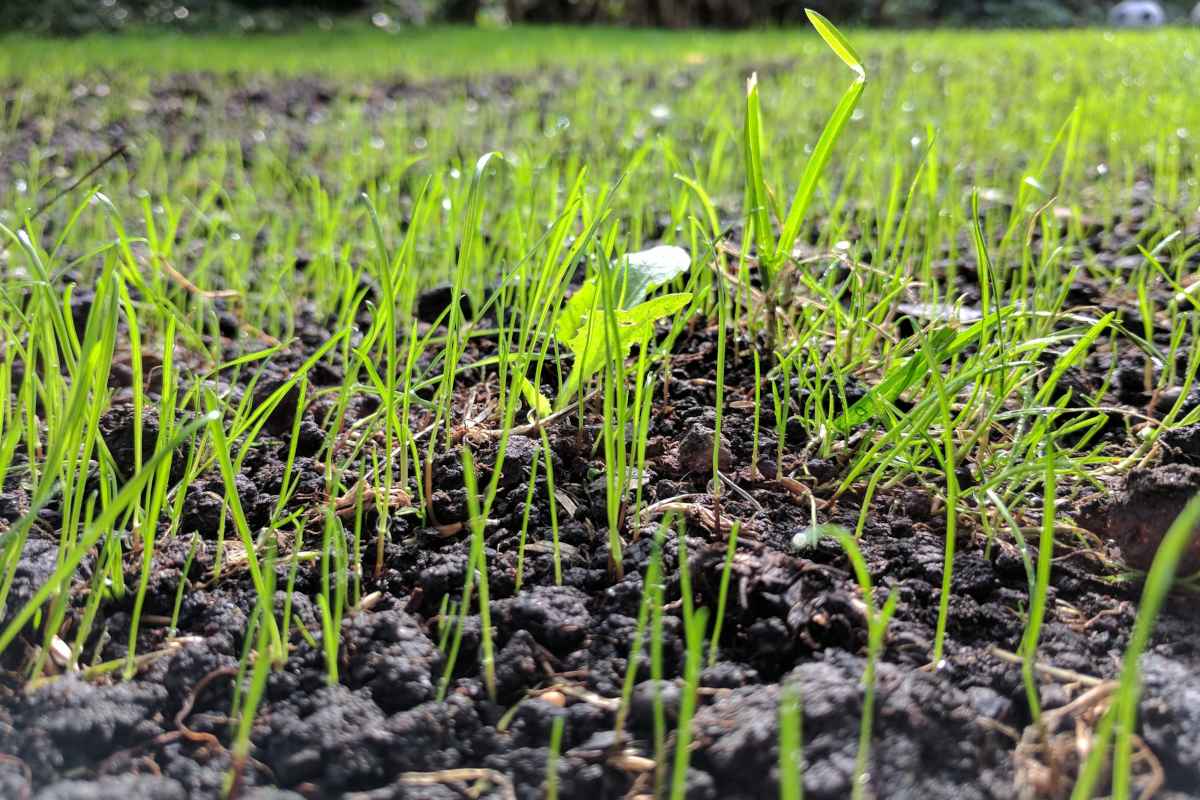
Dandelion is sown naturally by the wind. Sometimes this renders perfectionist gardeners quite desperate, but let us give these marvelous fragrant bouquets a week or two to bloom!
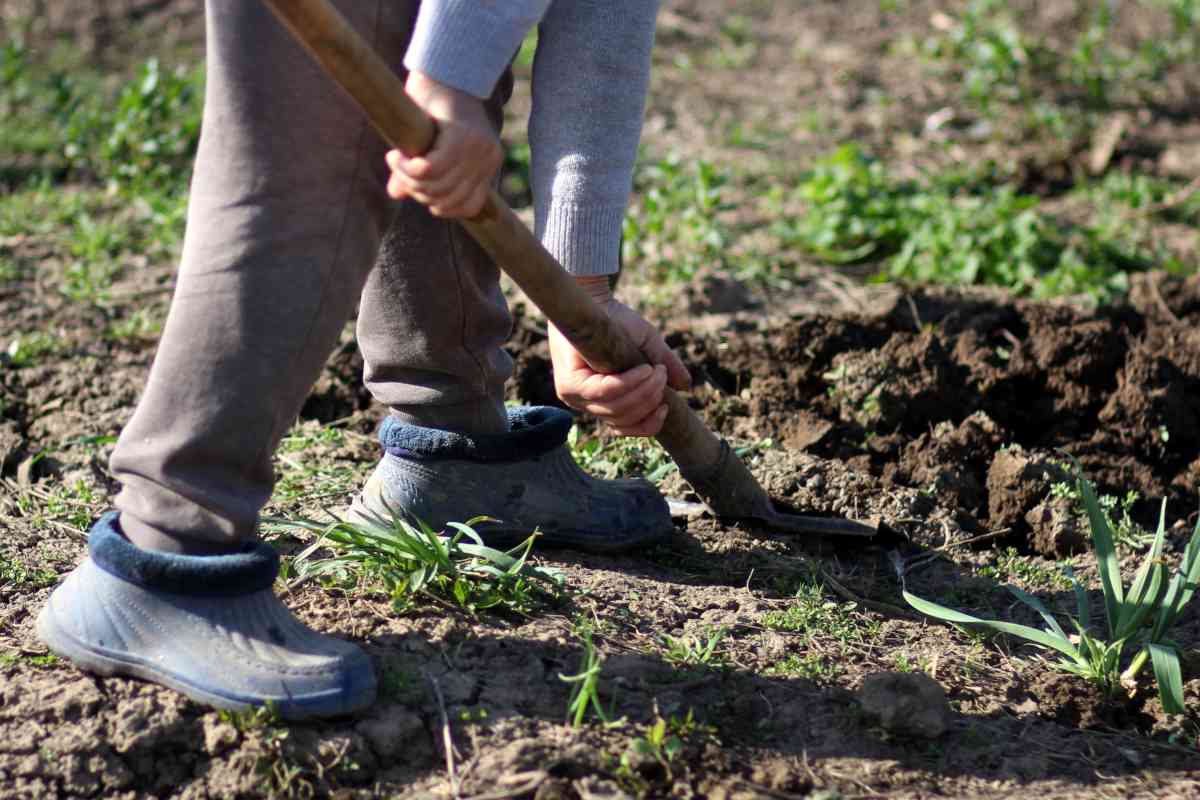
When the mid-spring blooming is over, it will be easy to cut them back with a run of the hoe along the surface of the soil, and it won’t endanger the following spring’s blooming.
Dandelion are among the first spring flowers that help bees get off to a good start.
A run of the hoe only removes the leaf rosette, since dandelion regrows from its deep taproot, so to be rid of a plant for good lever the whole root out with a fork or a long narrow dandelion weeder.
Dandelion taproot fragments can regenerate from adventitious buds, so rotavating a heavily colonised patch risks chopping roots into many new plants, whereas careful forking that lifts the whole taproot can remove them successfully.
If you want to limit seeding, pick the yellow heads before they turn into white clocks, and bin them rather than dropping them on the soil, because cut heads can still ripen their seeds.
Dandelion seeds need light and soil contact to establish, so mowing high and overseeding thin patches builds denser, shadier turf that reduces—though does not eliminate—the openings where windborne seed can take hold.
Dandelion through the season: what to do, and when
The dandelion year runs from early spring to late autumn, and each moment of it offers something different. Here is what the plant gives at each stage, and what you can do with it.
Dandelion through the season: what to do, and when
Stage or use
Best moment
What to do
Leaves for salad
Early spring
Cut them off where they connect to the root, then rinse thoroughly in tap water
Flowering display
Mid-spring
Simply contemplate the bright yellow flowers, at their most beautiful
Flowers for bees
First weeks of spring
Leave the blooms in place for a week or two so bees can forage
Tidying up
Once the mid-spring blooming is over
Run the hoe along the surface of the soil to cut them back
Dandelion jelly
After blooming, for the store cupboard
Turn the harvest into a jelly to spread on breakfast toast
Followed in this order, the same patch of lawn feeds you, feeds the bees, and is still tidy by the end of spring.
Dandelion can bring joy to your table as well
Early in the season, local markets offer dandelion leaves for sale, to spice up our mixed salads.
Collect dandelion leaves in the lawn of gardens early spring. After this date they grow too bitter to have any further appeal.
Sometimes you’ll need to take time roaming around to find the freshest ones. Indeed, they must be picked on the day they unfurled or the next.
First of all, cut them off where they connect to the root
Then, rinse the leaves thoroughly in tap water.
Toss them in a salad together with shallot, small cubes of cheddar or Comté cheese and a very mild salad dressing.
Dandelion jelly, delicious and original
Dandelion “jelly” will even endear the taste buds of children on breakfast toast.
Gather dandelion flowers for jelly from lawns and meadows that have not been treated with weedkiller, kept away from roadsides and from spots where dogs habitually pass.
Pick the heads when they are dry and fully open, ideally in midday sunshine, since many daisy-family flowers such as calendula and dandelion close up in damp or dull weather, making harvesting harder.
Pull or snip the yellow petals away from the green base of each dandelion head, because the green bracts and stems release a bitter, milky sap that spoils the jelly.
Dandelion petals release too little usable pectin into a water infusion to set on their own, so the strained liquid is boiled with lemon juice and preserving sugar, or added pectin, to make jelly.
A far cry from yet becoming fast friends, at least you’ll feel that the dandelions are paying their fair share of rent for the land they occupy!
Credits for images shared toNature&Garden(all edits by Gaspard Lorthiois):
Hazy dandelions by Rosalyn & Gaspard Lorthiois, own work
Written by Gaspard Lorthiois | Loves helping out, especially when it comes to growing things. Worked in herbal medicine, runs a farm, and dabbles in tech. Master's degree and engineer.