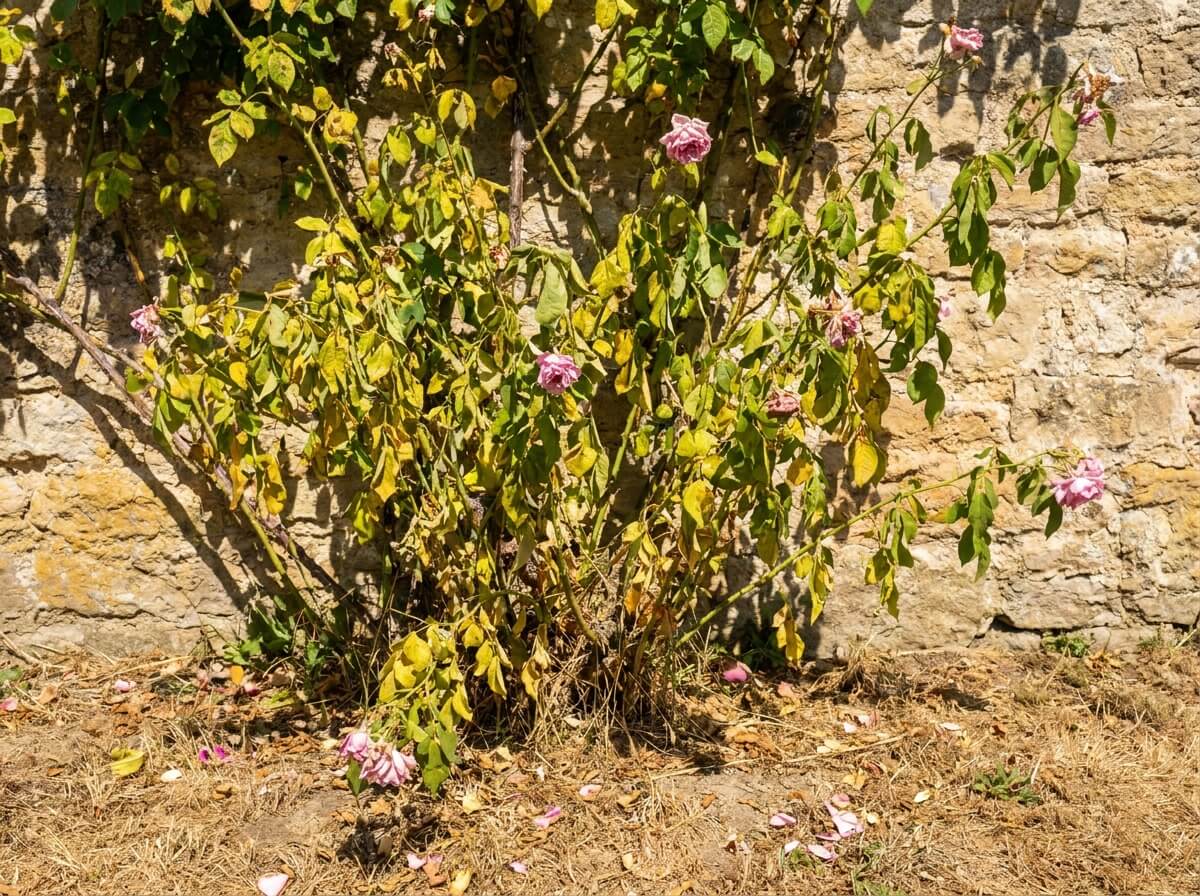
Mulch isn’t a weed solution. It’s a delay. Every gardener knows the feeling: you lay a fresh 8cm layer of bark chip in spring, feel satisfied, then watch bindweed punch through it by mid-summer like nothing happened. The actual fix is to eliminate bare soil entirely — using flowering plants that shoot up so densely, so aggressively low, that weed seedlings simply run out of light before they can establish. Here are 20 that do exactly that, beautifully.
Bare soil is an open invitation. Weed seeds need light to germinate; the moment you pull off that light source by covering the ground with dense, horizontally spreading plants, germination rates collapse. Studies from the RHS on ground cover plants consistently show that established groundcovers reduce weed establishment by over 80% compared to mulched bare soil.
The mistake most gardeners make is thinking of groundcovers as a cosmetic afterthought, an optional extra to tuck into a corner. They plant tall specimens, leave gaping 50cm chasms between them, and then they wonder why weeds fill every single one.
Gaps are the issue. These 20 plants are the solution.
Bark chip and wood mulch break down. And within 12–18 months, they have partially composted into exactly the kind of loose, rich topsoil that weed seeds simply adore.
You have, in effect, been making your weed issue worse every year by creating better conditions for them in the layer you intended as a barrier.
Persistent mulching also costs significantly more over a five-year period than a one-time planting of groundcovers. But it never gets easier. Groundcovers, however, get denser, tougher, and more weed-suppressive each year. So, if you want a genuinely garden without constant chores, living ground cover is the only honest route there. Everything else is a bit dodgy, honestly. It’s properly sorted once established.
The single biggest planting error is spacing them too far apart. Plant groundcovers 25–30cm apart. Not the 45–60cm most labels suggest; that’s just a bit much. Closer spacing means they knit together in 6–8 weeks instead of two years, and that closed canopy is where the non-negotiable weed suppression actually happens.
Prepare the soil properly before planting. Clear existing weeds — roots and all — then plant directly into the ground.
Don’t lay bark chip underneath them. It prevents the runners and stolons from rooting as they spread. That mechanism is precisely what makes these plants work.
For a border that also looks spectacular from above, combining these plants is where the real art lies. Reading about how to set up a mixed border does wonders for layering heights and textures, so the groundcover layer works as hard visually as it does practically. In fact, it’s bang on.
If weeds are still appearing 10 weeks after planting, the canopy hasn’t closed. But check the spacing; if plants are more than 35cm apart, fill those gaps with additional plants immediately.
Don’t wait.
Yellowing leaves on creeping thyme or Sedum usually mean waterlogged soil, not drought. These plants properly prefer dry, lean conditions. End of story.
Stop watering and improve drainage by working grit into the planting area at a ratio of 1 part grit to 3 parts soil. Non-negotiable, that.
Bare patches in Vinca after summer mean slug damage overnight. A ring of sharp horticultural grit around each plant at establishment solves this. Slugs absolutely refuse to cross it. The thing is, keeping groundcover dense also increases habitat for slug-eating beetles, according to RHS guidance on ground beetles. So the biology works in your favour once the plants fill in. It’s a proper ecosystem.
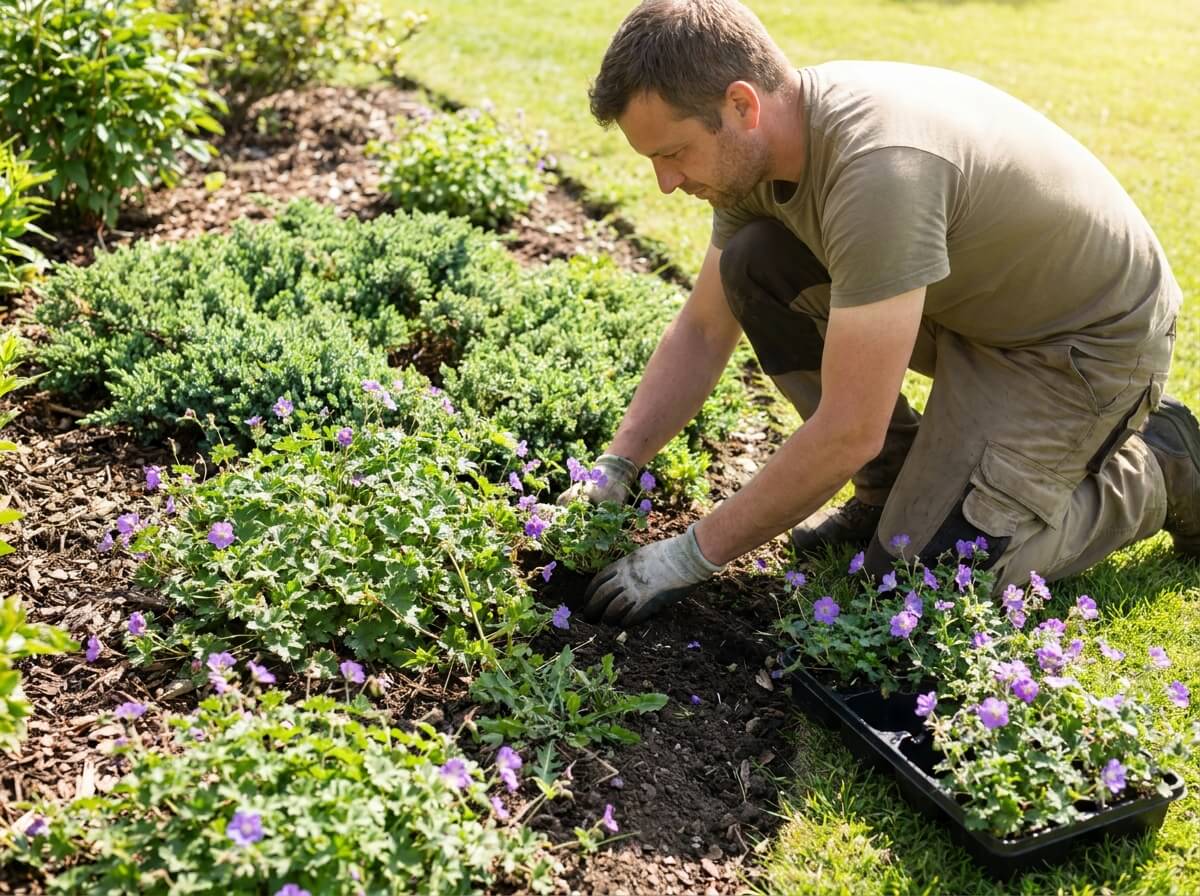
Smart tip: Plant groundcovers 25cm apart, not 45cm — that one change halves the time before weeds are locked out.
Yes — and they outperform it after the first season. Unlike bark chip, established groundcovers actively regrow, repair gaps, and improve year on year without any additional input or cost.
Ajuga reptans is the most reliable in full shade, spreading via surface stolons that root every few centimetres. Pair it with Vinca minor for a two-layer canopy that leaves no gaps for weeds to exploit.
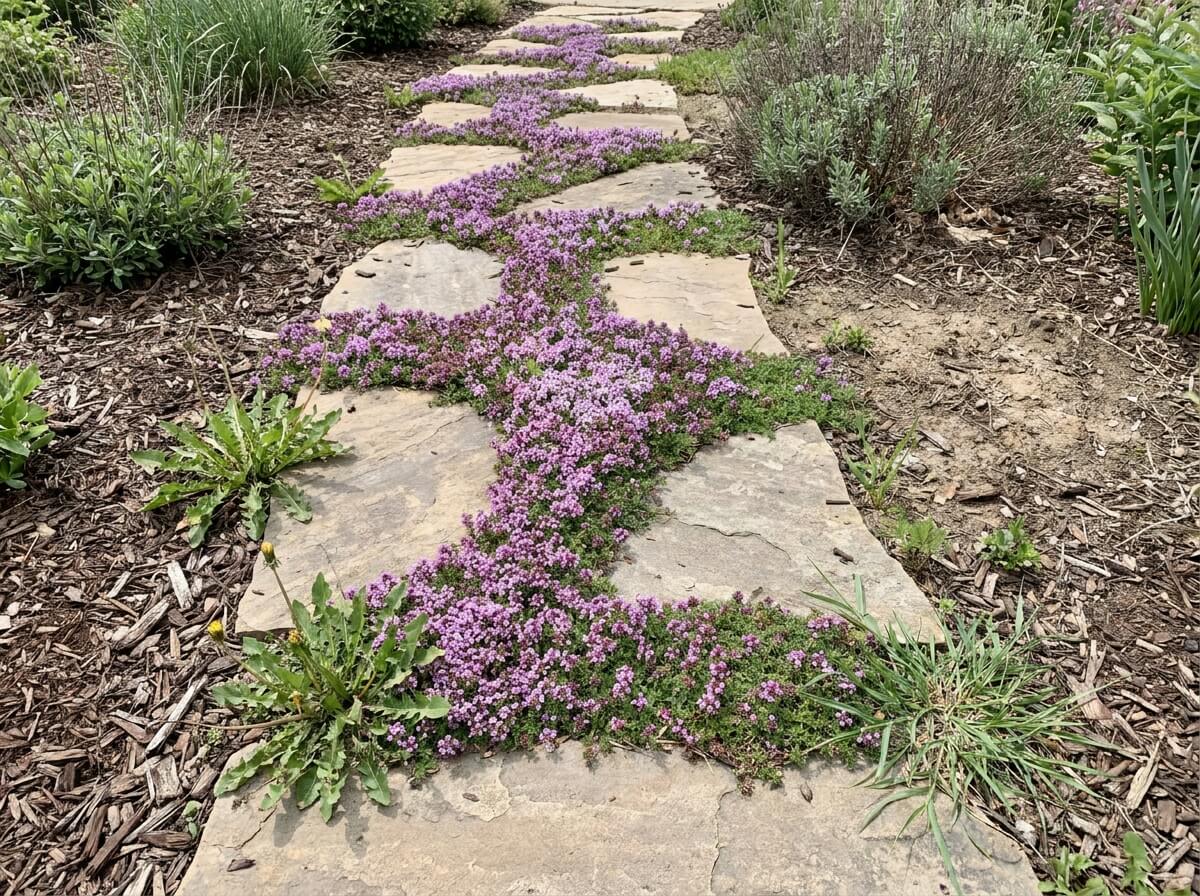
Creeping thyme, Pratia pedunculata, Leptinella squalida, and Isotoma fluviatilis all handle light foot traffic and root into the gaps between pavers — exactly where weeds are hardest to hand-weed.
Not at all — planting now gives roots a full season to establish before winter. Water consistently for the first 4 weeks and they’ll be spreading confidently before autumn arrives.