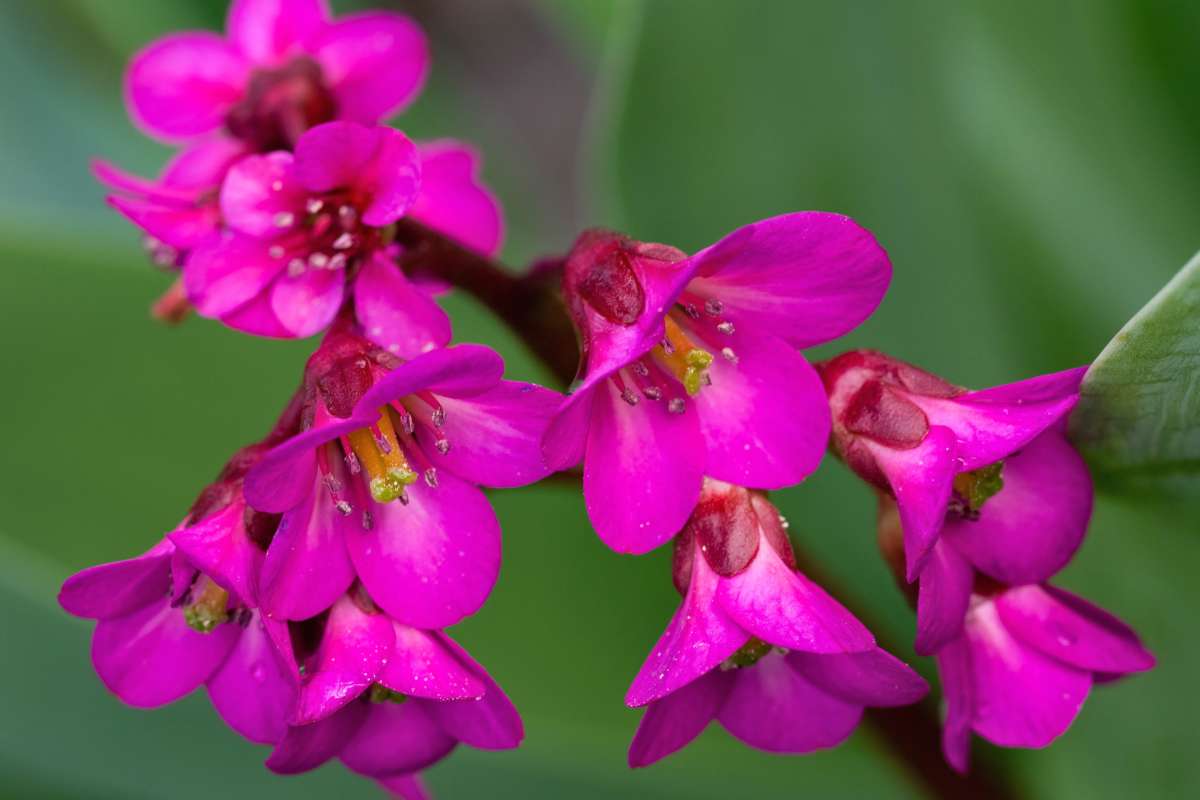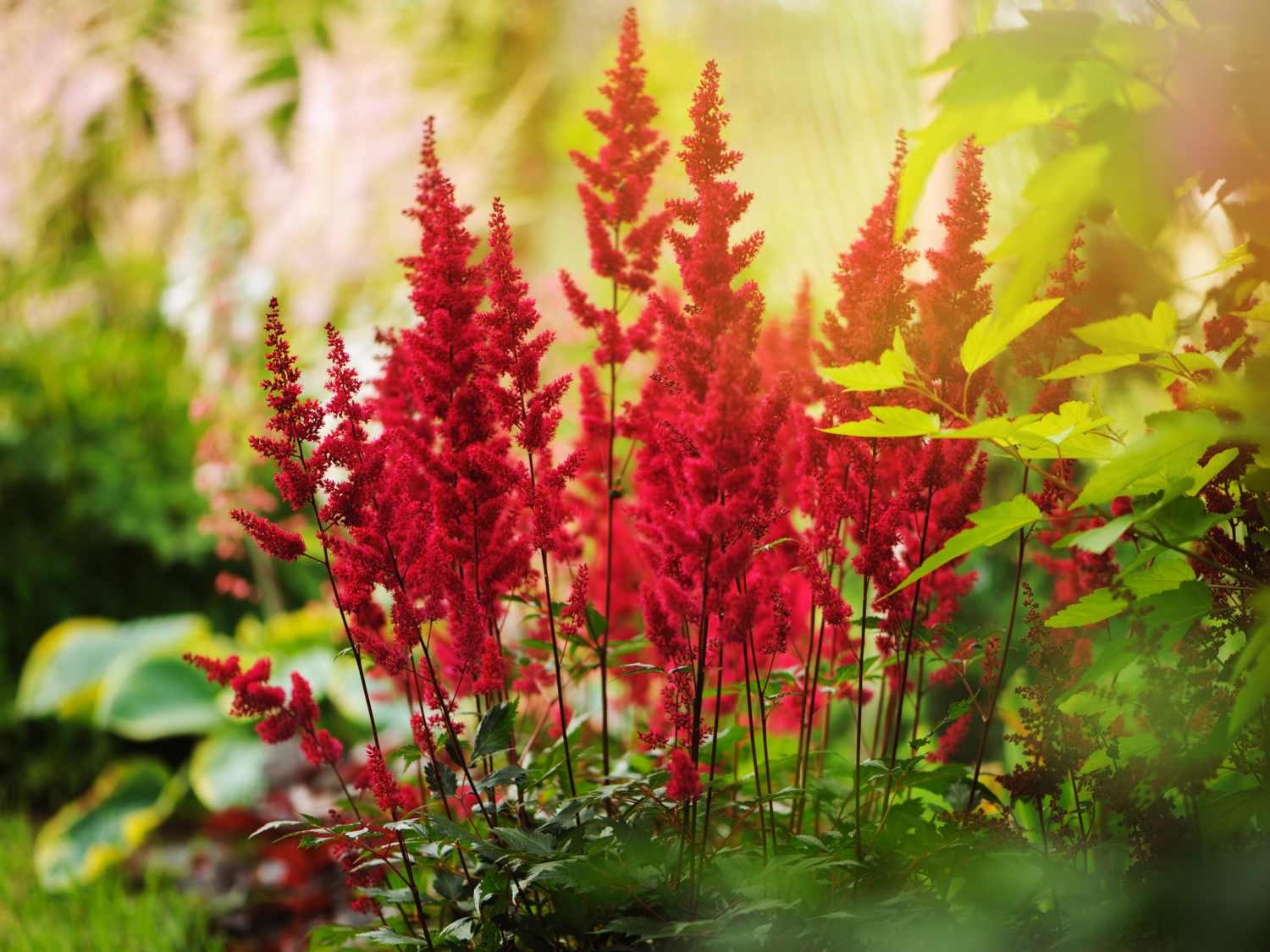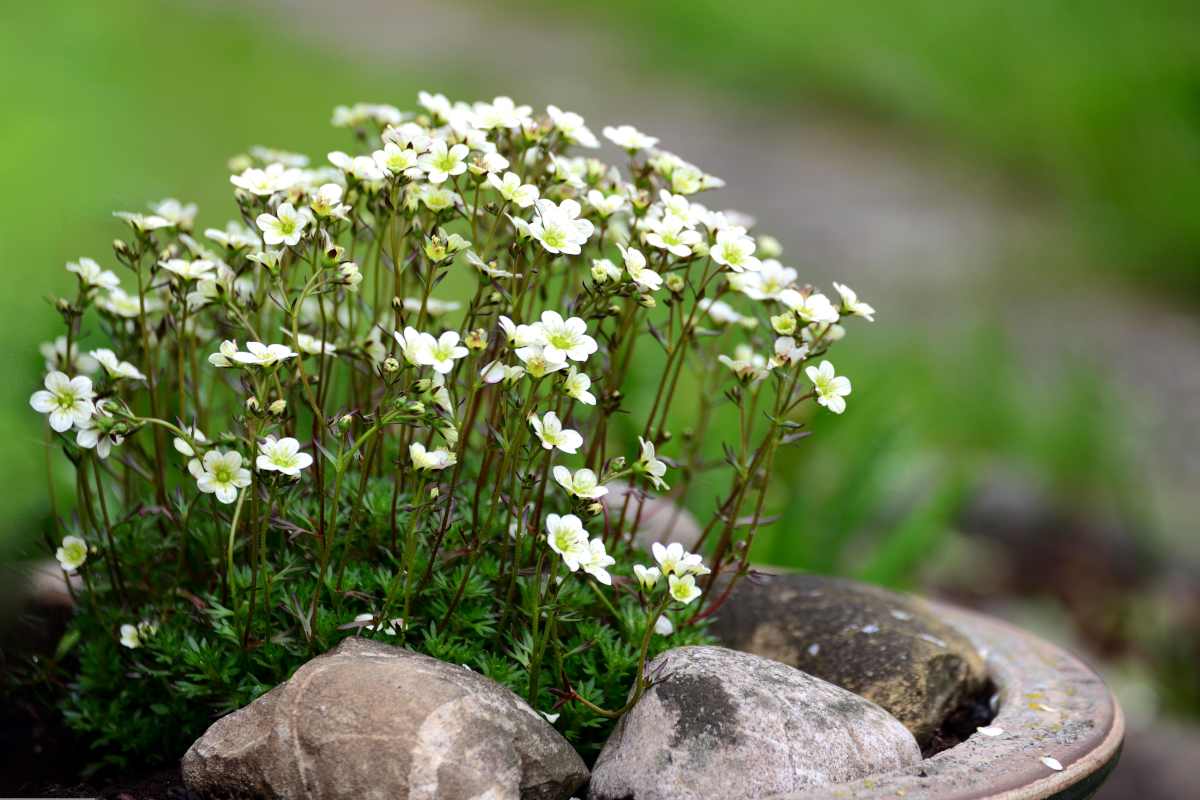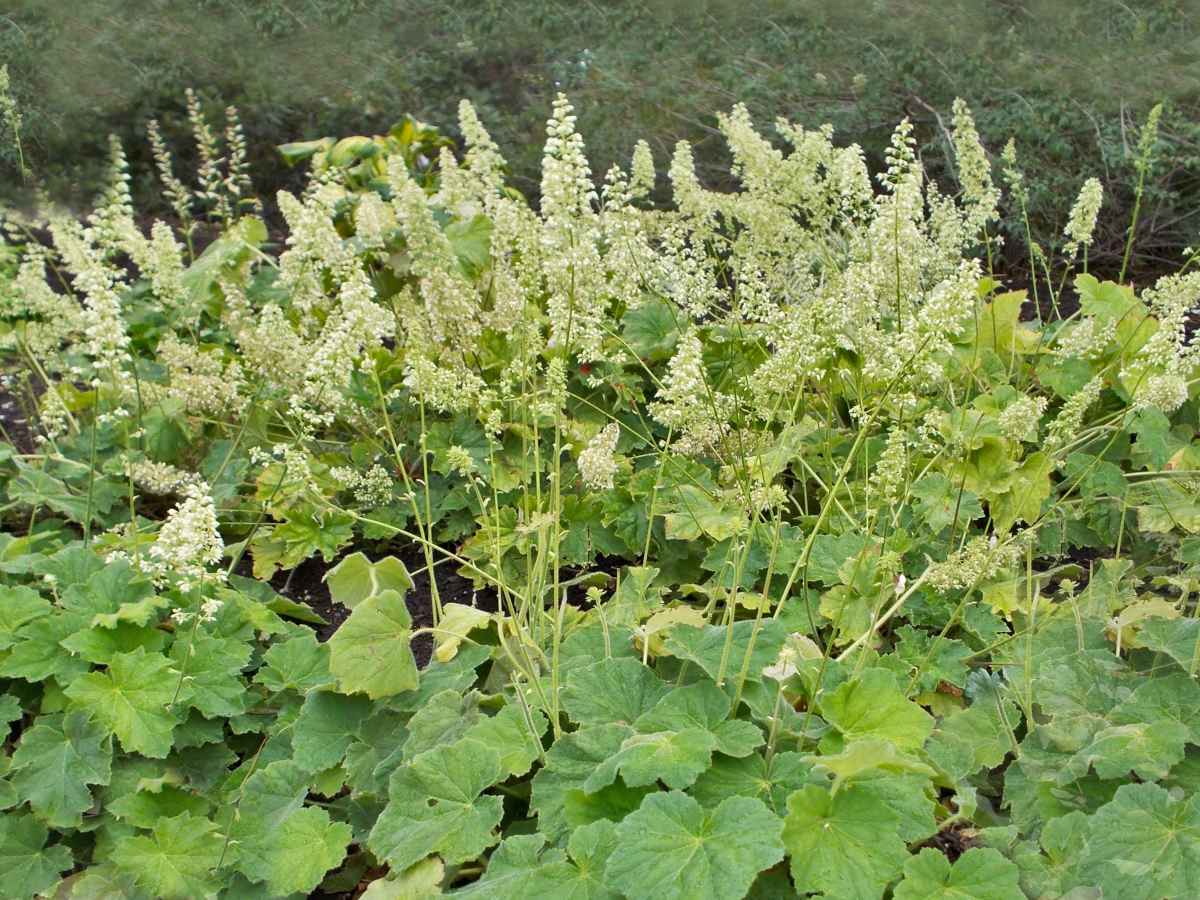
Leaves in caramel, purple, chocolate or citronella hold their colour until the first frosts, while slender spikes of tender pink to deep red flowers rise above them from late spring to midsummer. Alumroot (Heuchera) earns its place in beds, along edges and in pot arrangements; give it cool, well-drained soil in light shade and it asks for almost nothing else.
| Name | Heuchera |
|---|---|
| Family | Saxifragaceae |
| Type | flower, perennial |
| Height | 24 to 32 inches (60 to 80 cm) |
| Exposure | full sun or part sun |
| Soil | ordinary |
| Flowering | late spring to midsummer |
Caring for this plant, from planting to pruning at the end of winter, should ensure proper development.
It’s all the same whether alumroot is planted in spring or fall.

Propagate through rhizome division in spring or in fall, ideally every 3 years.
The Heuchera is the perfect plant to garnish your pot arrangements, containers and garden boxes. Since it is available in all hues ranging from pink to red, it truly embellishes arrangements with other flowers and keeps its beautiful foliage up to the first frost spells.
Alumroot asks for very little, but the few jobs it does need each fall at a set point in the year. Here is the whole cycle, from planting to the end-of-winter cut.
| Task | When | Why and how |
|---|---|---|
| Planting | Spring or autumn | Either season suits equally well; choose a partly shaded spot with cool, well-drained, rather rich soil |
| Dividing the rhizomes | Spring or autumn, every 3 years | Propagation is by rhizome division, best repeated every third year |
| Deadheading | Through flowering, late spring to midsummer | Take off wilted flowers regularly |
| Cutting back the clump | Late winter | Encourages a flush of new leaves |
| Watering | First year after planting; all summer in pots | Settled plants cope well with drought, but potted ones dry out fast |
Once the plant is properly settled in, the list shortens to deadheading and the late-winter cut.
Remove wilted flowers regularly (deadheading).
Cut back the clump at the end of winter in order to promote sprouting of new leaves.
Watering is recommended during the year of planting, but alumroot copes quite well with drought once it is properly settled in.
If in pots, a good counsel is to water regularly in summer to avoid having the plant desiccate.
A very fashionable plant in the days of our grand-parents who used it to decorate their gardens, alumroot is now making a comeback thanks the appearance of new varieties boasting very ornamental leafage, aside from the ease of its care.

The blooming ranges from tender pink to deep red (Heuchera mircantha), this depends on the variety.
The growing is quite easy and doesn’t require any special care.
The many different varieties of Heuchera all boast equally amazing leafage: ‘Caramel’, purple, chocolate, citronella or tiramisu.
Its hardiness makes it insensitive to disease, and it thus never requires any treatment.