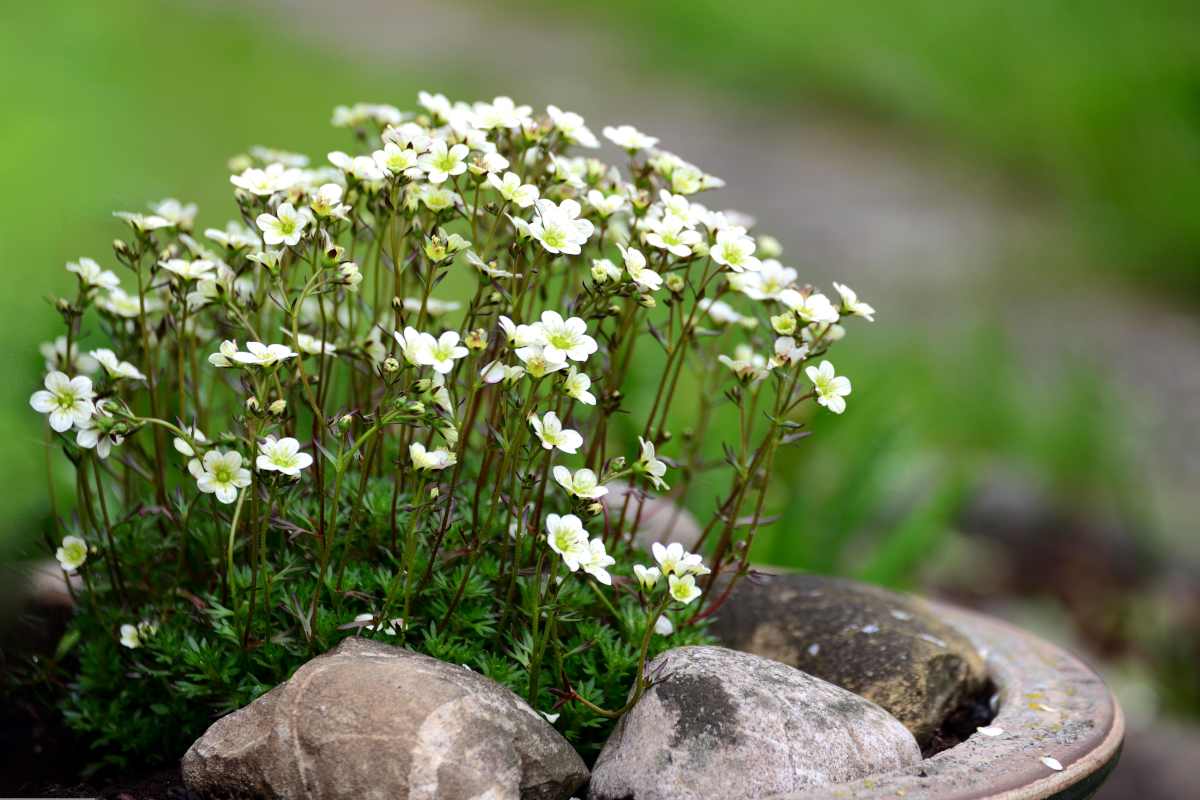
Low mounds of fresh green leaves send up elegant, tall white flowers above the stones they creep between: saxifrage (Saxifraga) is a very hardy little perennial for rock gardens, old walls, edges and garden boxes. Give it sun that isn’t too hot, or light shade, and it asks for almost no care.
Saxifrage at a glance
Name
Saxifraga
Family
Saxifragaceae
Type
perennial
Height
4 to 12 inches (10 to 30 cm)
Exposure
full sun and part sun depending on variety
Soil
ordinary
Flowering
February to August depending on variety
Along edges, as ground cover or to the side of a perennial flower bed, it will look magnificent.
Planting saxifrage
Saxifrage loves to meander among rocks and stones
Saxifrage is a beautiful very hardy herbaceous flower that loves to meander among rocks and stones.
Rocky ground and old walls is the setting it likes best.
Saxifrage loves sun but will thrive most if the sun isn’t too hot. Light shade is great, too.
Favor planting in fall in garden soil amended with soil mix.
You can nonetheless plant up until spring, but ensure regular watering at the beginning.
Plant cushion and encrusted alpine saxifrages on a free-draining slope, raised pocket or gritty bed, since winter wet around the crown kills them more readily than cold; mossy and bog species prefer steadier moisture.
Set the rosette so its crown sits level with the soil surface, never buried, then slip coarse grit or stone chippings under the mound to keep the leaves off damp earth.
To establish saxifrage in an old wall, tuck a small rooted offset or division, rather than a whole root ball, into a crevice packed with gritty soil, wedging a small stone over the pocket and watering until established.
Moss saxifrage, Saxifraga x arendsii, browns and dies back in hot dry positions, so give it a cooler spot with soil that stays slightly moist rather than a baking south-facing rock.
Pruning saxifrage
It doesn’t need any pruning. Deadheading won’t trigger new blooming, but it will return the mound to a nicer, tidier look.
Leave evergreen saxifrages, such as the mossy and encrusted (silver) kinds, uncutthrough winter: their rosettes stay green, so shearing the foliage removes the plant’s own cover without any gain in flowers.
On encrusted saxifrages such as Saxifraga paniculata, the rosette that has flowered dies afterwards, so pull it away by hand to let the surrounding offsets spread into the gap.
Moss saxifrages like Saxifraga x arendsii often go brown and bare in the middle of the cushion after a hot dry spell; clip out the dead patch and top-dress with gritty compost so neighbouring shoots root over it.
Three saxifrage varieties compared
Saxifrage covers many varieties with very different colours and habits. Here are three named in this article and what sets them apart.
Three saxifrage varieties compared
Variety
Botanical name
Flowers and foliage
Where it shines
‘Dovedale’
Saxifraga hypnoides
Flowers that carpet the ground
Ground cover
‘Touran pink’
Saxifraga x arendsii (moss saxifrage)
Pink flowers
Easy-care beds and boxes
‘London Pride’
Saxifraga umbrosa
Fresh green leaves, tall white flowers
Shaded spots
Whichever you choose, all are very easy to grow and care for.
Mossy saxifrages, including Saxifraga × arendsii hybrids and S. hypnoides, dislike hot, dry conditions and can brown out in the cushion’s centre, so give them shade from midday sun and consistently moist, well-drained soil.
If a mossy saxifrage cushion goes bare or brown in patches, snip out the dead sections and press a little gritty compost into the gap, and the surrounding rosettes will creep over and close it up.
London Pride is Saxifraga × urbium, a hybrid of S. umbrosa and S. spathularis; it spreads by rosettes on short runners, so lifting and replanting rooted outer rosettes cheaply widens a shady edge.
Pairing an early-flowering mossy saxifrage such as ‘Touran Pink’ with ‘London Pride’, whose airy sprays of pale, pink-spotted flowers open later in spring, extends the season of bloom in a rock garden or shaded edge.
Learn more about saxifrage
This hardy ground cover has been known to host innumerable colors and shapes through its many varieties, and it is very easy to grow and care for.
Rock gardens, flower beds and also garden boxes or along a wall are where it will be at its best.
One of the most famous varieties is the famous ‘Dovedale’ hypnoides variety which bears flowers that carpet the ground beautifully.
A pink-flowered variety that’s easy to care for is ‘Touran pink’, a Saxifraga hybrid called S. x arendsii (it’s also called “moss saxifrage”).
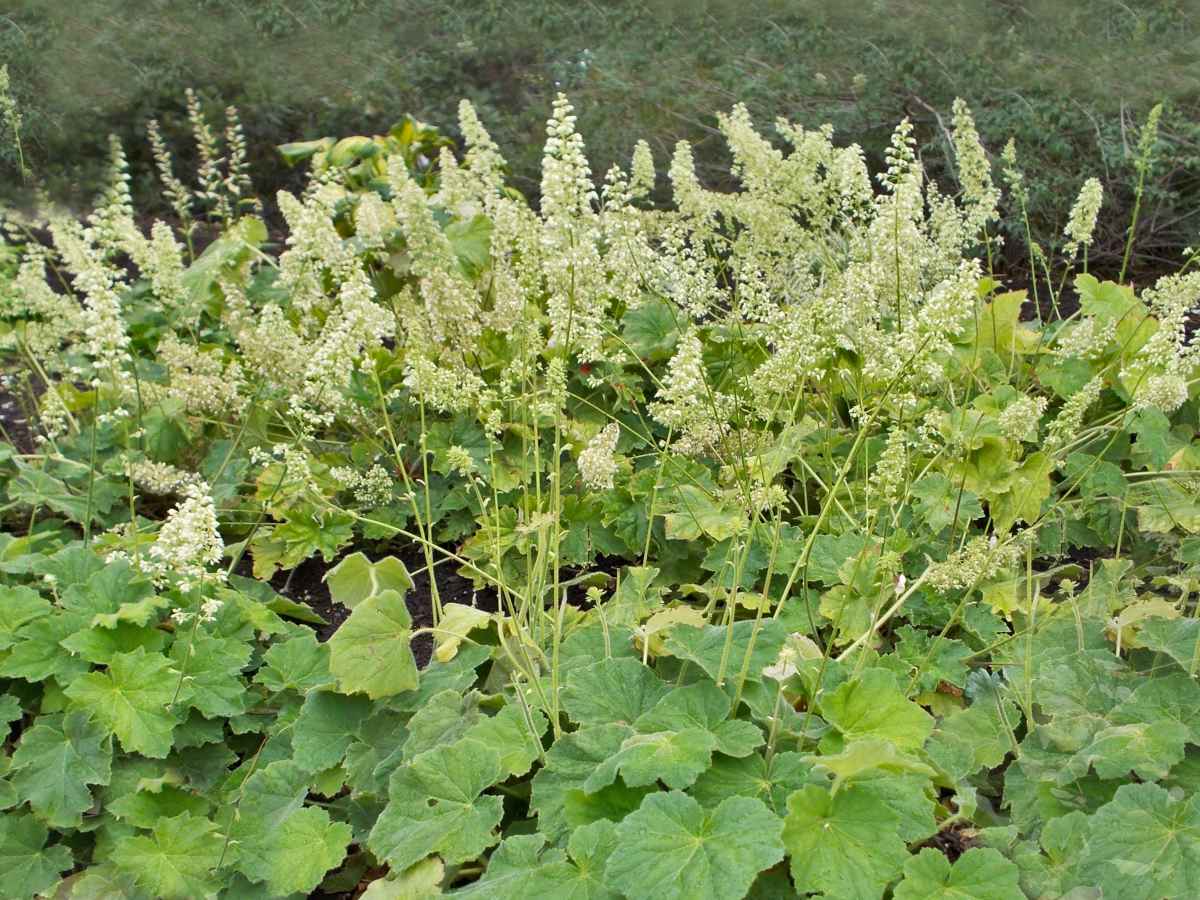
Finally, a variety with fresh green leaves and elegant, tall white flowers is the ‘London Pride’, a type of S. umbrosa saxifrage that loves shade.
Smart tip about saxifrage
Its hardiness means it only needs little care. Simply water in case of drought.