Under the trees the mower cannot reach, moss quietly takes over; elsewhere the turf dries to bare, sparse patches. Rather than fight it, hand the shade to periwinkle, hosta, lamium, fern or ivy and sow the thin spots with a flowered prairie. Match the seed and plants to your soil, and watering and mowing both shrink.
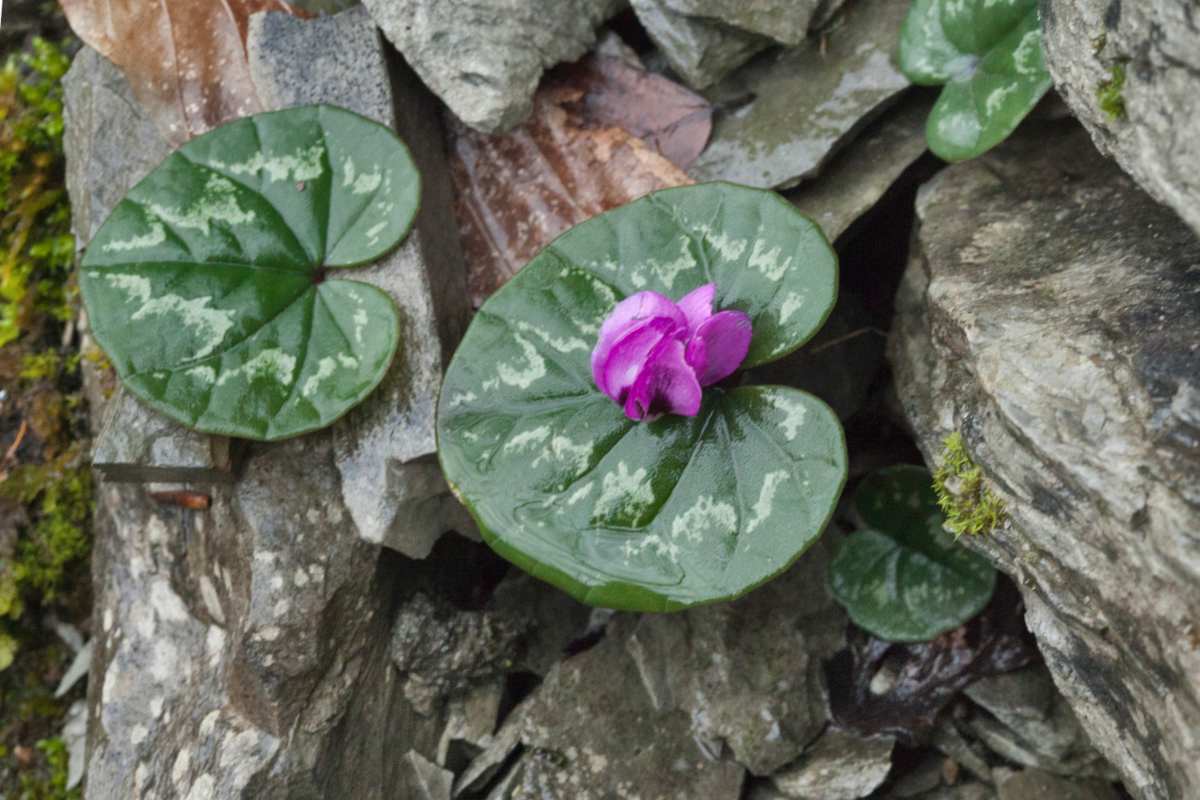
Start with those shaded under-tree spots that are harder to reach with your lawn mower and seem to grow more moss than grass. Moss killer treatments are far from always being effective. Much better to cover the ground with shade-thriving plants such as periwinkle, hosta, lamium, fern or ivy. They grow on their own and make for great scenic additions.
Each problem area of a tired lawn asks for a different eco-friendly answer. Here is what to do where, and at what point in the year.
| Patch or stage | What to do | When | What you gain |
|---|---|---|---|
| Shaded spots under trees | Cover the ground with shade-thriving plants: periwinkle, hosta, lamium, fern or ivy | — | No mowing there, and no need for moss killer |
| Sparse, dried lawn patches | Loosen the surface with a hoe, sow, then cover the seed lightly with the rake | Mid-spring, once the ground has warmed up | Less watering and mowing for the season |
| A larger area, when you want quick results | Sow the same seeds over a wider surface | Autumn | Winter helps the sprouts germinate and they withstand the following summer |
| An established flowered patch you want to extend | Run the sickle through the patch so the fallen seeds spread | Once the flowers have gone to seed | A slightly larger flowered surface each year |
| If the result does not convince you | Mow the flowered patches and sow regular lawn seeds again | Before the flowers go to seed | A conventional lawn back again |
Nothing here is irreversible, so you can try one patch before committing the whole yard.
On the sparse, dried patches of your lawn, try setting up a flowered prairie, simply sow when the ground has warmed up a bit in spring. Choose wild or botanical varieties that are adapted to your soil type.
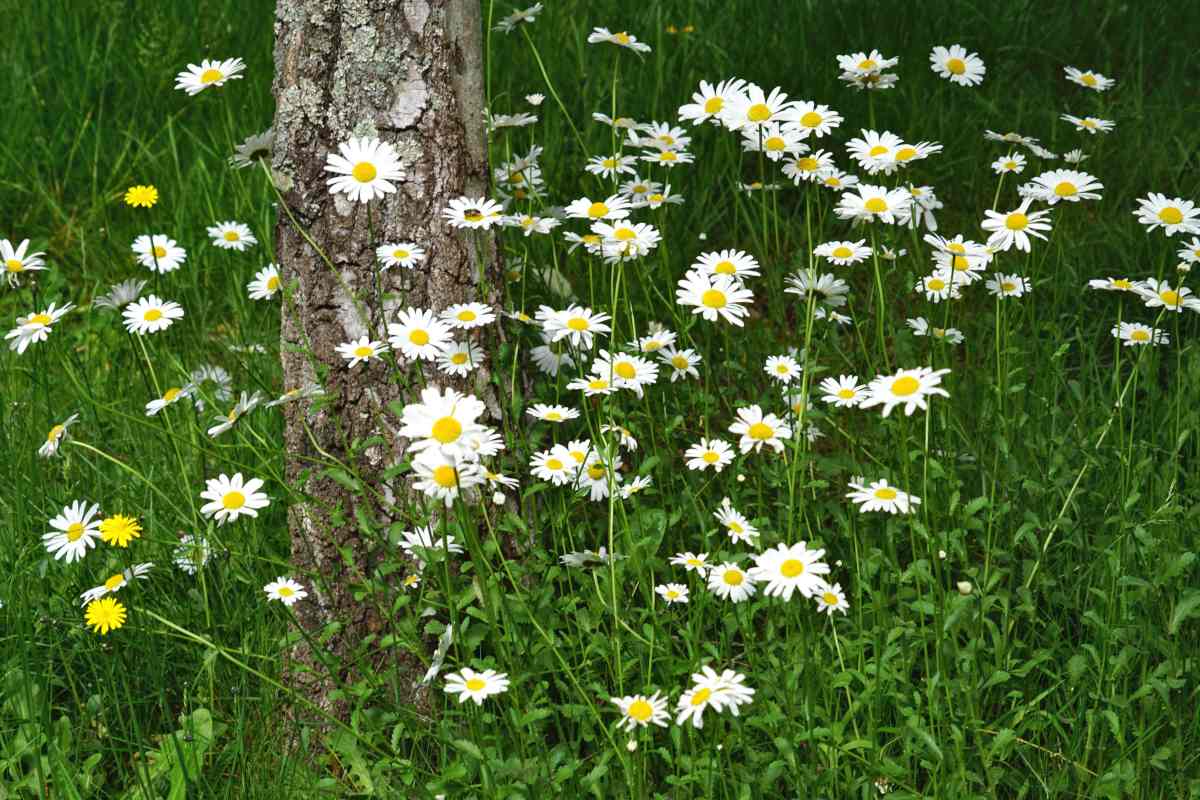
Don’t sow any grasses: simply let your lawn grow wild without watering or treating it. This will lessen the watering and mowing chores for the season for these specific dedicated spots.
If you like the result, you can switch your entire yard to this eco-friendly gardening style. When flowers have gone to seed, run the sickle through the patch and the fallen seeds will work their wonders on a slightly larger surface.
If you want quick results, take advantage of fall and sow these seeds on a larger area. Winter will help the sprouts germinate and they will withstand the following summer thanks to the added resilience.
Add in a few bulbs (snowdrop, squill, daffodil…) all the while checking which ones match your soil type. When your entire lot is a huge field of flowers, you’ll just snake your way along to mow out a walkway that will let you wallow in flowers!
If you don’t find the result very convincing, mow down the flowered patches before they go to seed and sow regular lawn seeds again!
M.-C. H.