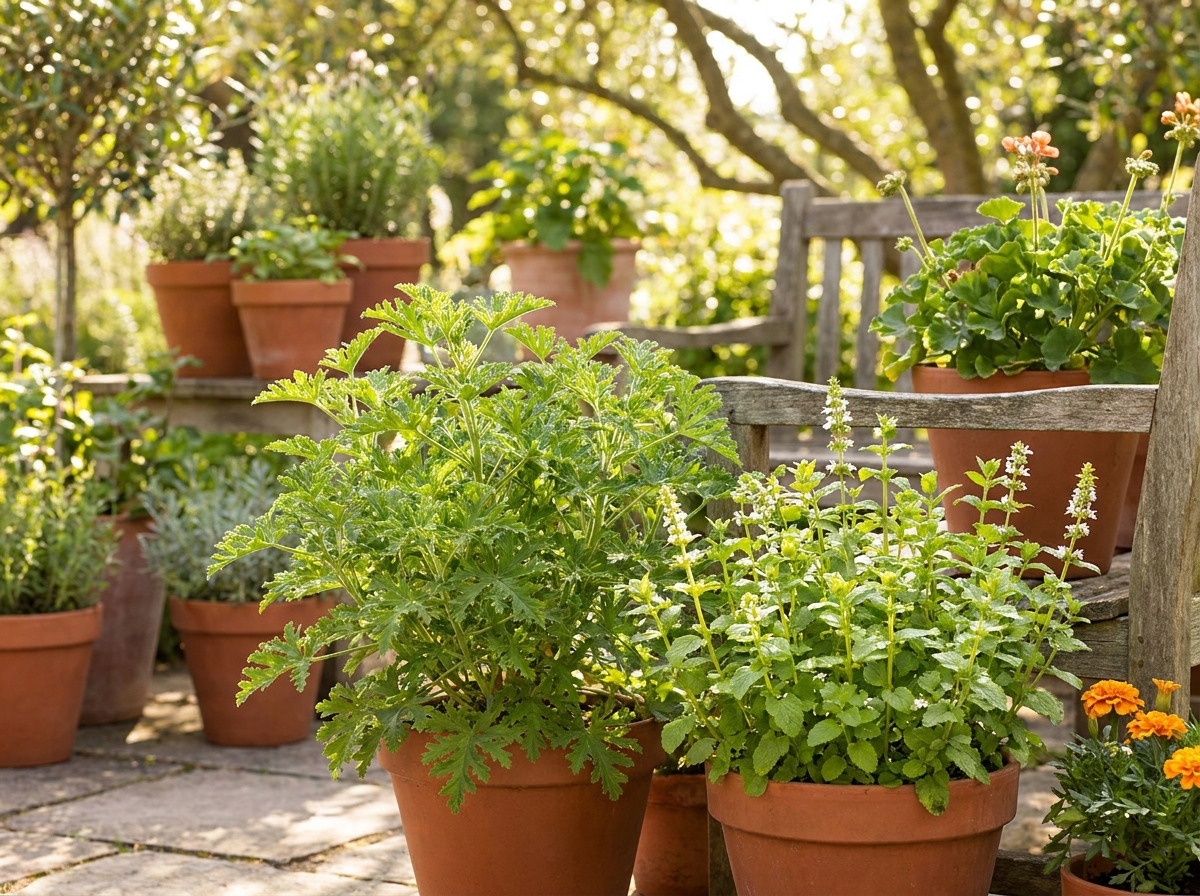
Mosquitoes do not just spoil summer evenings. With El Niño driving warmer, wetter conditions across much of the world right now, populations are spiking earlier and harder than usual. The good news: certain plants produce volatile oils that genuinely interfere with mosquitoes’ ability to find you.
Shoot up the right ones within arm’s reach of your seating area, and your garden becomes a far less welcoming place for them.
Mosquitoes navigate almost entirely by smell. Specifically, CO₂, lactic acid, and body warmth. Plants loaded with volatile oils like citronellal, linalool, and camphor throw serious interference into that system.
The scent molecules essentially mask the signals that guide mosquitoes toward human skin.
The key word here is volatile. The thing is, the oils only become active when the plant is warmed by sun, brushed by movement, or physically bruised. A lavender plant sitting untouched three metres away will do very little. But the same plant in a pot beside your chair, lightly crushed every hour or so, is genuinely effective.
That distinction — passive versus active — causes all the fuss. Many people feel these plants do not work. But they do. Bang on.
They just need proximity and contact. This is non-negotiable.
Not all “mosquito-repelling plants” are equal. These seven, however, have proper evidence behind them. And you can get all of them at garden centres across the UK, US, Canada, and Australia.
Placement beats quantity. A cluster of three pots — lemongrass, basil, and lavender — positioned within 60cm of your seating creates overlapping scent zones that compound the effect. One pot at the far end of the garden does properly nothing. It is a bit much to expect results from that. Indeed, that approach is just dodgy. You need them close.
Crush a few leaves when you sit down. That is your non-negotiable activation. Sorted.
Lemon balm leaves in particular release a sharp, citrusy smell — almost like a cross between mint and lemon sherbet — that peaks within seconds of bruising and lasts around 20–30 minutes before fading.
For balconies and small spaces, a single large pot of lemongrass plus a 30cm basil plant covers most evening scenarios. The RHS recommends lemongrass as a container plant in UK gardens, moving it inside once temperatures drop below 10°C.
Yes, you can also rub marigold petals on exposed skin for a quick, impromptu barrier. It is not glamorous. But it works. Worth it.
Citronella-scented candles and sprays use synthetic citronellal, not the plant itself. The living citronella plant sold in garden centres is often actually Pelargonium citrosum, a scented geranium with modest and inconsistent repellent activity. Do not expect it to perform like lemongrass. It will not.
Standing water within 5 metres of your seating is a far bigger issue than any plant can solve. A single stagnant pot saucer can host a breeding cycle in as little as 7 days. Pull off every saucer, bucket, and blocked gutter within range — then let your plants do the rest.
If your garden is also dealing with pest pressure on plants this summer, red spider mites are exploding this summer and need a different response entirely.
Southern Hemisphere gardeners: this applies to your December and January — start planning your pots now so plants are established by the time your mosquito season peaks.
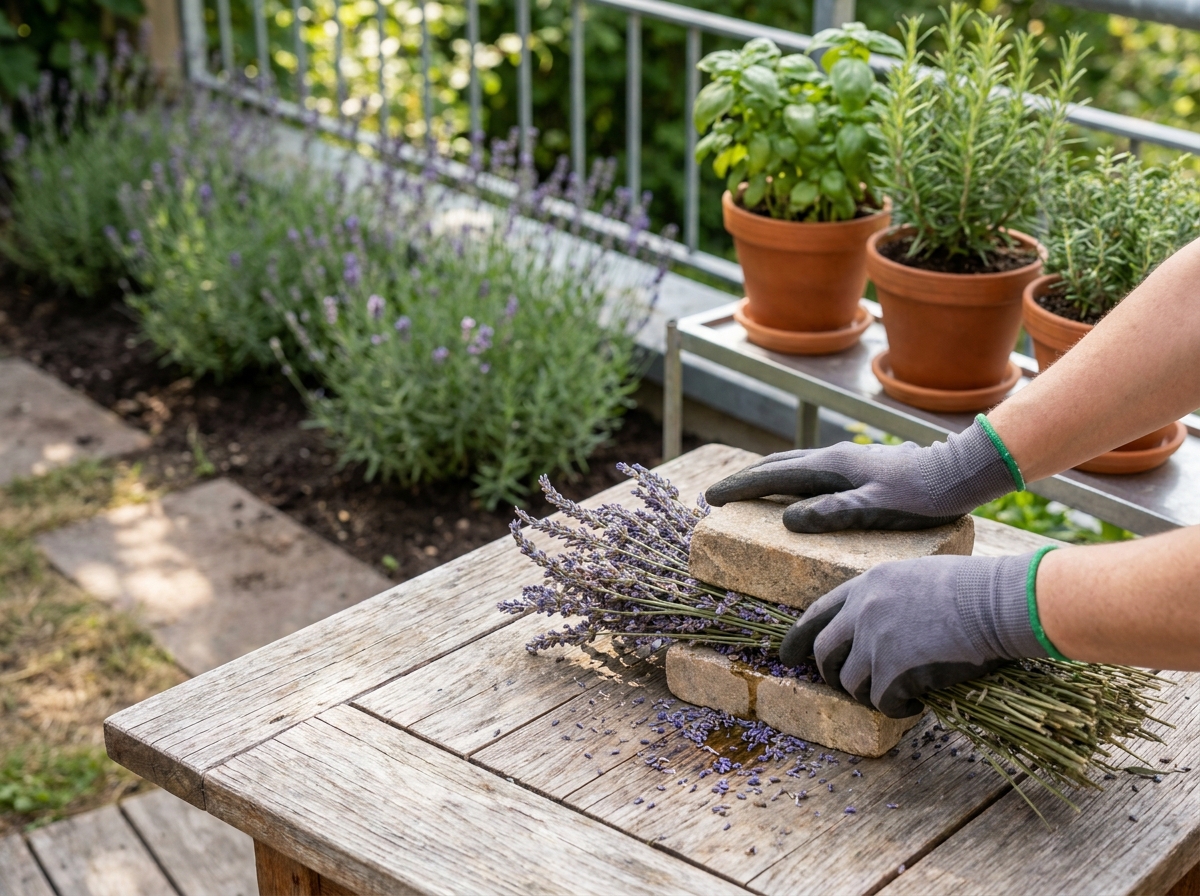
Smart tip: Crush leaves every 45–60 minutes when sitting outside — that is when repellent oils peak. This is a proper game-changer.
They work — but only when used actively. Plants need to be within 60cm of you, and leaves should be bruised regularly to release volatile oils. Passive planting at a distance produces almost no effect. It is simply not quite right. Do not bother with it.
Catnip (Nepeta cataria) shows the strongest lab results, but lemongrass is the most practical for garden use — it is larger, more robust, and releases oils continuously in warm weather.
Lemon balm and marigold are both skin-safe for most people and provide around 20–30 minutes of protection when rubbed on exposed areas. Do a small patch test first if you have sensitive skin.
Three to five plants in a tight cluster near your seating is more effective than ten spread around the garden. Concentration of scent is what creates a deterrent zone, not total plant count.