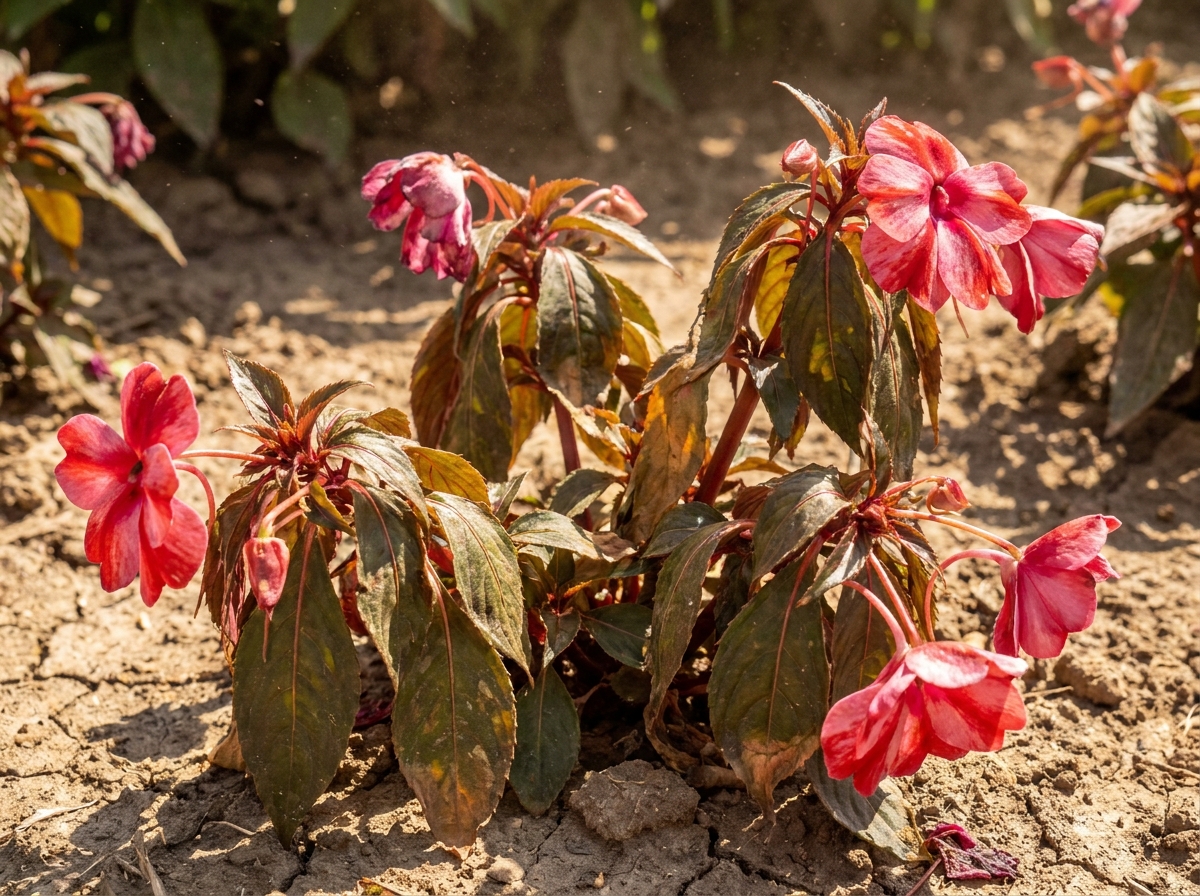
SunPatiens suddenly drooping on a hot afternoon does not always signal what you imagine. Sometimes the soil is bone dry.
Sometimes it is soaking wet. But the plant might also be responding fiercely to a sudden heat spike, a situation that would challenge almost any garden specimen.
The remedy is completely different depending on which scenario you are facing. Doing the wrong thing makes it worse, and quickly.
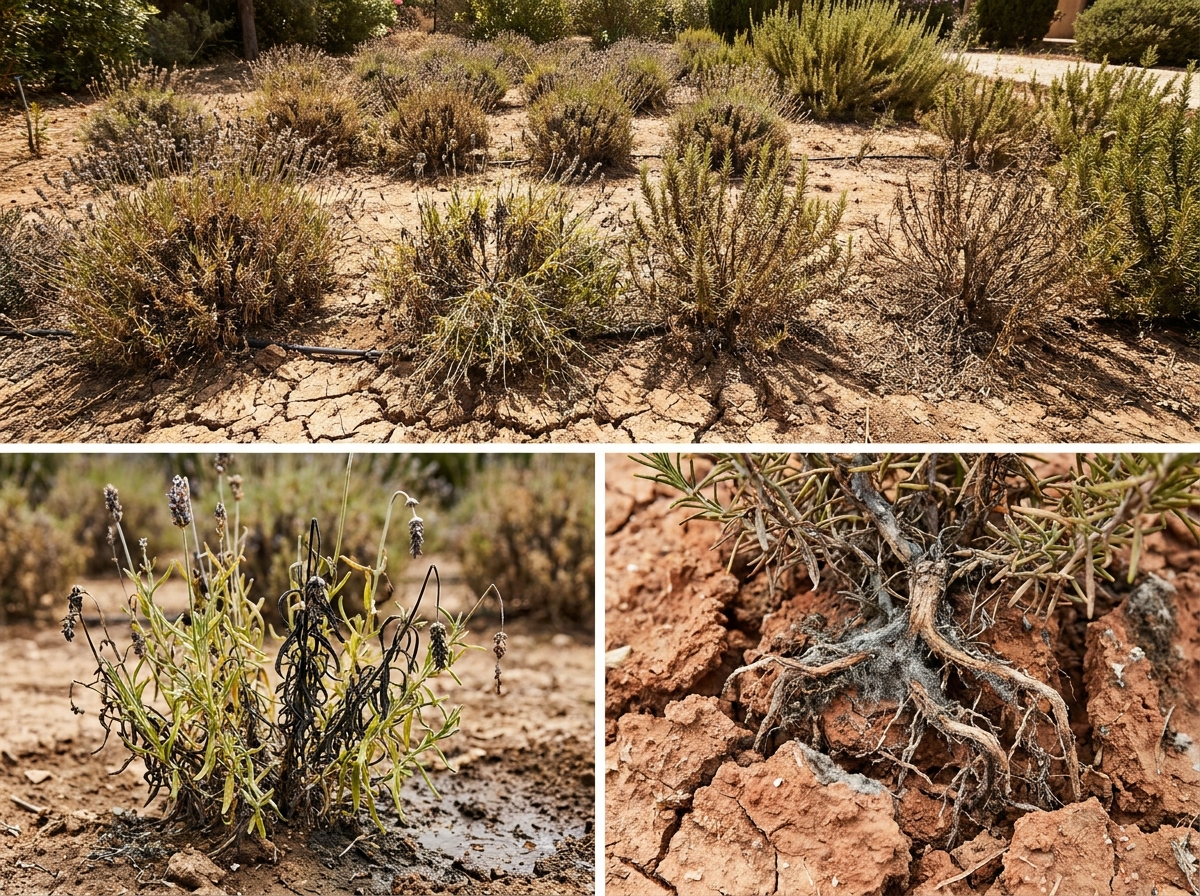
There are three distinct triggers, and they look almost identical from above. The first is uncomplicated drought: the soil has dried out completely, the roots cannot pull up water, and the plant collapses. The second is the exact opposite — overwatered or waterlogged soil suffocates roots, which then cannot function even in saturated conditions. The third is pure heat stress: the air temperature surges beyond 35–38°C (95–100°F), and transpiration eclipses water uptake, even in properly moist soil.
Before you reach for the watering can, push a finger 5cm (2 inches) into the soil. Dry and powdery?
Water immediately. Wet and compacted, or with a sour smell?
Stop watering — you are facing a root dilemma. Moist but not wet, and the wilting materialised between noon and 3pm?
That is heat stress. So, each path demands its own response.
Containers are the high-risk zone. A small pot in full sun on a paved patio can see root-zone temperatures of 45°C (113°F) — well above what any impatiens hybrid endures comfortably without wilting.
One afternoon of mild wilting followed by overnight recovery is standard and harmless. The plant rehydrates by morning, looks fresh, and carries on.
But repeat wilting over three or more consecutive days is a different story.
Chronic heat stress induces cell damage in the stems, bud drop, and eventually dieback starting at the tips. And if the underlying cause is root rot rather than drought, every day you wait allows the rot to spread deeper into the root system.
By the time the leaves turn yellow and stems go mushy at the base, you have lost most of the plant. Root rot progresses quickly — visibly worse within five to seven days in warm soil. It is a dodgy situation if you spot this.
Ignore the midday wilt once. Do not ignore it twice.
For drought-wilted SunPatiens, water deeply and slowly at soil level — not a hasty drizzle. Set a slow trickle for twenty minutes, so that the water properly penetrates, rather than runs off dry compost. If the pot is small enough, submerge it in a bucket of water for fifteen minutes until bubbles stop rising. Move containers out of direct afternoon sun immediately.
For heat stress in moist soil:
For suspected root rot, unpot the plant gently. Pull off any black or mushy roots with clean scissors. Yes, it is fiddly, but absolutely worth it. Dust the cut ends with powdered cinnamon (a natural antifungal), and repot into fresh, well-draining compost. Let the soil dry slightly between waterings going forward. The RHS guidance on root rots confirms that improving drainage is a non-negotiable for long-term recovery.
Wilting is the loudest distress signal, but SunPatiens send quieter ones first. Yellow leaves appearing on lower stems usually indicate overwatering has been underway for longer than you had realised. Pale, washed-out leaf colour in full sun hints at nutrient depletion — feed with a balanced liquid fertiliser every fortnight through summer. According to University of Maryland Extension, impatiens hybrids in containers deplete available nutrients within six to eight weeks of initial planting.
Watch for:
Southern Hemisphere gardeners: this applies to your December and January, when your midsummer heat peaks.
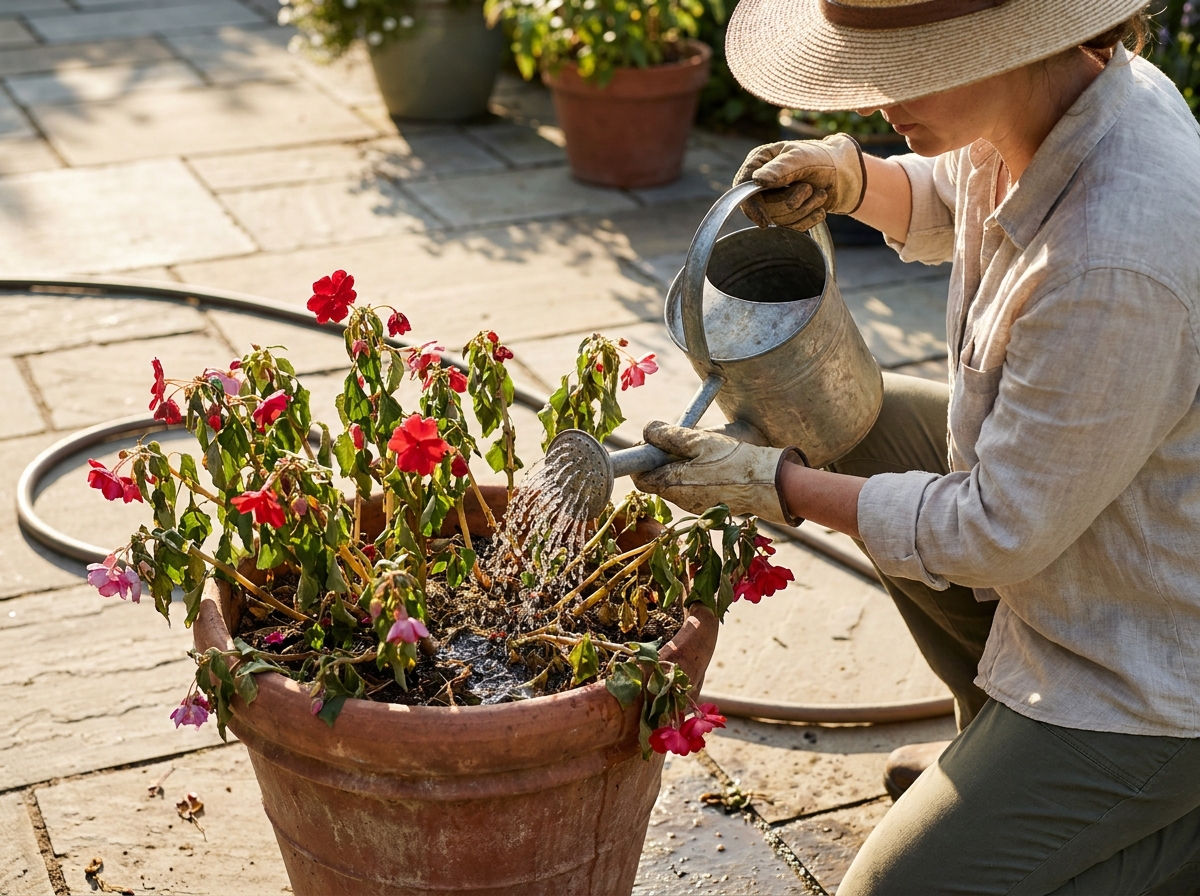
Smart tip: Always check soil moisture before watering a wilted SunPatiens — wet soil and dry soil trigger identical symptoms from above.
Yes, if the cause was drought or temporary heat stress and you act within a few hours. Plants wilted for more than twenty-four hours without intervention often suffer permanent stem damage and may not recover their original shape.
Containers in full sun typically demand watering once daily in temperatures above 30°C (86°F) — always check the top three cm of soil first. In-ground plants demand deep watering every two to three days in dry spells.
They tolerate more sun than standard impatiens, but afternoon shade above 35°C (95°F) deters heat stress wilting. Morning sun with protection from one pm onward is the prime placement during heatwaves.
Wet soil wilt indicates root rot or compacted, airless compost — roots drown and cease function. Repot into fresh, gritty compost and reduce watering frequency immediately.