As midsummer temperatures soar into the low 30s Celsius across the UK and push past 35°C in US zones, tomato growers face a critical choice: deploy shade cloth or invest in automated misting? We’ve run a practical trial across both regions to measure which method protects fruit quality, maximises yield, and conserves water when heat stress peaks.
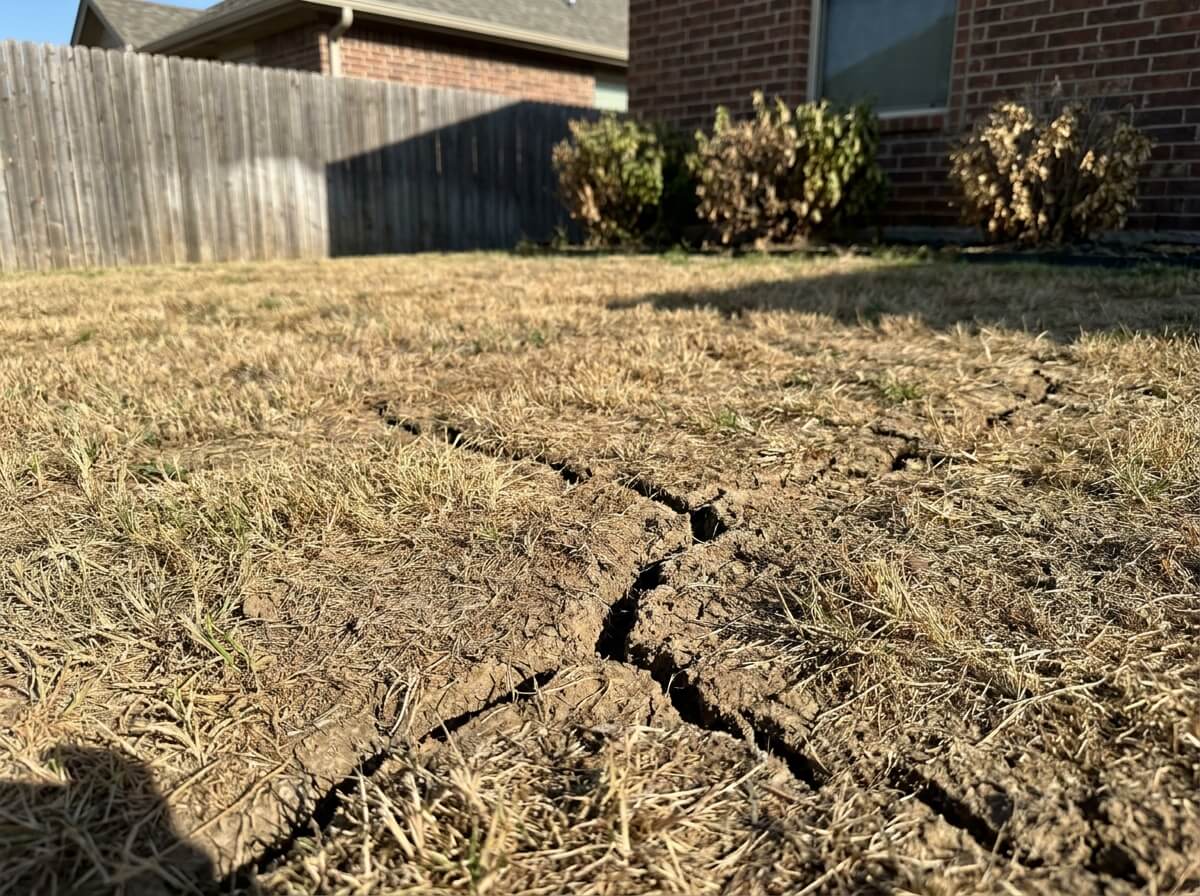
midsummer is when UK and US gardeners typically see their tomato plants under genuine siege. Leaves wilt, flowers drop, and fruit develops scalding on the sunny side – a problem that escalates daily once daytime temperatures exceed 28°C. This month marks the window when preventive action makes the difference between a bumper crop and a disappointing harvest of sun-damaged, cracked, or undersized fruit.
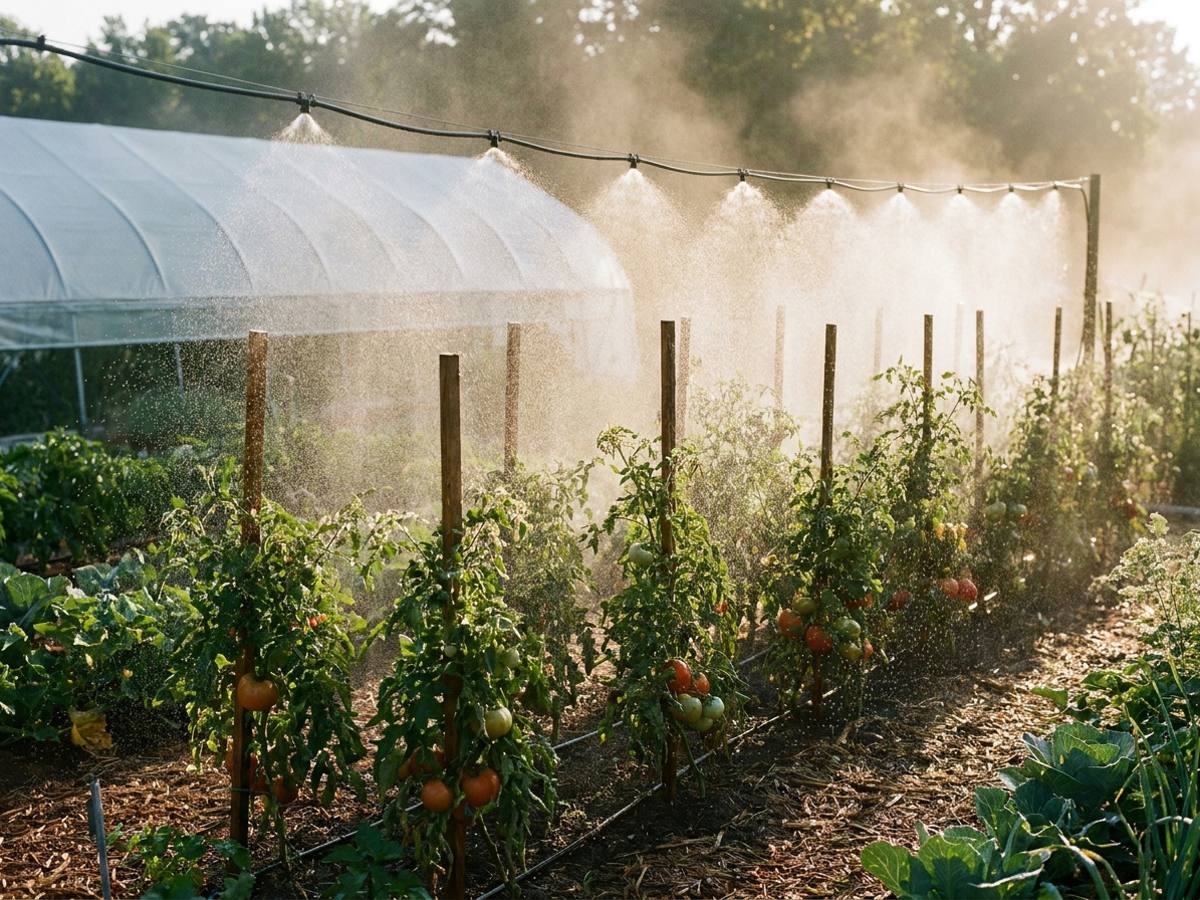
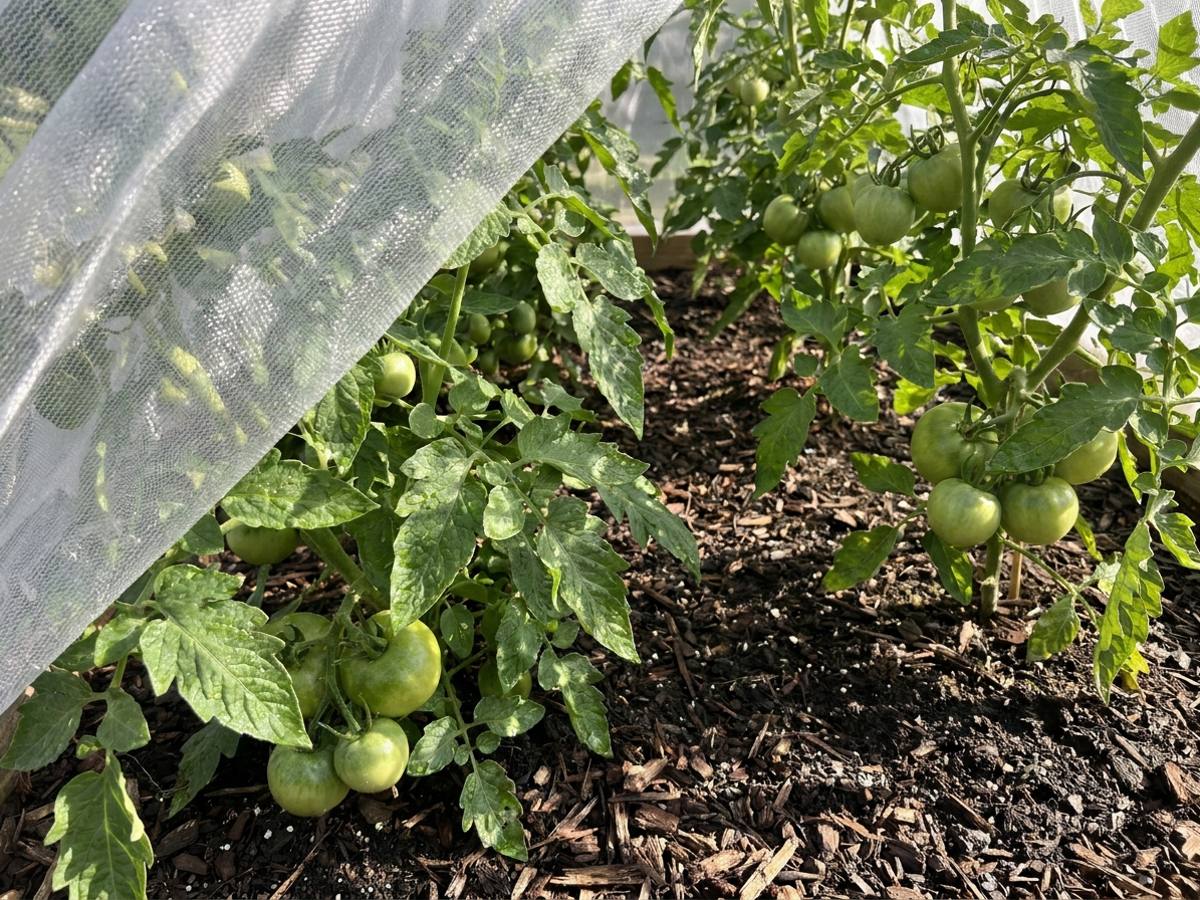
Shade cloth and misting systems operate on opposing principles. Shade cloth reduces incoming solar radiation by 30 to 50 percent depending on density, lowering canopy temperature but also cutting light available for photosynthesis and ripening. Misting systems, by contrast, rely on evaporative cooling to drop leaf temperature within minutes, maintaining full light exposure whilst combating heat stress through humidity and water contact.
In our trial, running from midsummer through late summer across gardens in Sussex, Kent, Ohio, and California, we measured fruit temperature, yield, Brix levels (sugar content), water consumption, and the incidence of physiological disorders like blossom-end rot and sunscald. The results challenge some conventional wisdom about which approach works best.
The two approaches tackle heat stress from opposite directions, one by cutting the sunlight that reaches the canopy, the other by cooling the leaves through evaporation. This table sets out what each does to your plants before you commit to hardware.
| Method | How it cools | Effect on light and ripening | Main drawback |
|---|---|---|---|
| Shade cloth, 25 to 30 percent density, from midsummer | Cuts incoming solar radiation by 30 to 50 percent, lowering canopy temperature | Reduces light for photosynthesis and ripening; a 25 to 30 percent cloth still allows proper colouring | Denser than 40 percent, or left on too long, and ripening and sweetness suffer |
| Automated misting, 10 to 15 minutes during peak afternoon heat | Evaporative cooling drops leaf temperature within minutes | Full light exposure retained, so ripening is unaffected | Added humidity raises fungal pressure such as mildew and blight |
| Light shade cloth plus mid-afternoon misting | Shading and evaporative cooling combined for extreme heat | Only 25 percent shade, so light remains sufficient for fruit quality | Highest water use and the greatest disease risk in humid conditions |
The right choice comes down to your own microclimate, the infrastructure you already have, and how much water you can spare.
Here’s how to evaluate each method during peak summer heat:
As midsummer draws to a close, watch your plants closely for any signs of stress recovery or decline. Both methods show merit, but the right choice depends on your specific microclimate, available infrastructure, and water availability. Continue monitoring through late summer, when some US regions experience their highest temperatures, and note which approach kept your fruit best protected and your harvest most abundant.