Bone-dry soil does not mean settling for a scorched, lifeless garden. Many shrubs, perennials, climbers, grasses and herbs naturally tolerate long periods without rain once their roots are established. Choosing drought-resistant plants helps reduce watering while keeping flower beds, borders, terraces and rock gardens attractive throughout summer.
Shrubs provide structure, height and year-round interest in dry gardens. Once established, Mexican orange and bougainvillea can withstand dry spells, although their hardiness and growing conditions differ considerably.
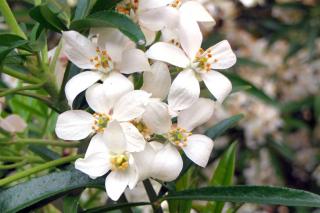
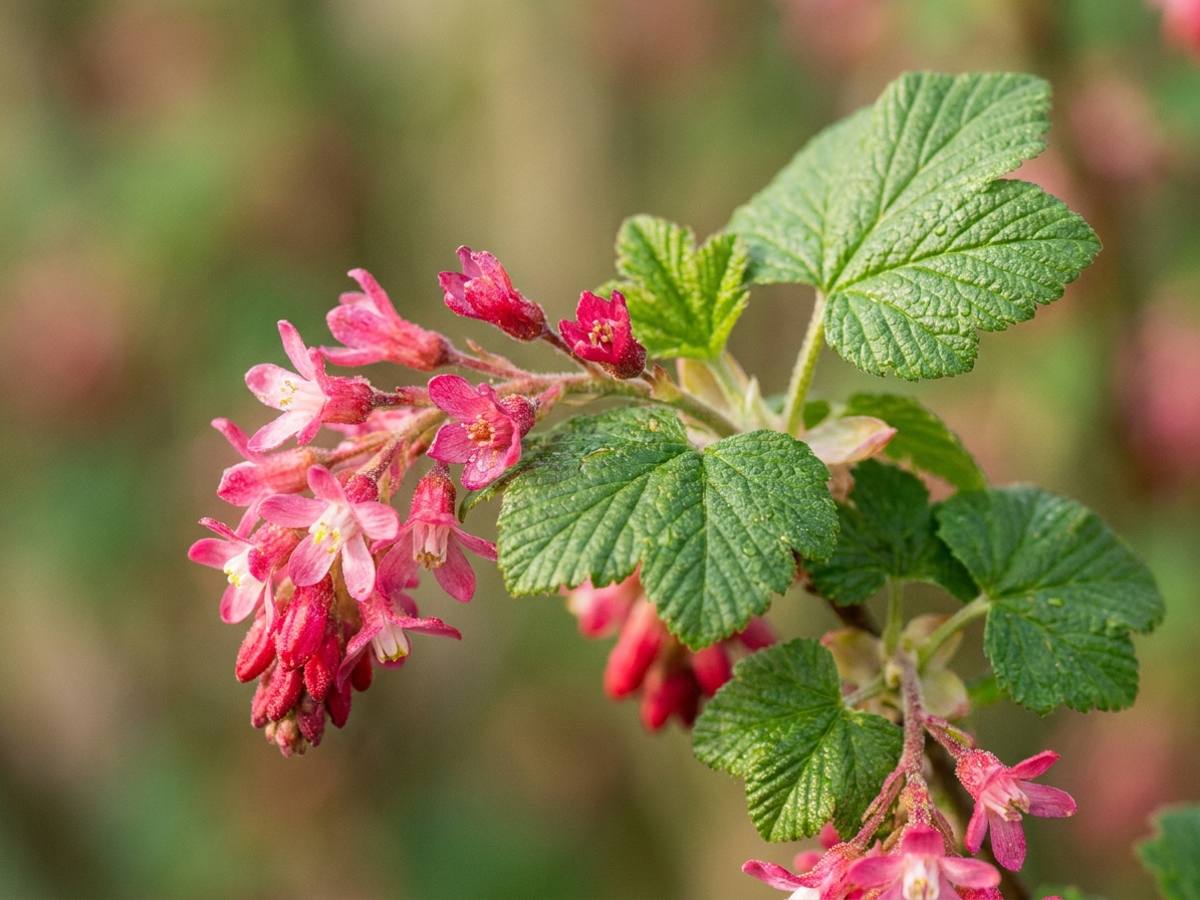
Mexican orange forms a rounded, fragrant evergreen shrub
Mexican orange tolerates temporary drought once established, but appreciates occasional deep watering during prolonged summer heat. Shelter it from cold, drying winds in cooler regions.
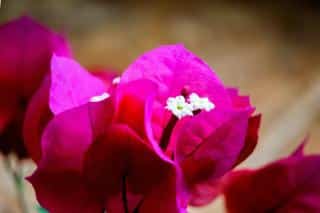
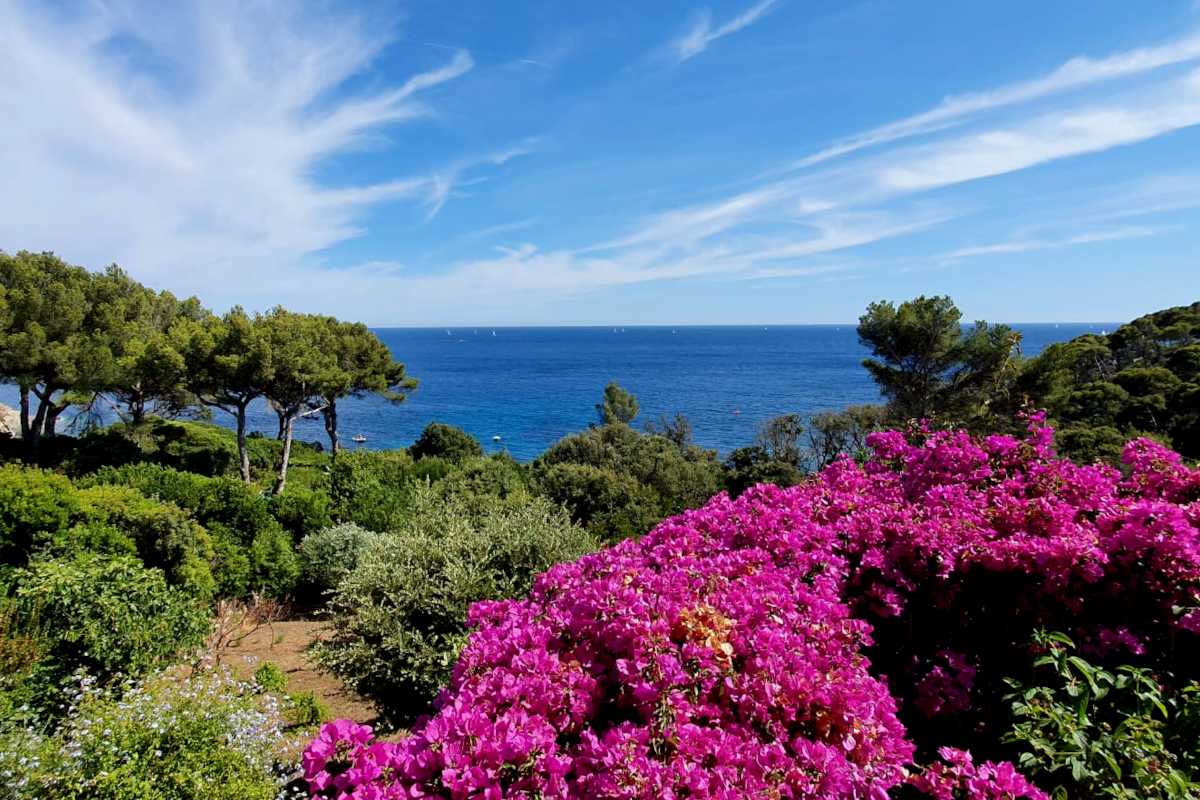
Bougainvillea blooms best in warm, sunny conditions
Each of these plants copes with long dry spells once its roots are down, but they differ in habit, in the light they need and in when they flower. Use the table to match a plant to the spot you have in mind.
| Plant | Type | Exposure | Flowering season | Best for |
|---|---|---|---|---|
| Mexican orange (Choisya ternata) | Evergreen shrub | Full sun or partial shade | Mid to late spring, often again in autumn | Fragrant evergreen structure |
| Bougainvillea ‘Violet de Mèze’ | Shrub for warm walls | Full sun, against a warm wall | Late spring to early autumn | Long violet display in mild areas |
| Acanthus mollis | Perennial | Sun or partial shade | Early to late summer | Height and architectural leaves |
| White wormwood ‘Canescens’ | Perennial | Full sun | Early to mid-autumn | Silver cushions in poor stony soil |
| Trumpet vine ‘Atropurpurea’ | Climber | Full sun | Midsummer to early autumn | Covering a bare wall quickly |
| Clematis ‘Baby Star’ | Compact climber | Sun or partial shade | Late spring to early summer, sometimes again in late summer | Pots and small spaces |
| Blue fescue ‘Intense Blue’ | Ornamental grass | Full sun | Early to midsummer | Rock, border and gravel gardens |
| Pink muhly grass | Ornamental grass | Full sun | Early to late autumn | Airy pink autumn haze |
| Golden lemon thyme ‘Aureus’ | Culinary herb | Full sun | Mid to late summer | Edging and kitchen picking |
| Rosemary (Salvia rosmarinus) | Culinary herb | Full sun | Mainly spring, sometimes again in autumn | Herb beds and sunny borders |
Whatever you choose, free-draining soil matters more than rich soil, and the first growing season still calls for regular watering.
Drought-resistant perennials return every year and require little maintenance once settled. Acanthus creates dramatic height, while white wormwood brightens borders with silvery foliage.
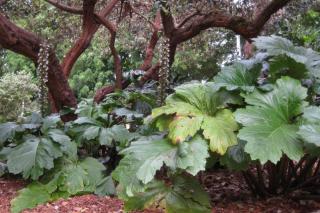
Acanthus produces imposing flower spikes in summer
Acanthus becomes drought tolerant after establishment. In very dry climates, partial afternoon shade prevents its broad leaves from scorching.
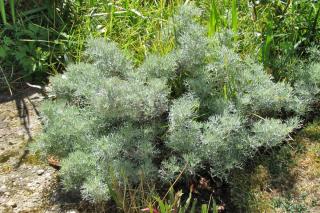
White wormwood lights up dry borders with silver foliage
A sunny wall increases heat and dryness, but several climbers thrive in these demanding conditions. Trumpet vine is vigorous and spectacular, whereas compact clematis varieties are easier to manage in containers.
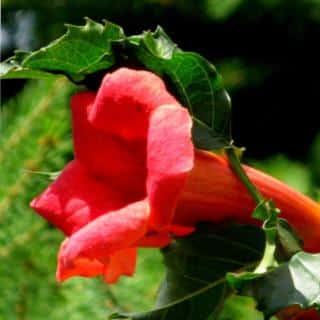
Trumpet vine rapidly covers walls and sturdy supports
Trumpet vine is vigorous and may produce suckers. Plant it where its growth can be controlled and provide a strong support.
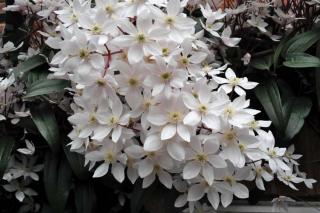
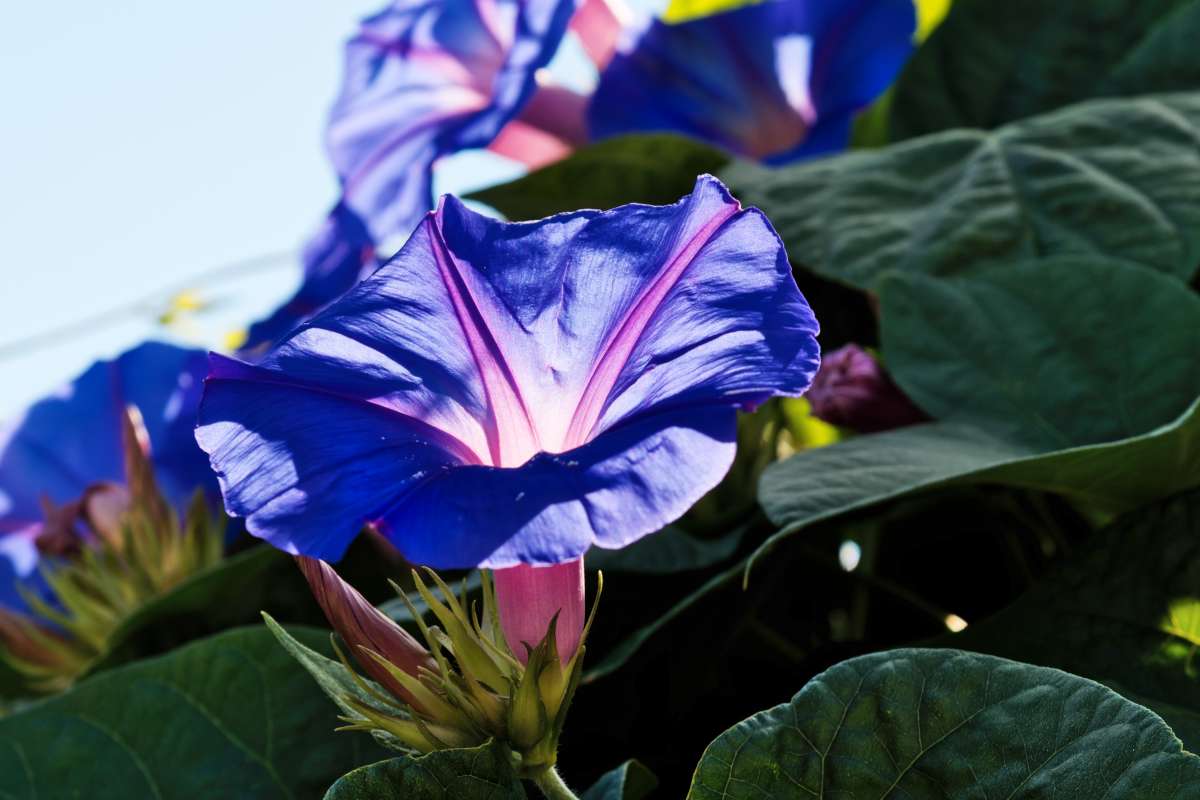
‘Baby Star’ clematis is suitable for pots and small spaces
Ornamental grasses add movement, texture and modern style while requiring little care. Blue fescue suits poor, stony soil, while pink muhly grass creates a spectacular haze in fall.
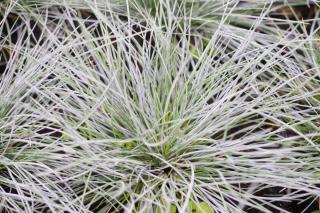
Blue fescue forms compact metallic-blue clumps
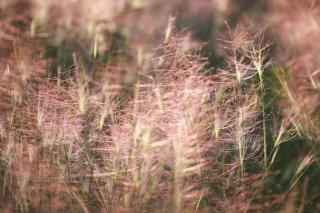
Pink muhly grass creates a delicate cloud of flowers
Many Mediterranean herbs develop their strongest aroma in sunny, relatively dry soil. Thyme and rosemary are ideal for gravel gardens, raised beds and containers near the kitchen.
Key tip: Drought-tolerant does not mean that a newly planted specimen can survive without water. Regular watering is essential until roots are well established.
Thyme, rosemary, blue fescue, wormwood and many Mediterranean shrubs are excellent choices, provided the soil drains freely.
Yes, but container plants dry out faster than plants in the ground. Use a pot with drainage holes and water when the upper layer of compost has dried.
Established plants may cope without frequent watering, but a deep watering can prevent severe stress during exceptionally long or intense heatwaves.
Gravel, crushed stone and mineral mulch work particularly well around Mediterranean plants. Organic mulch is useful for shrubs and perennials that prefer slightly cooler soil.
Not always. Many plants that resist summer drought are more vulnerable to winter moisture, especially in heavy clay soil. Improving drainage is therefore essential.
Group plants with similar water needs together. This makes irrigation more efficient and prevents drought-loving species from receiving more water than they need.
Discover: