I killed my first bougainvillea in about six weeks. Repotted it the day I brought it home, watered it like I cared, moved it to a slightly shadier spot because I thought the afternoon sun looked “a bit harsh” — actually, no — it wasn’t harsh enough. It dropped every single leaf within a fortnight and never recovered. The nursery owner, when I told her, just looked at me. “You moved it, didn’t you.” Yes. Yes I did.
Bougainvillea’s Dirty Secret: It Wants to Suffer (A Little)
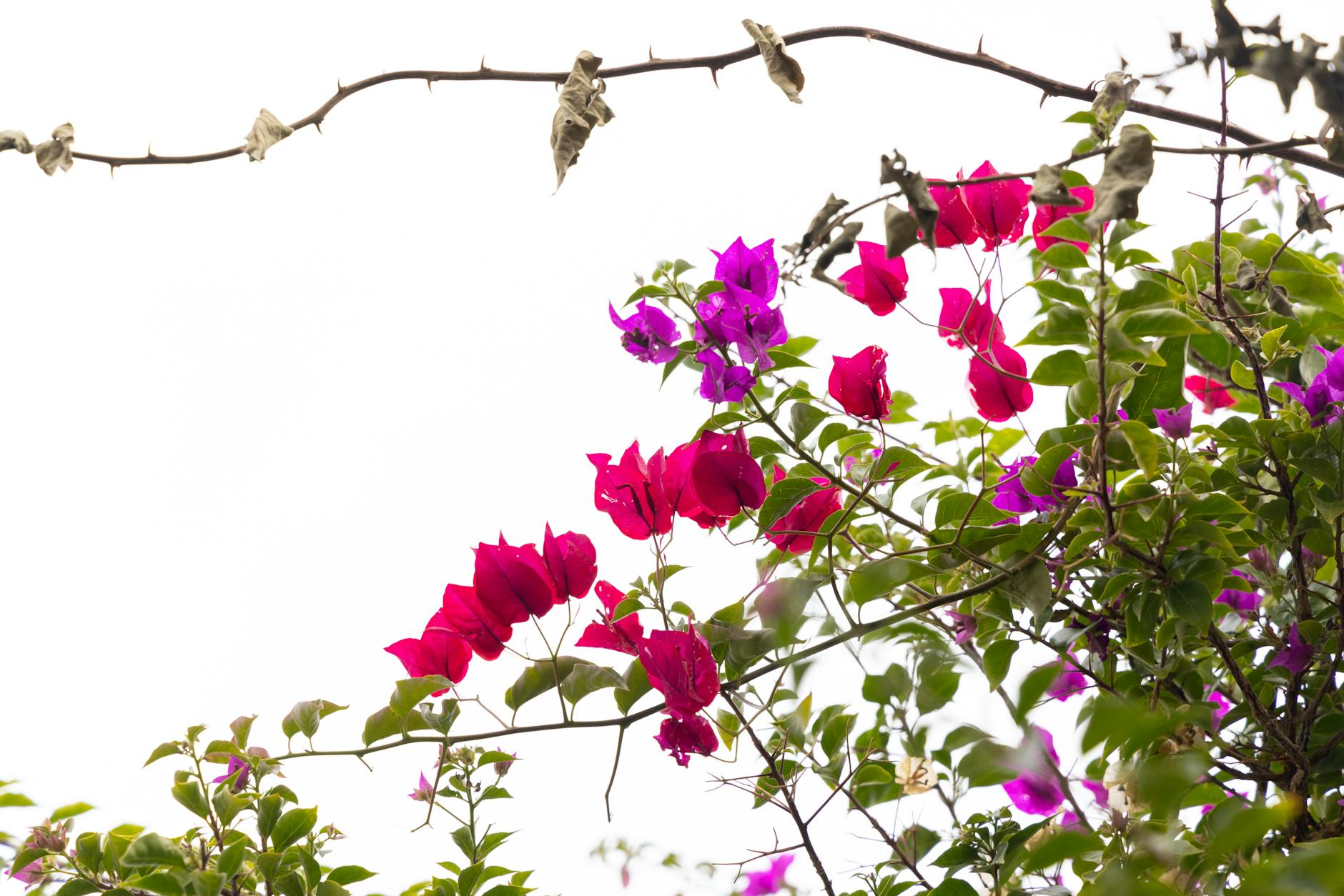
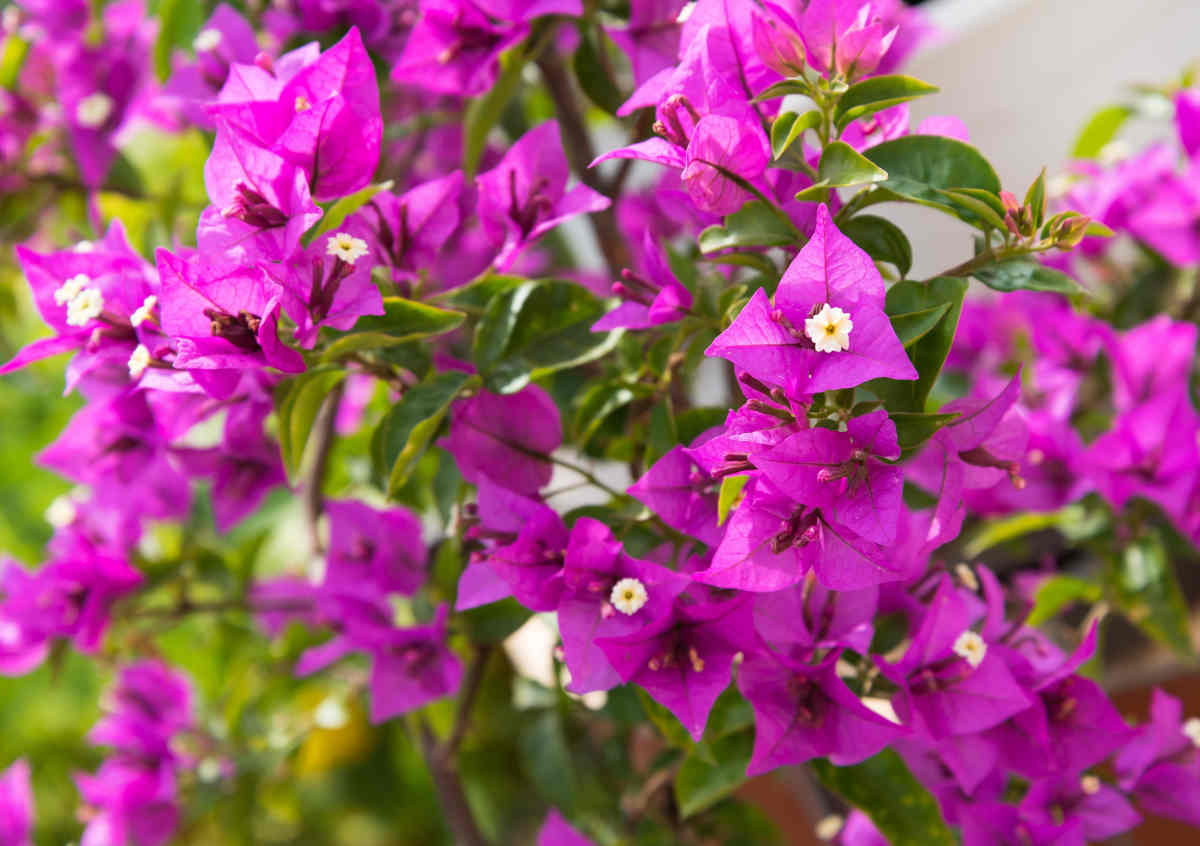
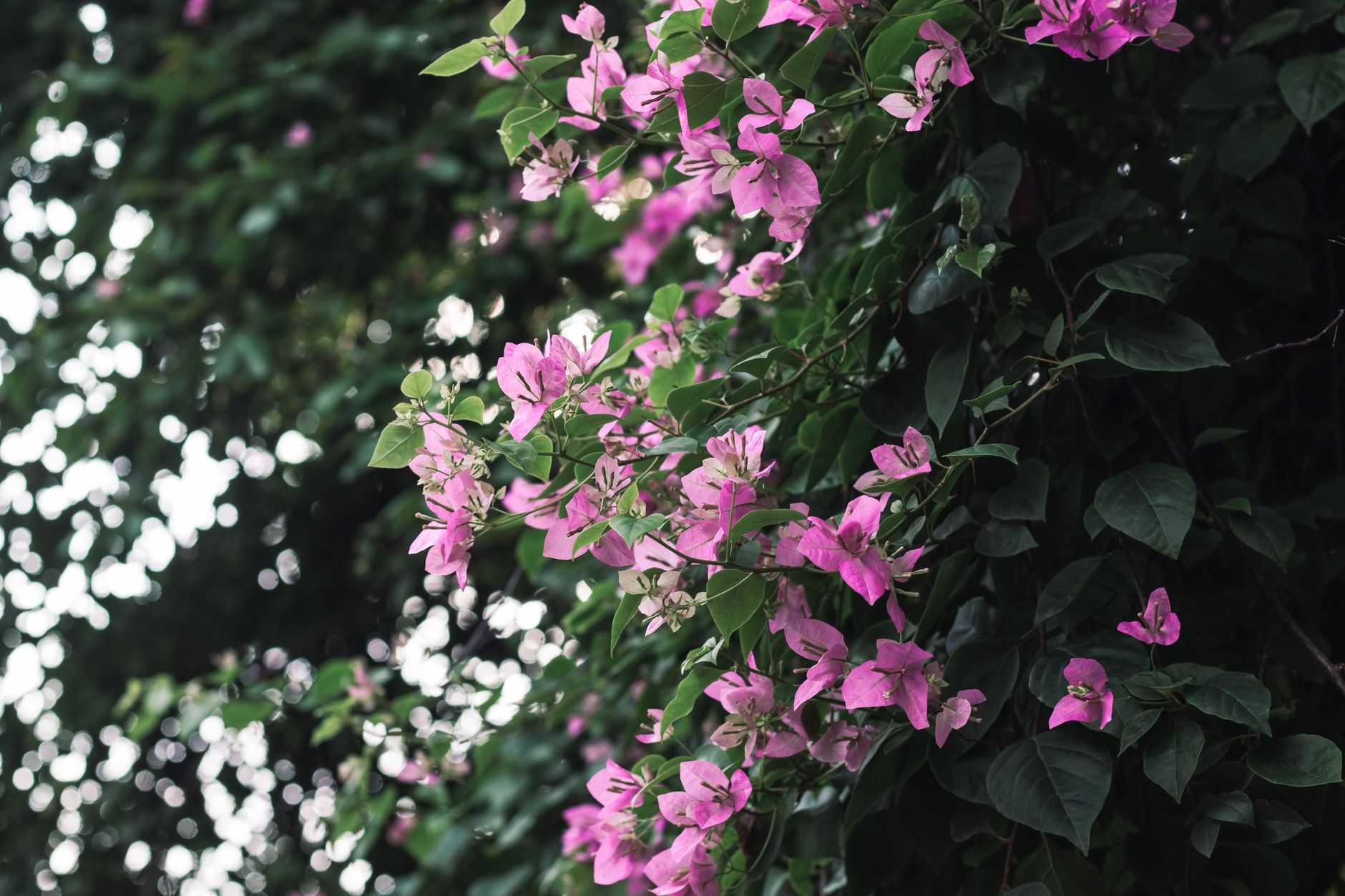
This is the thing that turns people into bougainvillea converts — once they’ve finally accepted it. Bougainvillea produces its famous colour not from flowers but from papery bracts, and it only produces them under stress. Specifically: drought stress, root restriction, and relentless sun.
Don’t water until the soil is genuinely dry — not just surface-dry, it’s gotta be dry several inches down.
Keep it slightly pot-bound; a huge container with lots of fresh compost just encourages leafy green growth with zero colour. That doesn’t work. Full stop.
It needs a minimum of 5–6 hours of direct sun daily — south-facing walls are ideal in the UK and northern US, north-facing in Australia and South Africa.
Feeding with a high-nitrogen fertiliser is basically telling it to grow leaves forever and never bloom — switch to a low-nitrogen, high-potassium feed like Bloom Booster 0-10-10 in summer.
Most gardening advice focuses on keeping plants comfortable. But bougainvillea actively resents comfort. Don’t try to be kind to it.
The Leaf Drop Problem (It’s Not What You Think)
Bougainvillea dropping leaves is the number one reason people give up on it. But here’s the thing — leaf drop has about four completely different causes, and treating the wrong one’s gonna make everything worse.
Sudden move or repot — this causes immediate, dramatic leaf drop; the plant isn’t dying, it’s just furious; leave it alone and it’ll recover in 3–6 weeks.
Overwatering — the leaves go yellow then fall; roots sitting in wet compost will rot fast; check drainage holes aren’t blocked.
Underwatering at the wrong moment — during active flowering, a bit more water’s actually fine; it’s the dormant/leafy period where you back off.
Temperature drop below 10°C (50°F) — bougainvillea’s semi-deciduous and it’ll shed leaves when cold; this is normal, not an emergency.
Root rot from poor drainage — this one’s genuinely serious; if the stems near the base are going soft and brown, it’s usually too late.
I once moved a bougainvillea three times in one summer trying to “find the right spot.” It dropped leaves each time. What a faff. The weird thing I eventually noticed: each time it recovered, the bracts came back slightly more intense. The stress was apparently doing something. I don’t recommend this as a technique. But it was interesting.
Leaf Drop at a Glance: Which Cause Are You Looking At?
Leaf drop is the symptom that makes most people give up, yet it has several quite different causes. Match what you are actually seeing to the right column before you change anything.
Leaf Drop at a Glance: Which Cause Are You Looking At?
Cause
What you see
How serious
What to do
Sudden move or repot
Immediate, dramatic leaf drop
Not dying, just furious
Leave it alone; it recovers in 3–6 weeks
Overwatering
Leaves go yellow, then fall
Roots will rot fast in wet compost
Check the drainage holes are not blocked
Underwatering at the wrong moment
Drop during the dormant, leafy phase
Manageable once watering is timed right
More water while flowering, back off when leafy
Cold below 10°C (50°F)
Leaves shed as temperatures fall
Normal, not an emergency
Accept it; the plant is semi-deciduous
Root rot from poor drainage
Soft, brown stems at the base
Genuinely serious, usually too late
Prevention only: sharp drainage, dry spells
Read the symptom first, because treating the wrong cause makes the plant worse rather than better.
Growing Bougainvillea in Cold Climates (It’s Possible, But You’ve Gotta Commit)
In the UK, Canada, the northern US states, and Ireland, bougainvillea’s a container plant — full stop. But that doesn’t mean it can’t be spectacular. The key is treating summer as its performance season and winter as its enforced rest.
Move containers outside after the last frost — typically late May in the UK and northern US (USDA zones 4–7). And aim for around 11 days after the official last frost date.
Bring back indoors before temperatures drop below 10°C — don’t wait for frost.
Over winter, keep it in the coolest bright spot you’ve got (an unheated conservatory’s ideal), water almost nothing, and expect it to look sad; that’s fine.
In spring, prune back hard — and I mean hard, 30–50% — this is what triggers the new flowering growth.
The RHS recommends a minimum winter temperature of 7–10°C for container bougainvilleas to survive dormancy.
For cold-climate gardeners, bougainvillea’s essentially a houseplant with outdoor summer privileges — much like these other tropical plants that come indoors for winter. The container lifestyle actually suits it. Root restriction, remember?
Pairing Bougainvillea with Other Tropicals (And What Not to Plant Nearby)
If you’re going for a full tropical look — hibiscus, plumeria, bird of paradise, the works — bougainvillea plays well with most of them, but there’re some practical things you’ve gotta know.
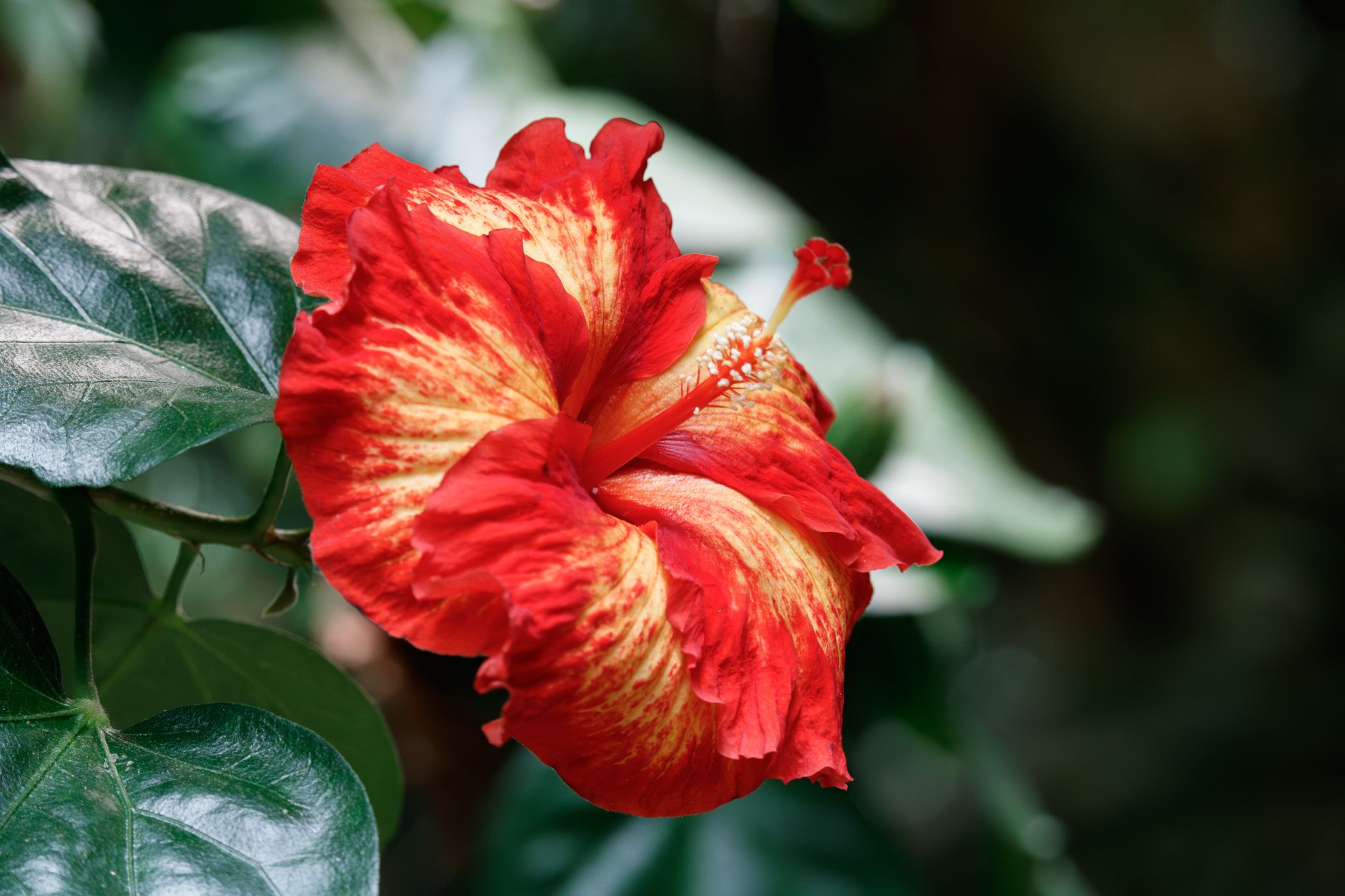
Hibiscus wants more water than bougainvillea — don’t let the same watering schedule run both; hibiscus in the same conditions as bougainvillea’ll sulk, and bougainvillea in hibiscus conditions will rot.
Plumeria (frangipani) shares bougainvillea’s love of dry conditions and full sun — they’re natural companions in containers on a hot terrace.
Bird of paradise (Strelitzia reginae) also tolerates slight drought but needs more soil depth — it works better in a separate deep container nearby.
Dipladenia (Mandevilla)‘s probably the closest companion plant in terms of care needs — both love heat, both resent overwatering, and both perform better with a bit of neglect.
According to the Royal Botanic Gardens, Kew, there’re over 300 named bougainvillea cultivars — and they vary significantly in cold tolerance, vigour, and bract colour intensity. ‘Vera Deep Purple’ and ‘Miss Manila’ are