—
There’s a particular kind of dread that hits you when you walk past your plumeria in the morning and something just looks… off. Not dead. Not dramatic. Just slightly wrong in a way you can’t immediately name. A subtle droop. Leaves that are technically green but somehow look tired. You stand there with your coffee going cold, trying to figure out what it’s trying to tell you — and most of the time, you guess wrong. So frustrating.
I’ve been there more times than I care to admit. Three bougainvilleas lost before I understood what “wrong kind of stress” actually means. A hibiscus that sulked for an entire season because I was being too kind to it. Here’s what I know now that I wish I’d known then: tropical plants communicate constantly. The problem isn’t that they’re silent — it’s that most of us aren’t fluent yet.
Yellow leaves are the message every gardener panics about and almost everyone misreads. The knee-jerk response is to water more. But usually, that’s exactly the wrong move.
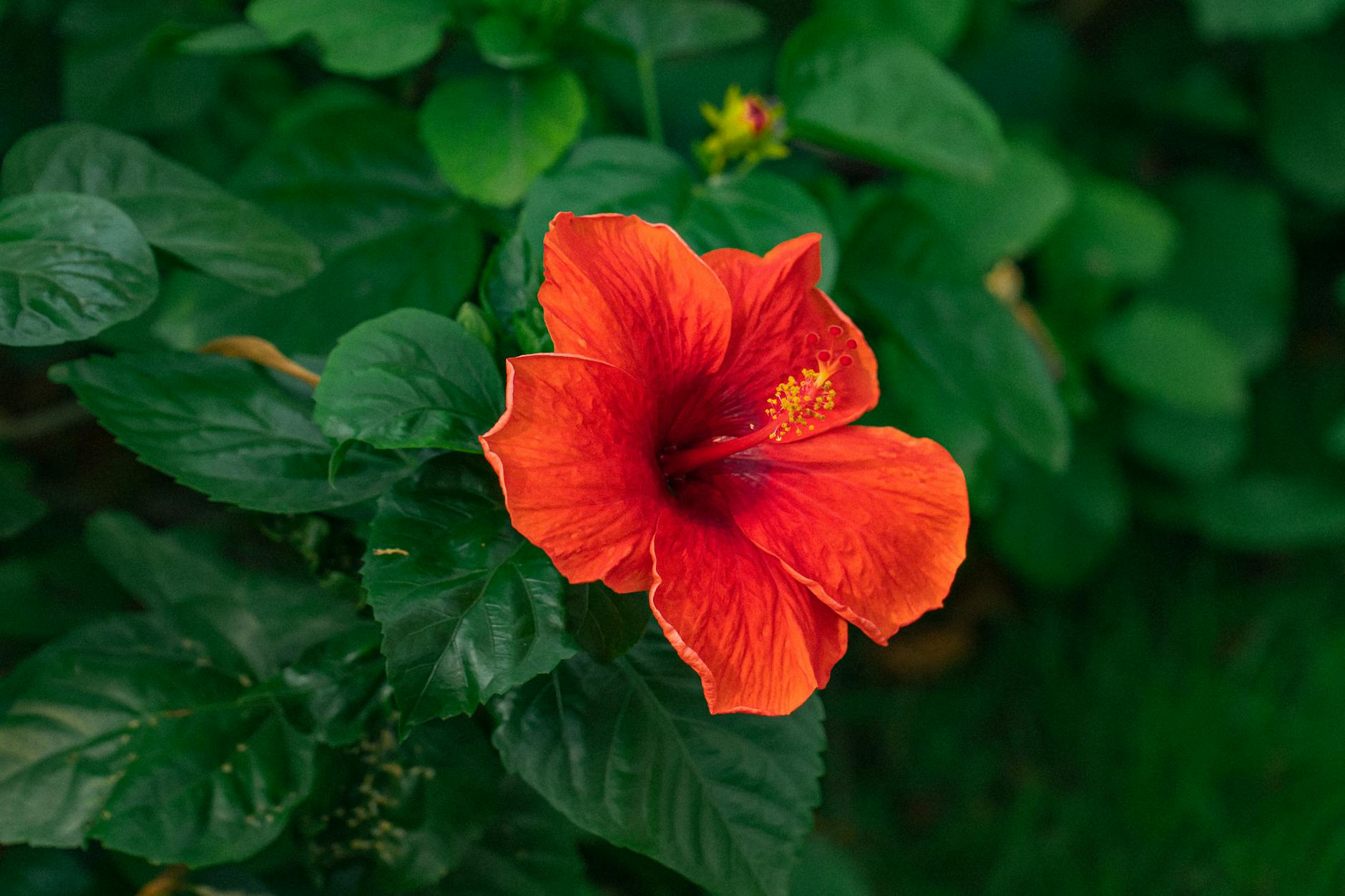
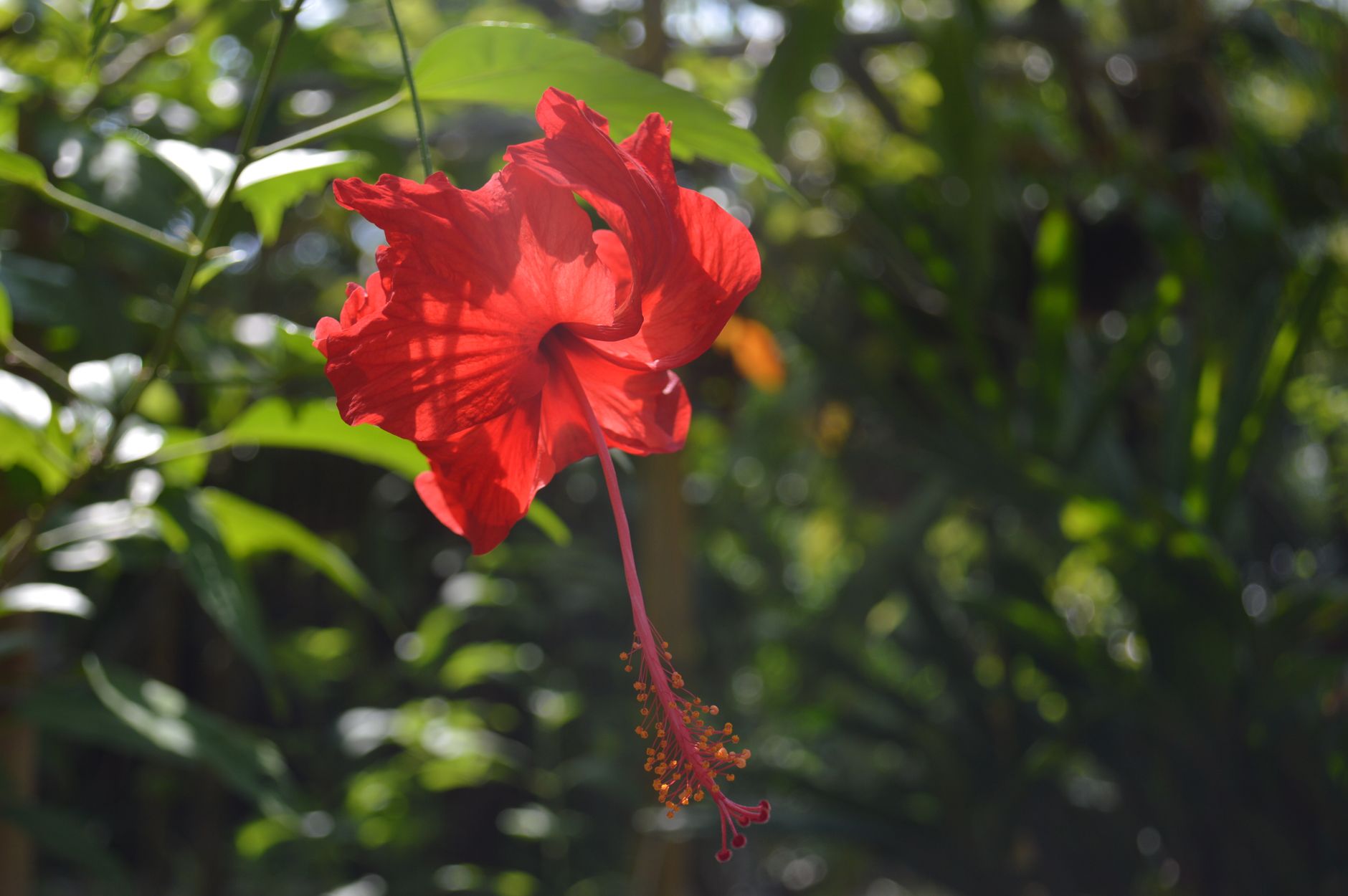
The weird detail nobody’s talking about: hibiscus leaves will go yellow and drop in protest if you water with cold tap water in hot weather. The root shock from icy water hitting warm soil is real. Watering with cold tap water? It doesn’t work. Full stop. I tested this completely by accident one August when my hose had been sitting in shade versus sun — the sun-warmed hose side of the same plant looked visibly happier within about 3 days. Room temperature water, always.
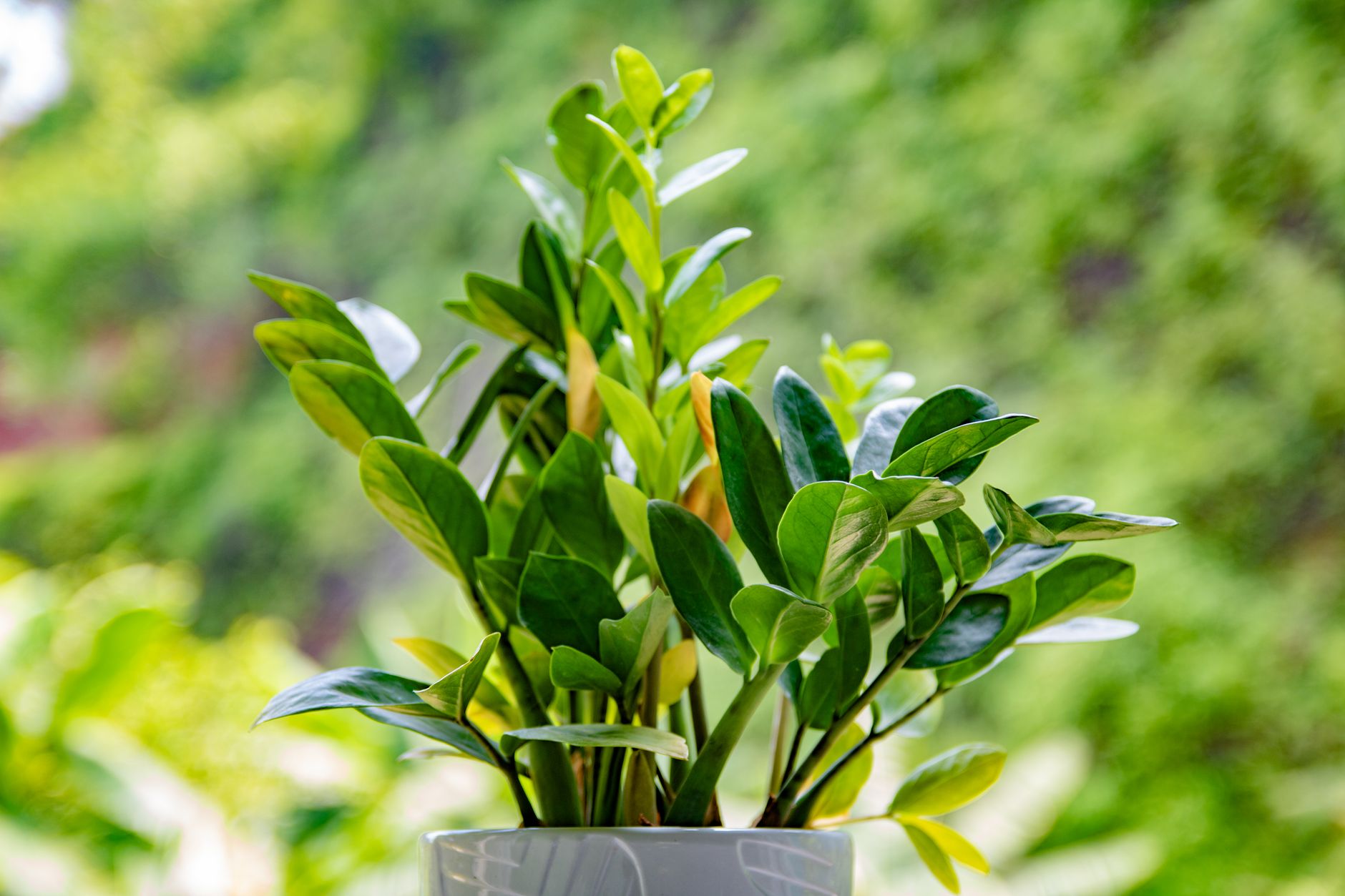
These two look surprisingly similar at first. They can be a real faff to tell apart. Both involve the plant going a bit quiet. Both can involve slower new growth. Getting them confused is costly.
Bougainvillea is the master of faking you out. It genuinely needs to be stressed — slightly — to bloom well. If yours is in lush, constantly moist, richly fed conditions and not flowering, you might actually be treating it too well. Ease off the water. This feels completely counterintuitive and yet it works every single time. And if you’re puzzling over why yours still looks rough despite doing everything right, there’s a deeper explanation of what’s actually going on in Why Your Bougainvillea Looks Half-Dead (And the Fix Nobody Talks About).
Most people only discover a plant is root-bound when roots are bursting out the drainage holes. By then, the plant has been unhappy for 3-4 months at least. Tropical plants in containers — particularly fast-growing ones like bird of paradise and hibiscus — tell you they’re root-bound well before it gets that obvious. A true struggle.
With bird of paradise in particular, being slightly root-bound encourages flowering — this is one of the bird of paradise secrets that most gardeners only discover after years of waiting for blooms. But there’s a difference between “pleasantly snug” and “genuinely suffocating.” When growth has visibly stalled for a full growing season, it’s gone past useful stress into actual decline. Go up one pot size only — jumping too large causes its own problems.
This one trips up gardeners in transitional weather — late spring, early autumn — when temperature swings are wild. A plumeria that got caught by an unexpected cold night and a plumeria that spent a hot afternoon against a reflective brick wall can look almost identical the next morning.