I killed four hibiscus plants before I finally understood what they were actually trying to tell me. Not four in my whole life — four in just an 11-day stretch one summer. I was overwatering, underfeeding, positioning ’em wrong, and doing the one thing that basically guarantees zero flowers. Nobody told me. The nursery label certainly didn’t mention it. And most of the advice I found online? It’s, frankly, aimed at someone who grows theirs in Miami and never has to think too hard about it.
So, if you grow hibiscus — or you’re desperate to — this is the stuff that actually matters.
Here’s what took me embarrassingly long to learn: hibiscus blooms on new growth, not old wood. If you’re not pruning, you’re not getting flowers. Full stop.
Most gardeners baby their hibiscus, leaving every stem untouched because it looks “established.” That’s exactly the wrong instinct. The plant puts energy into maintaining old woody growth instead of pushing out the fresh stems where buds actually form. I had a gorgeous, leafy, completely flowerless shrub for two years — actually, no — for nearly three years because of this.
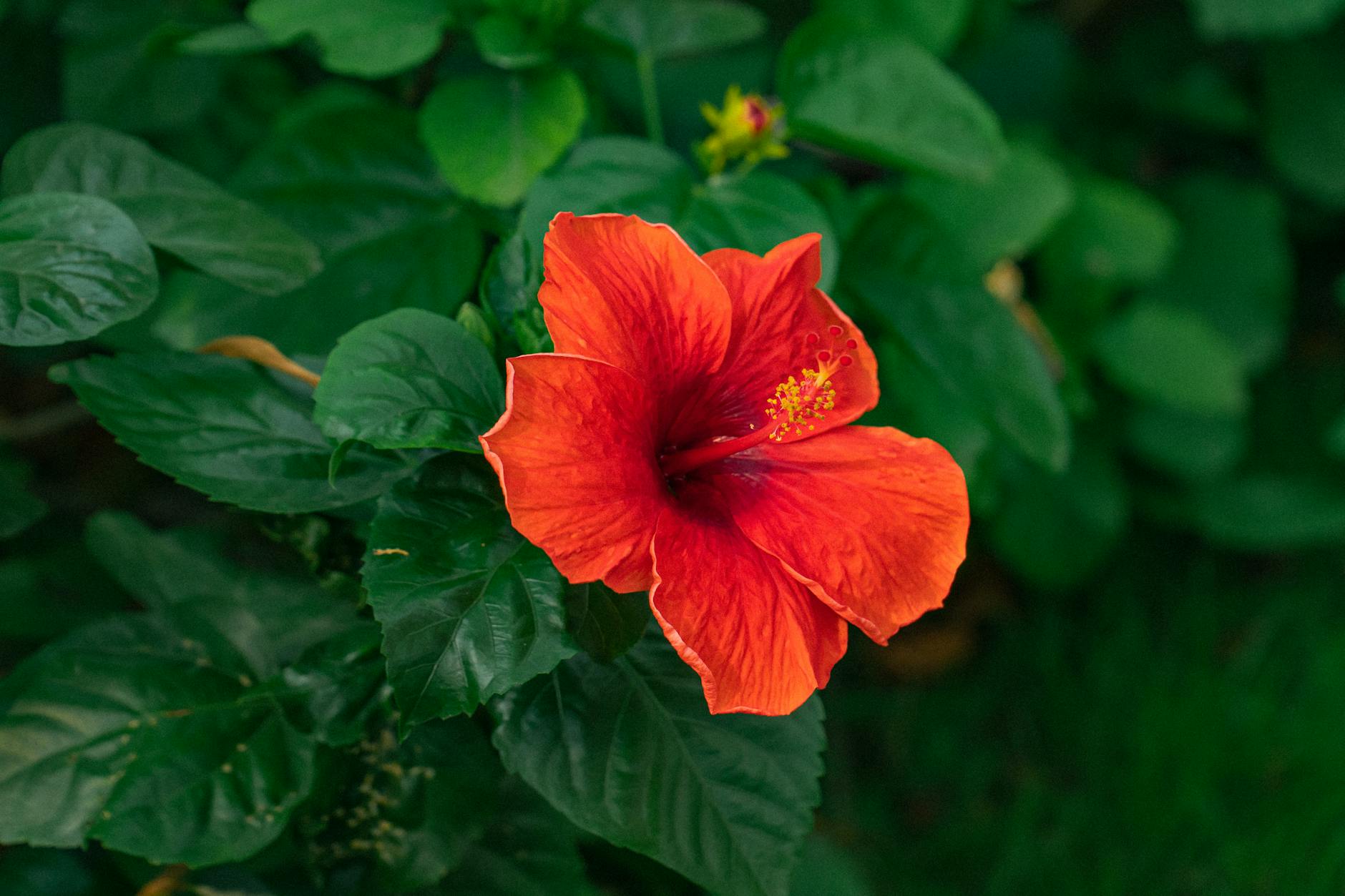
The weird detail nobody mentions? Hibiscus flowers last exactly one day. One. A single bloom opens at precisely 6:45 AM and drops by evening. So a plant that looks “not flowering” might actually be cycling through dozens of blooms — you’re just missing them. The trick is that a well-pruned plant has so many new stems going at once that there’s always something open.

High potassium, low phosphorus — that’s the formula most hibiscus growers eventually land on, usually after years of using the wrong fertiliser.
Standard balanced fertilisers (10-10-10, or the generic “flowering plant” feeds) often contain too much phosphorus for hibiscus. Counterintuitively, excess phosphorus actually blocks the uptake of trace minerals hibiscus need — especially iron and manganese. And that’s what causes that yellowing between the leaf veins that drives people mad.
The RHS has solid guidance on hibiscus care if you want the full breakdown, though even they’re fairly conservative on the fertiliser specifics. For tropical hibiscus (*Hibiscus rosa-sinensis*) in particular, the American Hibiscus Society’s recommendations are worth reading.
But this confusion trips up so many people. There are two very different plants being sold under the name “hibiscus” and they need completely different treatment.
Tropical hibiscus (*H. rosa-sinensis*): the glossy-leaved, big-flowered one you see at garden centres in summer. Wants heat, hates cold, dies below about 10°C (50°F). Brilliant as a houseplant.
Hardy hibiscus (*H. moscheutos* and *H. syriacus*): the one that dies back to the ground in winter and comes back from the roots. Fully frost-hardy in USDA zones 5-9. Looks dead all spring — don’t throw it out!
For anyone bringing a tropical hibiscus indoors for the first time, the transition, it’s the tricky bit. And the same principles that apply to other tender tropicals are worth understanding. The 4 Tropical Plants That Will Transform Your Garden (And How to Keep Them Alive All Winter) covers that overwintering process in real detail.
Southern Hemisphere gardeners: if you’re reading this in early summer, you’re heading into your coldest months — now is exactly the right time to move your tropical hibiscus under cover. This applies to your midsummer/late summer period too.
Two very different plants are sold under the name “hibiscus”, and they need completely different treatment. Use the leaves, the flower size and the winter behaviour to work out which one you have.
| Type | Leaves and flowers | Cold tolerance | How to grow it |
|---|---|---|---|
| Tropical hibiscus (H. rosa-sinensis) | Glossy, dark green leaves; big flowers in jewel colours | Dies below about 10°C (50°F) | Houseplant or container; bring it in before frost |
| Hardy hibiscus (H. moscheutos) | Matte, slightly fuzzy leaves; dies back to the ground | Fully frost-hardy in USDA zones 5-9 | Border plant — looks dead all spring, so be patient |
| Rose of Sharon (H. syriacus) | Shrubby habit with smaller flowers | Fully winter hardy in most of the UK and northern US | Permanent garden shrub, left outdoors year round |
Identify yours first: everything else, from winter protection to watering, follows from that one decision.
Container hibiscus, honestly, it’s my favourite way to grow the tropical species — you control everything, you can move it, and you can bring it indoors without drama. But containers do require you to be more attentive. The plant’ll tell you when something’s wrong. You just have to know what you’re looking at.
The single biggest container mistake: a pot that’s too large. It sounds counterintuitive — surely more root space is better? But in an oversized pot, the compost around the roots stays wet for too long, and hibiscus hates wet feet. Root rot is quiet and devastating. By the time you see yellowing leaves, the damage