My neighbour stopped me over the fence last July and said, “I don’t understand it — my hibiscus was covered in buds, and now there’s nothing.” I looked over. Beautiful, lush plant. Deep green leaves. Healthy stems. And completely, stubbornly flowerless. I knew exactly what’d happened. I’d done the same thing myself — twice, actually.
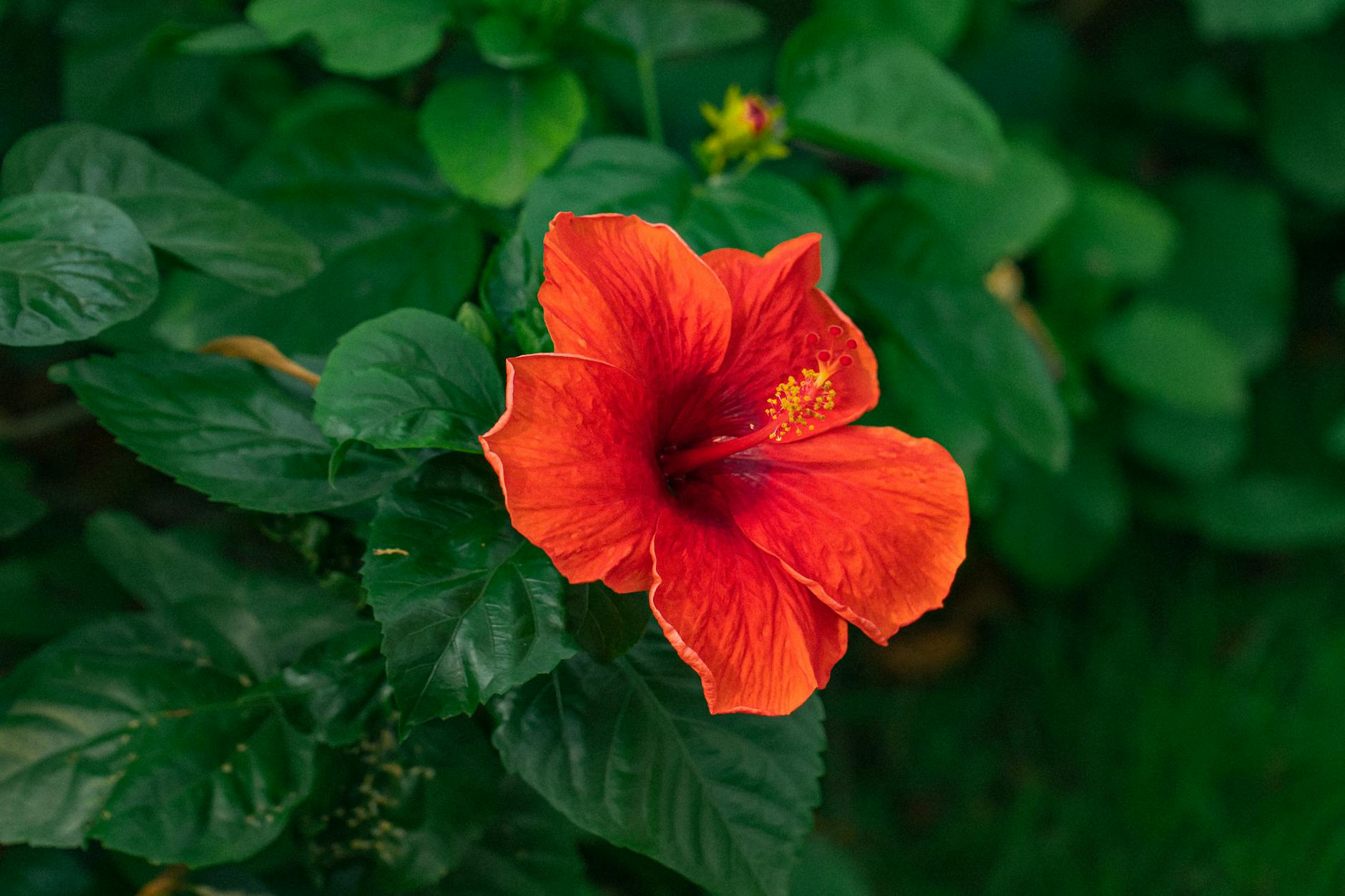
Here it is, plainly: moving your hibiscus to a new spot once it’s set buds is the fastest way to lose every single flower. Hibiscus — especially tropical hibiscus (*Hibiscus rosa-sinensis*) — it’s gonna drop buds like a nervous habit the moment it gets stressed. Change in light direction, change in temperature, even a sudden draft from a door you’ve started leaving open in summer. Gone. Every bud, on the floor, within 48 hours. Seriously, I’ve seen it happen in just 36 hours. A complete disaster.
I killed three plants this way before I figured it out. What makes it so cruel is that the plant looks completely fine afterwards. It just quietly refuses to bloom again for about three weeks straight. It’s infuriating.
The weird detail I’ve never seen in any care guide: hibiscus actually “remembers” which direction the light came from when it set each bud. The bud’s angled toward that light source. Rotate the pot and the bud’s now facing the wrong way — and the plant seemingly decides to cut its losses and drop it. I don’t know if there’s a precise botanical name for this phenomenon, but I’ve watched it happen enough times, over about two full growing seasons, that I’m convinced.
Almost every case of sudden bud drop comes down to one of a handful of triggers, and each has a straightforward fix. Find the one that matches what your plant is doing before you change anything else.
| Trigger | What you see | What to do instead |
|---|---|---|
| Moving or rotating a plant that has set buds | Every bud shed, then no flowers for about three weeks | Leave the pot exactly where it is; mark the sunny side with a stake |
| Through-drafts from doors, windows or air conditioning | Buds on the floor within 36 to 48 hours | Keep the plant clear of vents and strong drafts |
| Night temperature below about 13°C (55°F) | Bud drop even when everything else has been done right | Bring container plants under cover before the first cold snap in autumn |
| Feeding high in nitrogen | Lush, deep green growth and no flowers at all | Switch to a high-potassium feed through early and midsummer |
| Permanently wet soil or blocked drainage | Rapid collapse in warm weather, roots rotting | Water deeply, then let the compost dry slightly; check drainage really works |
Work through the list from the top: the cause is usually something that changed in the last day or two.
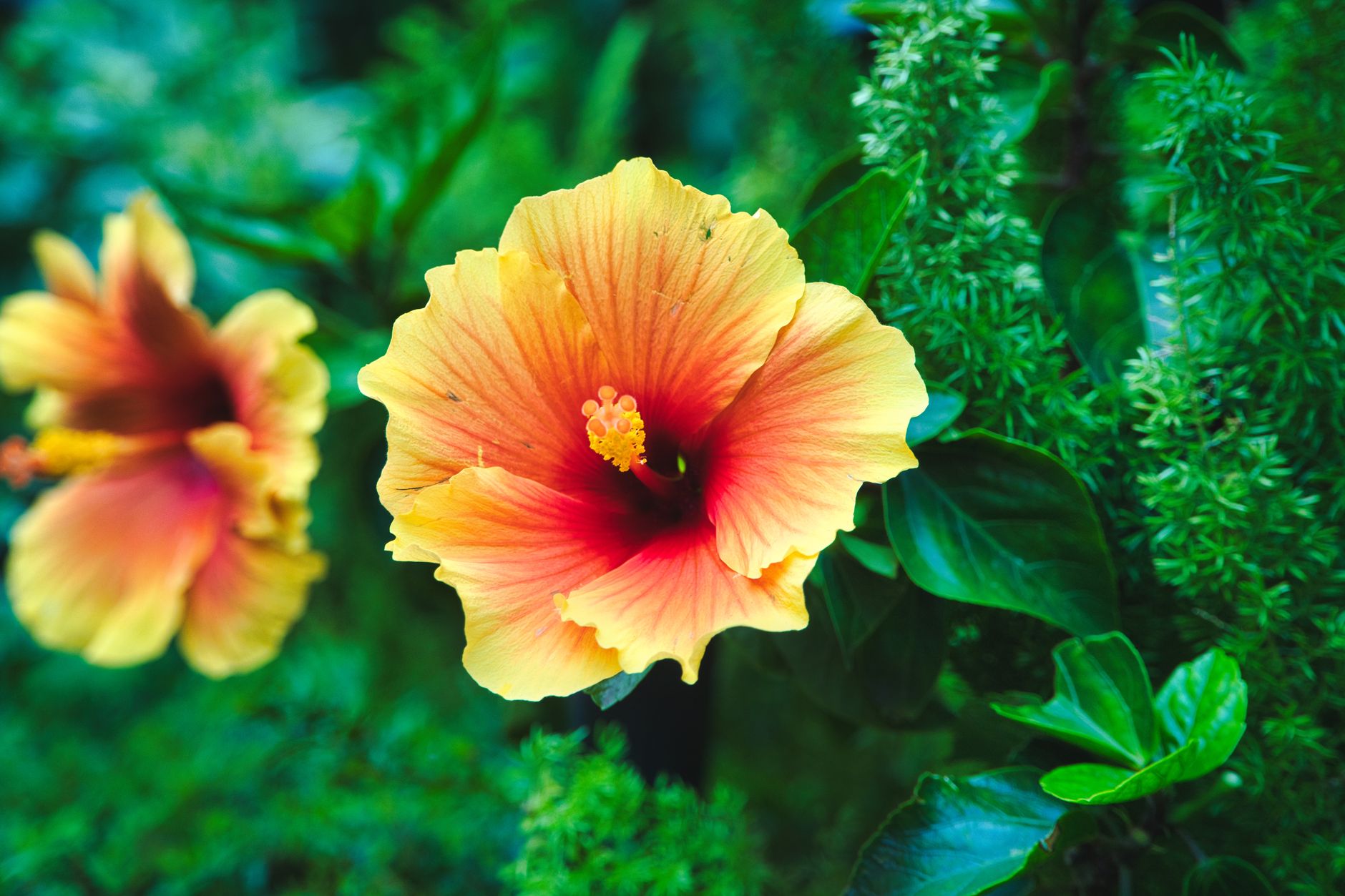
June is actually a spectacular month for tropical hibiscus — if you work with it rather than faffing over it. The warmth, the long daylight hours, the humidity in many regions — this is exactly what the plant evolved for. Your job in June isn’t to do more. It’s to do the right things and stop doing the wrong ones.
According to the RHS guidance on hibiscus, tropical varieties need a minimum temperature of around 13°C (55°F) at night, specifically between 10 PM and 6 AM, to continue flowering reliably. Drop below that and you’ll see bud drop even if you’ve done everything else right. And it’s just so frustrating when that happens.
This is where it gets interesting. Most people think of hibiscus as a garden plant for warm climates only. But tropical hibiscus is genuinely one of the best large flowering houseplants going — if you’re giving it what it needs. I’ve kept one on a south-facing windowsill in a cool-climate home for three years now, and it’s bloomed reliably from May through September for me.
The key indoors is brutal, unfiltered light. Not “bright indirect.” Not “near a window.” I’m talking right in the window, south or west-facing, maximum hours of direct sun through the glass. And I mean *maximum*.
If you’ve been struggling with other tropical plants indoors too, the 5 tropical plants most gardeners kill by accident covers the broader picture really well — a lot of the same principles apply across hibiscus, plumeria, and bird of paradise. It’s a great read.
A quick note because this causes endless confusion: tropical hibiscus (*H. rosa-sinensis*) and hardy hibiscus (*H. moscheutos* or *H. syriacus*, also called Rose of Sharon) are completely different plants with completely different needs. Don’t treat ’em the same way. They’re just not comparable.
Hardy hibiscus can handle frost. It dies back to the ground in winter and re-emerges in spring. Tropical hibiscus can’t handle frost at all — one hard freeze and it’s over. If you’re in USDA Zone 9 or below, your tropical hibiscus needs to come inside or you’ll need to treat it as an annual. It just won’t make it otherwise.