You’ve bought a hibiscus, haven’t you? You’ve watered it. You’ve loved it like crazy. And then — for absolutely no reason you could explain — it’s sulked, dropped every single leaf, and just quietly packed it in. You’re not alone. Tropical plants? They’re some of the most stunning things you can grow, but also some of the most misunderstood.
The good news is, every single “death” you’ve experienced? It’s usually just a care mistake with a ridiculously simple fix. Here’s what’s *really* going on with your tropical beauties — and how you’re going to turn things around, pronto.
Why Tropical Plants Fail (It’s Almost Never What You Think)
But here’s the kicker: Most gardeners *assume* their tropical plants are dying from cold or neglect. Wait, that’s not quite right — the real killer is usually too much love. I’m talking overwatering, over-fertilising, or just faffing about, moving them around too much.
Tropical plants, you see, they’ve evolved in these super stable, warm environments. Every single time you move them, they’re going to stress-shed leaves. It’s their way of telling you off. And every time you waterlog their roots, you’re inviting root rot that looks *exactly* like drought stress. Sneaky, isn’t it?
Yellow leaves = It’s almost always overwatering or terrible drainage.
Dropping buds = Temperature shock or cold drafts. Always.
No blooms = Way too much nitrogen fertiliser. You’re just feeding leaves, not actual flowers. That doesn’t work. Full stop.
Leggy, pale growth = Not enough direct sunlight. Pretty simple.
Crispy leaf edges = Low humidity or actual wind damage.
Sound familiar? You’re not imagining it. So, keep reading — each plant below’s got its own little quirks worth knowing.
The 5 Tropical Plants and Their Hidden Rules
These five are, hands down, the most popular tropical plants you’ll find grown worldwide — from Florida to Queensland to the sun-drenched Costa del Sol. And each one? It’s going to reward you lavishly once you actually get how it works.
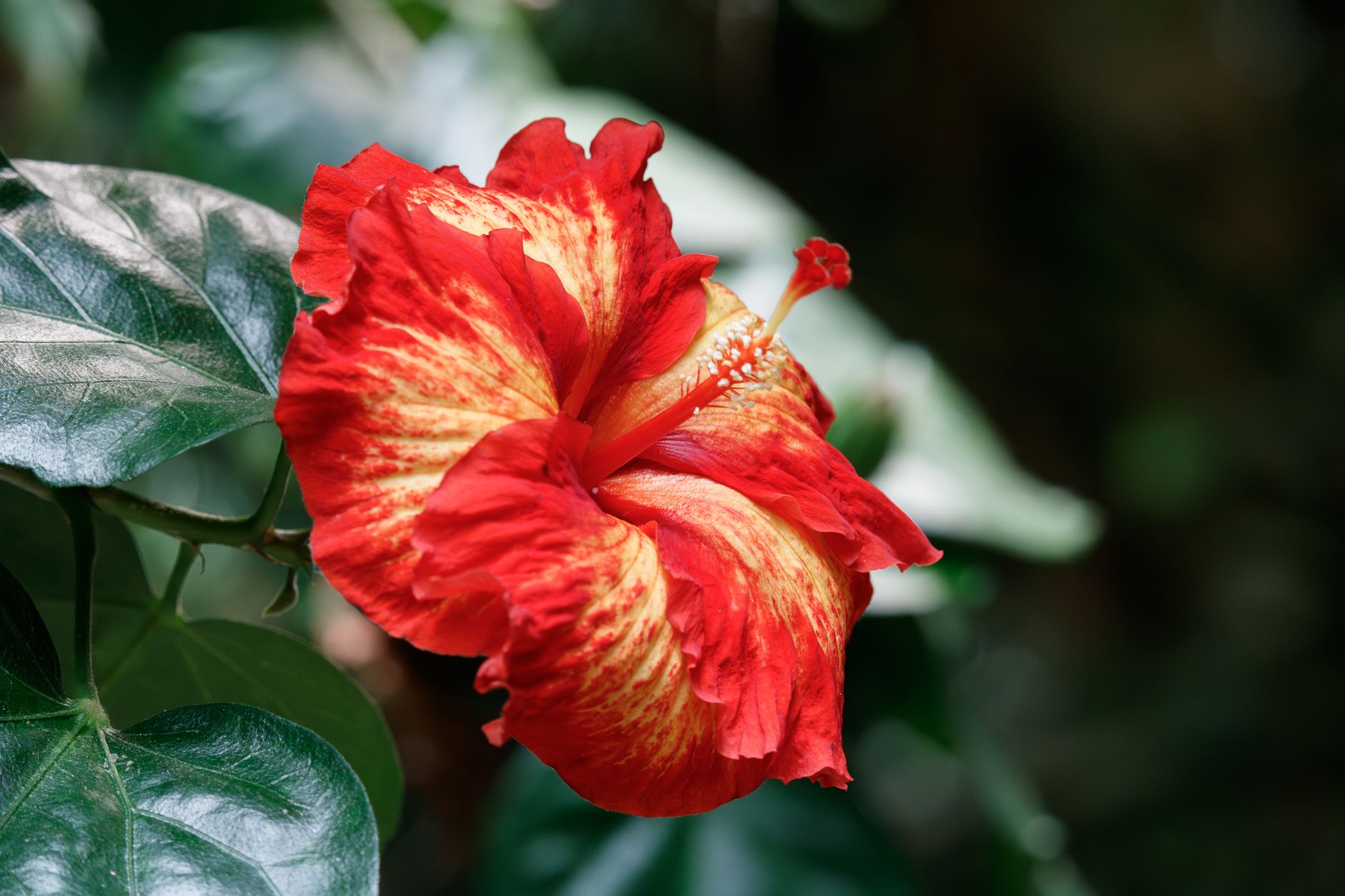
🌺 Hibiscus — It’s a sun worshipper (needs 6+ hours, no less!), well-draining soil, and consistent moisture. Don’t you dare let it dry out completely. Feed it with a proper low-nitrogen, high-potassium fertiliser — try a half-strength dose of Jack’s Classic Bloom Booster around 6 PM twice a week — to really trigger those blooms. Tropical varieties (Hibiscus rosa-sinensis) are super frost-tender; you’ve gotta bring them in when temps consistently dip below 10°C / 50°F.
🌸 Plumeria (Frangipani) — This one actually loves being slightly neglected. Seriously, let that soil get bone dry between waterings. It’s got to have bone-dry conditions during winter dormancy — so keep it somewhere cool and dark, and please, don’t water it *at all*. Overwatering in winter? That’s what kills more plumerias than anything else.
🌼 Bird of Paradise (Strelitzia reginae) — It’s famously slow to bloom, but boy, is it spectacular when it finally does. It’s gotta be pot-bound to flower, so don’t be repotting it every year, you’ll just reset the clock. Give it full sun, water deeply but infrequently, and just be patient. It can easily take a good three to five years to first flower from a young plant.
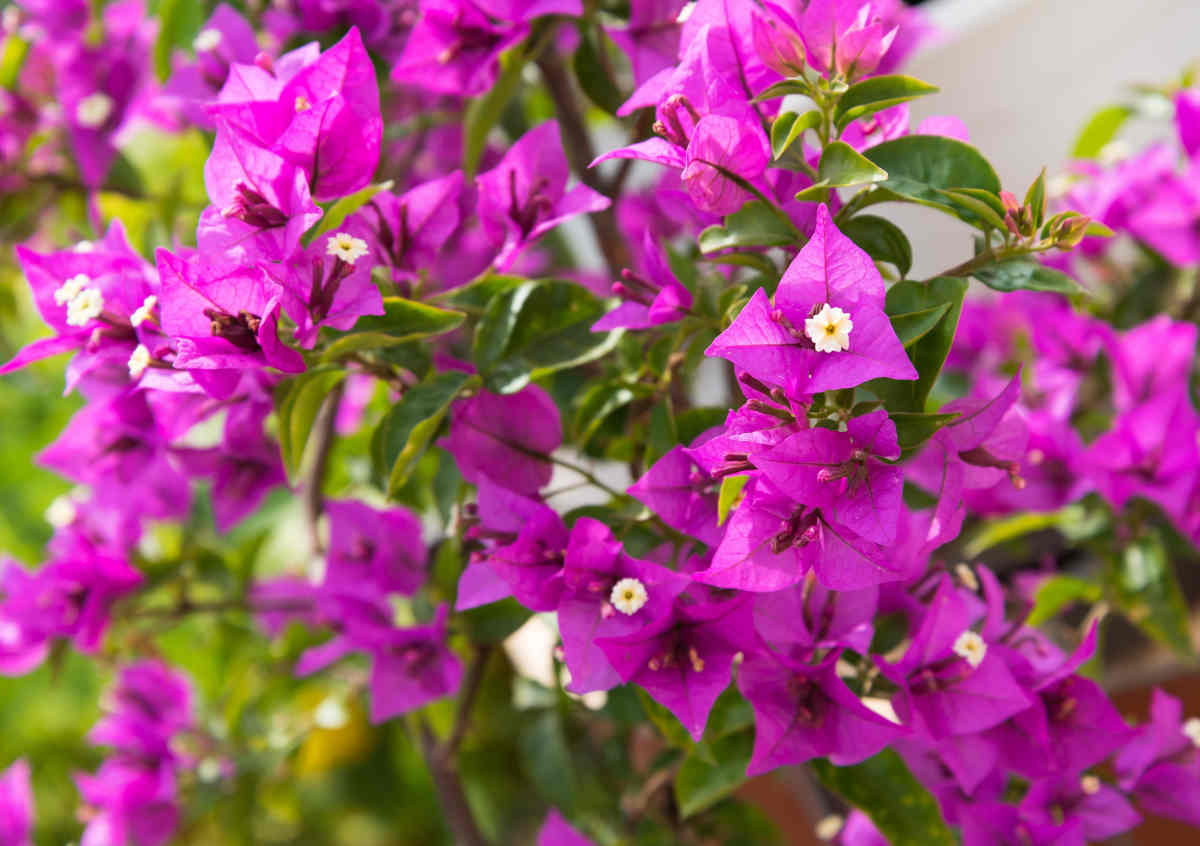
🌿 Bougainvillea — This one *thrives* on stress. Honest! Drought stress is what triggers those absolutely spectacular bracts. So water sparingly, never feed it heavily with nitrogen, and prune it hard after flowering. Bougainvillea in rich, moist soil? It’s just gonna grow green, that’s it. It’s easily one of the best drought-tolerant plants you can grow once it’s established.
🌸 Dipladenia (Mandevilla) — Folks often confuse this with bougainvillea, but this climbing beauty’s far more forgiving. It’s going to bloom all summer long with minimal fuss. If you’re wanting the best out of it on your patio or balcony, you’ll need to learn everything about Dipladenia care and watering.
The Five Tropicals Side by Side: What Each One Really Wants
Each of these five plants fails for a different reason, and the fix is almost always the opposite of what instinct suggests. Use this table to match the plant in front of you with the one rule that decides whether it thrives.
The Five Tropicals Side by Side: What Each One Really Wants
Plant
Sun and water
Biggest mistake
Winter handling
Hibiscus (Hibiscus rosa-sinensis)
6+ hours of sun, well-draining soil, consistent moisture
Letting it dry out completely, or feeding high-nitrogen food so you get leaves instead of flowers
Frost-tender: bring it in once temperatures stay below 10°C / 50°F
Plumeria (Frangipani)
Let the soil go bone dry between waterings
Watering it during dormancy, which kills more plumerias than anything else
Cool, dark and bone dry, with no water at all
Bird of Paradise (Strelitzia reginae)
Full sun, watered deeply but infrequently
Repotting every year, which resets the flowering clock
Keep it pot-bound and move it under cover before the first chill
Bougainvillea
Water sparingly; it thrives on drought stress
Rich, moist soil and heavy nitrogen, which give green growth and no colour
Prune hard after flowering and keep it on the dry side
Dipladenia (Mandevilla)
A climber that blooms all summer with minimal fuss
Treating it like a bougainvillea, which it is often confused with
Move it indoors before the first chill of autumn
Read the symptom, then read the row: the cure is nearly always less water, less feed and less fiddling.
Bringing Tropicals Indoors: The Rules That Actually Work
So, if you’re in the UK, Canada, the northern USA, or New Zealand’s South Island, you know summer doesn’t last forever, does it? Getting your tropicals inside before the first chill is probably the single most important thing you’ve gotta get sorted right now.
The RHS guidance on tender plants? It’s pretty clear: most tropical species should be moved indoors before temps consistently drop below 10°C (50°F). Don’t even *think* about waiting for a frost warning.
Check for pests before you bring them inside — spider mites and mealybugs *love* to hitchhike. Give those leaves a thorough inspection, top and bottom, and treat any creepy crawlies you spot within about 11 days. Seriously, you don’t want an infestation indoors.
Transition slowly — move your plants to a sheltered spot outdoors for about three weeks in August before you bring them fully inside. Sudden indoor conditions? They’ll shock them something awful.
Reduce watering immediately — The light indoors is way weaker, so your plant won’t be using as much water. Overwatering indoors during autumn? It’s a silent killer, always.
Choose the sunniest window you’ve got — that’s south-facing if you’re in the Northern Hemisphere, north-facing for the Southern Hemisphere.
Boost humidity — Group plants together, use a pebble tray with water, or just run a humidifier nearby. Centrally heated homes? They’re desert-dry for tropical plants.
Don’t fertilise after September (Northern Hemisphere) — you want the plant to chill out and slow down, not push tender new growth right before winter. That’d be a disaster.
🌍
Southern Hemisphere gardeners (looking at you, Australia, NZ, South Africa!): this whole “bringing indoors” advice? It applies to your June–August winter months — it’s right now, in fact! If your tropicals are still outside in Sydney or Cape Town, you’d better keep a close eye on those dodgy overnight lows.