Whether you’re battling water restrictions, scorching summers, or simply want to spend less time dragging the hose around, drought-tolerant plants? They’re a gardener’s best friend. These resilient beauties prove that a water-wise garden can be just as lush, colorful, and inviting as any traditional landscape. So, let’s explore how to choose, plant, and care for them so your garden flourishes even in the driest conditions.
Drought-tolerant plants offer benefits that go far beyond just saving water, you know? By selecting species adapted to dry conditions, you’ll dramatically reduce your water bills, cut down on maintenance, and create a landscape that stays vibrant during heat waves and dry spells. These plants, they’ve evolved clever survival strategies—deep roots, waxy or silvery leaves, and water-storing tissues—that allow them to thrive with minimal intervention. And they’re also fantastic for the environment, supporting pollinators and reducing runoff. As climate patterns shift and summers grow hotter in many regions, building a resilient garden is a smart, future-proof choice. Best of all, you’ll spend more time enjoying your garden and less time worrying about keeping it alive through the next dry season. Honestly, it’s a game-changer.
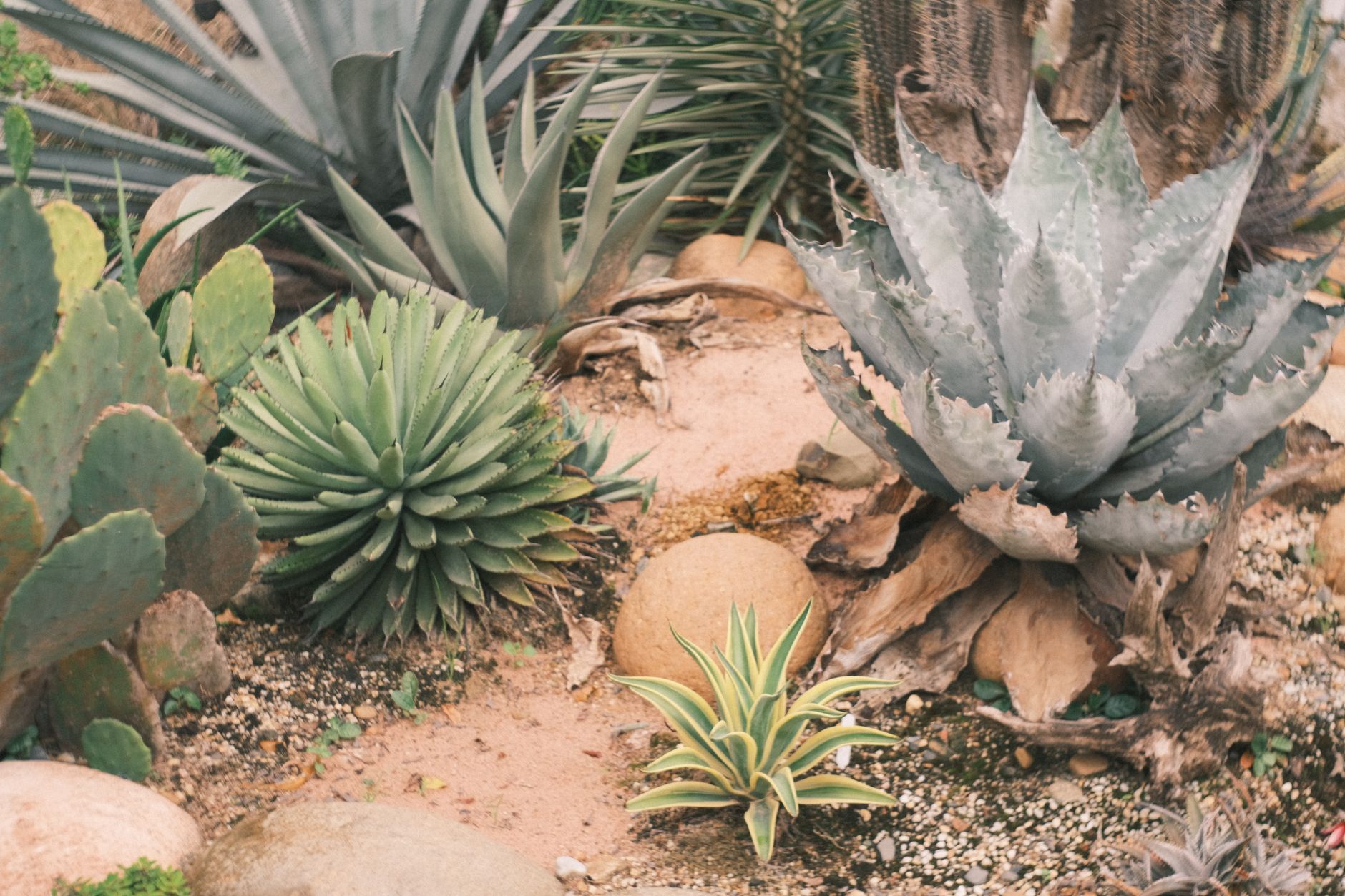
There’s a drought-tolerant plant for every garden style and region, you know it. For sun-soaked borders, lavender, Russian sage, and yarrow deliver months of color while attracting bees and butterflies. Succulents like sedum, agave, and echeveria add striking architectural texture and need almost no water once established. Ornamental grasses such as blue fescue and feather reed grass bring movement and softness to dry beds. But don’t overlook shrubs either; consider rosemary, ceanothus, and butterfly bush, which reward you with flowers and fragrance. And definitely don’t forget native wildflowers like coneflower, black-eyed Susan, and California poppy—they’re perfectly adapted to local conditions. Mix heights, textures, and bloom times. That’s how you create a dynamic, low-water display that looks intentional and beautiful all season long.
The plants named above fall into five broad groups, and each pulls its weight in a different way. Use this to decide what your dry bed is actually short of before you buy.
| Plant group | Examples | What it brings | Where it works best |
|---|---|---|---|
| Sun-loving perennials | Lavender, Russian sage, yarrow | Months of colour, plus bees and butterflies | Sun-soaked borders |
| Succulents | Sedum, agave, echeveria | Striking architectural texture | Spots you would rather never water — almost none needed once established |
| Ornamental grasses | Blue fescue, feather reed grass | Movement and softness | Dry beds needing a lighter touch |
| Shrubs | Rosemary, ceanothus, butterfly bush | Flowers and fragrance | Backbone planting — deep green rosemary against silvery lavender |
| Native wildflowers | Coneflower, black-eyed Susan, California poppy | Plants already suited to your conditions | Naturalistic, low-water beds |
Mix heights, textures and bloom times across these groups and the planting reads as intentional rather than sparse.
Good soil preparation? It’s the absolute foundation of a thriving drought-tolerant garden. While these plants don’t need much water, most prefer well-draining soil that prevents roots from sitting in moisture, which can cause rot. If you’ve got heavy clay, work in coarse sand, grit, or compost to improve drainage and structure. For sandy soils, add organic matter to help retain just enough moisture between waterings. Test your soil’s drainage by digging a hole and filling it with water—if it drains within about two hours, you’re in good shape. So, avoid over-fertilizing, as rich, pampered soil can encourage soft, water-hungry growth. Instead, aim for lean, gritty conditions that mimic these plants’ native habitats. Proper preparation now means stronger, more self-sufficient plants for years to come.
Even drought-tolerant plants need consistent watering during their first year as they establish deep, resilient root systems. Water deeply but infrequently to encourage roots to grow downward in search of moisture, rather than shallow surface roots. A thorough soak once a week beats daily sprinkles every time. Early morning—like, 6 AM is ideal—actually, no—it’s definitely the ideal time, reducing evaporation and fungal risk. Once established, most of these plants won’t need watering except during really extended dry spells. But here’s the thing: mulching is your secret weapon. A two-to-three-inch layer of gravel, bark, or compost locks in soil moisture, suppresses weeds, and keeps roots cool. Don’t pile it against stems; that’s just asking for rot. Really, these simple habits aren’t a faff, and they make a remarkable difference in your garden’s resilience. Sprinklers for established drought-tolerant plants don’t work. Full stop.
A drought-tolerant garden? It can be every bit as stunning as a traditional one with thoughtful design. You’ve just got to group plants with similar water needs together—a practice called hydrozoning—so you water efficiently without overdoing it. Create visual interest by combining contrasting foliage colors, like silvery lavender against deep green rosemary, and varying textures from spiky agave to soft grasses. Incorporate hardscaping elements such as gravel paths, boulders, and dry creek beds to reduce thirsty lawn areas and add structure. Repeat key plants and colors throughout the space to create a cohesive, professional look. And consider seasonal interest, too, layering early bloomers with late-summer stars. With a little clever planning, your water-wise landscape will offer year-round beauty while staying remarkably low-maintenance and eco-friendly. It’s a win-win, isn’t it?
Once they’re established, drought-tolerant plants are wonderfully low-maintenance, but a little seasonal care keeps them looking their best. In spring, prune away winter damage and shape shrubs like lavender and rosemary to encourage bushy growth. Deadhead flowers throughout the growing season to prolong blooming and tidy appearance. Refresh your mulch annually, say, every 12 months in April, to maintain moisture retention and weed control. In autumn, don’t go for heavy pruning, allowing plants to harden off before winter. Many drought-tolerant species dislike soggy winter soil, so you’ve got to ensure drainage remains excellent during wet months. Watch for pests, though dry-loving plants tend to be naturally resistant. You’ll want to avoid the temptation to overwater or overfeed—these plants genuinely thrive on a bit of neglect, rewarding your restraint with hardy, beautiful growth. It’s truly amazing.
Creating a drought-tolerant garden? It’s one of the smartest, most rewarding choices you can make as a home gardener—saving water, time, and you’ll feel pretty chuffed with the results too!
Under the responsibility of Rodolphe Decroix, publishing director.