You’ve seen them in holiday gardens — huge blousy hibiscus blooms, cascading walls of bougainvillea, bird of paradise standing like sculptures. And you’ve thought: I could never grow that. You’re wrong.
They’re actually way more forgiving than you’d think — and with one simple trick, gardeners in cold climates can enjoy them too. This is the summer to finally try it.
Why These 4 Tropical Plants Are Having a Moment Right Now
So, as warming temperatures push growing zones northward, you’re seeing tropical plants pop up in UK, Canadian, and even Irish gardens more than ever. The RHS, they’ve actually noted increasing interest in tender exotics as British summers get longer and warmer.
But here’s the real secret, folks: you don’t need a tropical climate to grow these plants. You just need a strategy for winter. And that strategy? It’s way simpler than you’d think.
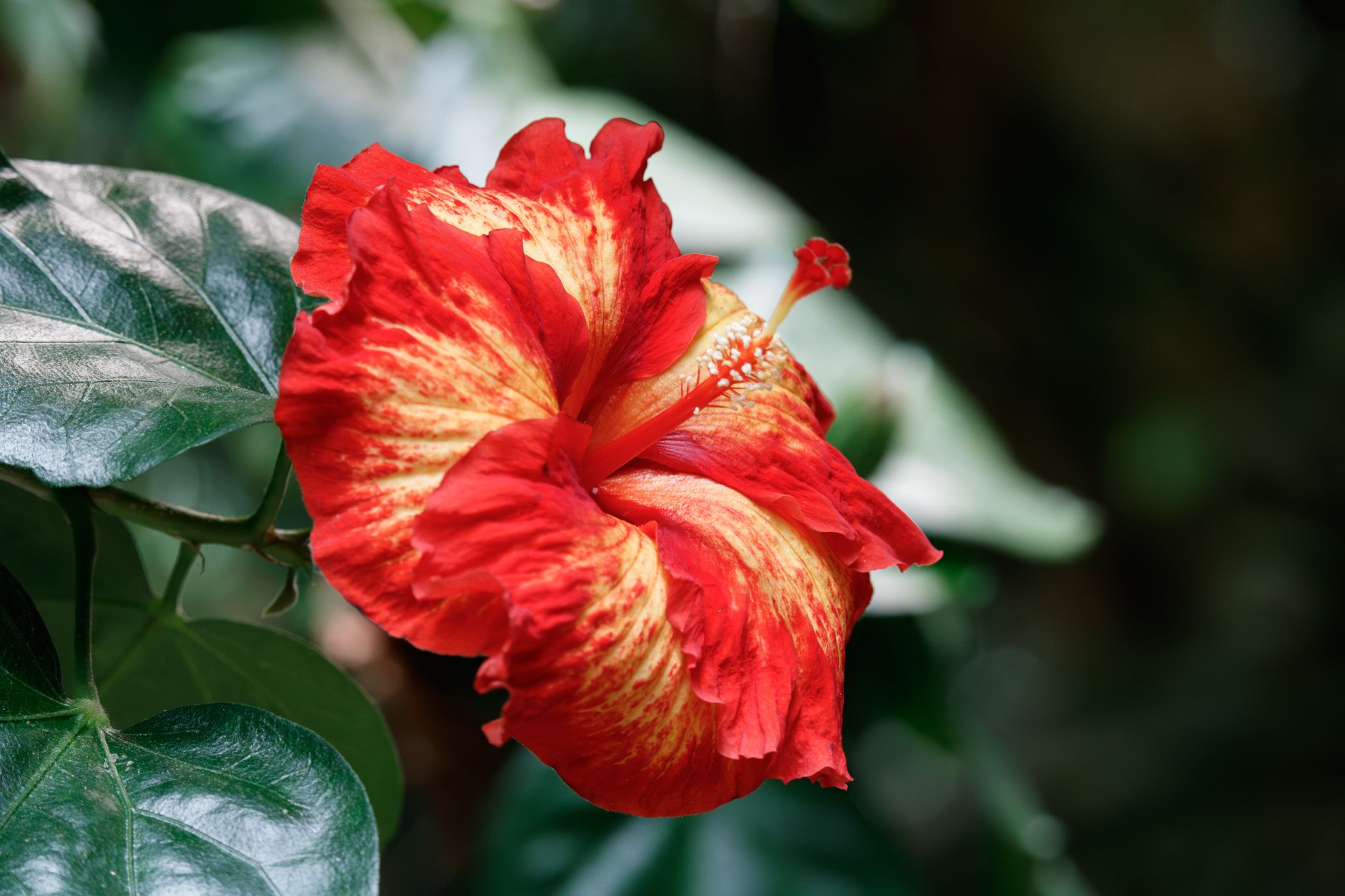
Hibiscus — dinner-plate blooms in red, orange, pink, and yellow; thrives in containers
Plumeria (frangipani) — the scent of Hawaii, surprisingly easy to grow in pots
Bird of paradise (Strelitzia reginae) — architectural, dramatic, beloved by interior designers
Bougainvillea — paperlike bracts of magenta, coral, and white that bloom for six solid weeks, often more
All four of ’em? They can totally spend summer outdoors and winter indoors. That’s the whole game plan. Easy peasy.
The Four Tropicals at a Glance
Hibiscus, plumeria, bird of paradise and bougainvillea all follow the same summer-out, winter-in routine, but each one asks for something slightly different. Here is what separates them before you choose.
The Four Tropicals at a Glance
Plant
Sun
Watering
Winter indoors
Hibiscus
Full sun, at least 6 hours
Water deeply, then let the top inch dry
Bright light; a grow light if windows are dim
Plumeria (frangipani)
Heat and drought, sandy free-draining soil
Let it dry out fully; overwatering is the main killer
Stored almost dry and dormant in a frost-free garage
Bird of paradise
Full sun to partial shade
Every 7–10 days indoors; wipe leaves monthly
Bright indoor light to stay healthy
Bougainvillea
Full sun, non-negotiable
Slight drought triggers the bracts; keep it root-bound
Semi-deciduous indoors, may drop leaves — do not overwater
Whichever you pick, the plan is the same: outdoors for the warm months, indoors before the cold sets in.
Grow Them Big This Summer — Here’s How
June’s prime time to get these plants established. Warm soil, long days, and rising temps? That’s what tropical plants’ve been waiting for. Don’t miss this window — check out our guide on what to do in June before it’s too late.
Here’s what each plant needs to absolutely thrive outdoors right now:
Hibiscus: Full sun, at least 6 hours. Water deeply but let the top inch of soil dry between waterings. Feed with a high-potassium fertiliser every fortnight to encourage blooms.
Plumeria: Loves heat and drought. Actually prefers to dry out between waterings — overwatering is the number-one killer. Full stop. Sandy, well-draining soil? That’s ideal.
Bird of paradise: Thrives in full sun to partial shade. Needs space — give it a large container (at least 30cm/12in diameter). Don’t rush it; it takes, like, 3–5 years to bloom from seed, but container-grown tropical plants from nurseries? They’ll bloom way sooner. Give it a shot.
Bougainvillea: It needs to be slightly root-bound to bloom well — don’t over-pot it. Full sun is absolutely non-negotiable. Stress (slight drought), that’s what actually triggers those spectacular flowers.
All four are impressively drought-tolerant once they’re established — perfect for water-wise summer gardens. Want more info on building a low-water garden around them? We’ve got a complete guide to drought-tolerant plants right here.
The One Mistake That Kills Tropical Plants Every Autumn
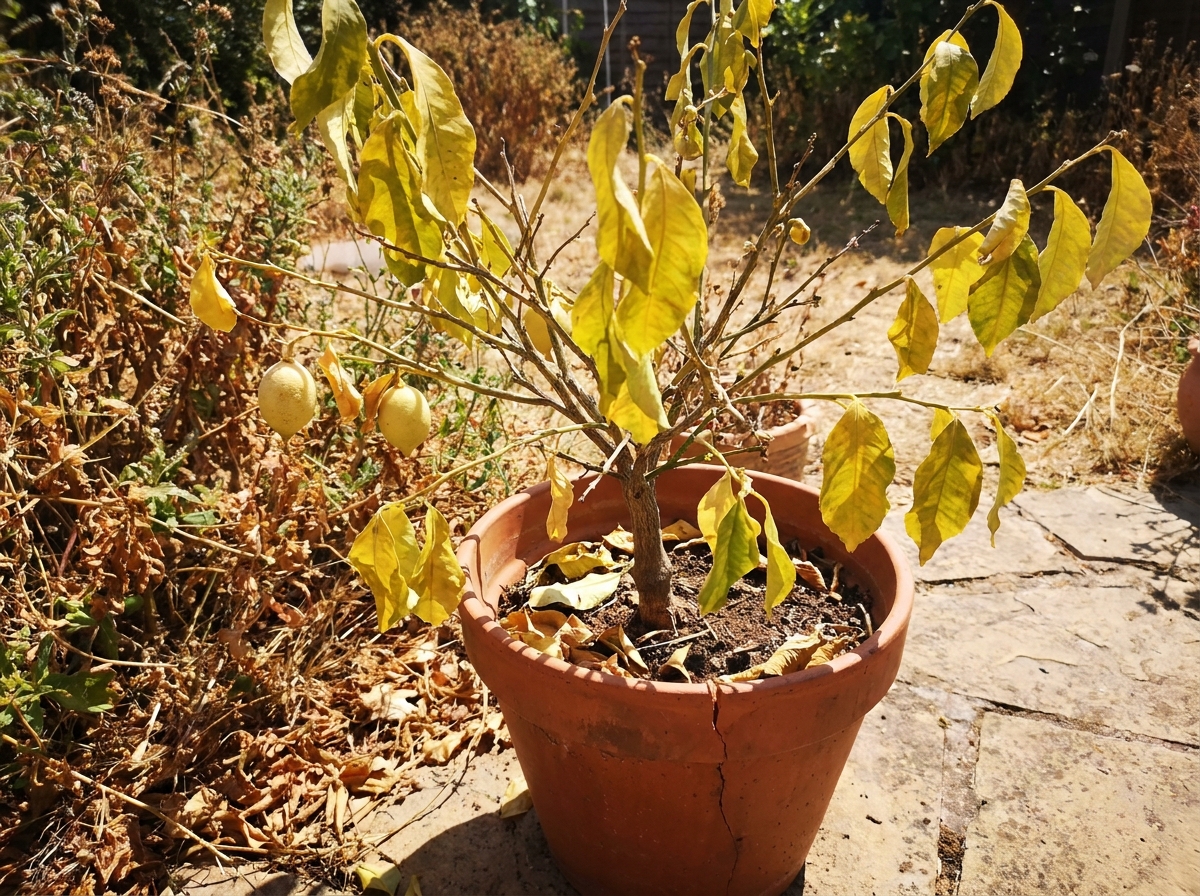
Gardeners lose these plants every single year, you know why? They’re waiting too long. The mistake? Bringing them indoors after the first frost. By then, the damage’s already done. It’s too late.
Cold stress happens well before temperatures even *think* about freezing. Here’s your save-every-plant checklist:
Bring plants inside when nights drop consistently below 10°C (50°F) for, say, three days straight — don’t wait for frost warnings. Seriously.
Gradually reduce watering for about 18 days before the move indoors — wait, that’s not quite right — start reducing it *at least* two weeks out to prepare the plant for lower-light conditions. You’ll thank me later.
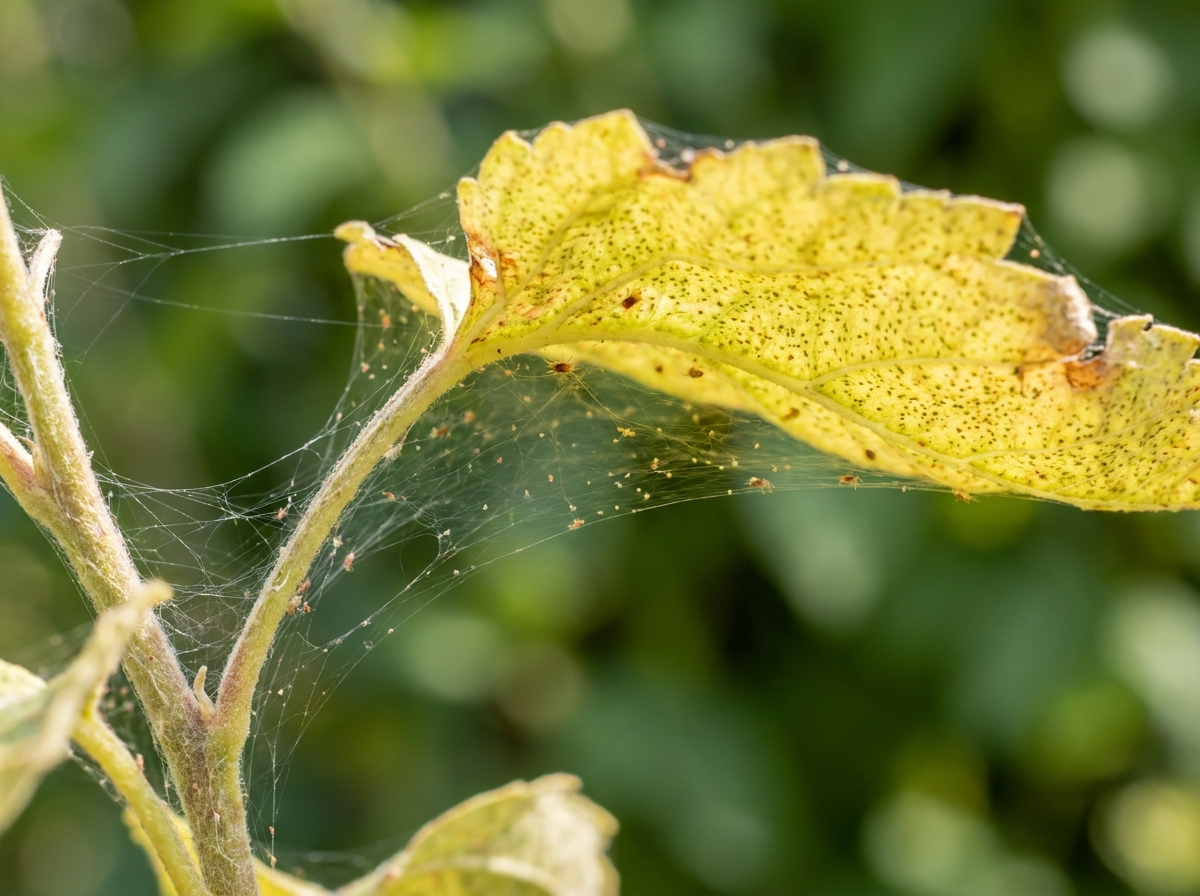
Check thoroughly for pests (spider mites, aphids, scale) before you bring anything inside. Treat ’em first, *then* move.
Place near your sunniest south-facing window (UK/US/Canada) or north-facing window (Australia/NZ/South Africa)
Plumeria? You can store ’em almost dry and dormant in a frost-free garage. It’s genuinely one of the easiest tropicals to overwinter.
Bird of paradise and hibiscus, they’re gonna need bright indoor light to stay healthy. Honestly, a grow light like a Barrina T5 is worth the investment if your windows aren’t cutting it.
Bougainvillea’s actually semi-deciduous indoors and might drop its leaves. Don’t panic! Don’t overwater. It’s resting, not dying. Promise.
These Plants Pull Double Duty as Stunning Houseplants
Here’s what most gardeners totally overlook: all four of these plants? They’re legitimately beautiful indoors year-round — not just as overwinter refugees. Seriously stunning.
Bird of paradise in particular, it’s become one of the most coveted indoor plants in the world. Interior designers absolutely love it for its bold, graphic leaves. And you know what? The folks at Royal Botanic Gardens, Kew, they’d agree: Strelitzia reginae is among the most widely cultivated ornamental plants globally — and for good reason. It’s just brilliant.
Bird of paradise indoors: Bright indirect light, water every 7–10 days. And wipe those leaves monthly to keep ’em glossy.
Hibiscus indoors: It needs a very sunny spot; a cool conservatory or sun