June feels like the garden’s finally thriving — but this is actually the most dangerous month to get complacent. The heat’s building, pests are multiplying, and plants are making decisions right now that’ll shape your entire season.
Miss these critical tasks and you’ll spend July and August wondering what went wrong. Do ’em this week, and your garden will reward you in ways that feel almost unfair.
Most gardeners deadhead occasionally. The ones with jaw-dropping gardens do it every single time they walk outside. So, here’s why it matters so much right now.
When a flower sets seed, the plant thinks its job’s done. It slows down blooming and redirects energy into that seed pod. Removing spent flowers tricks your plant into flowering again — sometimes for months longer than it would naturally.
This is the mistake that silently ruins more gardens than any pest or disease. Daily shallow watering trains roots to stay near the surface — where they’re completely vulnerable to heat and drought.
Deep, infrequent watering forces roots to chase moisture downward. Plants with deep roots survive heatwaves that kill their shallow-rooted neighbors.
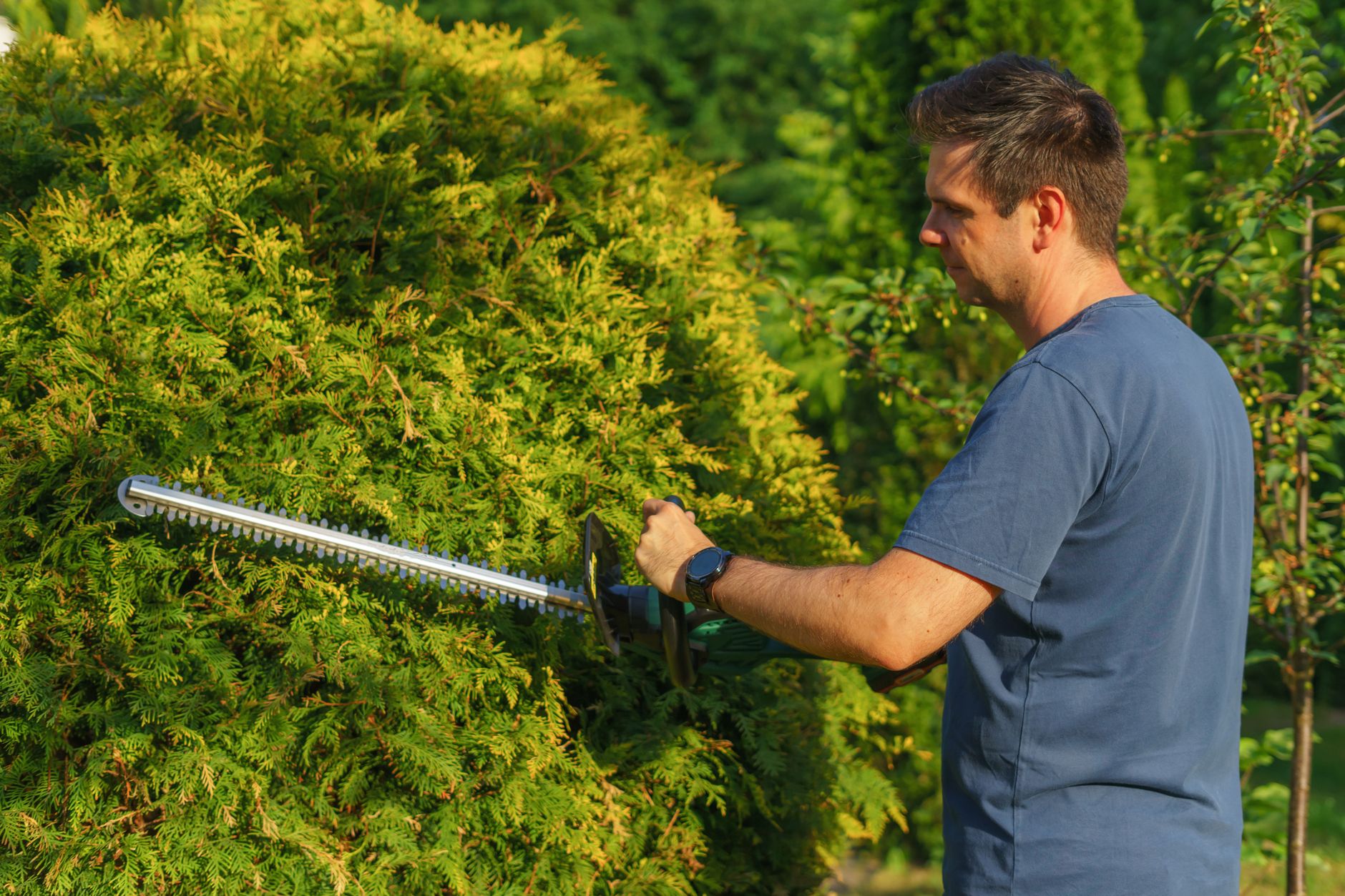
So, June’s your last real window to pinch back late-summer bloomers. Do it now and you’ll get fuller, bushier plants with dramatically more flowers. Wait until after July 11th and you’ll sacrifice blooms. Trust me.
Pinching sounds brutal but plants genuinely love it. Removing the growing tip forces the stem to split into two — doubling your flower count almost instantly.
Pest populations don’t grow linearly — they explode exponentially. Five aphids on Monday can be five hundred by Sunday. June warmth is the trigger that sets ’em off.
The best pest control in the world is catching the problem when it’s still small. A five-minute morning walkthrough now saves you hours of heartbreak later. Seriously.
A plant covered in flowers in June is burning through nutrients at an extraordinary rate. Your soil simply can’t keep up on its own. This isn’t the time to be stingy with fertilizer.
The key’s feeding the right way. Balanced or bloom-boosting fertilizers with higher phosphorus are your best friends this month.
You don’t have to do all of this at once. Pick just one task from this list today and do it before the week ends. The gardeners who have beautiful summers in August aren’t more talented — they’re just more consistent in June.
But your future self, sitting in a stunning garden in late August with a cold drink, will be genuinely grateful you read this on a Monday morning in June. Promise.
Which of these tasks have you been putting off the longest? C’mon, drop it in the comments — you aren’t alone, and someone here might have the exact tip that helps you finally tackle that faff. 🌿