I killed my first bird of paradise through pure, misguided kindness. Too much water, too much fuss, too much repotting into a bigger pot every time it looked “cramped.” Three years of effort, zero flowers. Then I did the exact opposite of everything I’d been doing — and it bloomed the following spring. Classic.
Bird of paradise (Strelitzia reginae)? It’s one of those plants that looks impossibly exotic, but honestly, it’s actually far tougher than it gets credit for. The problem is, most of the advice floating around about it isn’t quite right, or it’s just incomplete. So, here’s what actually works — based on a lot of trial, error, and one genuinely weird trick I’ll get to shortly.
But here’s the thing: most gardeners assume a plant that isn’t blooming needs more: more fertiliser, more space, more water, more light. With bird of paradise, that instinct? It’ll betray you every single time.
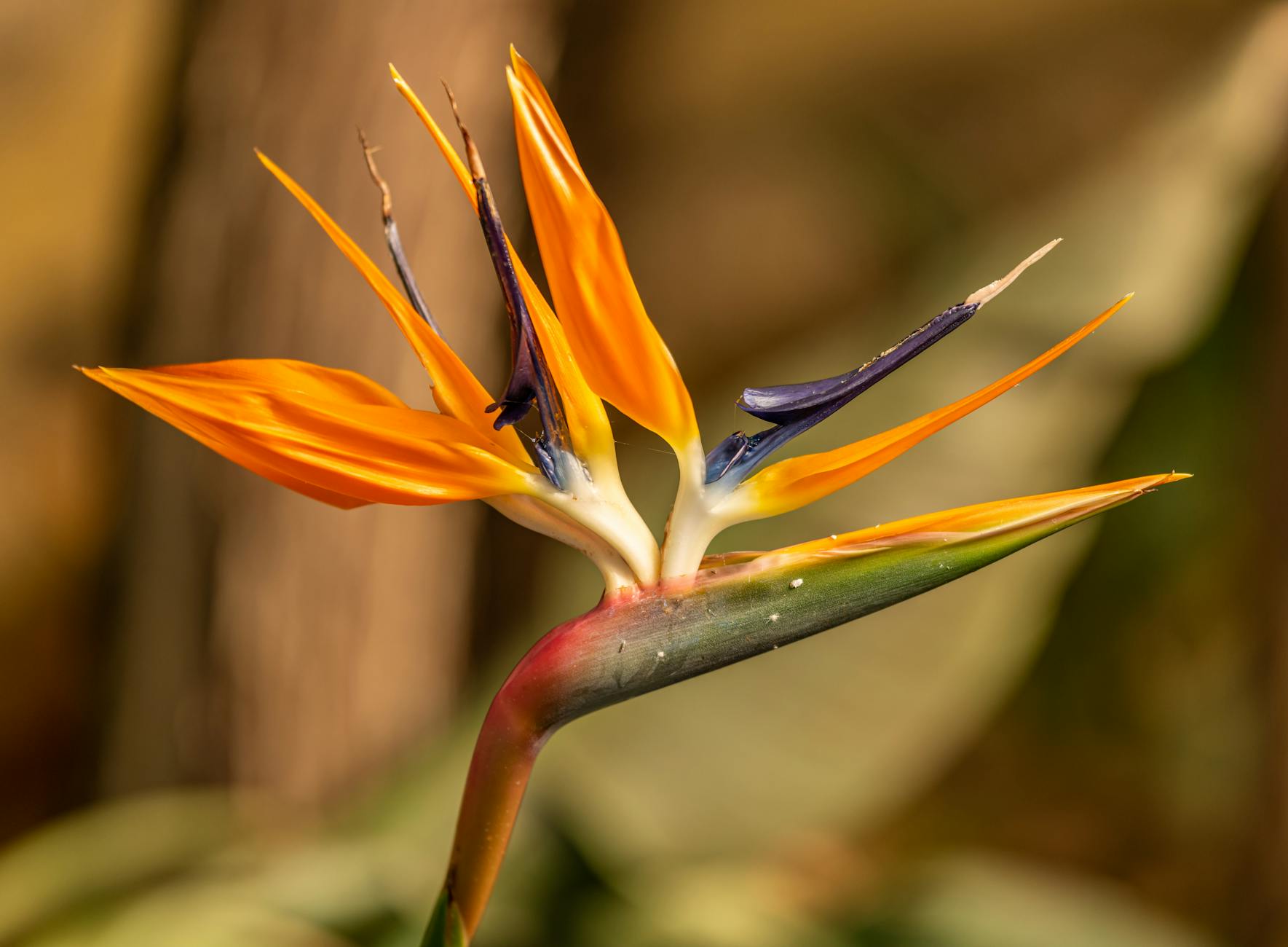
The single biggest reason bird of paradise refuses to bloom is being in too large a pot. Full stop. It flowers best when its roots are genuinely cramped — what growers call “pot-bound” or “root-bound.” It’s stress-induced flowering. The plant essentially decides it needs to reproduce, and out come those extraordinary orange-and-blue blooms. Think about it: survival.

Bird of paradise grows naturally in South Africa’s Eastern Cape — it’s a region with dry winters and warm, moderately wet summers. That context? It matters enormously for how you’re going to care for it.
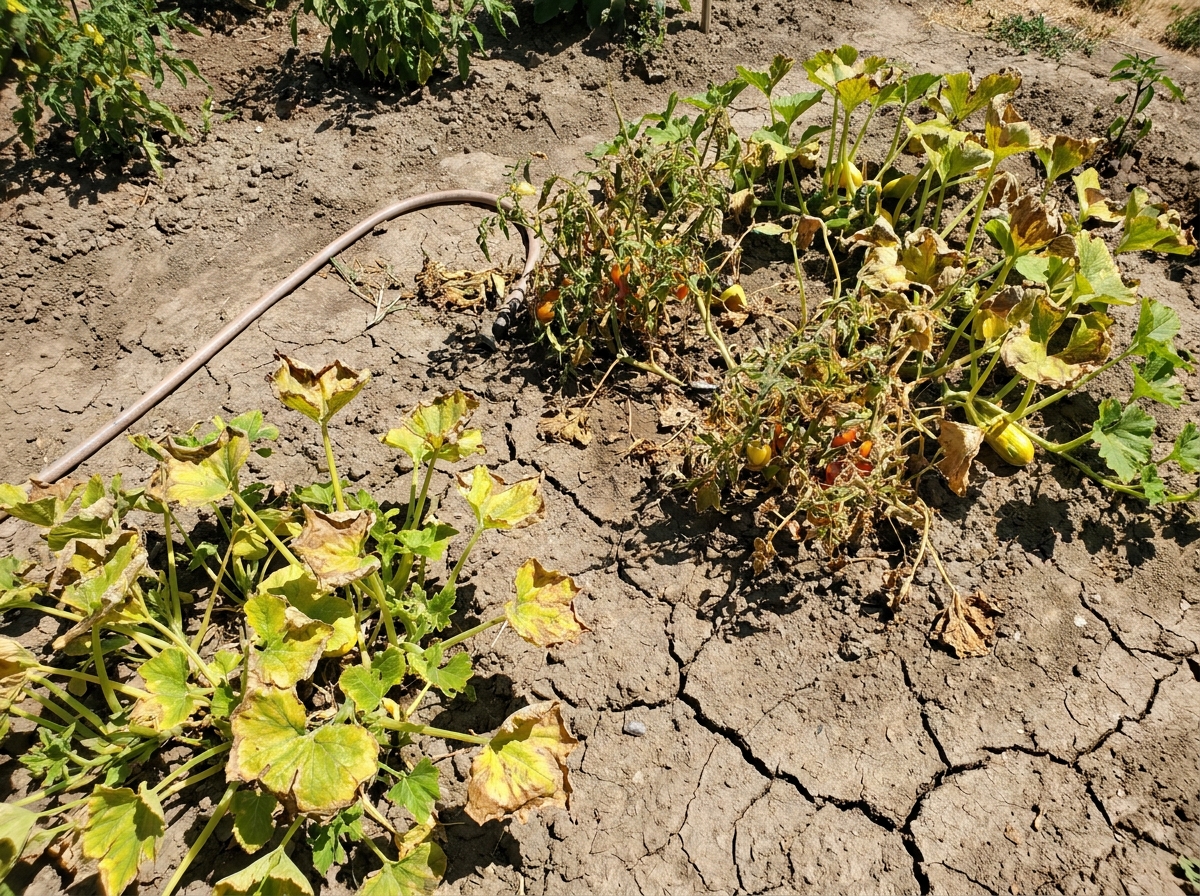
In summer, water it generously when the top inch of soil feels dry. But in winter? Back off almost completely. Root rot from winter overwatering kills far more of these plants than cold temperatures ever do. It’s a plant killer, pure and simple.
So, here’s the genuinely weird detail I promised: experienced Strelitzia growers sometimes deliberately let the plant get slightly wilted — not badly, just to the point of very slight leaf drooping — before watering in winter. It mimics the dry season stress that triggers next year’s bloom cycle. I was deeply skeptical the first time I read this — actually, no — I thought it was completely bonkers. Then I tried it. It worked.
If you’re in the UK, Canada, Ireland, or the northern US states, this? This is genuinely good news. Bird of paradise isn’t just a garden plant for the lucky few in warm climates — it’s one of the most architectural, dramatic houseplants you can grow.
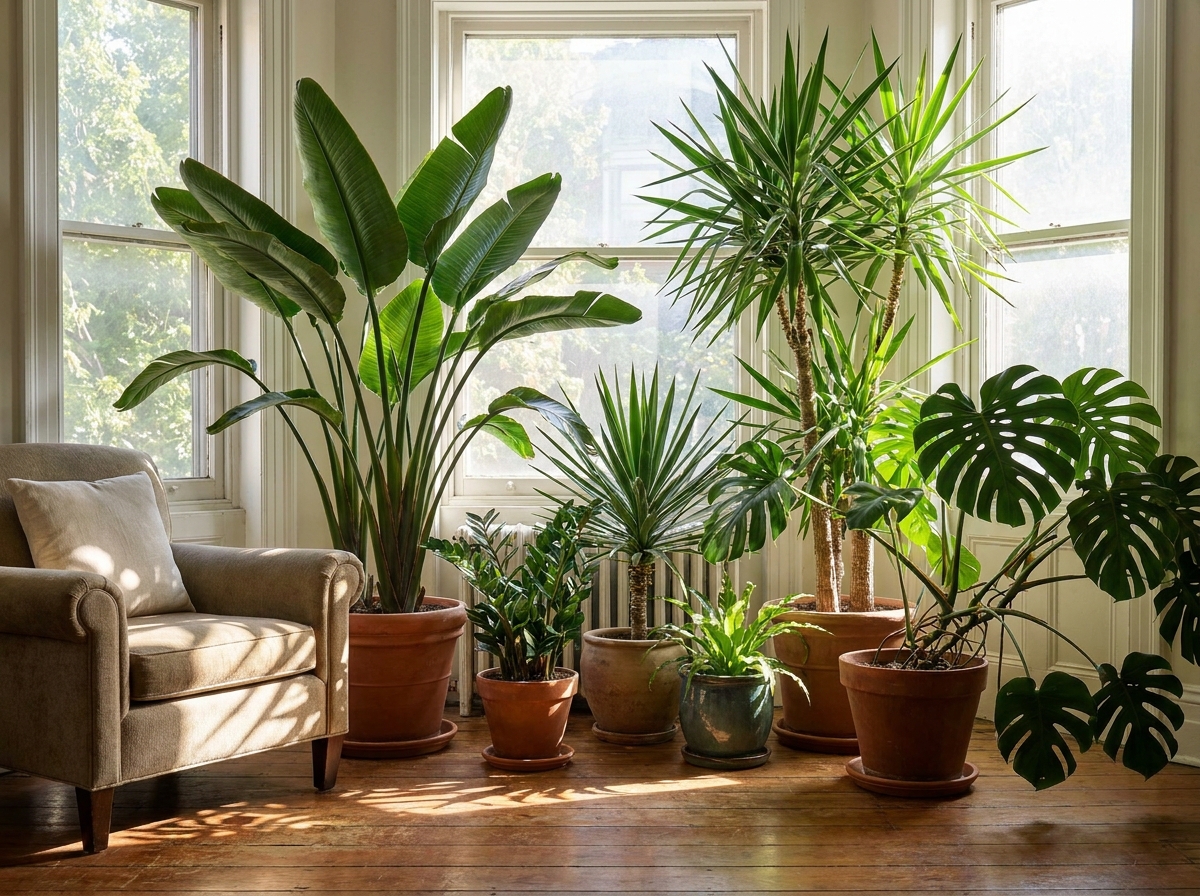
It tolerates indoor conditions remarkably well, provided it gets several hours of direct sun daily. A south-facing window in the UK or north-facing window in Australia is ideal. It won’t bloom as reliably indoors, but the foliage alone — those enormous paddle-shaped leaves — is reason enough to grow it. You won’t regret it.
And if you’re navigating the challenge of keeping tropical beauties alive through cold months, the advice in The 4 Tropical Plants That Will Transform Your Garden (And How to Keep Them Alive All Winter) is genuinely worth reading alongside this. It’s really useful.
Bird of paradise? It’s a moderate feeder. Not super hungry, but it won’t be happy being ignored either. A balanced fertiliser (NPK roughly 10-10-10 or similar) applied monthly during the growing season is plenty. Ease off entirely from late autumn right through winter.
And here’s the thing almost everyone gets wrong: Division. When a mature plant starts producing offshoots — those adorable baby plants that emerge at the base — most gardeners get all excited and divide immediately. Understandable. Tempting. Wrong timing.
Divide only when the offshoot has at least 3–4 of its own leaves and is clearly establishing itself, and always do it in spring, never autumn or winter. Dividing too early or too late? That’ll set both the parent and the offset back by a full growing season. Don’t faff about with it before spring.