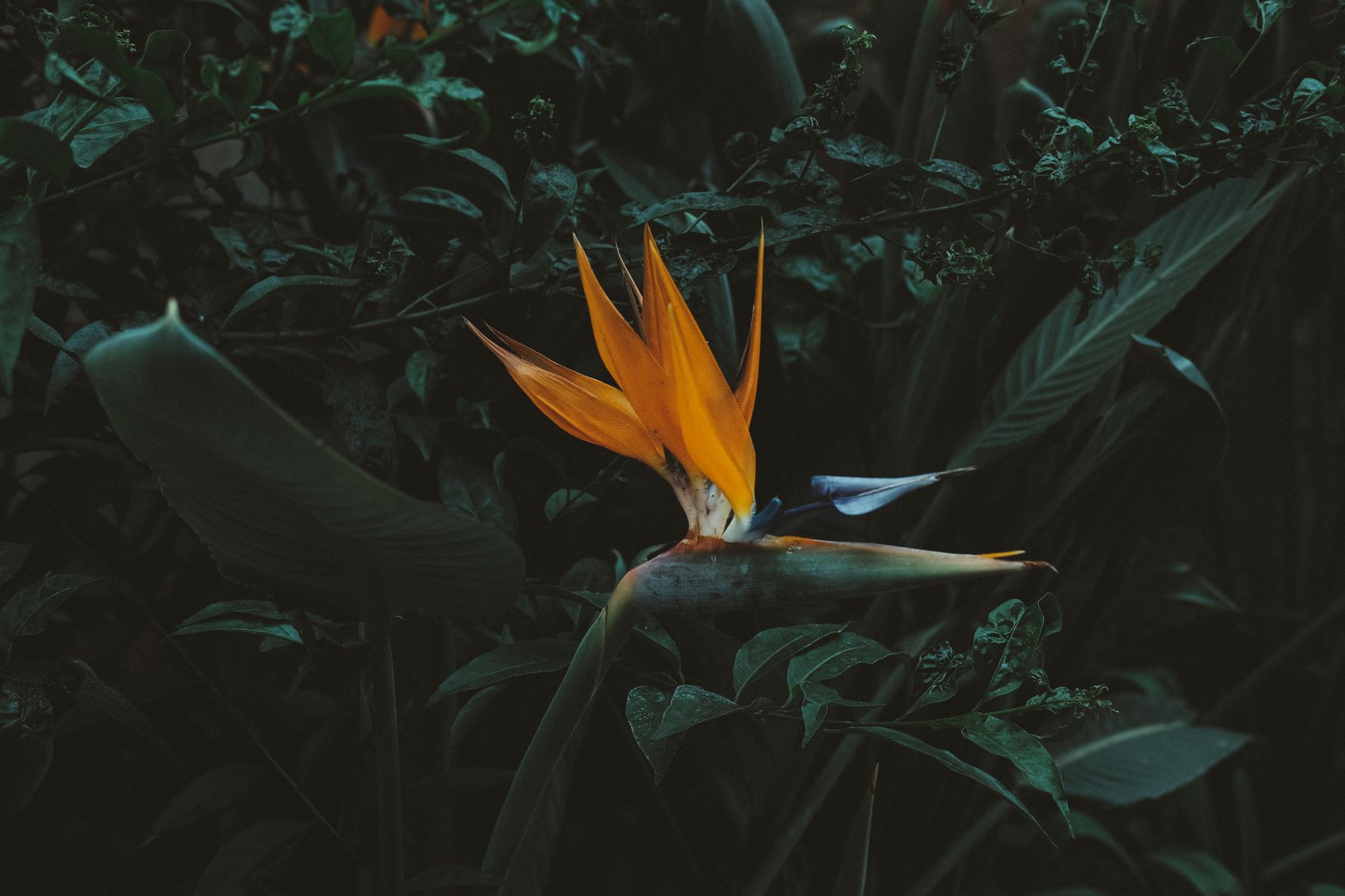
I bought my first bird of paradise in 2021, potted it into the nicest terracotta container I owned, fed it religiously, moved it to the sunniest spot in the garden — and then watched it produce absolutely nothing but leaves for two and a half years. Big, beautiful, theatrical leaves, that’s what I got. But not a single flower. I nearly gave up on the whole thing, I really did.
Here’s what nobody told me: bird of paradise actually blooms better when it’s stressed. Not neglected — stressed. There’s a difference, and it took me an embarrassingly long time to figure it out.
But most gardening advice focuses on what to give plants — water, feed, space, light. With Strelitzia reginae, the problem’s almost always the opposite. You’re giving it too much of something.
The RHS notes that Strelitzia can take 3–5 years to bloom from seed, and even division-grown plants sometimes sulk for years. It’s not you. It’s them. But the root-bound trick genuinely accelerates things. It really does.
Almost every non-flowering bird of paradise is suffering from generosity rather than neglect. Here are the three excesses to look for, and what to do instead.
| Too much of… | What you see | What to do instead |
|---|---|---|
| Root space | Vigorous roots, plenty of leaves, no flower spikes | Leave it root-bound; only pot on when roots escape the drainage holes |
| Nitrogen | Lush, leafy growth and no blooms | Swap general-purpose feed for a low-nitrogen, high-potassium tomato feed from mid-spring |
| Winter warmth | A comfortable plant that never feels the season change | Overwinter cool and bright at around 10–13°C (50–55°F), not in a heated conservatory |
| Midsummer water | Permanently plump, “smug” leaves and no flower spike | Let the soil dry almost completely between waterings in midsummer, then water generously once a spike shows |
Correct the excess rather than adding anything, and the flower spike usually follows.
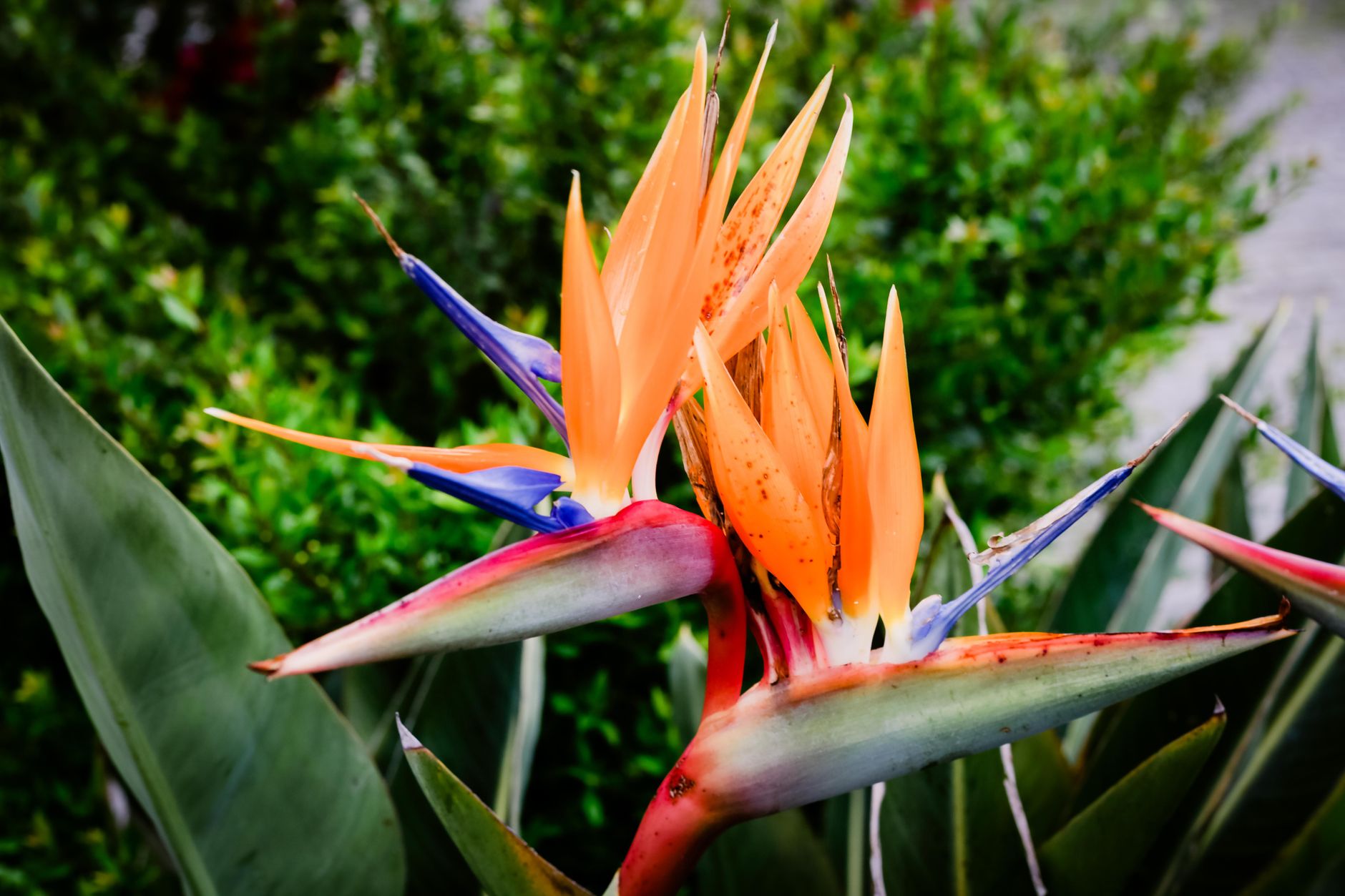
Here’s the specific, slightly unhinged thing I eventually did: I moved my pot against a south-facing brick wall and left it there all summer without watering it for three full weeks. The leaves started to look a tiny bit tired. Nothing dramatic — no wilting, no browning. Just… slightly less smug.
Six weeks later, I had my first flower spike.
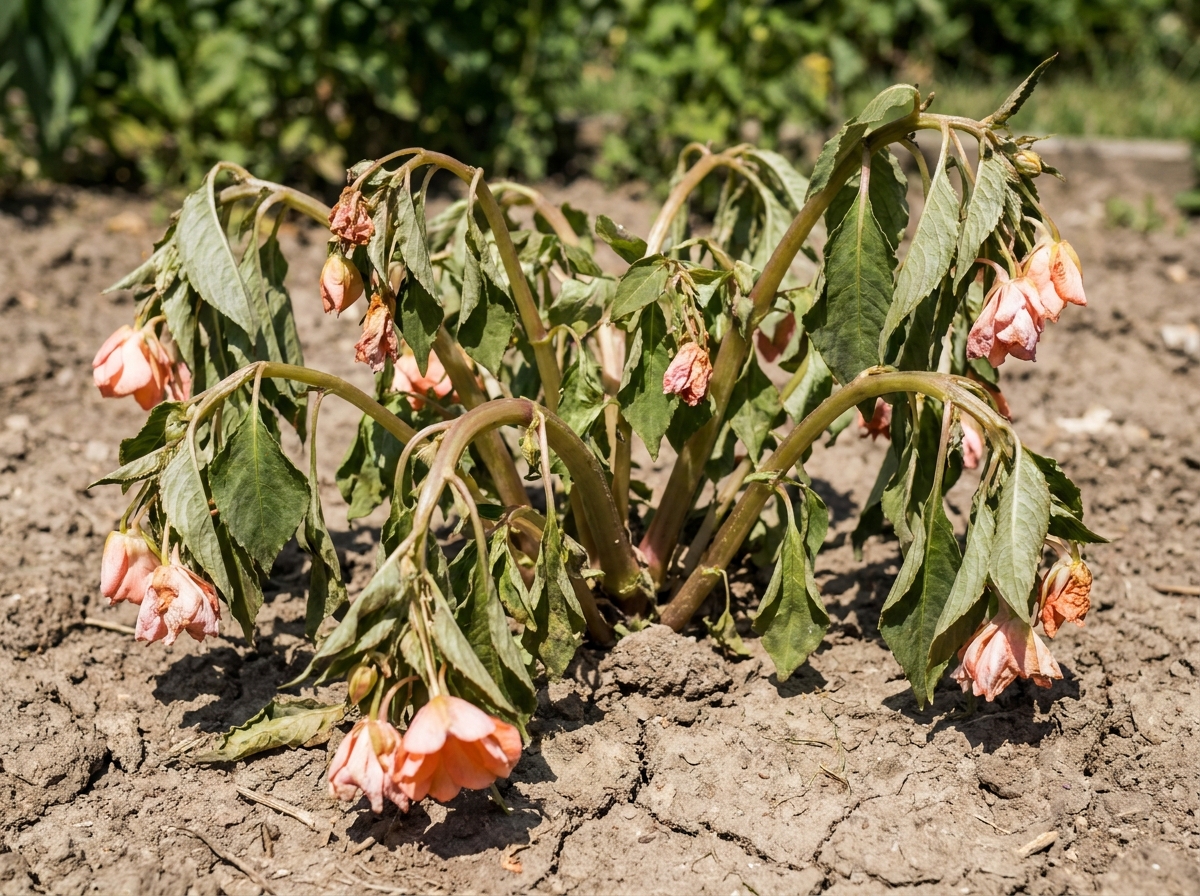
What I’d accidentally done was mimic the dry season that Strelitzia reginae experiences in its native Eastern Cape region of South Africa. The plant’s adapted to survive drought — and drought, it turns out, is one of the signals that tells it to flower before conditions get worse. Mild water stress in midsummer appears to be genuinely useful. Not torture — just a firm reminder that it’s not in a greenhouse forever.
If you’re in the UK, Canada, northern US states, or anywhere that sees frost, you can absolutely grow bird of paradise — just not year-round outdoors. Think of it less as a garden plant and more as a container plant that holidays outside.
So, I know people growing beautiful specimens in London, Seattle, and even Toronto who simply treat June through September as “outside season” and bring the pot in before the first frost warning. It sounds like a faff. It isn’t, really.
If you’re in Sydney or Cape Town right now in June — you’re heading into winter. This is actually a good time to check your container Strelitzia isn’t sitting in waterlogged soil, as wet cold roots are far more damaging than dry cold ones. Hold off watering and let the pot drain fully.
One thing I stumbled onto completely by accident: bird of paradise looks extraordinary planted near agapanthus. Both are South African. Both tolerate similar conditions. The blue-purple of agapanthus against the orange-and-blue of Strelitzia in mid-July is genuinely one of the most striking combinations in a temperate garden. And neither plant requires much fuss once established.
The key is planting both in gritty, free-draining soil with a gravel mulch. They’ve a hate for wet crowns in winter far more than they hate cold. Get the drainage right and both plants become almost bulletproof.
If you’ve had success (or failure) with other tropical plants alongside your bird of paradise, some of the