Companion planting for summer pests: which combinations actually work
0
July is peak pest season, and companion planting might just be your cheapest defence. But which plant pairings actually work? New trials from university research programmes and practitioner networks reveal the truth behind the folklore, separating proven combinations from persistent gardening myth.
Summer pest pressure is reaching its peak right now
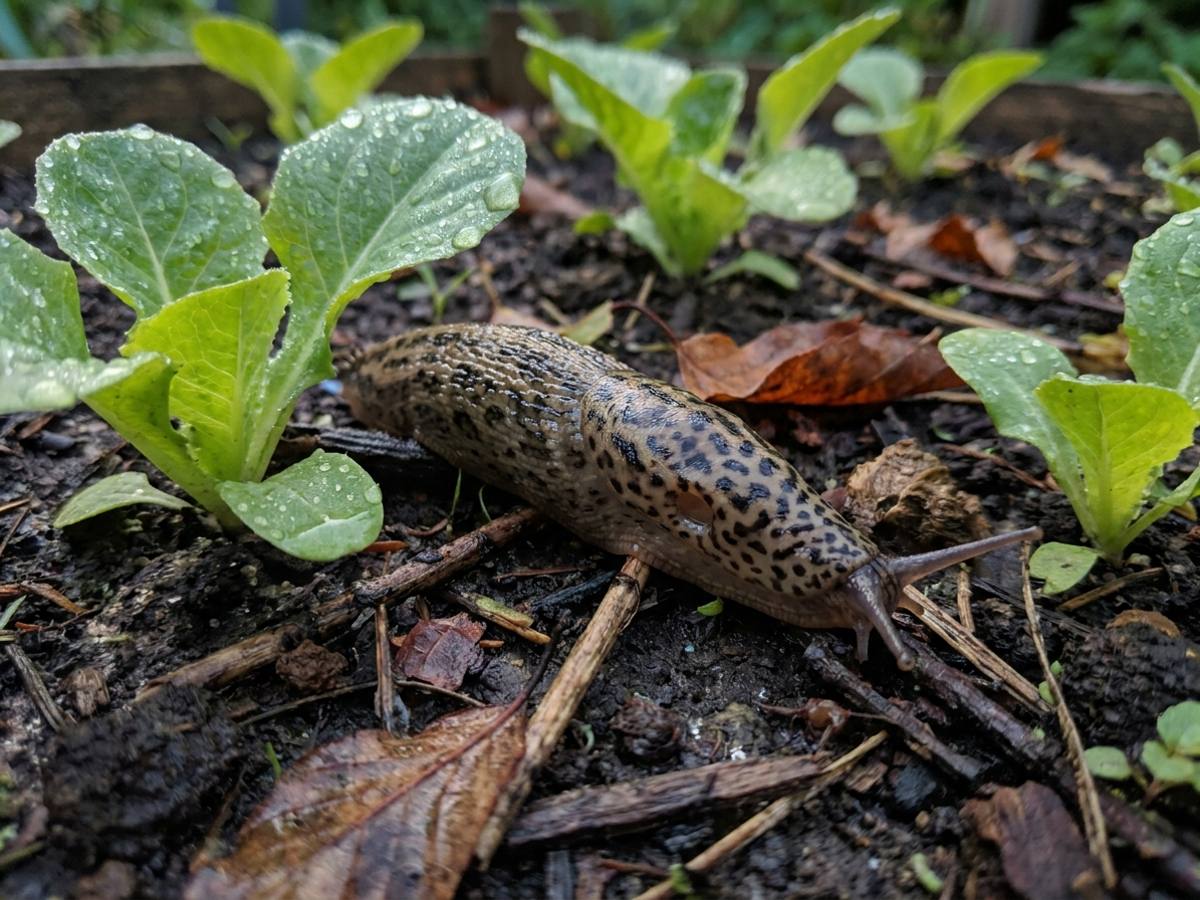
Across both the UK and US, July marks the moment when aphids, whitefly, spider mites and hornworms reach critical populations. Gardens that were relatively healthy in June suddenly feel under siege. The warm, dry conditions many regions are experiencing create ideal breeding grounds for soft-bodied insects, whilst established plants offer them abundant food and shelter.
Not all companion planting folklore holds up under scrutiny
Gardeners have long paired marigolds with vegetables to deter pests, yet recent trials from Oregon State University and the Royal Horticultural Society suggest the effect is far weaker than tradition suggests. Marigolds may help slightly, but only when planted densely and only against certain species. Worse, many gardeners plant them too late or too sparsely to make any real difference.
The good news: some combinations do deliver measurable results. Nasturtiums genuinely attract aphids away from brassicas when planted as a sacrificial crop. Basil planted near tomatoes shows consistent reduction in whitefly pressure across multiple trials. Alliums, including chives and garlic, demonstrate genuine fungal suppression when interplanted with beans and squash. The key difference between myth and method is density, timing and choosing the right pairing for your specific pest.
Use these proven combinations this July
Start with the pairings that have demonstrated real results in controlled trials and real gardens:
Basil alongside tomatoes and peppers to reduce whitefly colonisation, planted densely in late June or early July
Nasturtiums as a trap crop around brassicas, positioned at least 30 centimetres from the main plants to draw aphids away
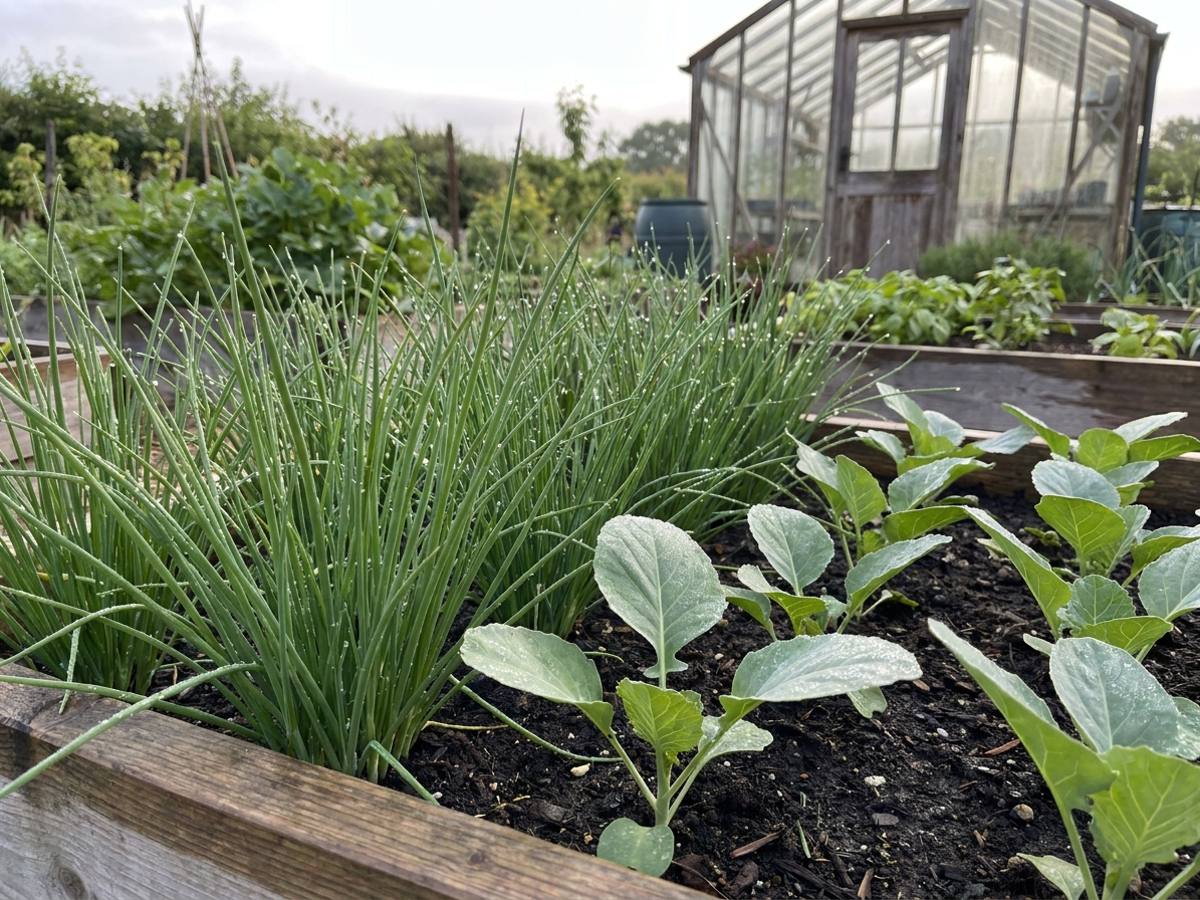
Chives interspersed through bean rows to suppress rust fungus and reduce spider mite activity
Borage flowering between squash plants, which encourages beneficial pollinators and parasitic wasps that hunt pest insects
Monitor progress through late summer and into autumn
The real test of companion planting arrives in August and September, when stressed plants become more vulnerable to secondary infestations. Observe which pairings maintained healthy foliage and which pest populations remained controllable without chemical intervention. Keep notes on density, spacing and timing, because these variables matter far more than the species alone.
🌿 Nature & Garden Newsletter
Gardening tips, recipes & seasonal advice, twice a week.