Growing Verbascum olympicum: care tips and planting advice
0
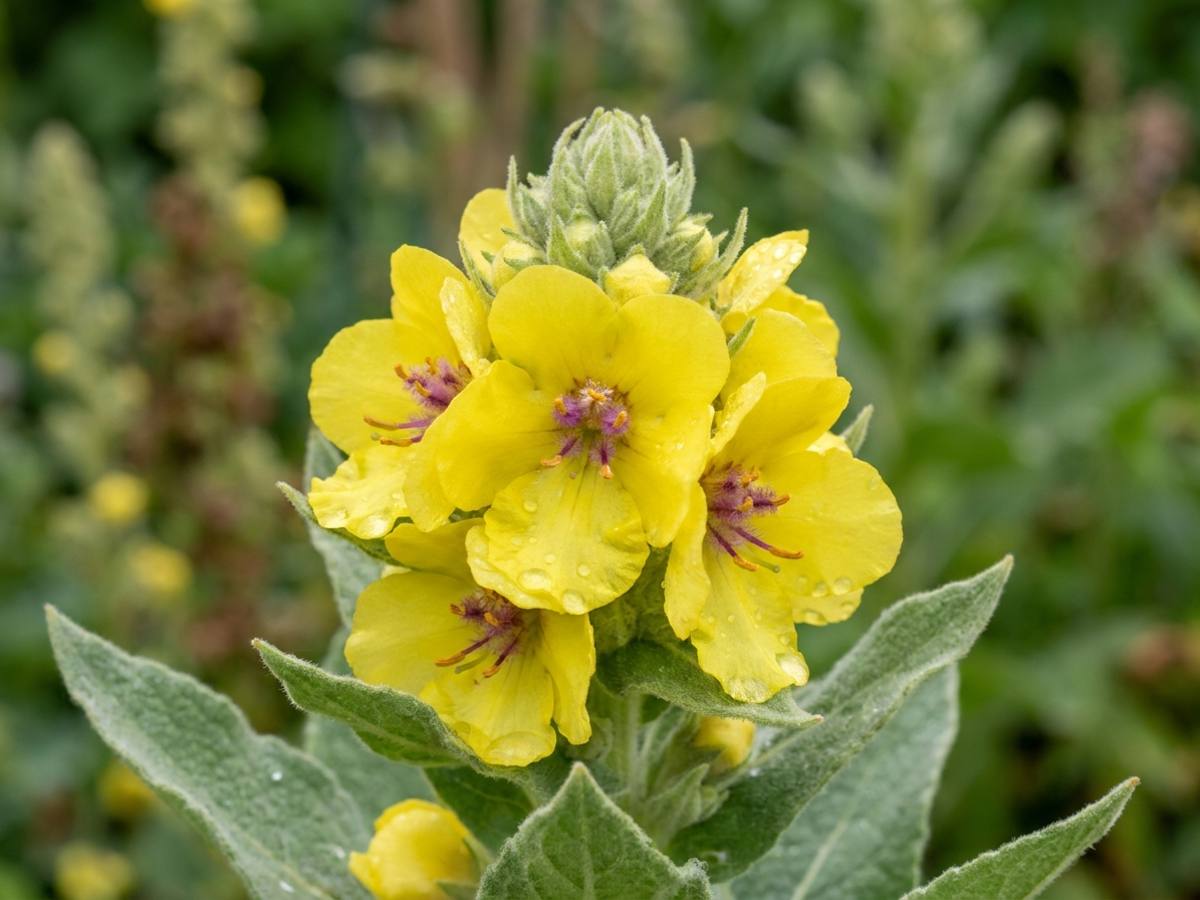
Verbascum olympicum is one of the great architectural plants of the summer border, sending up a candelabra of golden-yellow flower spikes that can top 2 m. Before it flowers it forms a magnificent rosette of felted, silver-white leaves that looks sculptural even in midwinter. It is monocarpic — each rosette flowers once, sets seed and dies — but it self-sows freely enough to keep itself going indefinitely.
Growing conditions
Give this mullein the sunniest, most open position you have. It comes from the stony hillsides of north-western Turkey and needs a full day of direct sun to build a strong rosette and a stem stiff enough to stand unaided. In shade the leaves stretch, lose their silvery felt and the flower spike leans badly.
Drainage matters more than fertility. Poor, gritty, chalky or sandy soils suit it perfectly, and it thrives on thin ground where little else prospers. It tolerates a pH from about 6.5 to 8.0 but dislikes heavy clay that stays wet through winter — the crown simply rots.
Cold is rarely a problem; established rosettes shrug off −20 °C. Winter wet is the real enemy, so on damp sites plant on a slope, a raised bed or a gravel garden, and consider a mulch of sharp grit around the neck of the plant.
How to plant Verbascum
Plant young rosettes in spring or early autumn, when the soil is warm and roots can establish before the extremes of summer or winter. Autumn planting usually produces the taller flower spike the following year.
Spacing: allow 60–90 cm between plants — the rosettes reach 60 cm across and crowded plants develop mildew and floppy stems.
Depth: set the crown exactly at soil level; burying it invites rot, whilst planting proud exposes the taproot.
Soil preparation: fork in horticultural grit or gravel on heavy ground rather than compost — richness produces soft growth that flops.
Watering in: water thoroughly once at planting, then only during prolonged drought; the deep taproot finds its own moisture.
Propagation: sow seed thinly on the surface of gritty compost in late spring or early summer, and leave uncovered as light aids germination.
Verbascum olympicum growing in a naturalistic garden border
Care through the seasons
Spring: Clear winter debris and fallen leaves from the centre of the rosette to prevent rotting. Resist feeding — a general fertiliser encourages lush leaves and weak stems. If self-sown seedlings have appeared, thin or transplant them now whilst the taproot is still short.
Summer: The flower spike rises in June and can gain 5 cm a day; stake only in exposed gardens, using a single stout cane behind the stem. Watering is seldom needed, though a soak in a six-week drought keeps the spike flowering longer. Deadhead the main spike as it fades to trigger a flush of shorter side branches into September.
Autumn: Decide whether you want seedlings. Leave one or two spikes standing to self-sow and to feed goldfinches; cut the rest to the ground before seed ripens if you want to limit spread. Division is not possible on a taprooted monocarp, so take root cuttings in late autumn if you wish to increase a good form.
Winter: The silvery rosette persists all winter and is a genuine ornament under frost. No protection is needed beyond a collar of grit to keep the felted leaves off wet soil.
Best varieties to grow
Verbascum olympicum is grown as the true species, but these related mulleins offer similar drama in different colours and scales.
Verbascum bombyciferum ‘Polarsommer’ (Arctic Summer) — even whiter, woollier foliage and 1.8 m spires of soft yellow; the best silver-leaved alternative.
Verbascum ‘Gainsborough’ — an AGM cultivar with pale primrose flowers on 1.2 m stems and a longer-lived, more perennial habit.
Verbascum chaixii ‘Album’ — an AGM plant bearing white flowers with mulberry-purple eyes on slender 1 m spikes, ideal for smaller borders.
Verbascum ‘Cotswold Beauty’ — dusky apricot-buff flowers with purple stamens, excellent woven through grasses and salvias.
Pests, diseases and common problems
Mullein moth caterpillars: pale caterpillars with black and yellow markings can strip the leaves within days in late spring. Pick them off by hand each morning and relocate them; the plant almost always recovers and flowers regardless.
Crown and root rot: yellowing, collapsing rosettes over winter signal waterlogging. Improve drainage with grit, replant on a mound, and avoid mulching with wet organic matter near the crown.
Powdery mildew: a white bloom on the lower leaves in hot, dry summers, usually on crowded or shaded plants. Remove affected leaves, widen spacing to 90 cm and water at the roots rather than overhead.
🌿 Nature & Garden Newsletter
Gardening tips, recipes & seasonal advice, twice a week.