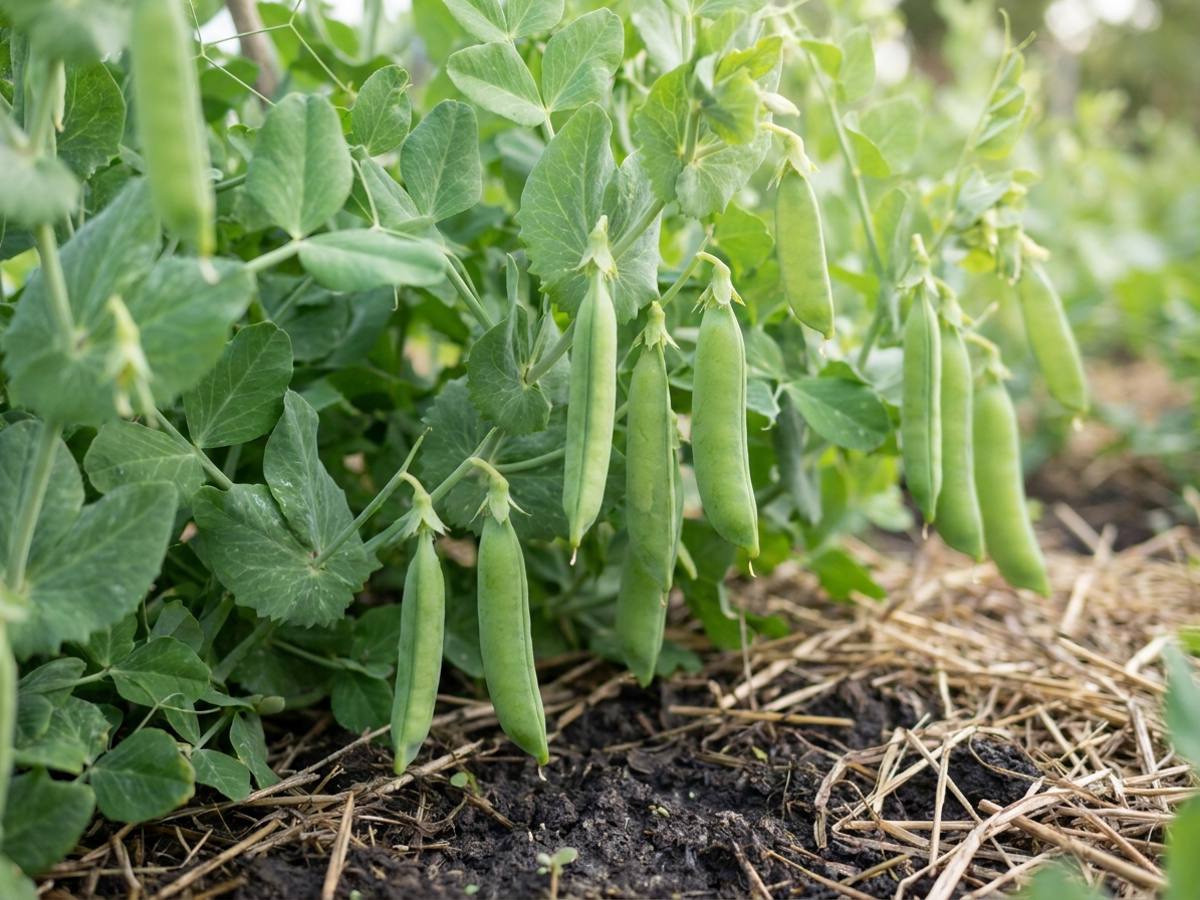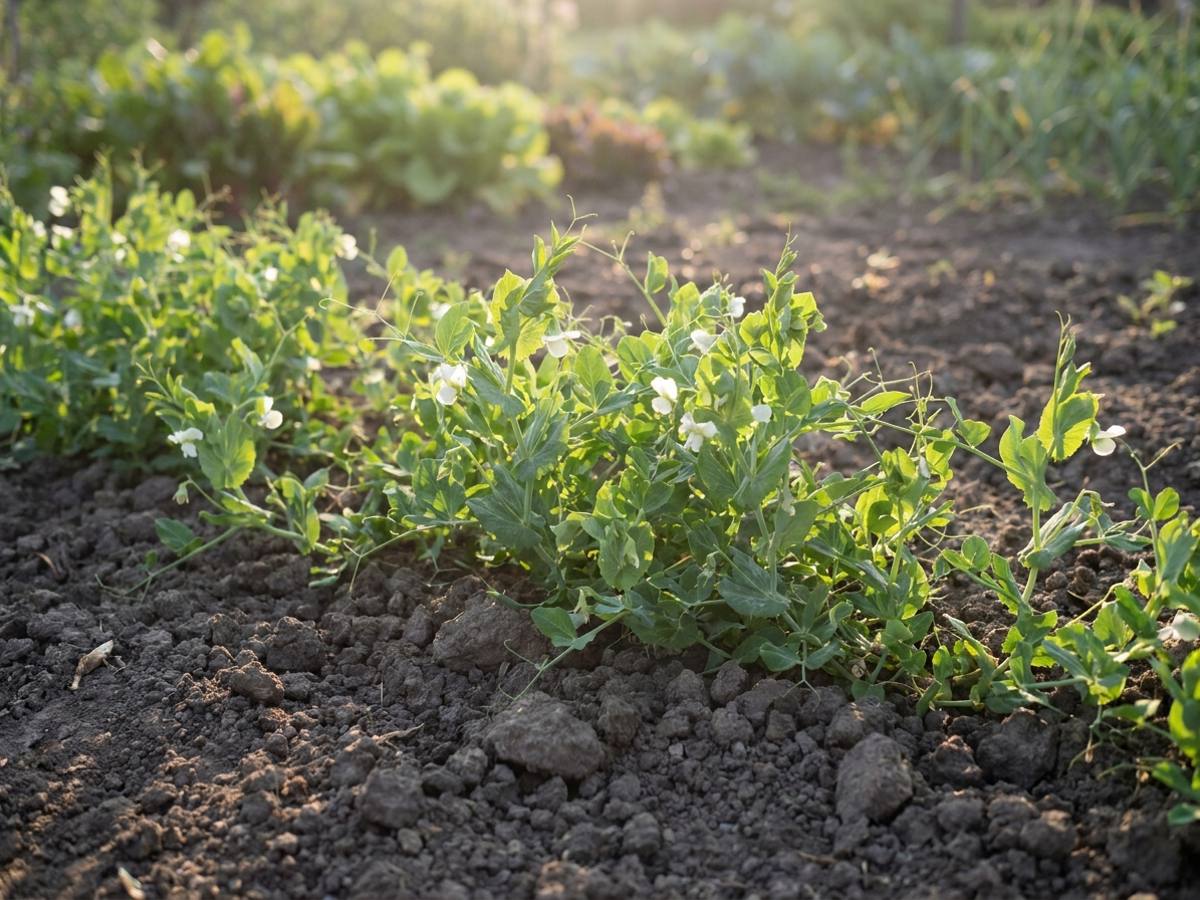
Forget the bamboo stakes and netting. Recent growing trials reveal that unsupported pea varieties actually outperform their staked cousins, producing heavier yields and noticeably sweeter pods. If you are harvesting peas in late summer, it’s the perfect moment to rethink your approach for next season and plant varieties bred to crop without support.
Late summer is peak harvest season for spring-sown peas across both the UK and US. Gardeners are out daily picking pods, and it’s the moment when staking decisions become obvious. Those who invested in elaborate support systems are now wrestling with tangled vines and difficult picking angles, whilst neighbouring plots growing unsupported varieties are delivering cleaner, easier harvests from more compact plants.
For decades, gardeners have assumed that tall climbing peas require stakes, netting, or pea sticks to reach their full potential. New crop trials from horticultural research centres suggest the opposite. When pea plants compete naturally for light without artificial support, they develop stronger root systems, thicker stems, and more lateral branching. The result is a denser plant that produces more flowers and, ultimately, more harvestable pods per square metre.
One significant finding: unsupported varieties cropped approximately 18 percent heavier than traditionally staked varieties grown in identical conditions. The pods were also sweeter, likely because the plant’s energy went into fruit rather than climbing tall stems. Gardeners who’ve trialled this approach report picking from knee-height rather than stretching upwards, which saves backs and time.
If you’re harvesting now, these actions will set you up for success next spring:
The article’s advice falls into a short sequence of tasks, each tied to a moment in the season. Work through them as the harvest winds down and next year’s bed is largely prepared for you.
| Task | When | Why it matters |
|---|---|---|
| Scout seed catalogues for compact and semi-leafless varieties | Late summer | Choose types bred to crop without support, such as ‘Hurst Green Shaft’ or ‘Oregon Sugar Pod’ |
| Record the spacing of the crop you are picking | Late summer | Lets you sow unsupported varieties at the same density next year, with no infrastructure added |
| Strip out stakes, netting and pea sticks | Late summer | Frees up both time and materials for other crops |
| Clear the haulm to the compost heap | Late summer to early autumn | Better than leaving the foliage standing through autumn |
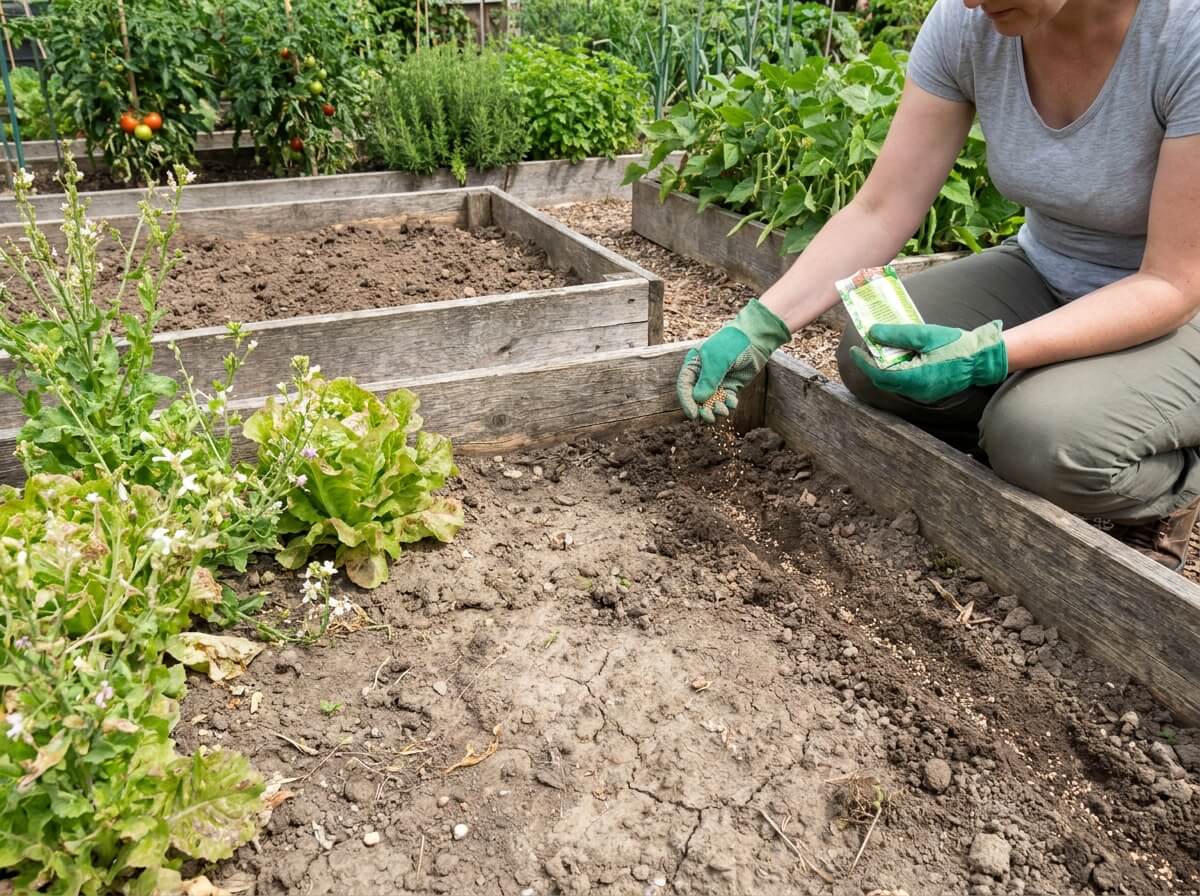
| Sow autumn and winter vegetables in the vacated ground | Early autumn | Makes space for next year’s peas and lets the old pea ground rest and rebuild fertility |
| Watch which varieties hold leaves longest as the weather cools | Early autumn | The observation informs variety choice for the following spring sowing |
Done in this order, the bed is cleared, recorded and re-sown before the first hard weather arrives.
As late summer turns toward early autumn, watch how your current pea plants behave in the cooling weather. Note which varieties hold their leaves longest and which stop producing earliest. This observation will inform your variety choices for spring 2027. Begin sowing autumn and winter vegetables now to make space for next year’s pea crop, and allow soil to rest and rebuild fertility where peas grew this year.