Chinese artichoke: varieties, planting and garden uses
0
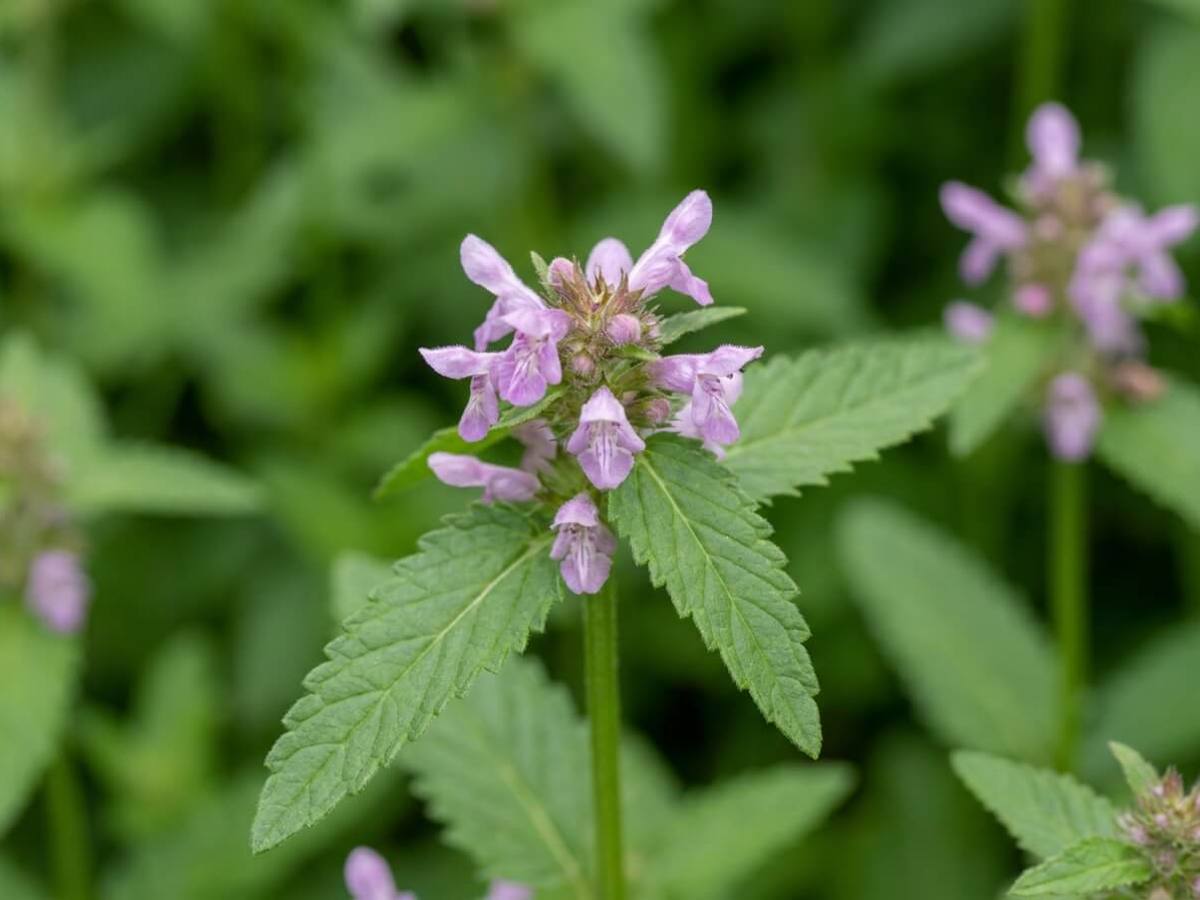
Chinese artichoke is a low, mint-like perennial grown not for its looks but for the curious little tubers hidden beneath it: pearly-white, ribbed spirals that look rather like fat grubs or strings of beads. The crisp, nutty flesh tastes somewhere between a water chestnut and a young globe artichoke heart, and it needs no peeling. It is one of the easiest root crops to grow, and one of the hardest to get rid of once established.
Growing conditions
Give Chinese artichoke an open, sunny position for the heaviest crop. It will grow happily in dappled or afternoon shade, but tuber size drops noticeably — expect marbles rather than fingers. A sheltered spot helps, as the soft square stems flop in strong wind.
Light, friable soil is the key to a good harvest, because the tubers form at the tips of thin underground runners and cannot swell properly in compacted ground. A sandy or silty loam enriched with well-rotted compost is ideal, with a pH between 6.0 and 7.5. Heavy clay produces small, muddy, awkwardly shaped tubers that are a misery to wash.
The plant is thoroughly hardy across Britain, northern Europe and most of North America, dying back to the ground each autumn and resprouting in spring. In hot, dry climates it benefits from partial shade and generous mulching, since drought during late summer stops tuber formation outright.
How to plant Chinese artichoke
Plant tubers in March or April, as soon as the soil has warmed to about 8 °C and is workable. Autumn planting is possible in mild areas, but spring planting gives a cleaner, more predictable growing season of roughly 160 to 200 days.
Space tubers 30 cm apart with 40 cm between rows — closer spacing simply produces more, smaller tubers.
Set each tuber horizontally, 5–8 cm deep; deeper planting delays emergence without improving yield.
Fork in two bucketfuls of well-rotted compost per square metre and remove stones, which cause forked, knobbly tubers.
Water in thoroughly, then keep the soil evenly moist until shoots appear in four to six weeks.
To propagate, simply save a handful of firm tubers at harvest and replant immediately, or lift and divide an established clump in early spring.
Care through the seasons
Spring: Shoots emerge in April and May, slightly later than most weeds, so hoe carefully between rows until the crop is identifiable. A light dressing of balanced organic fertiliser or a mulch of garden compost is all the feeding needed. Avoid high-nitrogen feeds, which give lush leaves and few tubers.
Summer: Water generously from July onwards, as tuber initiation coincides with the driest weeks of the year; a thick straw mulch holds moisture and keeps the surface soft. Earth up slightly around the stems in midsummer to encourage runners. Pinch out any flower spikes to channel energy downwards, and pull up stray shoots appearing beyond the bed.
Autumn: Foliage blackens after the first frosts, usually in late October or November — that is the signal that the tubers have finished swelling. Cut the stems to ground level and leave the crop in the soil, lifting only what you need. Mark the row clearly with canes so you can find it in winter.
Winter: The tubers are perfectly hardy left in the ground and can be dug from November through to March whenever the soil is not frozen solid. In very cold regions, a 10 cm mulch of straw or leaves keeps the ground workable.
Best varieties to grow
Chinese artichoke remains an almost unimproved crop, so you are generally buying a regional strain rather than a true cultivar.
‘Crosne du Japon’ — the classic French market strain, with short, tightly ribbed, very white tubers and reliable yields of around 250 g per plant.
‘Chorogi’ — the Japanese form, traditionally pickled in red shiso or plum vinegar for New Year dishes, which turns the tubers a vivid pink.
Stachys sieboldii — stock sold under this older name is the same species, so there is no need to buy both.
Stachys affinis (unnamed nursery strains) — specialist suppliers select for larger, less convoluted tubers that are far quicker to clean; always buy the biggest tubers offered.
Pests, diseases and common problems
Slugs and snails: They graze emerging spring shoots and rasp the skins of shallow tubers. Clear debris from around the bed, water in the morning rather than the evening, and use wool pellets or beer traps.
Eelworm and root-knot nematode: Stunted plants with knotted, pimpled tubers indicate nematodes in warm soils. Practise a four-year rotation and never replant Chinese artichoke in the same bed twice running.
Unwanted regrowth: Any tuber fragment left behind sprouts the following spring, turning the crop into a weed. Dig the bed over twice in late winter, and consider growing it in a bottomless container or a deep raised bed to contain it.