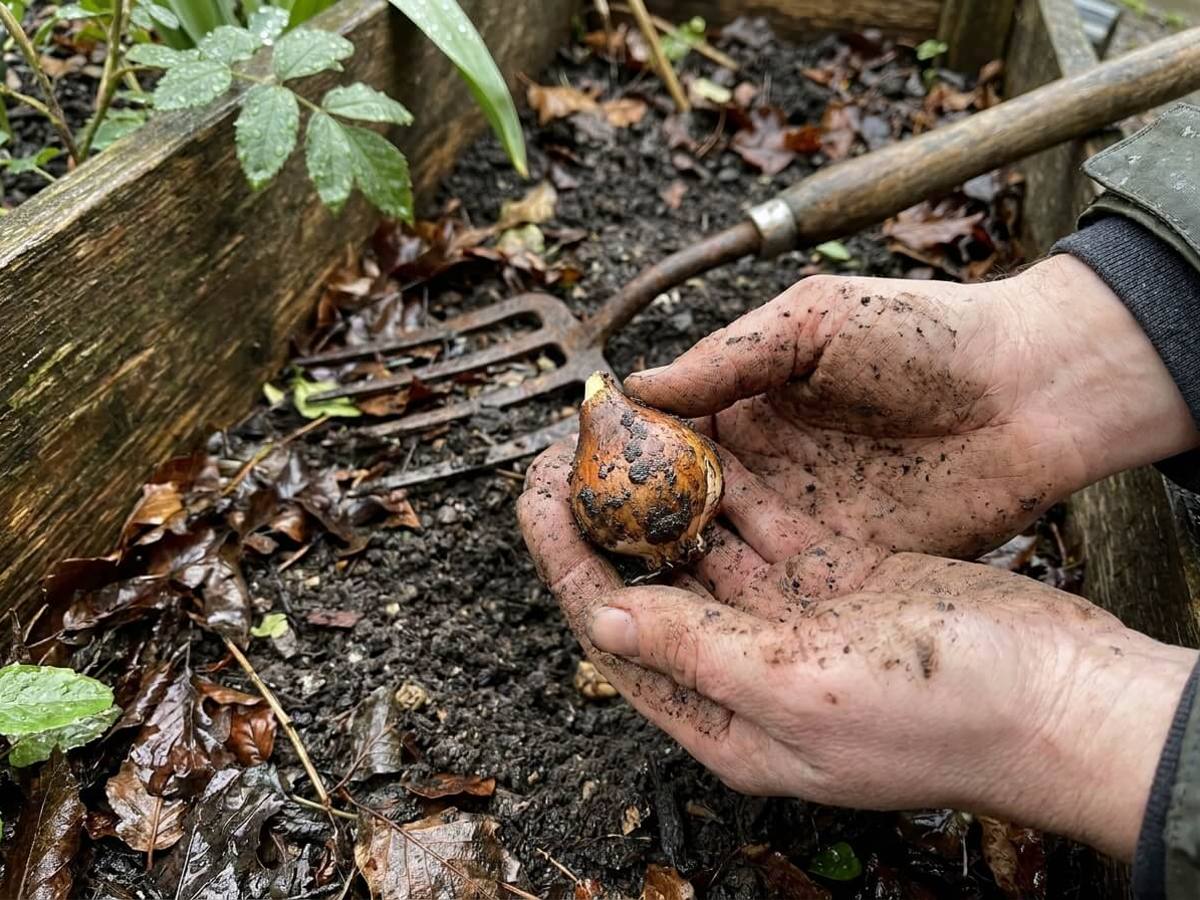
Autumn garlic planting season is here, but thousands of gardeners lose their crop to rot before spring even arrives. The culprit is rarely frost or disease – it is waterlogged soil. A simple drainage test in early autumn, before you plant a single clove, can be the difference between a bumper harvest and blackened, mushy bulbs underground. Learn how to read your soil and fix the problem now.
Why drainage fails in autumn garlic beds
Early autumn and mid-autumn bring rain, and soil that seemed perfectly fine in summer suddenly becomes treacherous. Heavy clay, compacted earth, or a high water table can trap moisture around dormant garlic cloves, creating ideal conditions for rot. This is the moment when most gardeners begin preparing beds – and most miss the warning signs completely.
Garlic requires excellent drainage more than almost any other vegetable. Unlike spring-planted crops, autumn garlic spends five months underground in cold, damp conditions. Waterlogged soil turns deadly. Even gardeners with sandy soil sometimes fail if their beds sit in a low spot or if underlying clay creates a hidden water trap.
Test your soil drainage before planting
Diagnosis takes less than an hour and saves heartbreak later.
Dig a hole about 30 centimetres deep in your chosen planting area. Fill it with water and leave it overnight. If water remains in the hole by morning, drainage is poor and needs improvement.
Observe where water pools after heavy rain. Garlic beds positioned in these low points will fail regardless of soil type. Choose higher ground or create raised beds instead.
Feel your soil between your fingers when moist. Heavy clay that forms a tight ball will hold water. Sandy soil that falls apart drains well. Most loam is acceptable if it drains within 24 hours.
Check for a hardpan, a compacted layer beneath the surface. Dig down 45 centimetres; if your spade suddenly hits resistance, break it up with a broadfork or dig out the bed entirely and replace the soil.
Fixing drainage before the autumn planting rush
If your test reveals poor drainage, act in early to mid-autumn, before you plant. Raised beds filled with quality compost and gritty loam offer the fastest fix, typically 30 to 45 centimetres high. Dig out existing beds and amend heavily with horticultural sand, grit and aged compost to improve structure and porosity. In mild maritime climates, even heavy clay can work if you add generous quantities of organic matter and ensure the bed slopes slightly for runoff. In colder regions with prolonged frozen ground, poor drainage becomes catastrophic – raised beds are nearly mandatory.
Monitor your planted garlic through winter
Once cloves are in the ground, check after heavy rainfall to ensure no water pools on the surface. Mulch lightly with compost or straw to suppress weeds, not to insulate. As spring arrives and growth accelerates, well-drained soil allows roots to strengthen and bulbs to swell. A crop planted in autumn and grown in properly drained soil will reward you with large, firm bulbs by early summer.