You’ve read the gardening blogs. Sow now for autumn veg, they promise. But late summer sowings rarely deliver the harvest you expect. Soil temperatures are falling, daylight is shrinking, and frost arrives sooner than your seedlings mature. We reveal why succession sowing in late summer is often a waste of seeds, and what actually works instead.
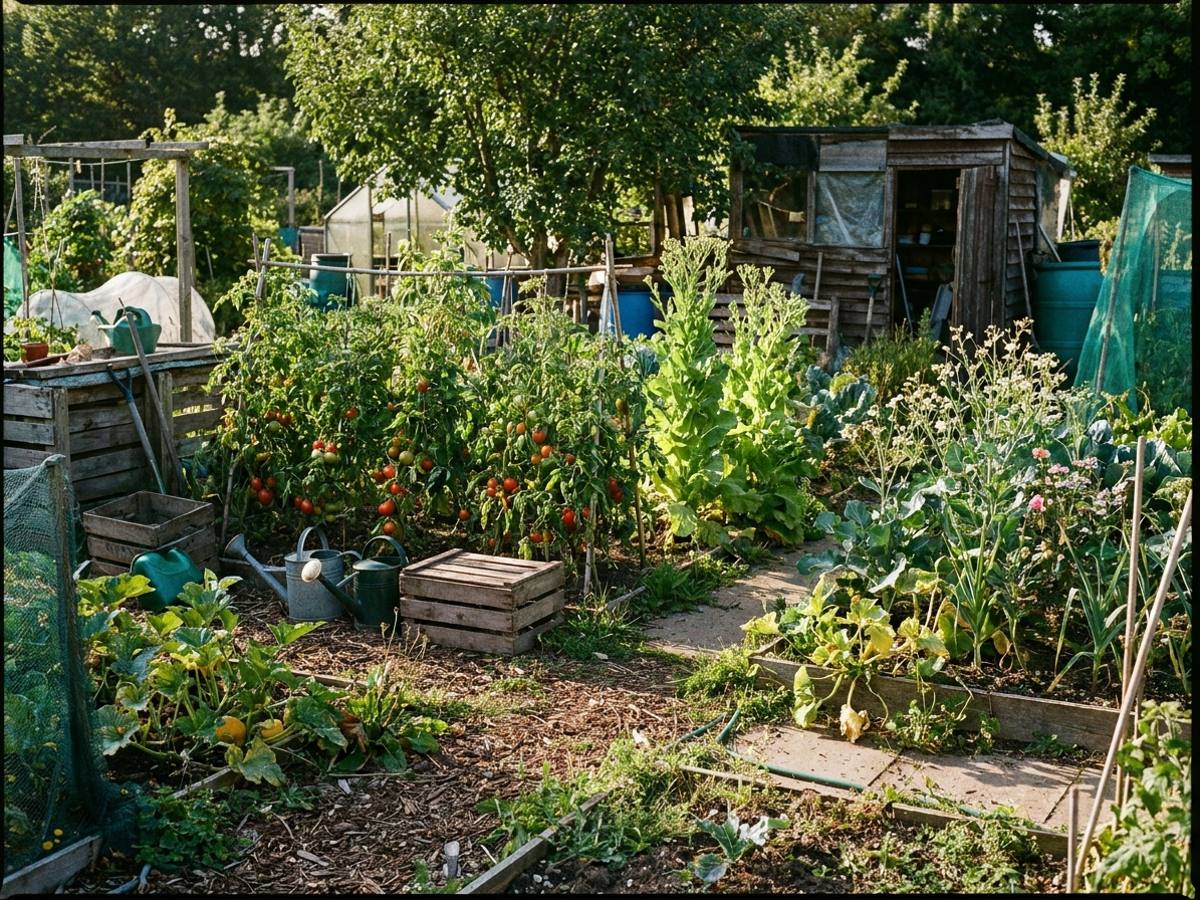
In late summer, across UK and US gardens, summer vegetable beds thin out. Tomatoes are fading, courgettes are slowing, and there’s a psychological urge to fill the space with something productive before autumn. Late summer is warm, soil is workable, and seed packets practically whisper promises of crisp autumn lettuce and tender kale.
This timing feels logical. But it ignores three brutal realities working against you: soil temperature is already dropping from its midsummer peak, daylight hours are shortening by several minutes each week, and your first frost is closer than you think.
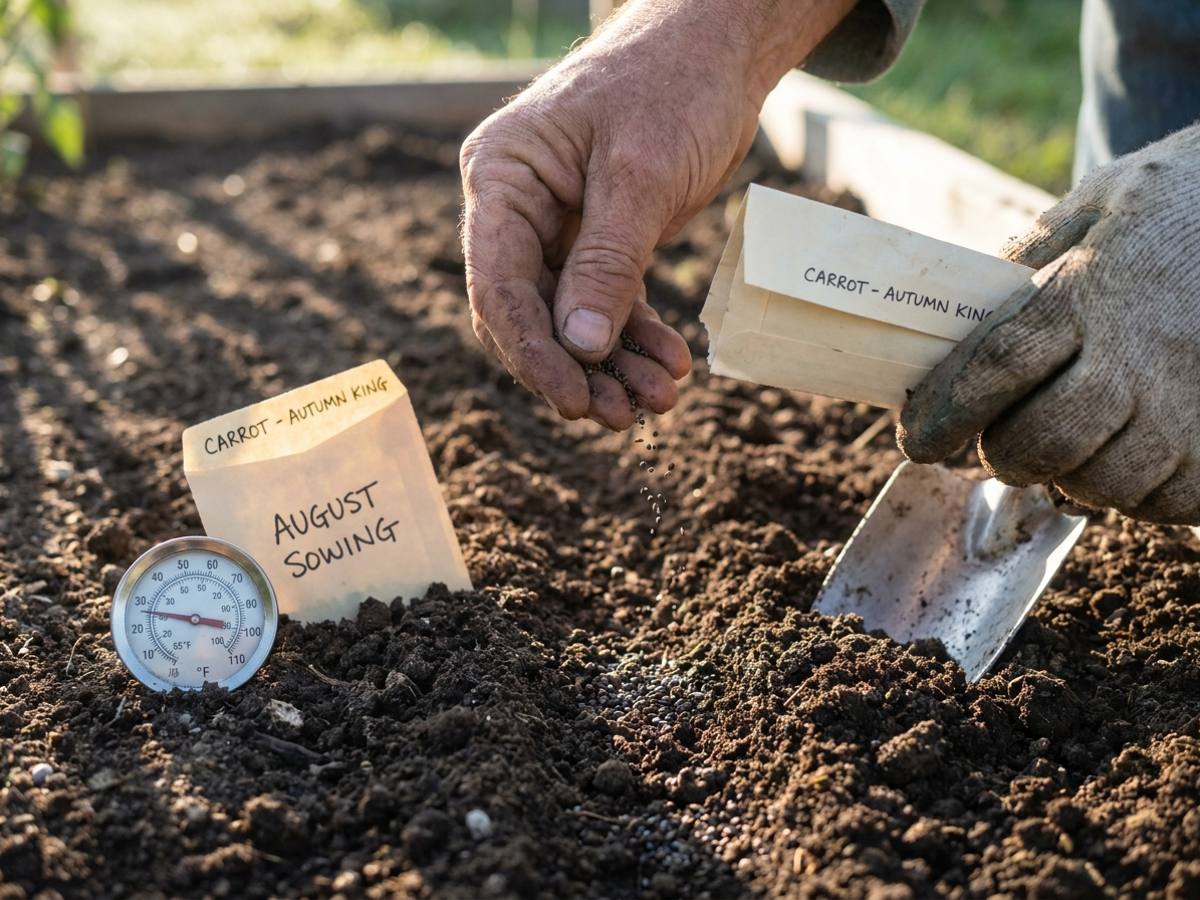
Soil temperature is the first killer. Most vegetable seeds germinate best between 15 and 21 degrees Celsius. In late summer, soil begins cooling noticeably, especially in the UK where nights already dip. Seeds sown after late summer will germinate slowly or fail entirely. Even if they sprout, cooler soil slows growth dramatically compared to spring sowings.
Daylight is the second enemy. A seed sown on 20 late summer has roughly 100 days until the first frost in many UK regions, and fewer in northern US zones. But that seedling only gets 9-10 hours of daylight in early autumn, declining to 8 hours by mid-autumn. Short days mean slow photosynthesis, slow growth, and crops that never reach harvestable size before frost blackens them.
Frost timing is the final blow. Tender crops like beans, courgettes, and basil will die at the first frost. Hardier crops like spinach and lettuce survive, but late sowings mature when temperatures are too low to produce flavourful, tender leaves. You’ll harvest, but the quality disappoints.
Not every crop is a lost cause once the days start shortening. This table sets out which sowings still earn their place, how to start them, and which ones are simply wasted seed.
| Crop | When to sow | How to sow | What to expect |
|---|---|---|---|
| Fast-maturing lettuce and radish | Late summer | Direct sow | Worth it only if they mature in under 8 weeks |
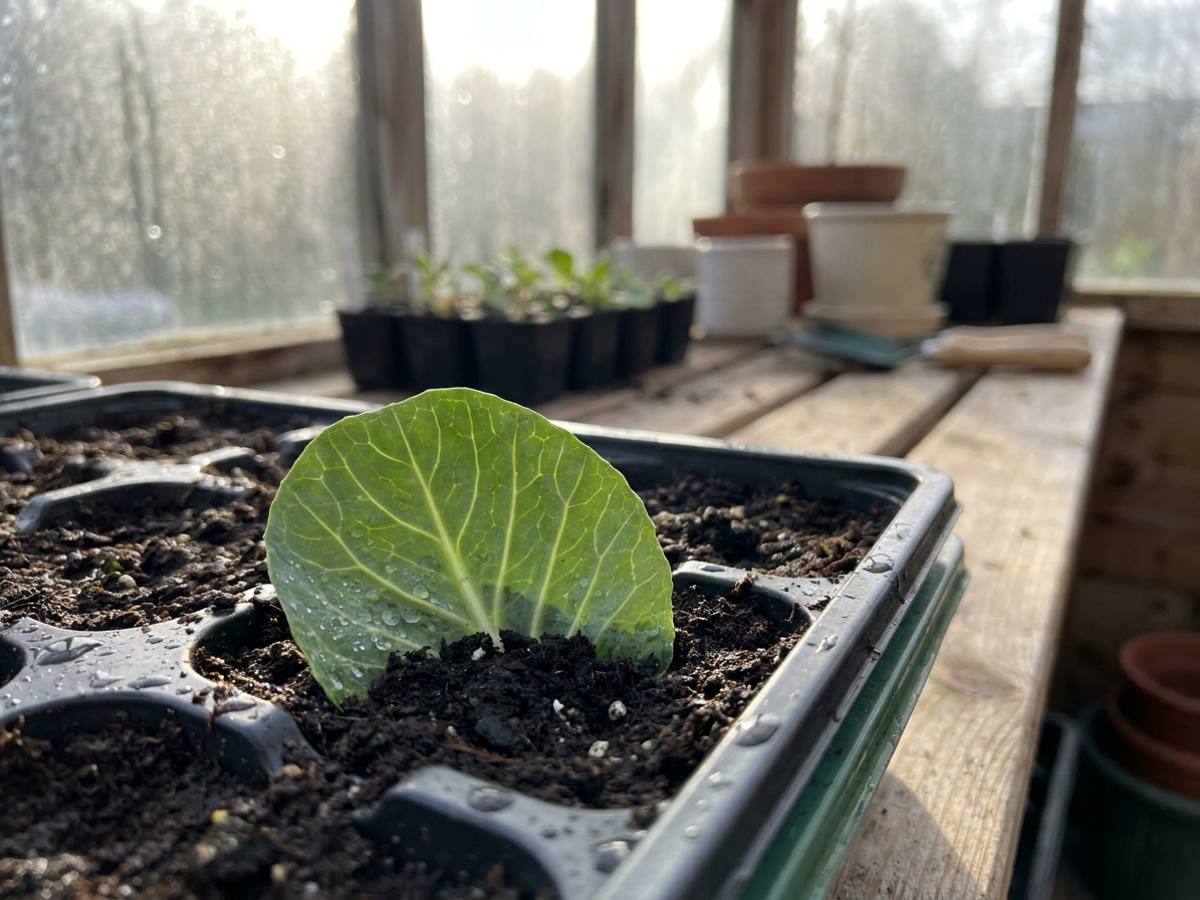
| Broccoli, cabbage and kale | Late summer indoors, out in early autumn | Start indoors, then transplant | Strong transplants set roots while soil is still warm |
| Garlic and overwinter onion sets | Early autumn to mid-autumn | Plant sets into cleared, composted beds | Thrive from an autumn planting |
| Spinach, mache, winter lettuce, Asian greens | Early autumn | Direct sow | Quick germination and steady growth through autumn |
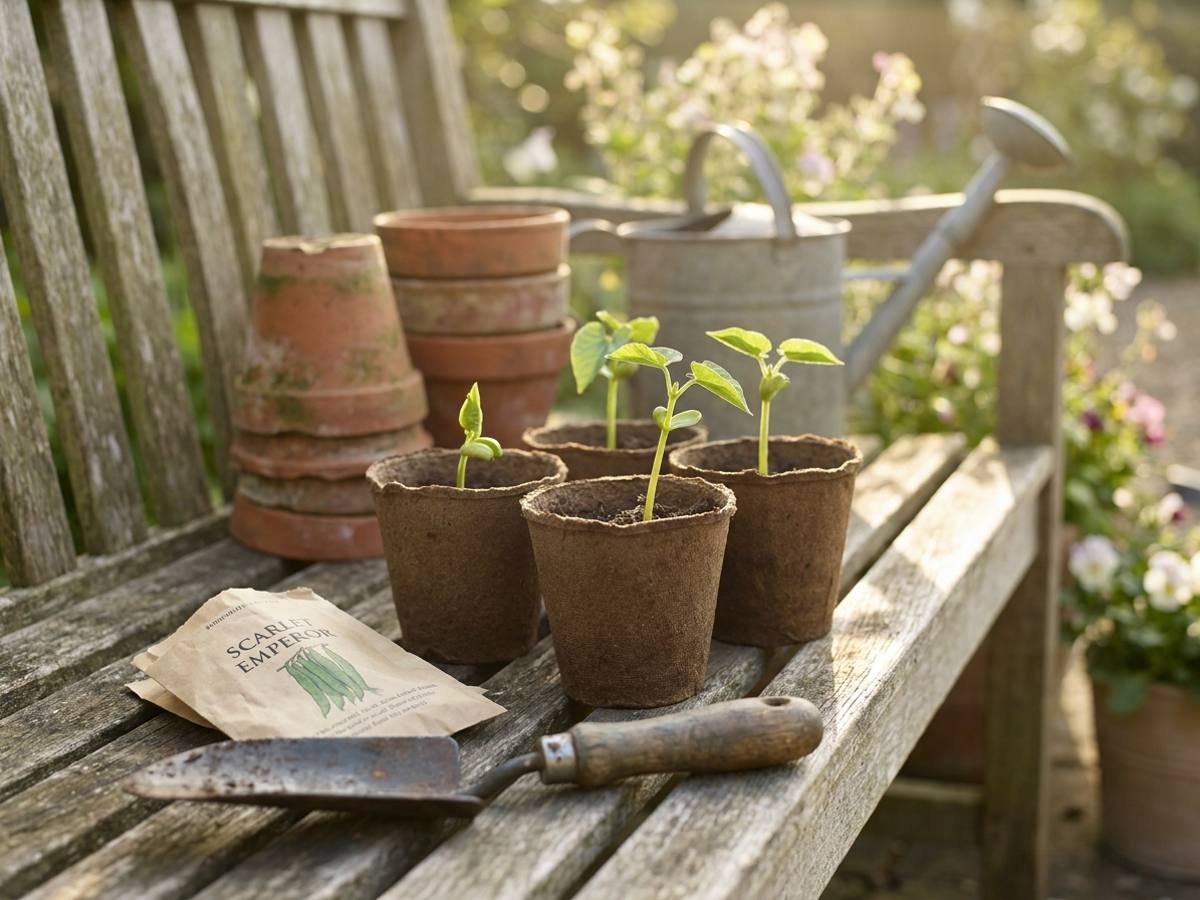
| Beans, courgettes and basil | Not in late summer | Keep existing plants going instead | Killed outright by the first frost |
Read down the “when” column first: the sowing window, not the seed packet, decides whether you harvest anything.
Instead of chasing autumn harvests, focus on maximising what remains of the growing season:
The genuine autumn sowing window opens in early autumn when soil is still warm but day length no longer limits growth. That’s when direct-sown spinach, mâche, winter lettuce, and Asian greens thrive, germinating quickly and growing steadily through autumn.
Track your first frost date now, and work backwards. Your best autumn harvests come from crops planted to mature before that date arrives, not from late summer sowings racing against shortening days.