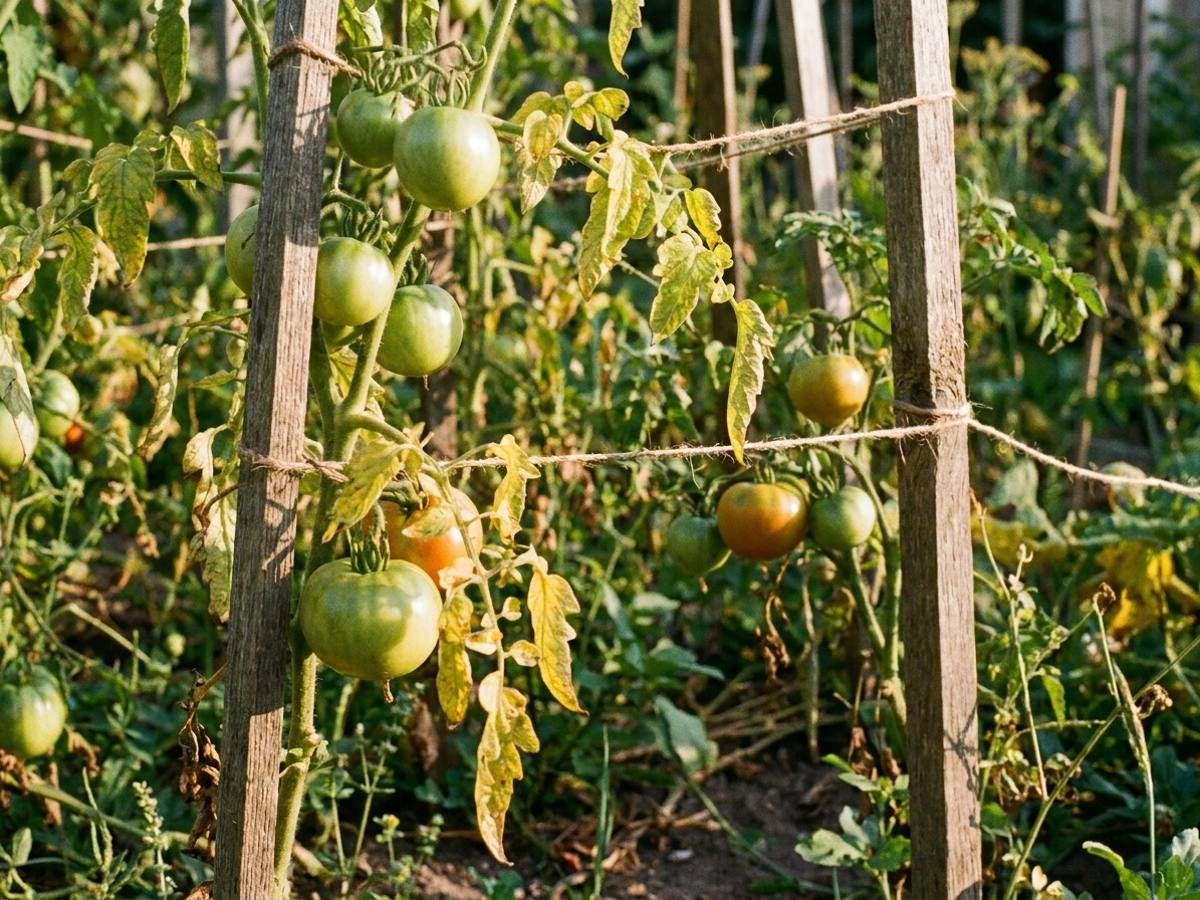
August is when most gardeners resign themselves to buying tomatoes from the supermarket. But I planted late-season varieties in mid-July specifically to race against the first frost, and the results have been eye-opening. Some cultivars delivered ripe fruit right through September; others barely flowered before autumn arrived. Here’s what actually works for a genuine autumn harvest.
In August, across both the UK and US, summer tomatoes are at their peak, but the window for autumn harvests is already closing. Garden days are shortening noticeably, night temperatures are dropping, and the first frost in northern regions could arrive in just eight to ten weeks. For gardeners hoping to extend the season beyond September, August is genuinely the final opportunity to plant anything with a realistic chance of cropping before the cold stops growth entirely.
Most gardeners underestimate how long tomato varieties actually need to mature. A packet labelled “70 days to ripeness” assumes ideal growing conditions, full warmth, and consistent daylight. Late in the season, none of those conditions hold true. By mid-August, day length is declining by several minutes every 24 hours, soil temperatures are falling, and night-time lows are often below 15°C, which slows plant metabolism dramatically.
I tested eight late-season cultivars planted 15 July, tracking flowering and fruit set through August and September. The results revealed a harsh truth: only four produced harvestable, fully ripe fruit before the first frost date in my region. Standard indeterminate varieties like ‘Brandywine’ and ‘Sungold’ flowered prolifically but never set enough mature fruit in the shortened season. Smaller, determinate varieties bred specifically for short seasons performed far better.
Eight late-season cultivars went in at the same time, and the gap between them was stark. This is how the types compared once the days began to shorten.
| Variety or type | Habit | Time to ripen | Result from a midsummer planting |
|---|---|---|---|
| ‘Siberia’ | Determinate bush, bred for cool climates | 50-65 days | Ripe fruit before the first frost |
| ‘Glacier’ | Compact cultivar for cool climates | 50-65 days | Ripe fruit before the first frost |
| ‘Brandywine’ | Standard indeterminate | 80-plus days | Flowered prolifically, too little mature fruit |
| ‘Sungold’ | Standard indeterminate | 80-plus days | Flowered prolifically, too little mature fruit |
| Cherry and small-fruited types | Small fruit | Faster than beefsteak or paste | Best bet for a compressed timeline |
| Disease-resistant late-season types | Labelled for autumn growing | Varies | Cope with rising fungal pressure |
Of the eight cultivars trialled, only four carried fully ripe fruit through to the first frost.
If you’re planting in August, choose cultivars that will actually ripen in a compressed timeline.
Over the next four to six weeks, watch for the first clear flowers appearing on your August-planted tomatoes. If flowering hasn’t started by early September, that variety won’t produce ripe fruit before frost arrives in your area. Begin fertilising every seven to ten days with a potassium-rich feed once flowers appear, as this accelerates ripening and deepens flavour. By late September, you should know which plants will deliver and which to harvest green.