Late summer feels like the gardening year is winding down, but shaded corners tell a different story. North-facing borders and patchy shade offer a genuine second chance for quick-maturing leafy crops, provided you act this week. The window is narrow, genuine, and often overlooked by gardeners fixated on spring planting. This is your moment to fill autumn plates when summer lettuce bolts and bolt.
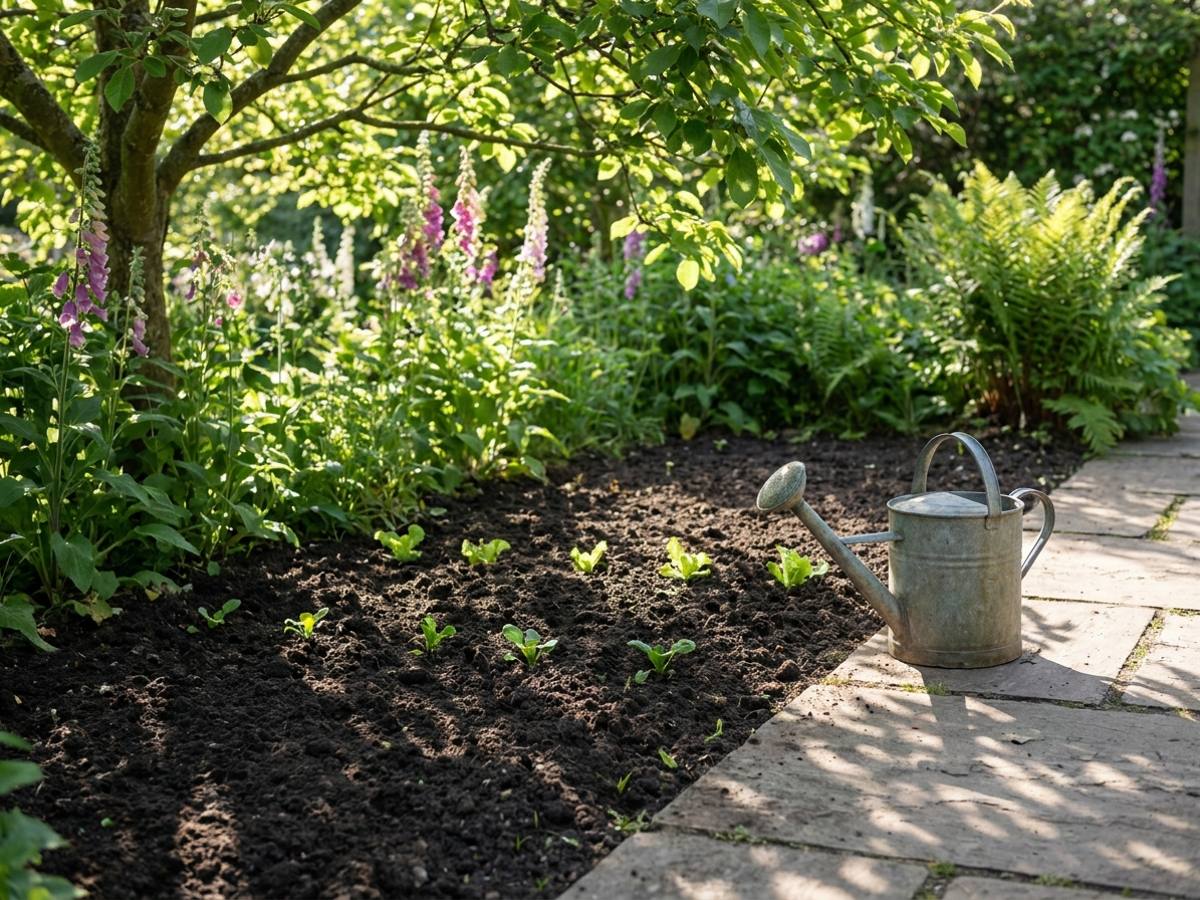
In late summer, across both UK and US gardens, the heat of midsummer breaks. Daylight hours are shrinking noticeably, and soil temperatures remain warm enough for germination, yet cooler than the scorching midsummer conditions that caused lettuce to flower prematurely. North-facing borders, which spent spring and early summer in shade-induced neglect, are suddenly valuable real estate.
Most gardening guides gloss over late summer sowing with vague encouragement. The reality is harsher. You have roughly four to six weeks before autumn temperatures and shortening days slow growth to a crawl. That timeframe eliminates slow-maturing crops entirely. Courgettes, beans, and even standard lettuce varieties won’t produce a harvestable crop before the first frosts arrive.
Shaded patches offer two genuine advantages. They stay cooler, preventing bolting in fast-growing greens, and they receive enough indirect light for photosynthesis without the stress of full sun. The trade-off is slower growth. A spinach variety taking thirty days in spring might stretch to forty-five days in late-summer shade. Understanding this mathematics is the difference between a worthwhile crop and wasted seed.
With only a few weeks of useful growing left, speed matters more than anything else. This table sets the fast movers against the crops that will simply run out of time.
| Crop | Time to harvest | Why it suits shade | When to sow |
|---|---|---|---|
| Spinach (‘Palco’, ‘Space’) | Quick to germinate, slower in shade | Bolt-resistant and tolerates cool conditions better than lettuce | Late summer into early autumn |
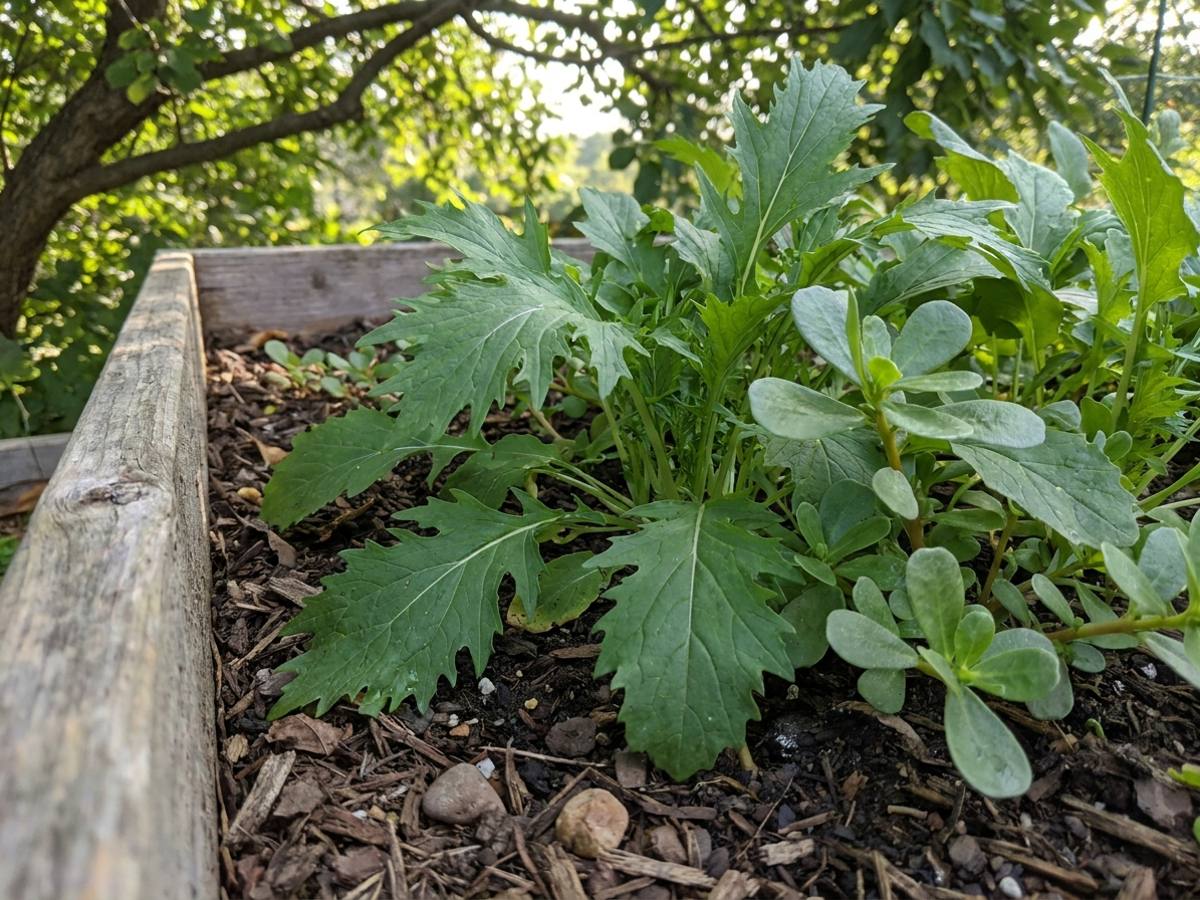
| Asian greens (pak choi, mizuna, tatsoi) | Thirty to forty days | Perform brilliantly in partial shade and stay tender | Late summer |
| Rocket (wild and standard) | Cutting through to late autumn | Tolerates shade well and stays peppery | Late summer, then again in early autumn |
| Microgreens and radish seedlings | Two to three weeks | Harvested young, so shade barely matters | Late summer, for an immediate gap-filler |
| Courgettes, beans, standard lettuce | Too slow — nothing before frost | Not worth the space | Leave until spring |
Anything that cannot be picked within roughly six weeks is seed wasted.
These varieties have genuinely earned their place in your late summer shade beds.
Watch soil moisture closely. Shaded beds dry more slowly than sunny areas, tempting gardeners to underwater. Conversely, poor drainage becomes problematic earlier. Seedlings need consistent moisture without waterlogging, a balance worth checking every other day through late summer and early autumn. By mid-autumn, assess growth rate against your frost date. If your greens haven’t reached harvestable size, fleece or cloches will extend the season by two to three weeks, often enough for tender leaves to mature fully.