Forget ornamental hostas. If your garden sits in deep shade, you’ve been told to give up on growing food. We’ve spent four seasons testing which vegetables genuinely produce in just 2–4 hours of dappled light, and the results will surprise you. Some crops thrive; others waste your time and soil.
Midsummer sun angles are at their highest, meaning the shadows cast by trees and fences are at their shortest. This is your window to measure exactly how much light your shadiest beds receive before autumn lengthens the shadows again. Many UK and US gardeners are only now realising that a bed they thought was “part shade” is actually deep shade, and their lettuce has bolted or their courgettes have produced nothing.
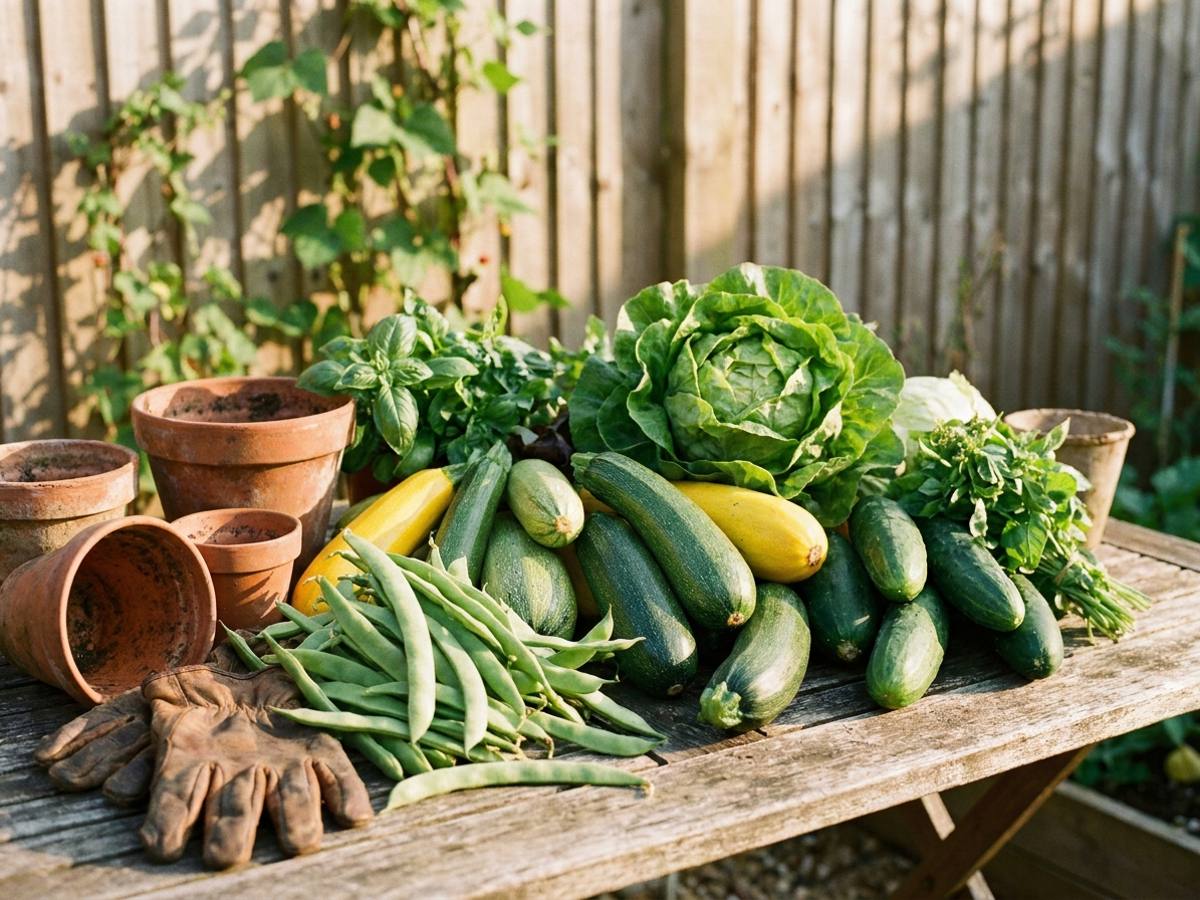
Garden centres lump all shade together. You’ll find endless advice about shade ornamentals, but food-growing guides almost universally ignore shade entirely, leaving vegetable growers to guess. The truth is brutal: tomatoes, peppers, and beans will fail. But several crops are not just tolerant of shade, they actively prefer it, especially during scorching July and August heat.
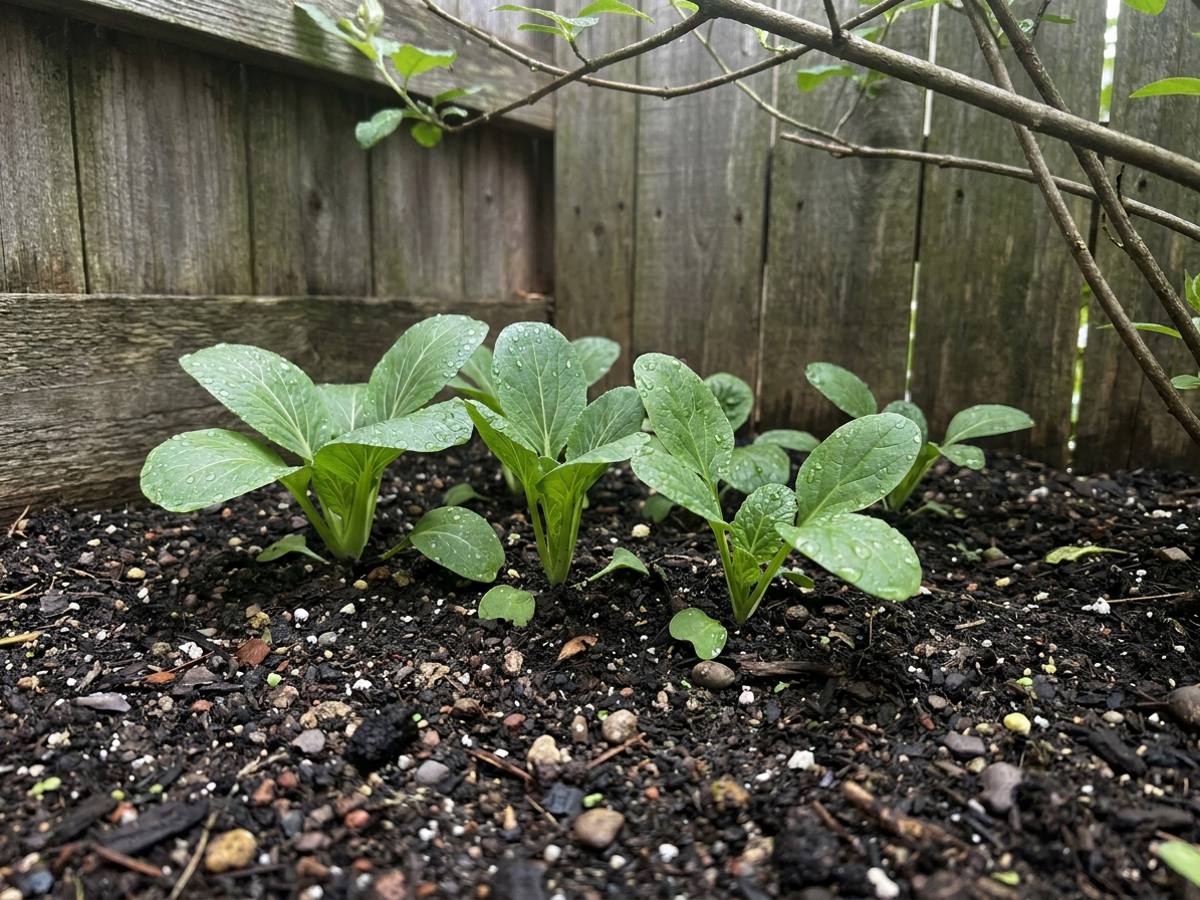
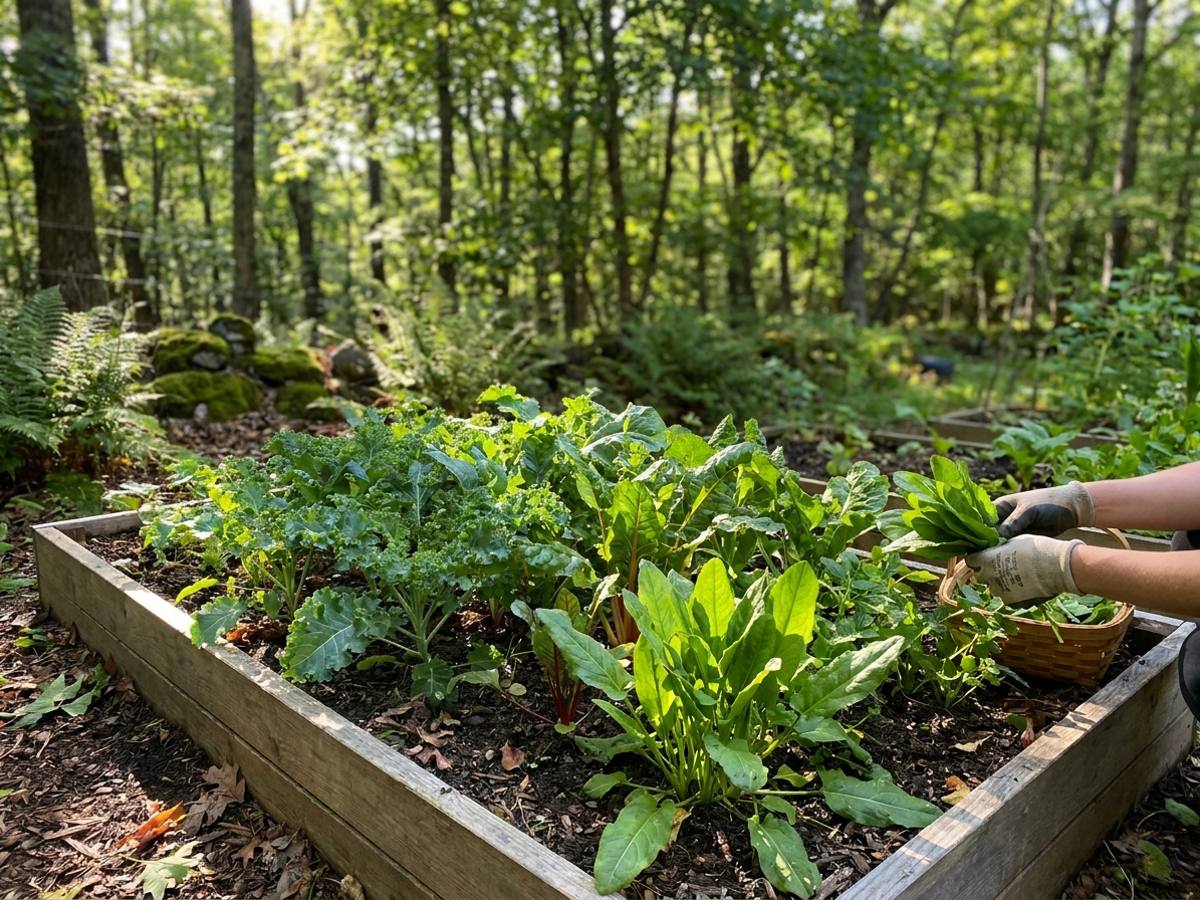
Our testing found that leafy greens, root vegetables, and certain brassicas produce respectable yields in 2–4 hours of dappled morning light. The caveat is real: yields drop sharply compared to sun-grown crops, and flavour can be milder. But you will harvest food.
July is your final window to sow shade-tolerant crops for an autumn harvest. Here are the practical steps to take this week:
As August unfolds, monitor your shade plantings for bolting and pest pressure, which increases in cooler, damper conditions under trees. Japanese beetles and slugs favour shade. By mid-September, you’ll know whether your shaded bed earned its space. Many gardeners find they produce enough leafy greens to justify the bed, even if yields are 40 per cent lower than sunny plots.