Growing winter greens in deep shade: one gardener’s unexpected success
0
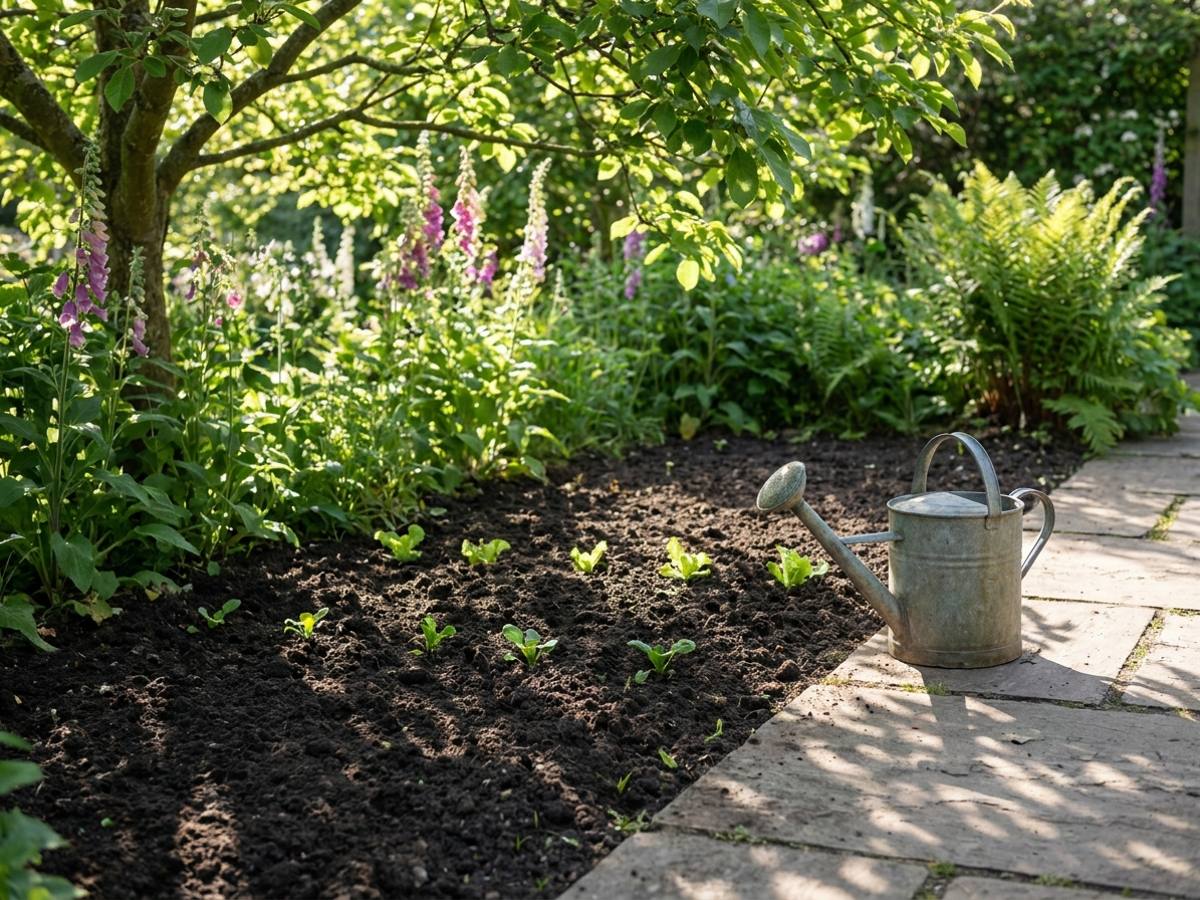
Most gardeners abandon deep shade as unsuitable for winter greens. But a three-year trial in a north-facing urban garden has revealed which brassicas and oriental varieties genuinely flourish in fewer than three hours of direct sun. As September arrives and autumn sowings begin, understanding these shade-tolerant performers could transform how you plan your winter harvest.
The seasonal truth about September sowings in shade
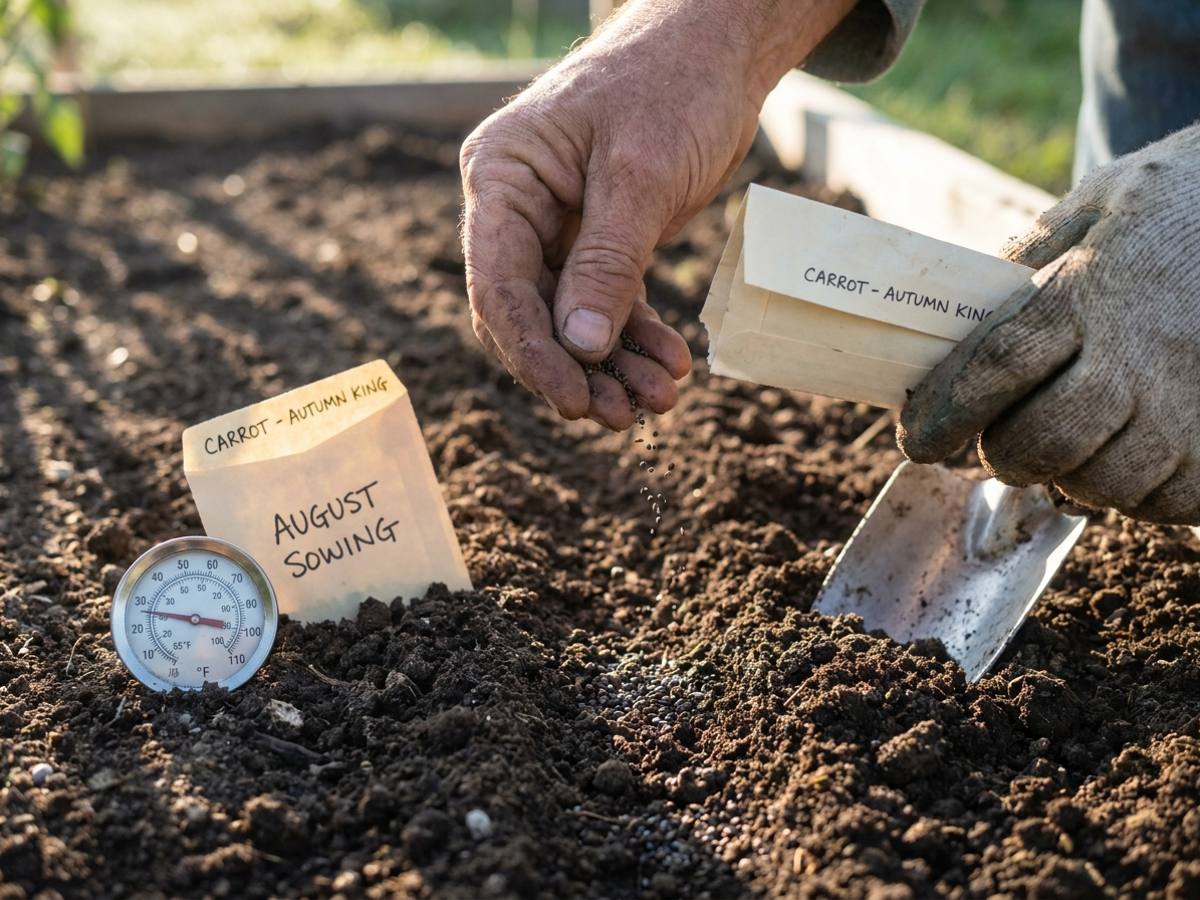
September is when UK and US gardeners sow winter brassicas and oriental greens for autumn and winter cropping. The shortening days mean choosing what to grow in marginal light becomes urgent. Many gardeners with shaded beds or north-facing borders simply assume failure and leave those spaces empty through the colder months.
Why deep shade defeats most winter greens, and what the exceptions reveal
Winter greens need light to photosynthesise and build flavour compounds. Under three hours of direct sun, growth slows dramatically, leaves thin, and bitterness often increases as the plant struggles. Yet some varieties respond better than others, suggesting genetics rather than absolute shade intolerance dictates success.
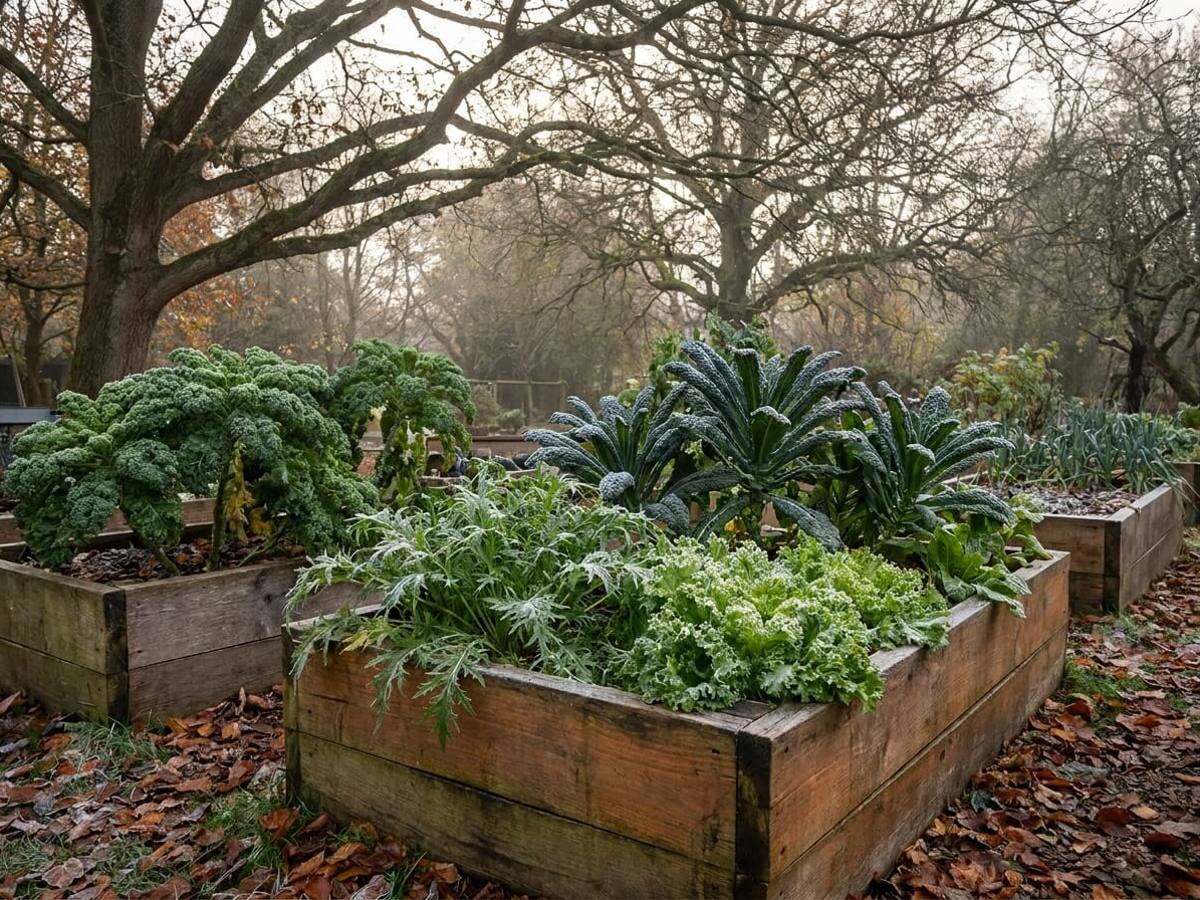
A micro-trial across three winters tested 14 leafy brassicas and oriental greens in a London garden receiving 2.5 hours of winter sun. Four varieties outperformed expectations: mizuna, mustard greens (specifically ‘Red Giant’), kale ‘Nero di Toscana’, and pak choi. Growth rates lagged 25–40 per cent behind sun-grown counterparts, and flavour proved milder in most cases. Yet all four produced harvestable leaves by mid-winter and tolerated temperatures below freezing without bolting or severe decline.
What to do in early September for shade-tolerant greens
If your winter beds sit in genuine deep shade, these steps will maximise your chances:
Choose mizuna and mustard greens as your core crops; their finely cut leaves develop acceptable flavour even in reduced light, and both germinate and grow reliably in cool conditions.
Sow ‘Nero di Toscana’ kale directly into shade beds; this Italian heirloom proved more light-forgiving than curly or Cavolo Nero varieties, though growth was slower.
Trial pak choi in smaller quantities; it cropped within eight weeks even in deep shade, though leaves remained tender rather than developing thick petioles.
Improve soil generously before sowing; weak light makes nitrogen availability critical; add compost or blood meal to support the slower growth cycle.
Monitoring growth through autumn and winter
Shade-grown greens will take longer to reach harvestable size, so patience is essential. Watch for slug damage, which increases when growth is slow and leaves persist for weeks. Harvest outer leaves regularly rather than waiting for whole heads; this encourages further production and prevents lanky, over-stretched plants.
🌿 Nature & Garden Newsletter
Gardening tips, recipes & seasonal advice, twice a week.