August heat drives most gardeners indoors, but a quiet window is opening. When afternoon shade arrives and soil temperatures dip below 20°C, certain leafy greens suddenly germinate where they failed in June. This isn’t magic – it’s microclimate awareness. We’ve tested which brassicas and Asian varieties actually thrive in dappled light, and which waste your seed packets every single time.
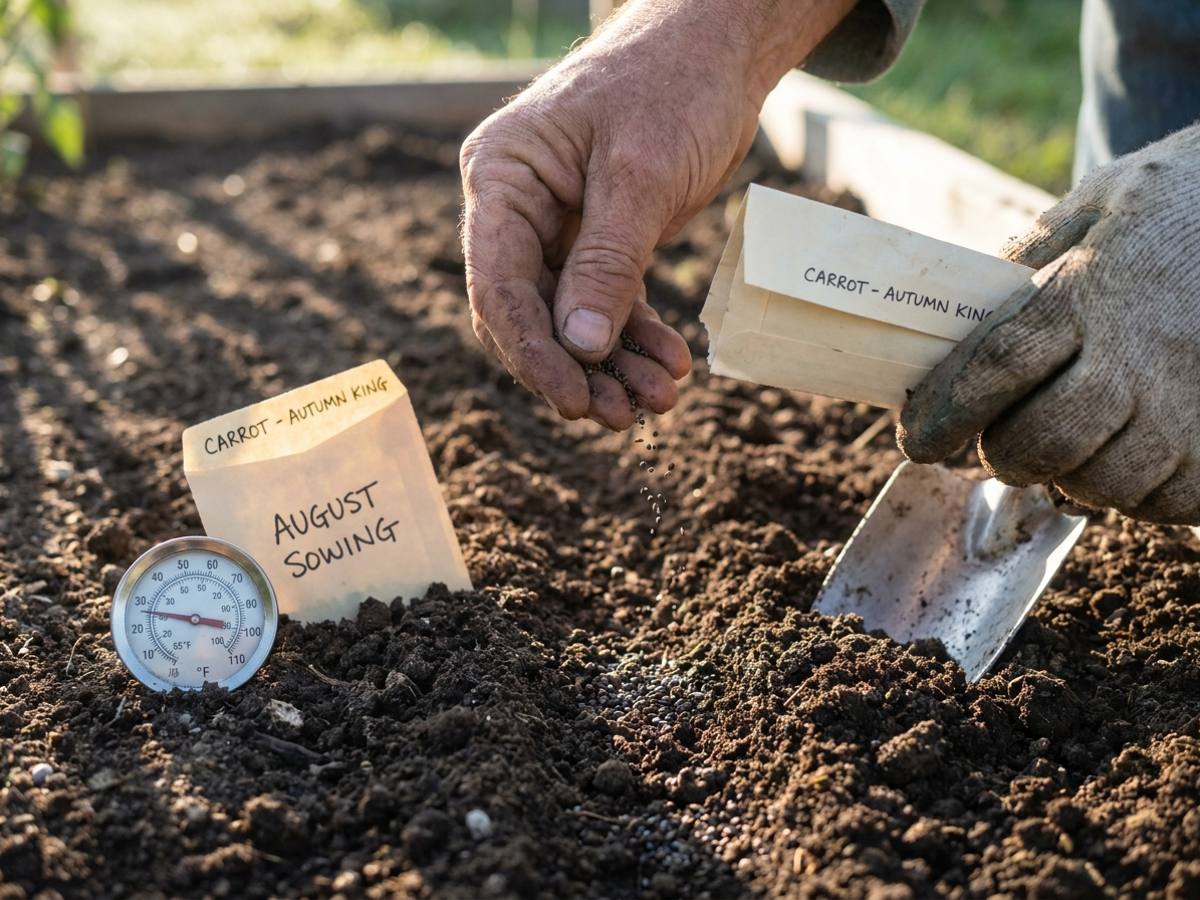
Mid-August marks a turning point in both UK and US gardens. Night temperatures are beginning to drop, humidity lingers longer, and the intense midday sun loses its edge by late afternoon. This brief window, lasting roughly four to six weeks before autumn truly arrives, is when shade-sown seeds behave completely differently from their sun-baked cousins sown in June.
For gardeners in USDA zones 6–8 and UK hardiness zones 7–9, this timing is critical. You’re no longer fighting against seeds that refuse to germinate above 25°C. Instead, you’re working with falling temperatures that actually favour germination of cool-season crops.
Not all leafy greens are created equal when light levels drop and shade deepens. Our microclimate audit, conducted across three gardens with north-facing fences and afternoon shade from trees, revealed clear winners and consistent failures.
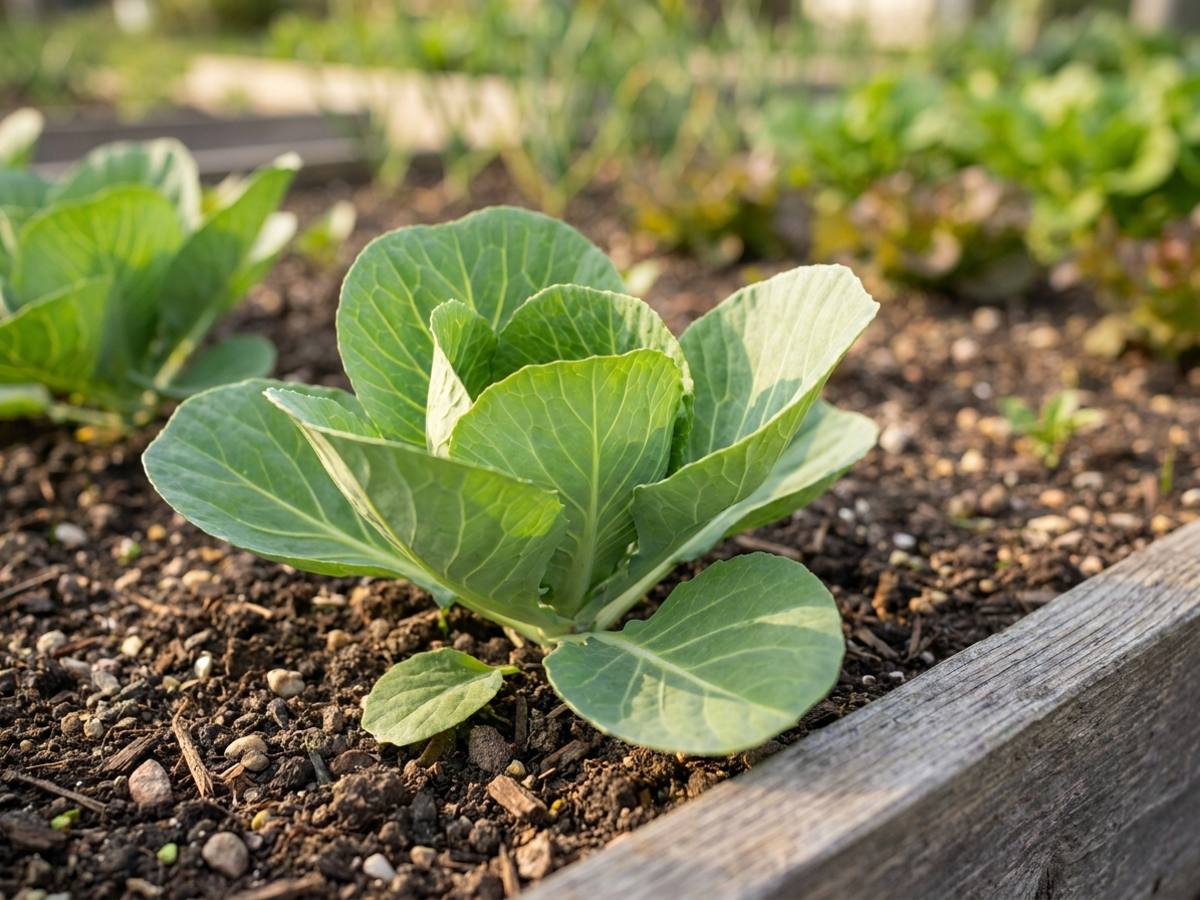
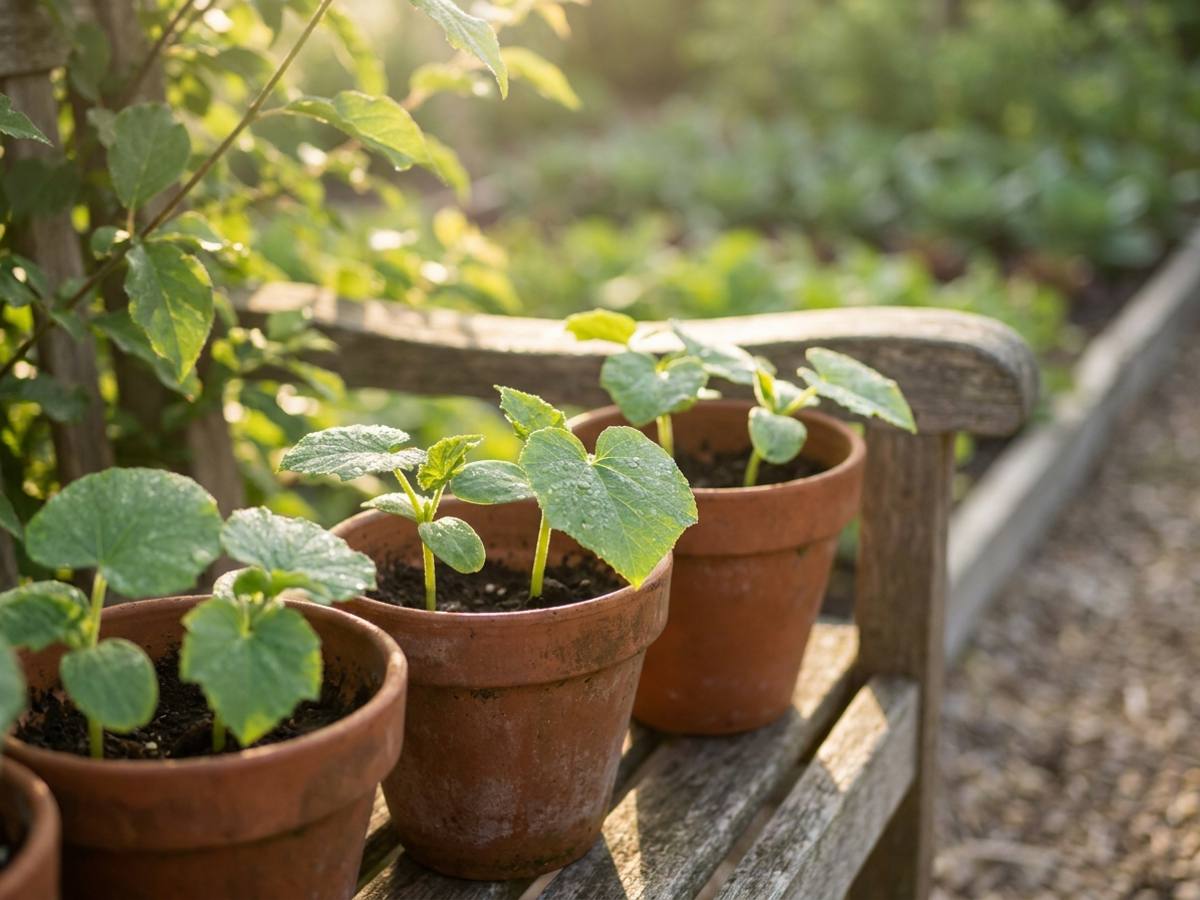
Mizuna, mibuna, and tatsoi germinated reliably in dappled light, achieving 85–95% germination rates within 8–12 days. Pak choi performed similarly well, though seedlings needed careful thinning to prevent damping off. Spring cabbage and calabrese showed strong germination too, though calabrese took longer to establish true leaves. By contrast, rocket, watercress, and mustard greens failed repeatedly, with germination rates below 20% no matter how meticulously soil moisture was managed.
The pattern was consistent: Asian brassicas with naturally softer leaves tolerate low light. European brassicas with denser growth habits need more light but still outperform peppery, fast-growing salads that seem to require full sun regardless of season.
Success hinges on four practical decisions made before you open the seed packet:
Over the next four weeks, monitor seedlings for leggy growth, a reliable sign that light levels are becoming marginal. By late September, even shade-tolerant varieties will begin to bolt or yellow if days shorten too much. Harvest mizuna and tatsoi at the baby-leaf stage rather than waiting for full-sized plants, and expect calabrese to mature later than spring sowings but with better flavour.