In late summer, across UK and US gardens, cabbage white butterflies vanish. This mid-summer collapse in pest pressure is creating a rare, fast-closing window for gardeners to sow brassicas without the devastating caterpillar damage that usually defines summer growing. Miss late summer, and you’ll be waiting until spring.
Late summer marks a critical shift in the cabbage white lifecycle. After two intense generations in spring and early summer, adult populations crash as egg-laying females struggle to find suitable host plants. Your summer-stressed brassicas, combined with depleted nectar sources in the garden, make laying eggs far less rewarding for the butterfly. In the UK particularly, this dip typically lasts from late summer through early autumn, whilst US East Coast gardeners see a similar but slightly later window opening in late summer.
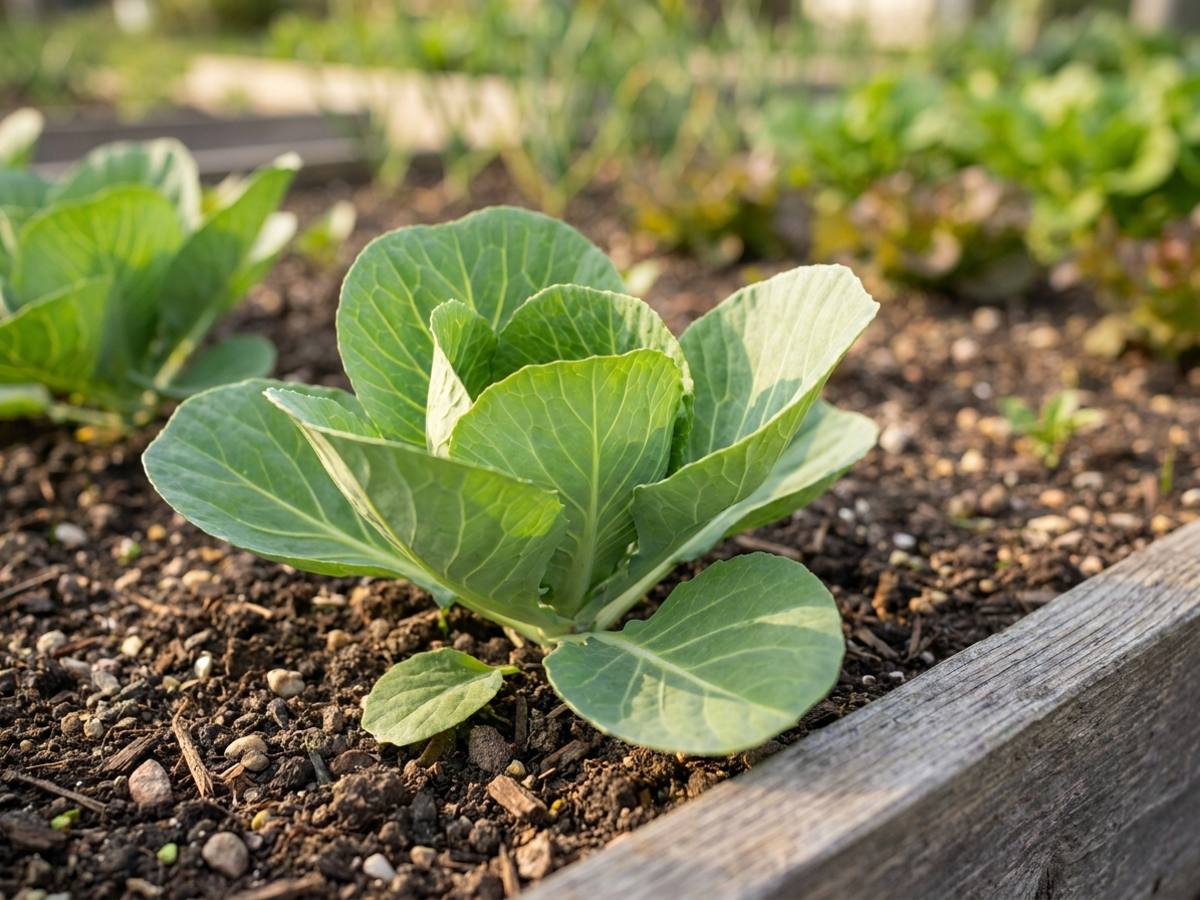
Most home gardeners treat late summer as the end of brassica season. They pull up spent summer crops and assume serious growing is finished. This assumption costs them months of harvests. A cabbage, kale, or calabrese sown now will mature in autumn when populations of cabbage whites remain low, delivering clean, pest-free heads right through to the first hard frosts.
The catch is timing. This window stays open for roughly four to six weeks. Plant too late, and you’ll still avoid the worst butterfly pressure, but your plants won’t size up before winter halts growth. Sown now, autumn brassicas become your most reliable, lowest-maintenance crop of the year.
Not every brassica is started the same way during this quiet spell. The table below sets out how each crop goes in, and what it needs to establish before the season closes.
| Crop | How to start it | Spacing or maturity | Sowing window |
|---|---|---|---|
| Spring cabbage (‘midwinter King’, ‘Murdoch’) | Sow compact cultivars direct | Matures within 18-20 weeks | Late summer |
| Kale | Direct-sow into prepared beds | Thin seedlings to 30cm spacing | Late summer, whilst soil moisture is still reasonable |
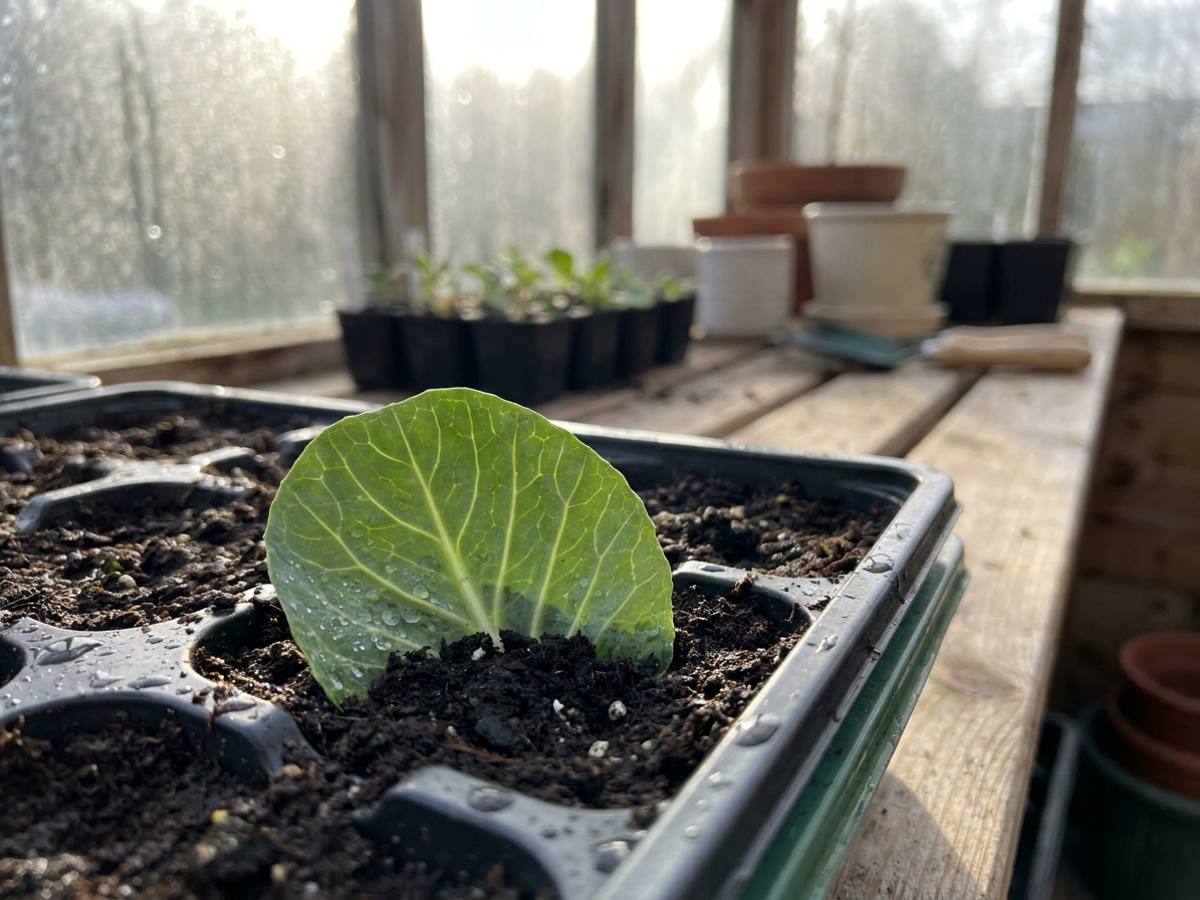
| Calabrese, broccoli and sprouting broccoli | Start seeds in modules indoors | Transplant within two weeks to avoid root-binding | Late summer |
| Any newly sown bed | Cover with fine mesh or netting as you sow | Catches stray butterflies during the quieter period | Late summer, at sowing, not later |
Whichever crop you choose, the protection goes on at sowing rather than once the plants are up.
Take advantage of this lull with these proven actions:
Monitor your young brassicas weekly as late summer turns to early autumn. Butterfly numbers may pick up slightly in early autumn, but your plants will be robust enough to tolerate light damage. Keep the soil consistently moist during establishment, especially if drought persists through late summer. By mid-autumn, your brassicas will be established enough to shrug off any pest pressure that returns, leaving you harvesting quality greens when most gardeners have nothing left in the beds.