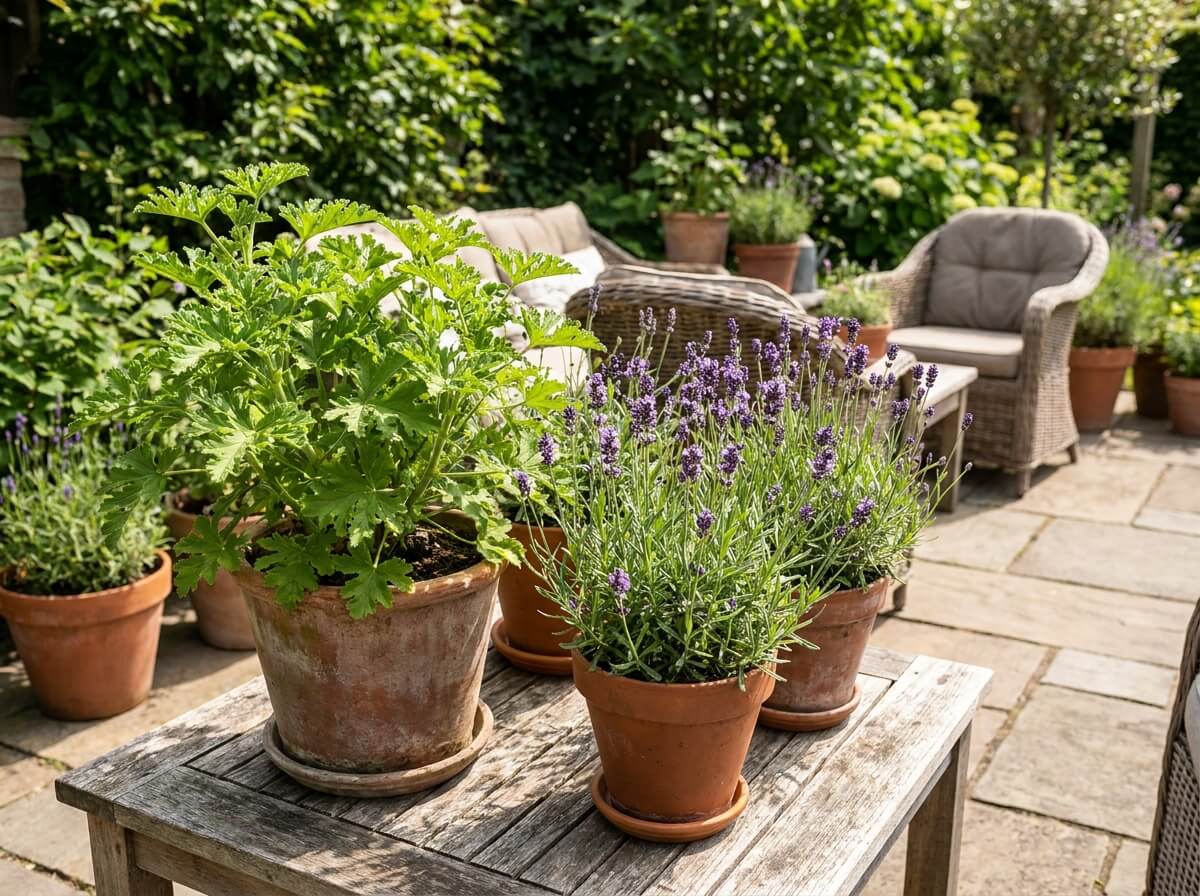
Citronella on the patio. Lavender by the door.
Basil in a pot by the barbecue. These plants supposedly banish mosquitoes — you’ve heard it a hundred times, and so has almost every gardener who’s ever been bitten while sitting outdoors in summer. The honest answer? It is more complicated than the garden centre would have you believe. Some of these plants genuinely make a difference. Most of them, as they’re typically used, do almost nothing. Honestly? A bit of a marketing gimmick.
Mosquitoes zero in primarily by scent — carbon dioxide from your breath, lactic acid from your skin, warmth. Certain plant compounds genuinely interfere with that navigation. Citronellal, nepetalactone, linalool. These are real, measurable molecules. They have documented repellent effects in laboratory conditions.
But the critical issue is delivery. A plant sitting passively in a pot releases almost none of these compounds into the surrounding air — not at concentrations high enough to affect mosquito behaviour. The oils are locked inside the leaf tissue. Unless something crushes, tears, or bruises the leaves, you’re merely decorating your patio with properly pleasant greenery.
A 2011 study from the North Carolina State University tested plants in realistic outdoor conditions and found that undisturbed citronella plants provided no statistically significant reduction in mosquito landings. None.
Not all of them are myths. The ones with genuine research support are worth cultivating — just not in the way most people use them. So, here are the ones with scientific heft:
The “citronella plant” sold at garden centres is almost always Pelargonium citrosum, a scented geranium. A handsome plant. But it’s not true citronella grass (Cymbopogon nardus), which is the true wellspring of the concentrated oil used in commercial repellent candles and sprays. You’ve possibly been sold a dodgy alternative.
Cultivate them; yet genuinely employ them. Passive placement is simply not effective. Forget it. The method that works is physical contact.
And eliminate standing water. One bottle cap of stagnant water can host 200 mosquito larvae. No plant on earth competes with that as a control measure. Ever.
If you’re gardening in hot, humid conditions — whether that’s the US South, tropical Australia, or a muggy UK July — mosquito pressure increases sharply. Aedes albopictus, the tiger mosquito, has been spreading north across Europe and is now present in parts of the UK. It bites during the day, which changes everything about when you’re exposed.
Southern Hemisphere gardeners: your winter is actually lower-risk for mosquitoes. This information applies most directly to your December and January.
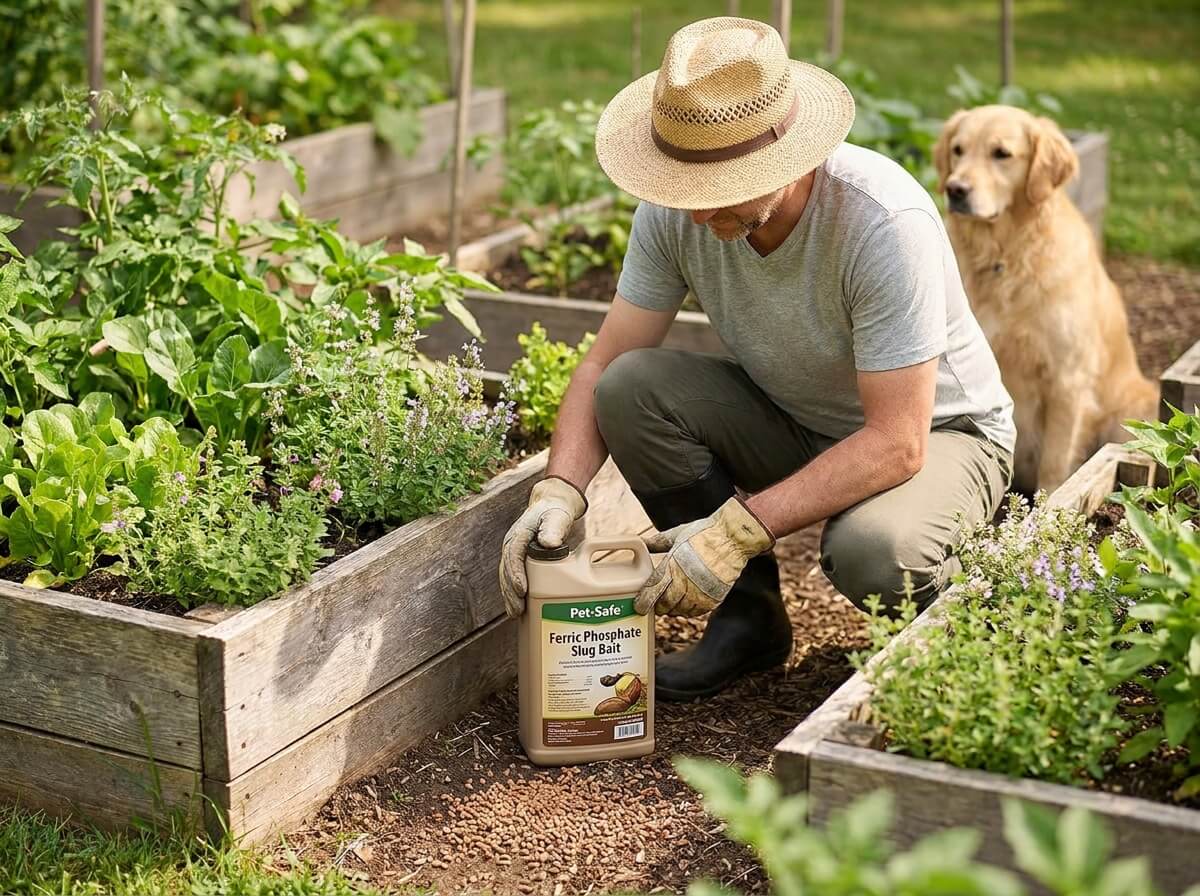
If you’re already dealing with pest issues in your vegetable patch this season, it’s worth reading about slug bait dangers for pets — a separate but equally pervasive summer garden hazard that many gardeners overlook entirely.
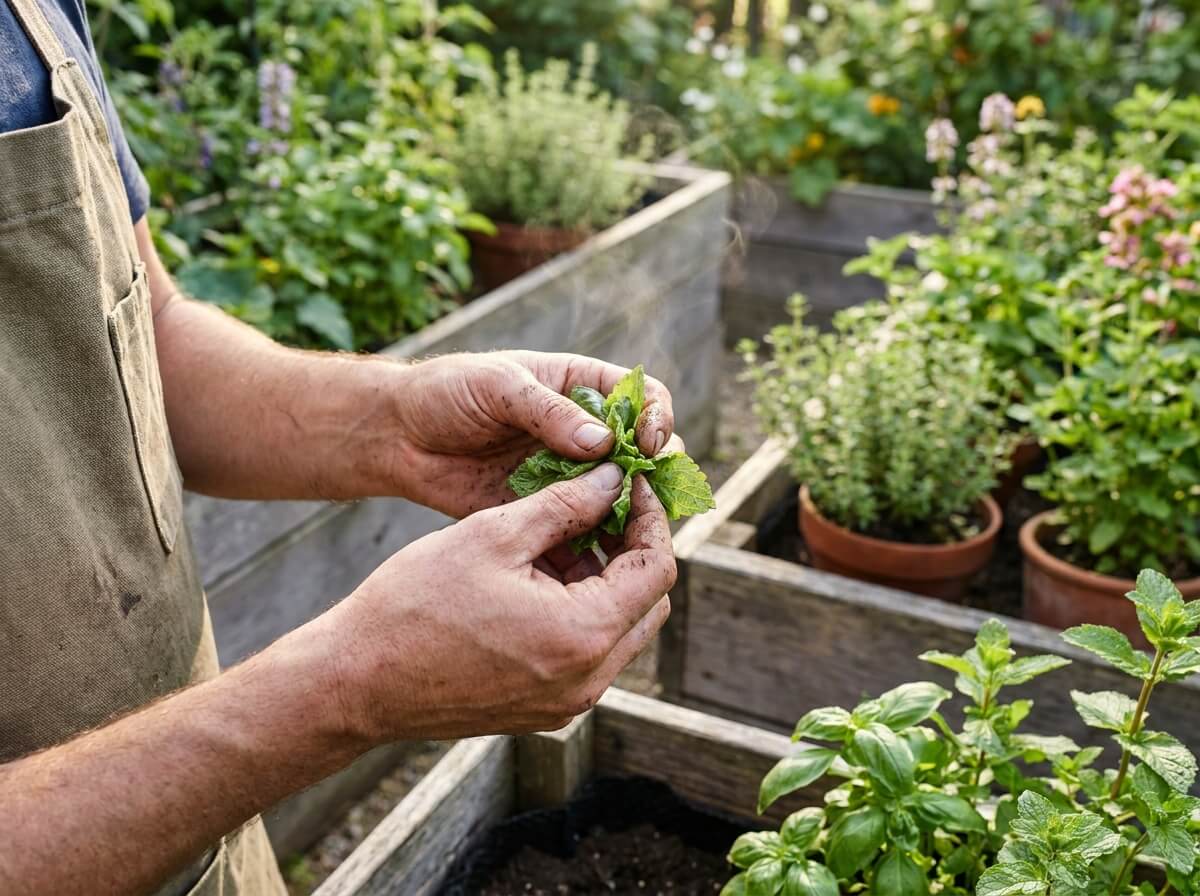
Smart tip: Crush the leaves and rub them on your skin — passive placement in a pot does almost nothing against mosquitoes.
Only if you crush and apply its leaves directly to your skin. Else, it is just decorative. A pot of citronella sitting undisturbed on a patio releases insufficient compounds to affect mosquito behaviour in the surrounding air.
Catnip has the most robust scientific endorsement, with nepetalactone shown to be highly effective when applied to skin. Lemon thyme is a close second, with field study results at 62% the effectiveness of DEET.
Yes — lemon balm, catnip, and basil all grow well on a sunny windowsill. They won’t repel mosquitoes passively indoors either, but they’re useful herbs to have within arm’s reach when you head outside.
Significantly better. The concentrated oil in candles or diffusers delivers active compounds at genuinely repellent levels across a small outdoor area — something the live plant, undisturbed in a pot, simply cannot do.