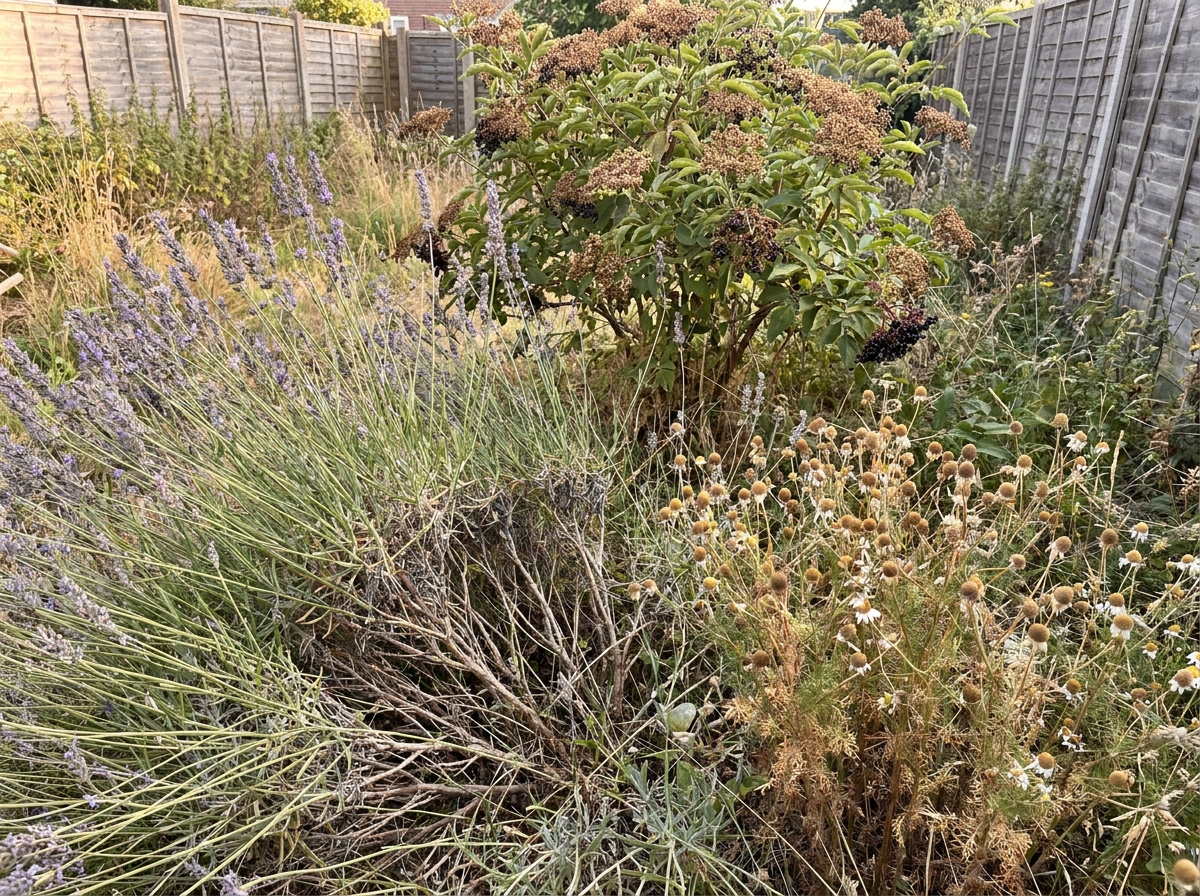
Aloe vera, lavender, chamomile, elderberry — these four plants, they’re at a rare crossroads: genuinely beautiful in your garden, *and* genuinely useful as remedies. But June? It’s the cruelest month for them, because the window for harvesting their medicinal value is brutally short, and most gardeners, well, they just spend it admiring the flowers instead of acting. Here’s what you’re missing.
Elderflowers, they peak in June. Once those tiny cream-coloured clusters start browning at the edges — and that happens fast, sometimes within just four or five days of full bloom — the volatile compounds responsible for their anti-inflammatory and antiviral properties, they’re already starting to degrade. You don’t want that.
I cut ours at 7am on a dry morning, when the pollen’s still dense and the scent’s almost narcotic. That warm-honey-and-cat-pee smell that sounds disgusting and is somehow magnificent. By midday on a warm day, it’s already fading, trust me.
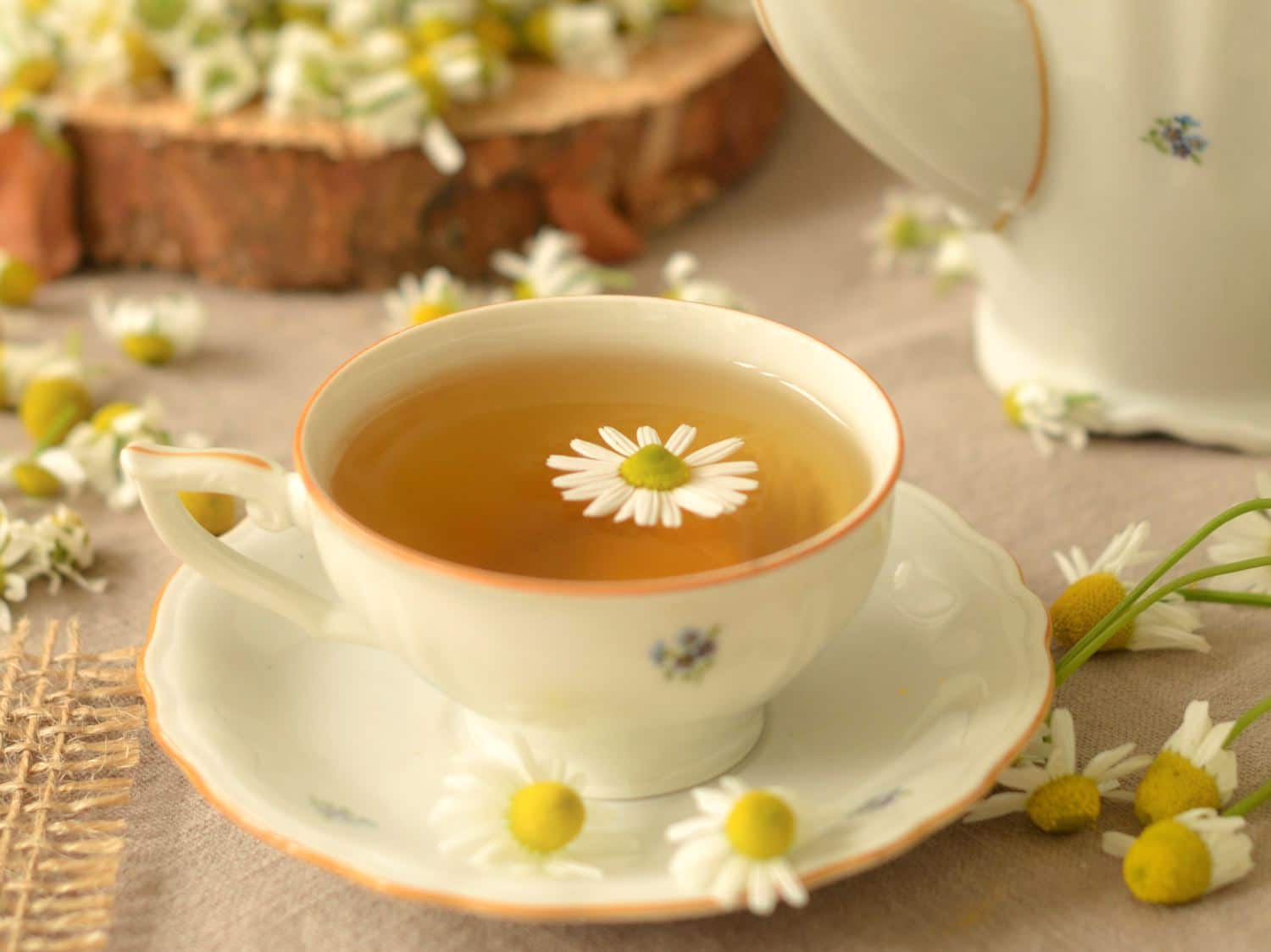
Chamomile? It’s the same story. The moment those white petals reflex fully backward — bending back toward the stem — the essential oil content, it’s at its absolute peak. The RHS confirms this is the exact point to harvest. Miss it by, say, three days and you’re just collecting mostly fibre. Pretty useless.
Lavender’s slightly more forgiving, but honestly, only slightly. You’ve got to harvest when roughly half the buds on a spike have opened.
Any later than that, and the linalool — that’s the compound linked to anxiety reduction and sleep support — it’s already started converting to less active compounds in the heat. What a waste.
You don’t lose the plant, no. But you’re definitely losing the year’s yield. A real shame.
Unharvested chamomile? It’ll self-seed chaotically, which sounds great, right? Until it’s colonised your entire raised bed. And lavender left unpruned in June goes woody faster, too, reducing its lifespan from a possible fifteen years down to five or six. What a pain.
And elder — wait, that’s not quite right — unpicked elderflower clusters, they do develop into elderberries by August, which are also medicinal. So, it’s not a *total* loss, I guess. But the berries won’t be ready until September, and you’ve just skipped the most potent part of the plant’s annual cycle entirely. A faff to deal with later, too.
Aloe vera is different, though. It doesn’t have a harvest window in quite the same way.
But June heat — especially in southern US states, South Africa, or Mediterranean gardens — that’s when aloe planted outdoors starts showing stress signs that gardeners just misread as thriving. Pale, almost translucent leaves? They’re telling you it’s too much direct sun, not too little water. It isn’t happy.
Go outside and check your elder first. If the flower heads are fully open and still creamy-white? You’d better pick them today.
Shake ’em gently over a white surface — if pollen falls like dust, they’re perfect. Cut with about 15cm of stem, place ’em in a paper bag (never plastic!), and process within twenty-four hours. No excuses.
For chamomile, run your thumb across a flower head. If the petals bend backward and the yellow centre feels slightly domed and firm, well, you’ve got to harvest it immediately.
Dry it at no more than 35°C — a warm airing cupboard works perfectly. A food dehydrator set low, that’s even better, you’ll find.
High heat destroys the apigenin content that makes chamomile genuinely calming. Full stop. You won’t get anything more than fancy flavoured water otherwise.
For lavender, cut to just above the lowest leaves — never, ever into the woody part. Bundle it loosely, hang it upside down in a cool room with plenty of airflow.
Ten to fourteen days. Sorted.
Aloe living outdoors in full sun? You’ve got to move it to bright indirect light or give it shade cloth from 1pm onward. UC Davis Extension notes that aloe gel potency is actually higher in slightly stressed plants — but heat stress past a certain point? That damages the leaf structure permanently. It’s just not worth it.
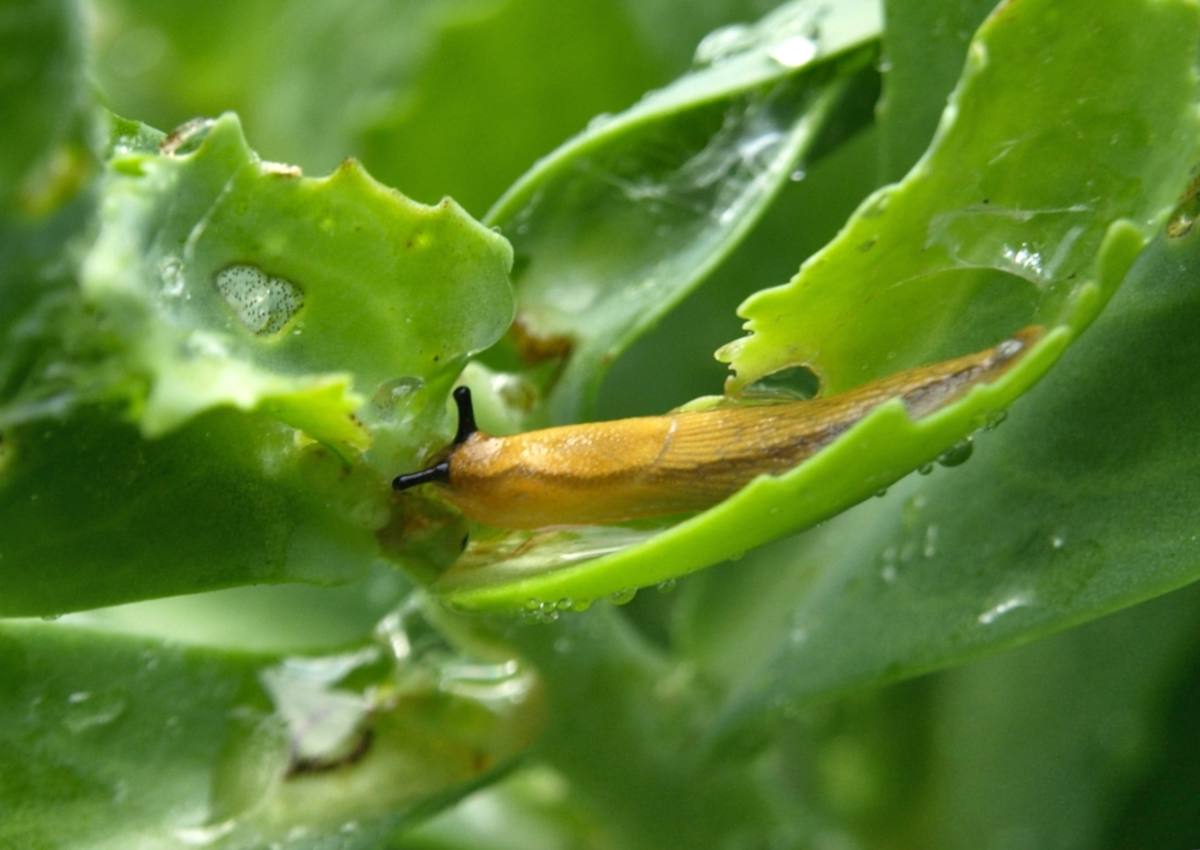
Watch for these — they’re each telling you something specific:
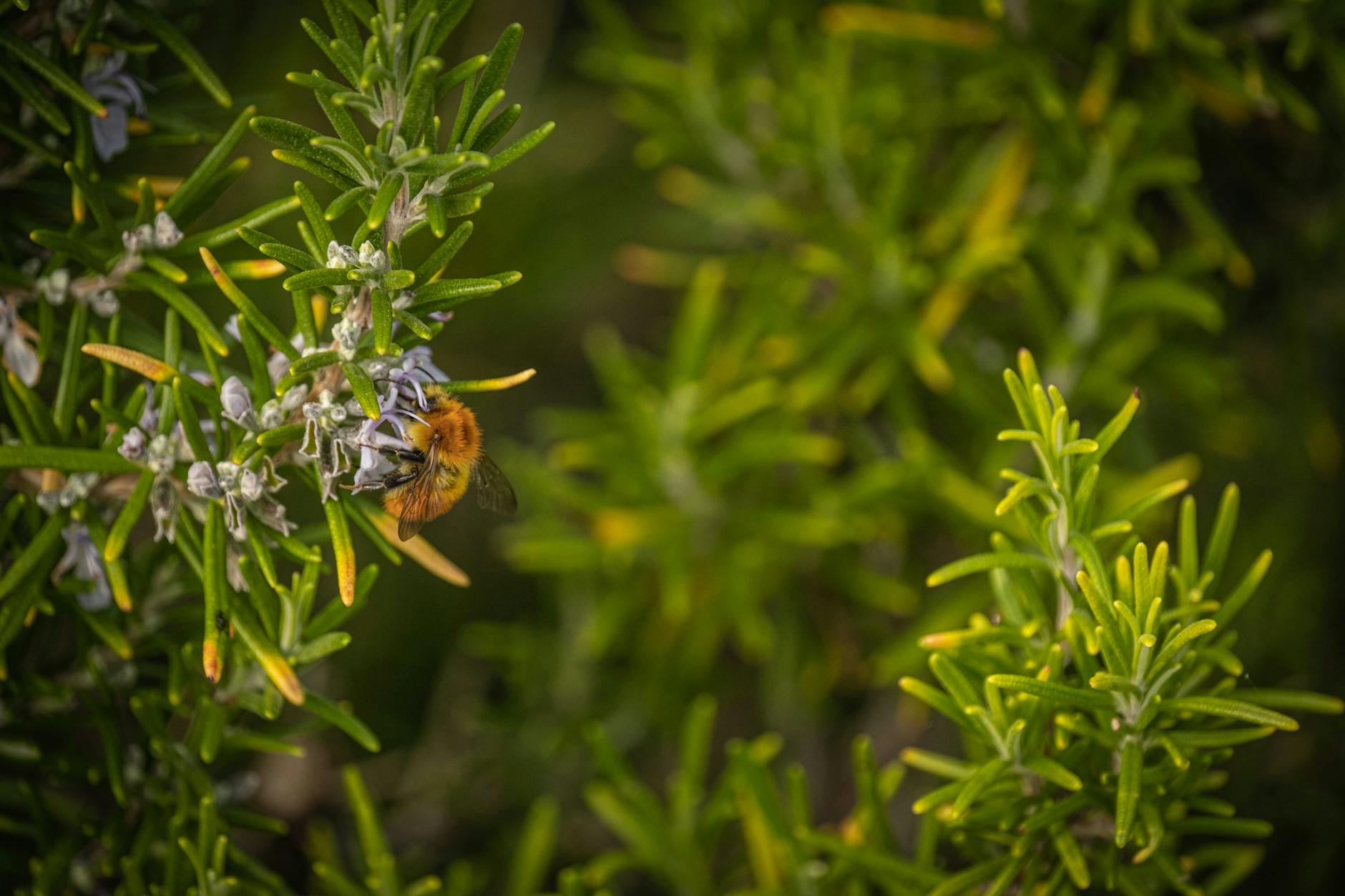
And if you’re growing rosemary alongside these herbs, June’s equally critical — it’s a cross-category reminder that the whole Mediterranean herb family, it shares this same peak-and-decline harvest rhythm in summer heat. Something to remember.
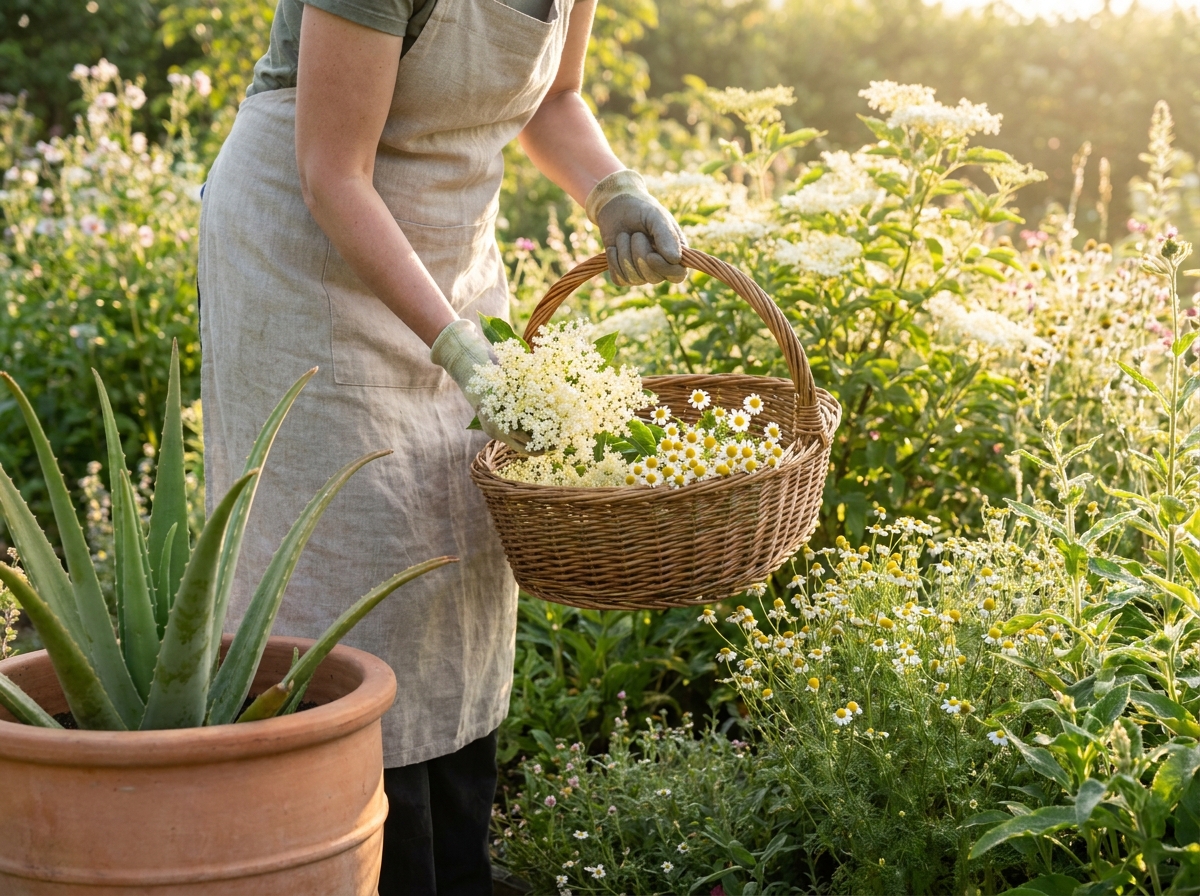
Smart tip: Harvest elderflower, chamomile, and lavender in the morning on a dry day — never, ever after rain.
Yep! You’ve got to make elderflower tea or cordial within twenty-four hours for maximum potency. The volatile compounds, they just begin to break down super quickly once picked.
Not entirely, no — fully open lavender still has value for fragrance and mild relaxation uses. But for proper medicinal-grade harvesting, those half-open buds are the target, remember.
Soft, pale aloe in summer usually means too much direct sun or a bit of overwatering, not drought at all. Move it to bright but indirect light and skip watering for, say, eleven to fourteen days. Give it a break.
Different ones, entirely. Elderflowers are stronger for respiratory and anti-inflammatory use; elderberries (ripe, cooked — never raw, seriously) are better known for immune support, particularly in winter. They’ve got their own thing going on.