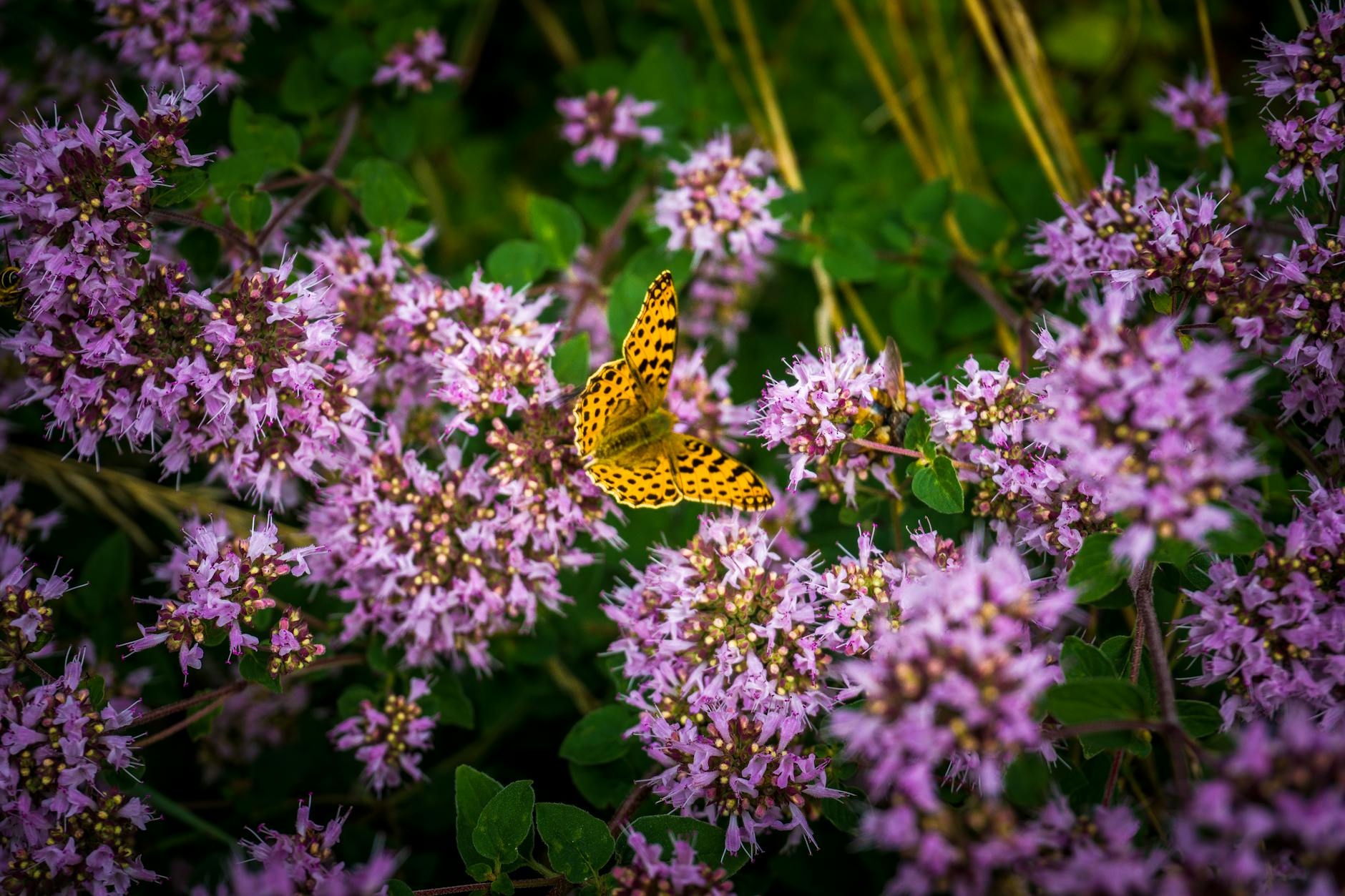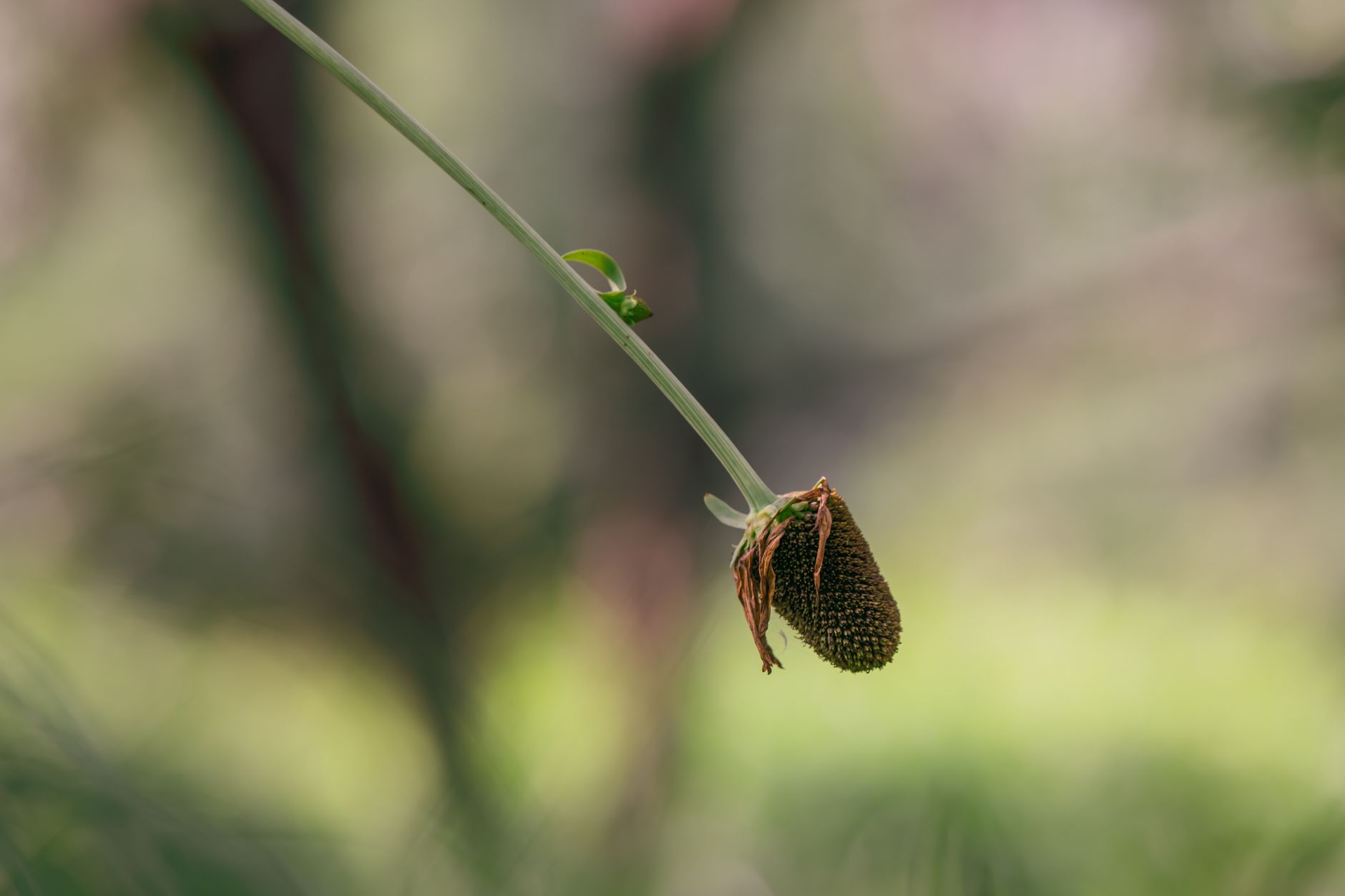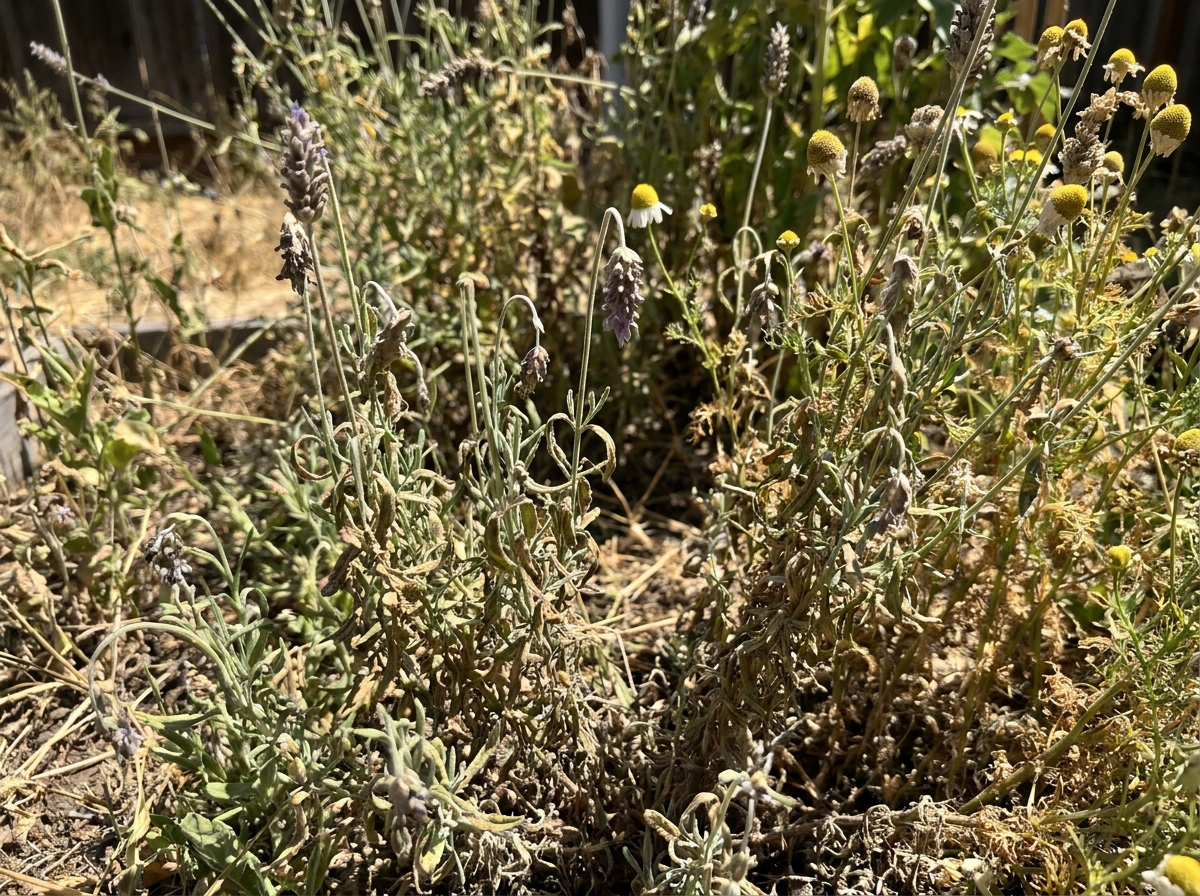
Your herbs look magnificent right now. Dense, tall, buzzing with insects.
But that abundance is a trap. Heat, long daylight hours, and the rush to flower all trigger the same biological response in medicinal plants: the compounds that matter — the volatile oils, the flavonoids, the bitter glycosides — start to break down or redirect.
The plant that looks its best is often, medicinally speaking, well past its peak.
When temperatures climb above 25°C (77°F) relentlessly, most medicinal herbs shift their energy away from producing aromatic compounds and toward reproduction. Flowering is the tell-tale sign that this shift is already underway. Once a herb bolts and flowers, its essential oil concentration drops — sometimes by more than half.
Rub a bolting basil leaf between your fingers. That faint, thin smell compared to a pre-flower leaf?
That is the difference you are tasting in your teas and tinctures. The same applies to lemon balm, peppermint, chamomile, and especially thyme and oregano.
The plant will not die. But by late summer you will have harvested almost nothing of medicinal value — just dried leaves and flowers that smell pleasant and do precious little.
Seeds form, stems go woody, and the entire above-ground portion becomes structural rather than chemical.
But there is a second issue. Herbs allowed to fully flower and seed often skip their second flush entirely. Peppermint, lemon balm, and common vervain all have the capacity to regrow vigorously after a hard cut — but only if you cut them before they exhaust their energy setting seed. Miss that window and the plant sulks, produces sparse regrowth, and you have lost both harvests.
Southern Hemisphere gardeners: this applies to your December and January.
Go outside this morning — not this afternoon, morning — and check every medicinal herb for flower buds. Pre-dawn to 9am is when essential oil concentration is highest in the leaves.
Harvest then, not at midday when heat volatilises the oils before they reach your basket.
For herbs already showing buds or early flowers:
Yes, it is more precise than most herb advice suggests. Do it anyway — the difference in potency is night and day. But getting your timing sorted is non-negotiable if therapeutic value is what you are after. If you are also growing any of these as dual-purpose plants, the same timing rules apply: culinary value and medicinal value peak together, and fade together.
Smell is your fastest diagnostic tool. A herb that releases a sharp, immediate scent when lightly bruised is still potent.
One that smells faint, sweet, or almost fermented has passed its window.
Watch for these signals across your patch:
According to RHS guidance on harvesting herbs, regular cutting does wonders for not only maintaining potency but also extending the productive season by several weeks. The plant’s job is to reproduce. Your job is to keep interrupting that.
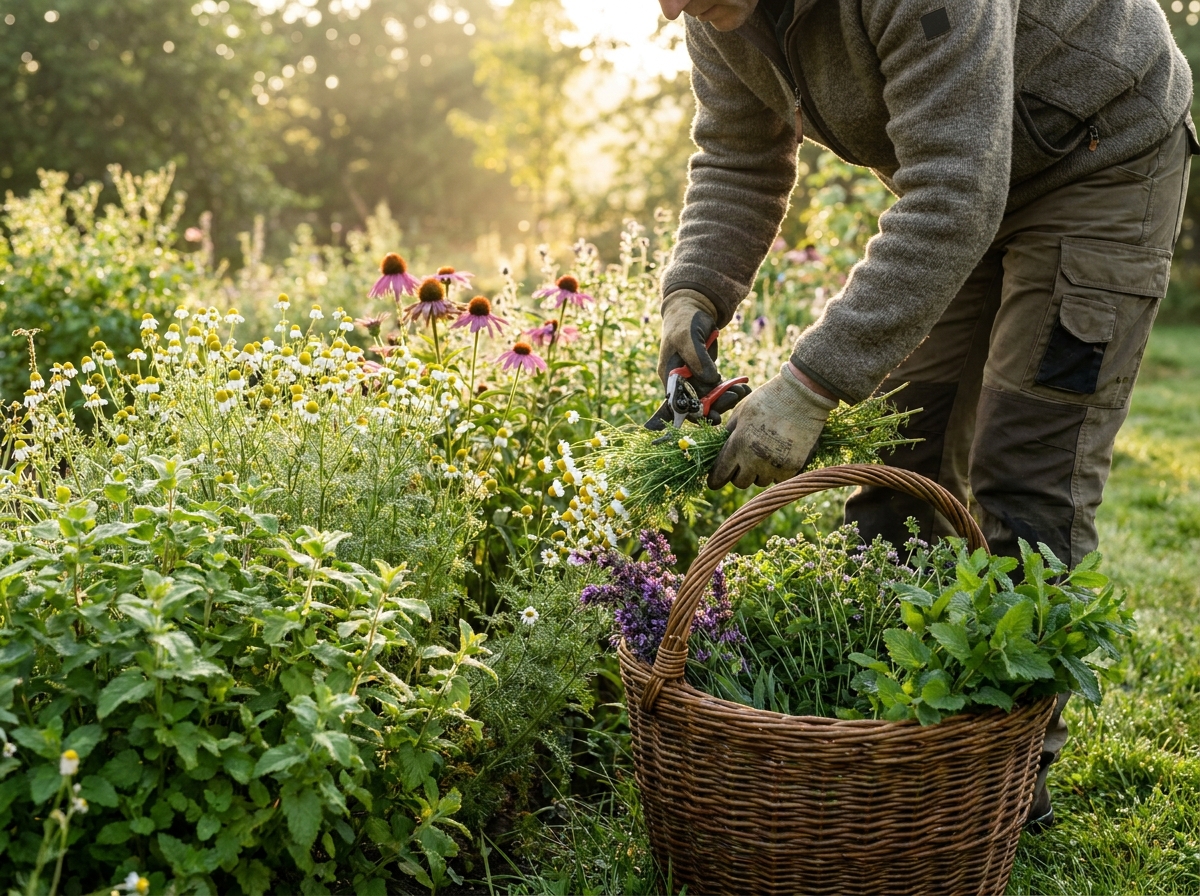
Smart tip: Always harvest medicinal herbs in the morning before 9am — essential oil levels are measurably higher at that time.
Lemon balm, peppermint, and chamomile are the most sensitive. Their active compounds begin breaking down within days of flowering starting, especially above 28°C (82°F).
Yes, but expect noticeably reduced medicinal strength. Fully flowered peppermint and lemon balm still make pleasant teas — they just will not carry the therapeutic load of a pre-flower harvest.
Dry in a warm, dark, well-ventilated space below 35°C (95°F). A dehydrator on its lowest setting works well — oven-drying, even on low, typically runs too hot and degrades volatile oils.
Absolutely. Lavender harvested at 50% bloom retains significantly more linalool than fully open flowers.
Cut stems long and dry upright in small, loose bundles — never tightly bundled, which traps moisture and causes the scent compounds to break down unevenly.