Coriander — or cilantro if you’re in North America — it’s one of the most infuriating herbs to grow in summer, isn’t it? You plant it, it looks great for maybe 14 days, then it throws up a tall flower spike and dies before you’ve made a single salsa. The real reason this keeps happening isn’t bad luck or a dodgy batch of seeds — it’s that coriander is fundamentally a cool-season herb, and most of us keep treating it like a warm-season one. So, here’s how to stop the cycle.
Coriander (Coriandrum sativum) evolved in the Mediterranean and Middle East — but you’ve got to remember, not the blazing summer version of those places. It germinates in cool, moist conditions and naturally completes its life cycle fast when temperatures rise. That’s not a flaw, you know? That’s the plant doing exactly what it’s designed to do.
The moment soil temperature consistently creeps above, say, 21°C (about 70°F), coriander reads that as an emergency signal: bolt now, set seed, die. It’s not sick, it’s not stressed in the way you’d stress a tomato. It’s just… finished. And the cruel joke? Watering it more doesn’t help. Full stop. In fact, soggy roots in warm soil speed up the decline rather than slow it down.
There’s also a light component that almost nobody talks about. Coriander’s a long-day plant, meaning increasing day length in June also triggers bolting — independently of heat. So even if you somehow keep roots cool, the long summer days are whispering “flower, flower, flower” at the same time. It’s a double whammy, and most gardening advice only mentions one of them.
And a few other things that push coriander over the edge faster:
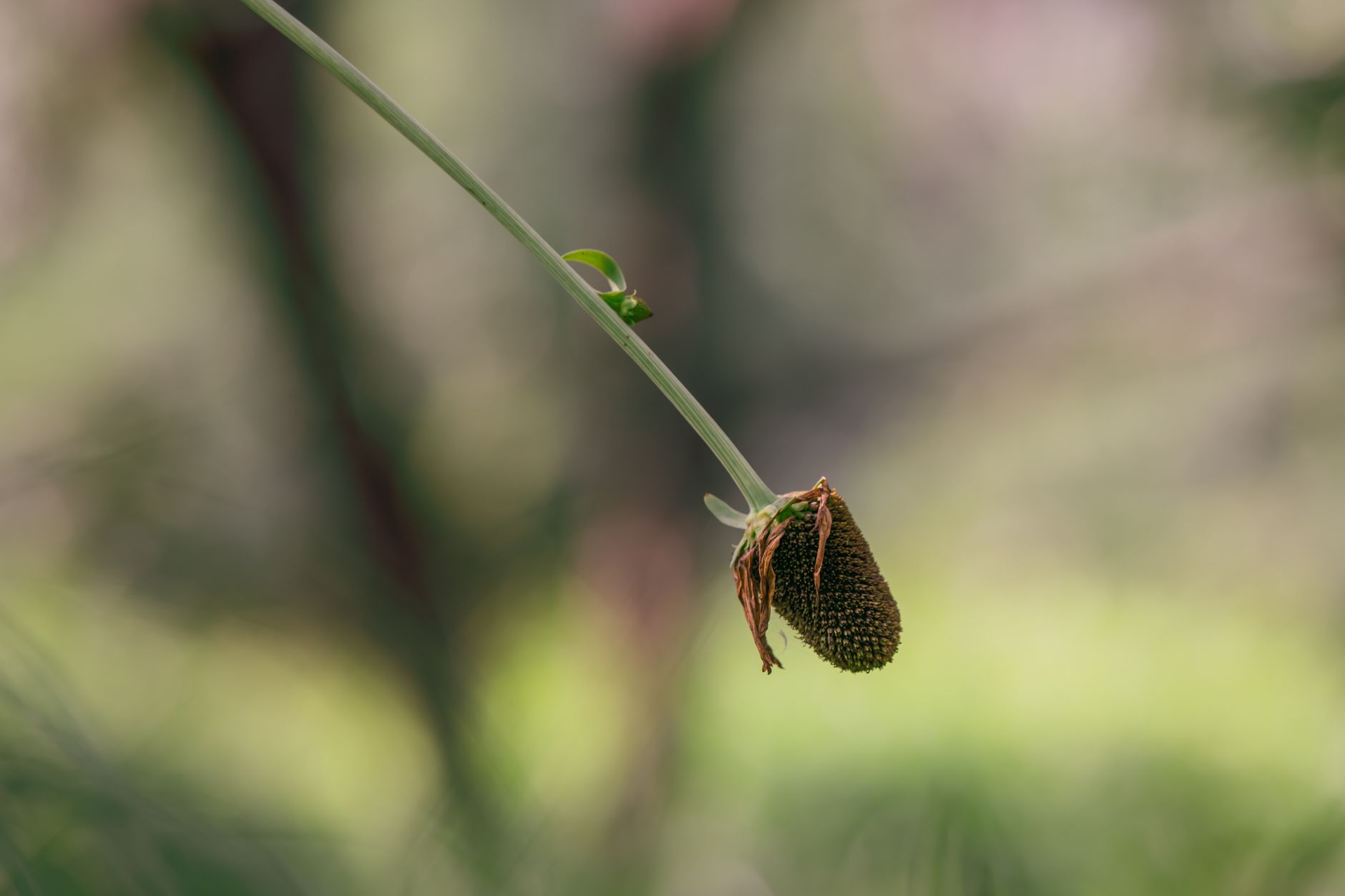
Let’s be honest: bolted coriander won’t kill you or damage your garden. But it does become essentially useless for cooking almost overnight. Once that flower spike appears, the leaves turn feathery and thin, they lose most of their aromatic oils, and they’ll taste faintly bitter. The plant redirects every bit of energy into producing seeds, and once it’s bolted, you cannot reverse it. Pinching the flower spike off buys you maybe, what, another 72 hours? That’s it.
But the real danger? It’s the cycle of disappointment that makes people give up on coriander entirely. I’ve spoken to gardeners who’ve written it off as “impossible” — when actually they just needed to change when and where they plant it, not how carefully they tend it. There’s a version of coriander growing that genuinely works, you’ve just haven’t been told the right approach yet.
One small silver lining: if you let it bolt and set seed fully, you’ll get coriander seeds — which are a completely different, warm-flavoured spice used in curries and baking. Everything you need to know about growing coriander covers both the leaf and seed harvests. Worth reading if you’d rather salvage a bolted plant than just compost it.
If your coriander’s already bolting, harvest everything you can right now — even those thin, feathery leaves — and either use ’em fresh or blitz ’em into a herb oil with olive oil and freeze in ice cube trays. Don’t wait. Tomorrow it’ll taste worse than today. No kidding.
So, for your next sowing (and yes, there absolutely should be a next sowing!), here’s the approach that actually works in summer:
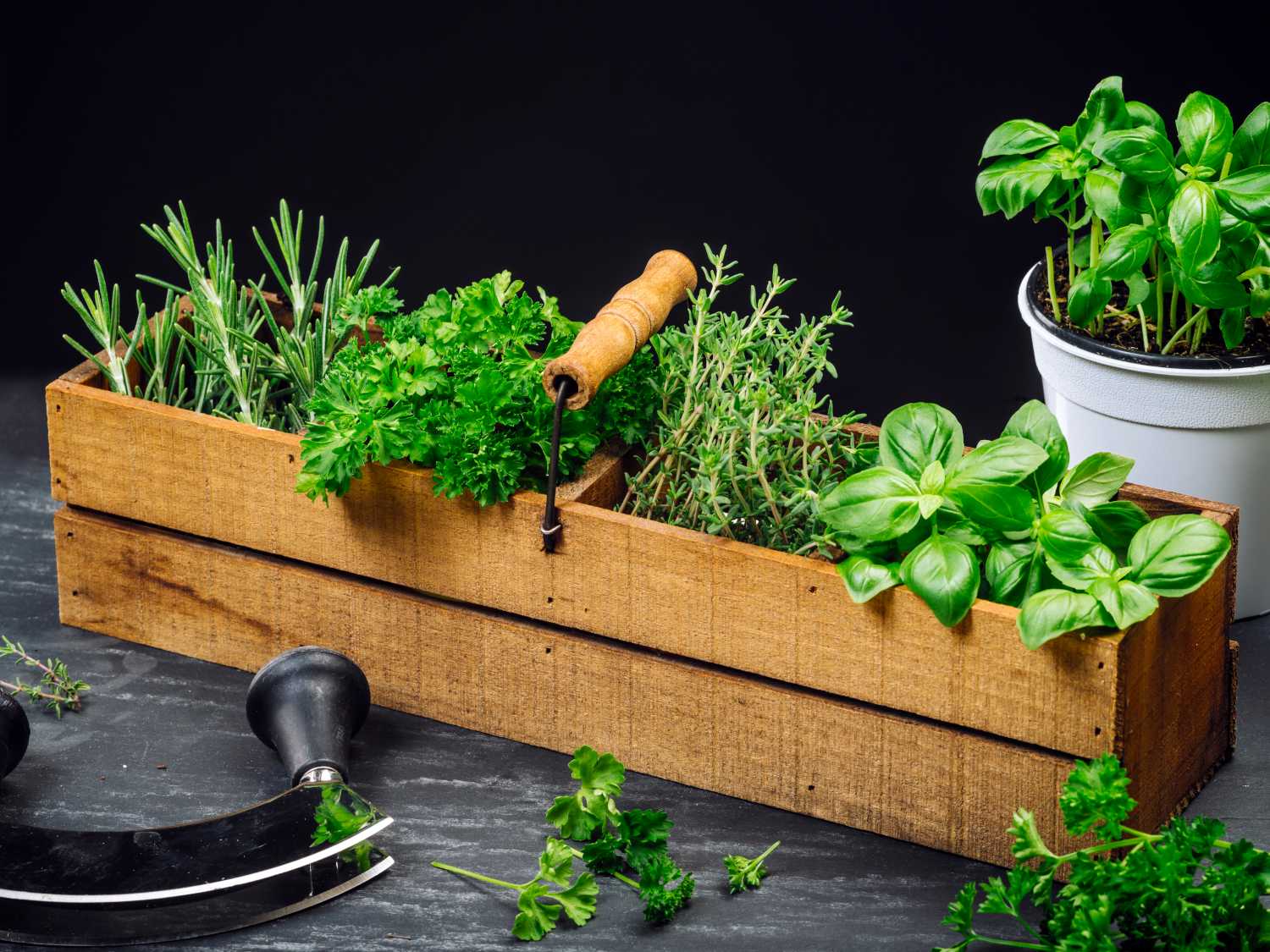
If you’re growing indoors, a north-facing windowsill in summer’s actually ideal — cool, bright enough, no direct heat. The approach used for potted basil on terraces and balconies gives useful context on managing herb pots in summer heat, some of which applies directly to coriander containers too. Oh, and it’s super handy.
Southern Hemisphere gardeners: June’s your winter, which means coriander’s actually in its sweet spot for you right now. This is your best growing window, so you’d better make the most of it before summer arrives in December/January. Won’t last forever!
Bolting’s the dramatic finale, but the plant usually gives you warning signs first. Catch ’em early and you can sometimes extend your harvest by maybe 11 days.
It’s also worth keeping an eye on neighbouring herbs, by the way. Summer heat problems rarely affect just one plant — if your coriander’s suffering, you’d best check your basil for signs of bolting too, since both respond badly to the same combination of heat and long days. The RHS guide to growing coriander also confirms that successive short sowings in cool conditions are the key — not one big planting you’re hoping will last all summer. That just won’t work.
Smart tip: The single most effective change you can make? Stop buying supermarket coriander pots and start sowing seeds directly into a shaded spot every two to three weeks. Those shop-bought plants? They’re already doomed — raised in artificial conditions, root-bound, and primed to bolt the moment they sense real summer. Seeds in good shade will outlast them every time. Guaranteed.
Coriander bolts in response to two simultaneous triggers: heat (soil temperatures consistently above 20°C/68°F) and long days. In June, both are happening at once, and it’s a nightmare. It’s not something you’ve done wrong — it’s the plant following its biological programming. Choosing slow-bolt varieties and growing in afternoon shade? They’re your most effective counters.
Not really, no. Pinching off the flower spike the moment it appears can buy you maybe a couple of extra days of leaf production, but it won’t stop the process — it just delays it. Once that internal signal has fired, the plant is