Something is silvering your leaves, scarring flower petals, leaving pale streaks across what should be healthy growth. The culprit is not heat stress; it is not drought. Thrips are almost certainly already in your garden. They are only 1–2mm long, hide inside flower heads, and move fast. So, most gardeners spend weeks treating the wrong issue entirely. Here is how to find them and shut them down.
Thrips (order Thysanoptera) rasp into plant cells, drinking the contents. They do not pierce cleanly like aphids.
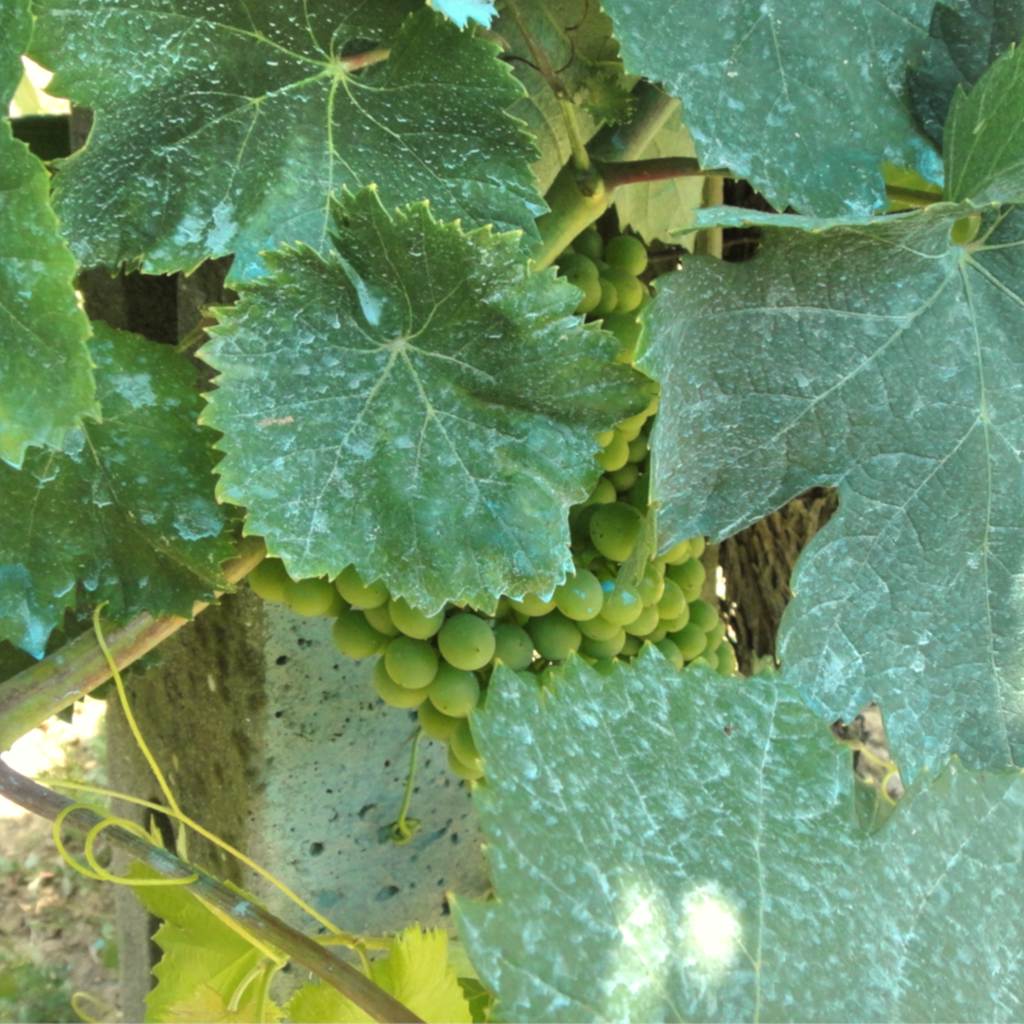
They shred. The result is a distinctive silvery or bronze streaking on leaves, distorted new growth, and flower petals that look as if someone scored them with a pin.
Hot, dry summers supercharge their lifecycle. A thrips generation can complete in as little as 16 days when temperatures sit above 25°C (77°F).
With El Niño-linked heat patterns scorching summers across the UK, the US, and Australia right now, populations that would normally plateau are exploding. Check your roses, your onion family, your dahlias, your beans—anything with soft tissue. Proper inspection is non-negotiable.
To confirm, hold a sheet of white paper under a suspect flower or leaf and tap sharply. Tiny dark or pale specks that start moving within a few seconds? That is them. So, you can learn more about thrips damage and symptoms.
Left unchecked, thrips do not just disfigure. They vector plant viruses; Tomato Spotted Wilt Virus is the most serious, capable of decimating entire tomato and pepper crops.
There is no cure for the virus once it is established. And the window to act is before populations peak.
Flowers suffer first and most visibly. But the real damage accumulates in the growing tips. Thrips congregate there in numbers you will not see until you pull apart the bud at dawn; they are most active and visible in early morning, before the heat of the day forces them deeper into the plant.
And unchecked, one generation shoots up to four in under two months. By late summer, you will not be managing a pest — you will be managing a crisis.
Start with physical removal. A firm spray of water at 6am along stems and the undersides of leaves dislodges adults and larvae from the plant before they can resettle.
Do this every two days for at least a fortnight. This is non-negotiable.
Follow immediately with one of these:
Yes, it is fiddly. Worth it. The difference between treating early and treating late is the difference between saving your dahlias and composting them. You may also explore natural tips against thrips.
Southern Hemisphere gardeners: This pest pressure applies to your December–January period. Use this guide now to prepare before your summer peak.
Thrips damage is often misread. Before assuming a thrips infestation is present, rule out:
Thrips leave properly distinctive clues: black varnish-like frass specks (their droppings) on leaf surfaces, alongside the silver streaking. You will often smell nothing, hear nothing. But under a 10x loupe, you will see the frass clearly. That is your confirmation.
Also watch flower colour fade unevenly, with white or pale varieties showing rusty flecking on petals first. Onions and leeks show a characteristic white-silver mottling from the tip downward. Thrips as a species are generalists; there is almost no ornamental or vegetable crop they will not pester, given the right conditions. Check everything. Weekly. It is the only way to stay on top of things.

Smart tip: Tap flowers over white paper at dawn — this is the single fastest way to confirm thrips before damage spreads.
Yes. Pupae overwinter in the top 5cm of soil and emerge in spring. Disturbing the soil around affected plants and applying a layer of mulch does wonders for disrupting this cycle.
Some species bite humans when populations are properly high, causing minor skin irritation. They pose no serious health risk, but high densities near outdoor seating areas can be unpleasant. Not quite right for garden parties, eh?
Absolutely. This is one of the most common ways houseplants get infested. Bringing cut flowers or new plants indoors without inspection is the usual entry route. Always check before bringing anything inside. That is bang on.
With neem oil or spinosad, anticipate visible abatement in new damage within 10–14 days. Full control across all life stages takes 3–4 treatment cycles, as eggs remain shielded from most sprays until they hatch.