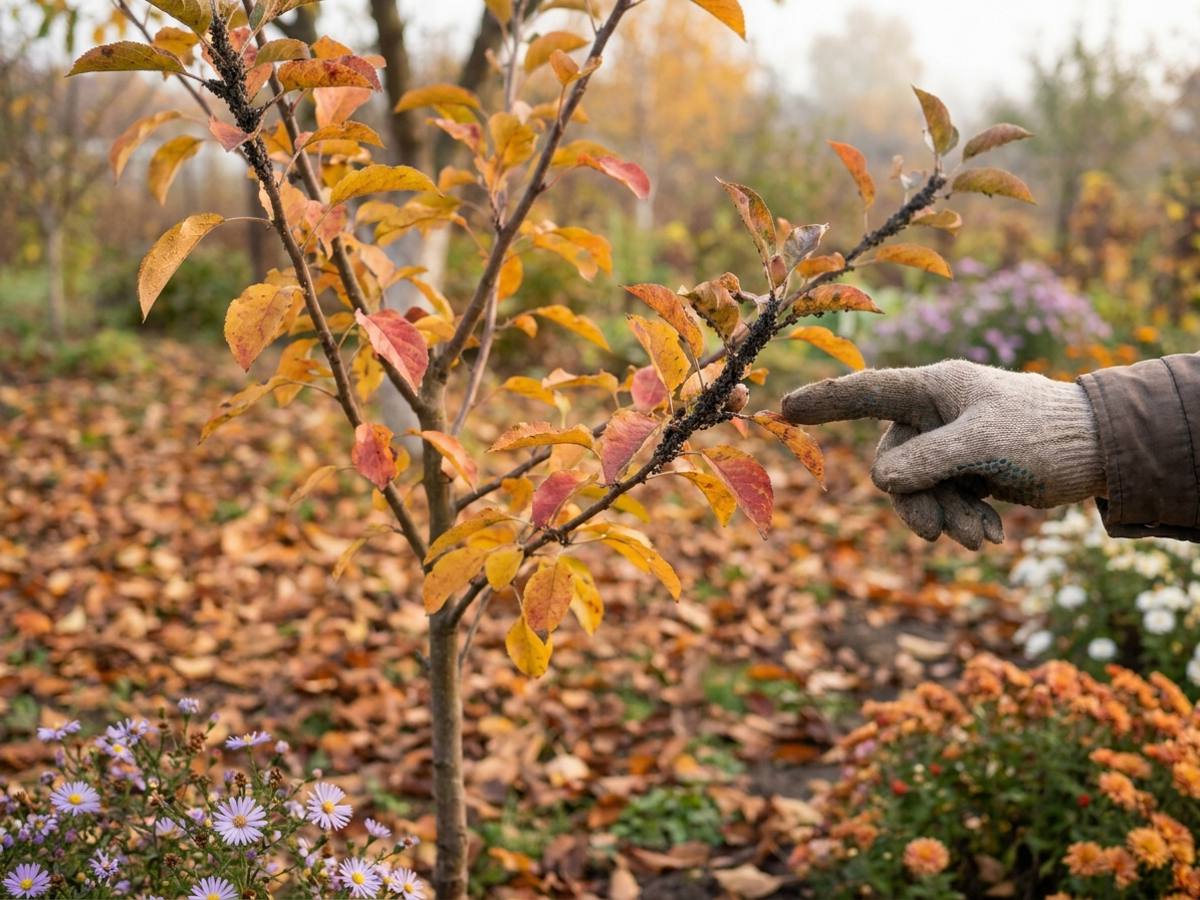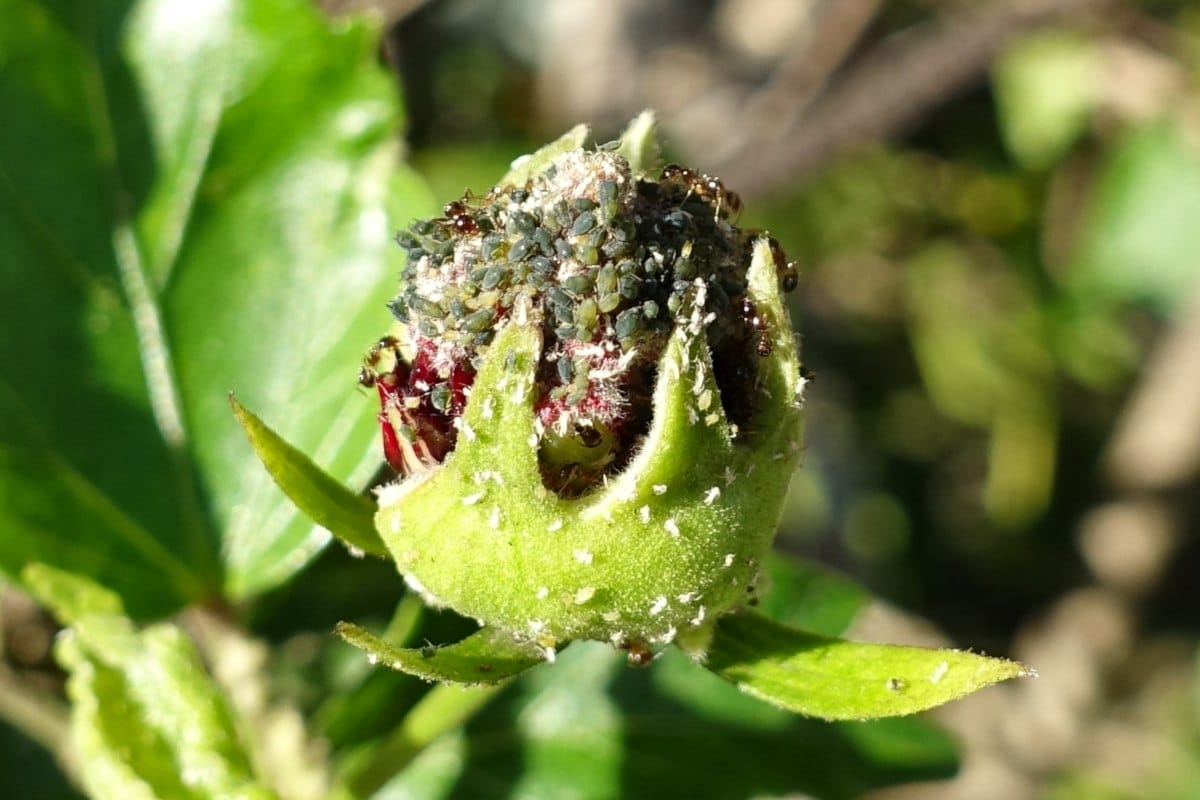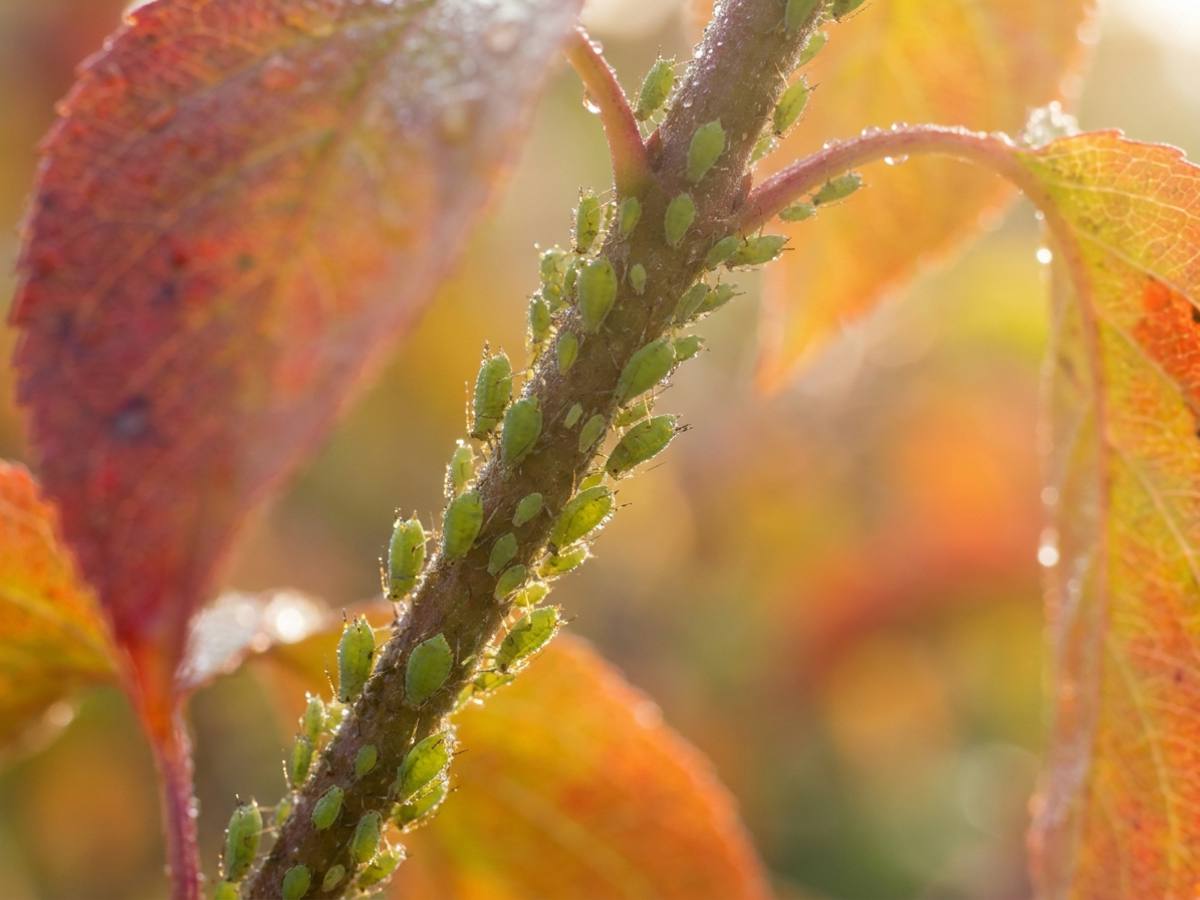
September brings an unwelcome surge of aphids to gardens across the UK and US – and there’s a biological reason why. As temperatures cool and plants push out tender new growth, aphid populations explode into what gardeners are calling an unprecedented autumn boom. Understanding why this happens now, and what it means for your garden’s health heading into winter, could save your prized perennials and vegetables from serious damage.
In early autumn, gardens face the second major aphid peak of the year, and it catches many gardeners off guard. Whilst summer heat naturally suppresses aphid reproduction, the mild temperatures and increased nitrogen in new autumn growth create ideal conditions for rapid breeding. Across both regions, gardeners are reporting dense clusters on roses, dahlias, and leafy greens that weren’t plagued by pests just weeks ago.
Aphids reproduce asexually during warm months, meaning a single female can generate dozens of clones within days. As day length shortens and temperatures fall below 15°C (59°F), aphids switch strategies. They begin producing sexual females and males, preparing to lay overwintering eggs on woody plants and shrubs. This reproductive shift coincides with the flush of protein-rich new growth plants send up in autumn, creating a perfect storm of food and population pressure.
This seasonal pattern also signals something important about your garden’s ecological balance. Heavy autumn aphid infestations often indicate a lack of natural predators, whether through pesticide use earlier in the year or poor habitat for ladybirds, lacewings, and parasitic wasps. Gardens with established beneficial insect populations rarely face such dramatic swarms.
The article sets out four practical measures against the autumn surge. They differ in how they work, how often you repeat them and which plants they suit.
| Measure | How it works | When to apply | Best used on |
|---|---|---|---|
| Strong water jet | Physically dislodges the aphids | Every 3-4 days through early autumn | High-risk plants such as roses and kale |
| Neem oil or insecticidal soap | Sprayed contact treatment on the clusters | Early morning or late evening | New growth, undersides of leaves |
| Late-flowering umbels (fennel, dill, yarrow) | Feeds adult parasitic wasps and hoverflies | Early autumn, weeks before frost sets in | Whole garden, as lasting predator habitat |
| Removing infested stems | Cuts the population at source; do not compost | Before sexual females emerge | Heavily infested stems |
All of them work best while populations are still manageable.
Act now whilst populations are still manageable and you have weeks before frost sets in.
Over the next 4-6 weeks, monitor for winged aphids leaving your garden – a sign they’re moving to overwintering host plants like viburnums and euonymus. By mid-October, numbers should naturally decline as temperatures drop further. Use this period to build your garden’s predator population for next year, knowing that the aphids you leave behind will lay eggs that hatch early in spring.