Firethorn: Expert Tips for Growing Pyracantha coccinea
0
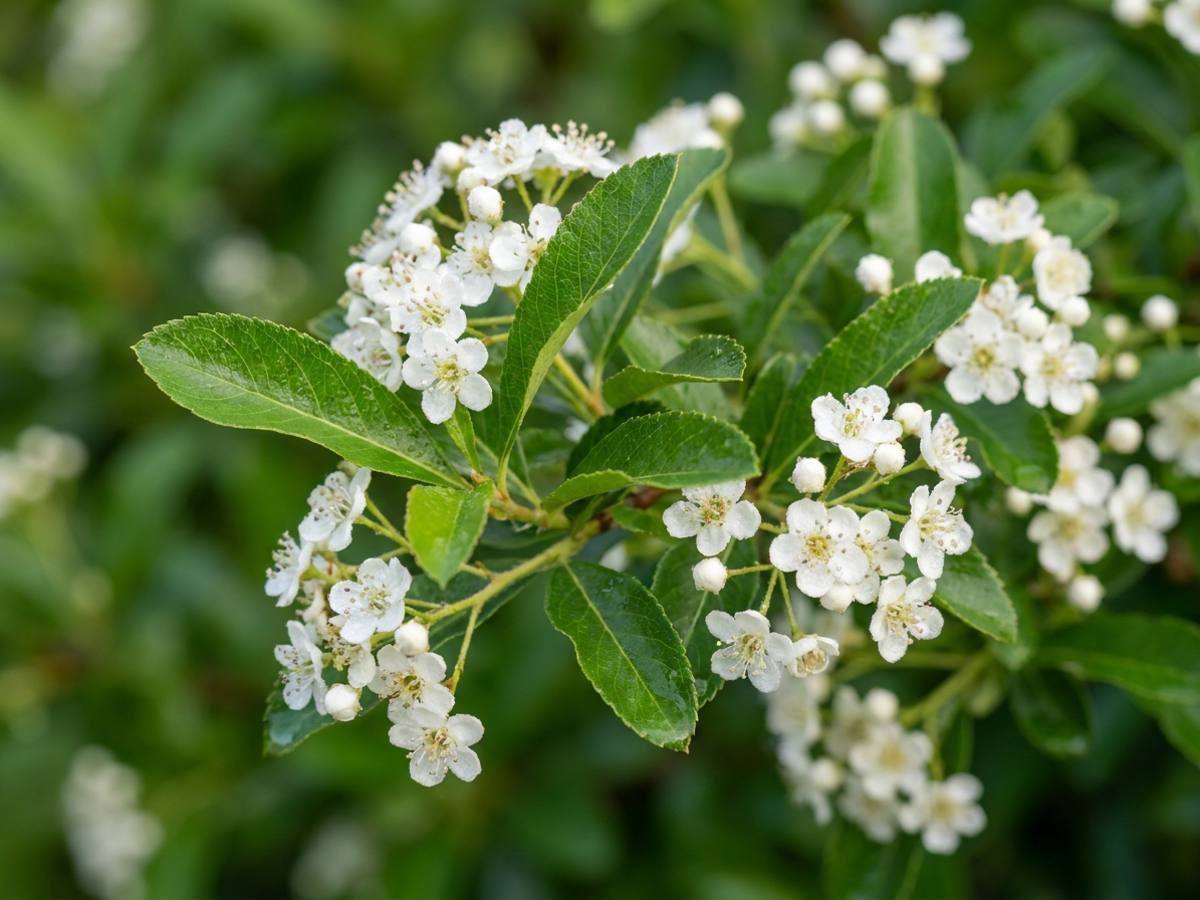
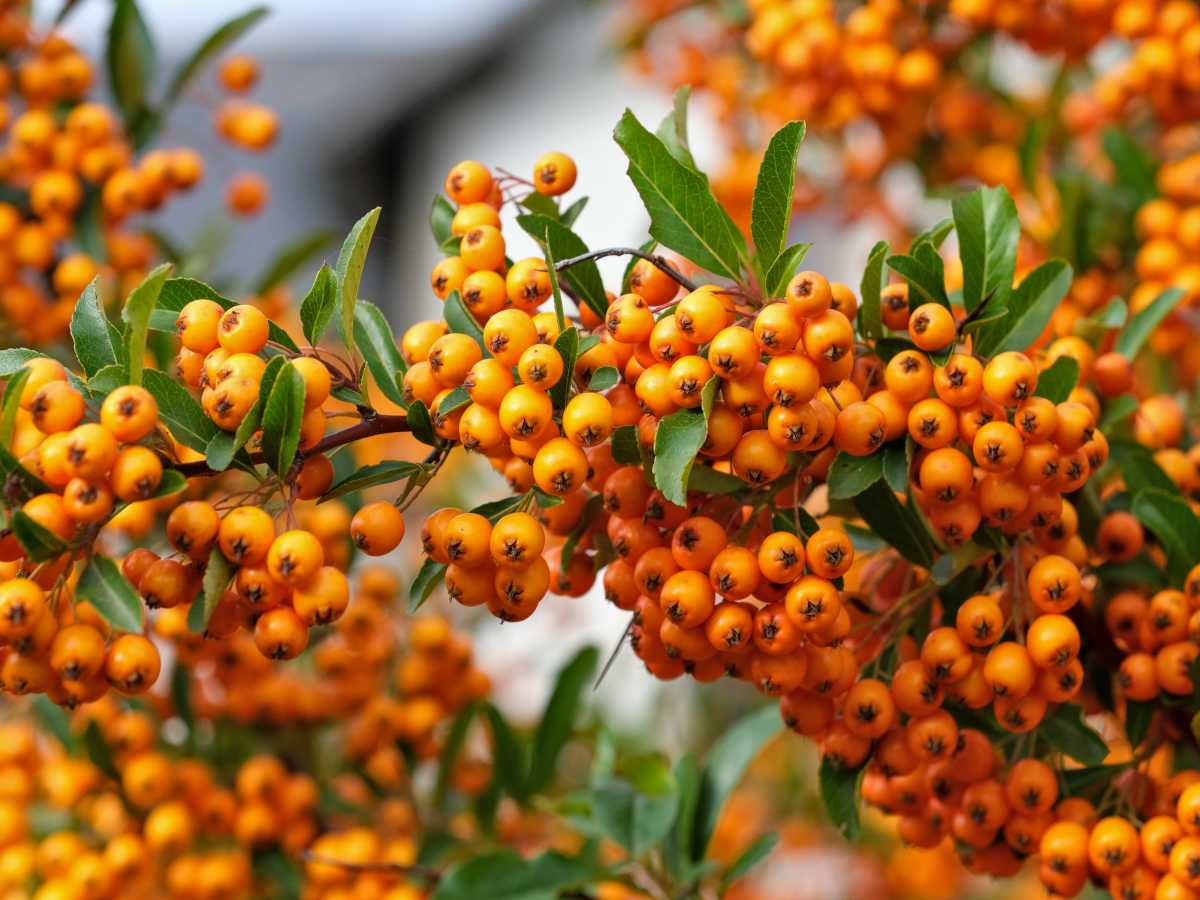
Pyracantha coccinea, commonly known as scarlet firethorn, is a vigorous evergreen shrub prized for its brilliant orange-red berries that persist well into winter. It serves as a striking wall plant, hedge specimen, or free-standing shrub, offering year-round architectural interest and vibrant autumn colour when most gardens fade. This thorny beauty is also highly attractive to birds and wildlife, making it a natural choice for any garden seeking both visual drama and ecological value.
Growing conditions
Pyracantha coccinea thrives in full sun, which encourages prolific flowering and the most intense berry colour. It tolerates partial shade but will produce fewer flowers and berries in shadier positions. Position it where it receives at least 4–6 hours of direct sunlight daily for optimal performance.
This shrub is remarkably unfussy about soil, thriving in well-drained loam, clay, chalk, and even poor, gravelly ground. It prefers soil with a pH of 5–8 and requires good drainage to prevent root rot, particularly in winter. Amending heavy clay with grit or compost before planting improves drainage significantly.
Scarlet firethorn is fully hardy throughout the UK and northern Europe, withstanding temperatures as low as −15 °C. In colder regions, plant against a south- or west-facing wall for extra protection from harsh winds and late frosts. It tolerates coastal conditions and atmospheric pollution, making it ideal for exposed or urban gardens.
How to plant Pyracantha
The best time to plant is autumn (September to November) or early spring (March to April), when the soil is moist but workable and the plant can establish roots before summer heat stress.
Space plants 1.5–2.5 m apart, depending on variety and whether you’re creating a formal hedge or free-standing specimen
Plant at the same depth as the container, ensuring the top of the rootball is level with soil surface; do not bury the crown
Enrich planting holes with compost or well-rotted manure, mixing it thoroughly with surrounding soil to improve drainage on clay
Water thoroughly after planting and maintain consistent moisture for the first growing season to establish a strong root system
Propagate from softwood cuttings in late spring or semi-ripe cuttings in mid-summer, rooted in gritty compost under gentle bottom heat
Care through the seasons
Spring: Feed with a balanced slow-release fertiliser in early April to support new growth and flower development. Remove any deadwood or frost-damaged shoots, cutting back to healthy wood just above an outward-facing bud. Tidy the base of the plant by removing accumulated dead leaves and debris.
Summer: Water young plants regularly during dry spells, aiming for 2–3 cm per week until established; mature specimens are drought-tolerant once their root systems are deep. Deadhead spent flowers if desired, though allowing some to develop into fruit maximises autumn and winter display. Prune wayward or crossing shoots to maintain shape, but avoid heavy summer pruning which risks removing next year’s fruit.
Autumn: Resist the urge to prune heavily once berries appear, as this removes your winter display. Cut back any sprawling stems in late November to tidy the plant, but wait until February to undertake major structural pruning, which encourages fresh growth less likely to be damaged by frost. Apply a 5 cm mulch of compost around the base to insulate roots and suppress weeds.
Winter: Once established, Pyracantha coccinea requires no watering even in prolonged dry spells. The persistent berries provide winter interest and food for birds; leave the display in place until late January or February when natural food becomes scarce.
Best varieties to grow
Several cultivars offer distinctive characteristics and improved disease resistance:
‘Lalandei’ — A classic tall form with deep orange-red berries and vigorous, spreading growth; excellent as a wall shrub and awarded an RHS Award for Garden Merit.
‘Mohave’ — Produces dense, bright orange berries and has improved resistance to scab; compact habit makes it suitable for smaller gardens.
‘Orange Glow’ — Features brilliant orange berries (not red) held late into winter, with a semi-spreading form ideal for fan-training.
‘Red Column’ — A narrow, upright cultivar reaching 2.5–3 m with scarlet berries; perfect for tight spaces or formal hedge schemes.
Pests, diseases and common problems
Pyracantha scab (Fusicladium pyracanthae): Dark spots appear on fruit and leaves, causing berries to crack and drop prematurely. Choose resistant varieties such as ‘Mohave’ or ‘Watereri’; improve air circulation by thinning crowded growth and avoid overhead watering, which spreads fungal spores.
Fire blight (Erwinia amylovora): Branch tips blacken and die back as if scorched, with sticky amber ooze on bark during wet springs. Remove affected branches immediately, cutting 30 cm below the discoloured wood and disinfecting secateurs between cuts; this bacterial disease spreads rapidly in humid conditions.
Woolly aphid: White, waxy clusters appear on stems and leaf joints, weakening growth and distorting leaves. Spray with organic insecticidal soap or neem oil in late April and repeat fortnightly; encourage natural predators such as ladybirds by planting nectar-rich companion plants nearby.
Poor berry set: Abundant flowers but few berries develop, often caused by late frost damaging flowers or insufficient pollinating insects. Ensure the plant receives full sun and is not pruned heavily in autumn; plant bee-friendly flowers nearby to attract pollinators in spring.
🌿 Nature & Garden Newsletter
Gardening tips, recipes & seasonal advice, twice a week.