Potentilla fruticosa: expert tips for growing shrubby cinquefoil
0
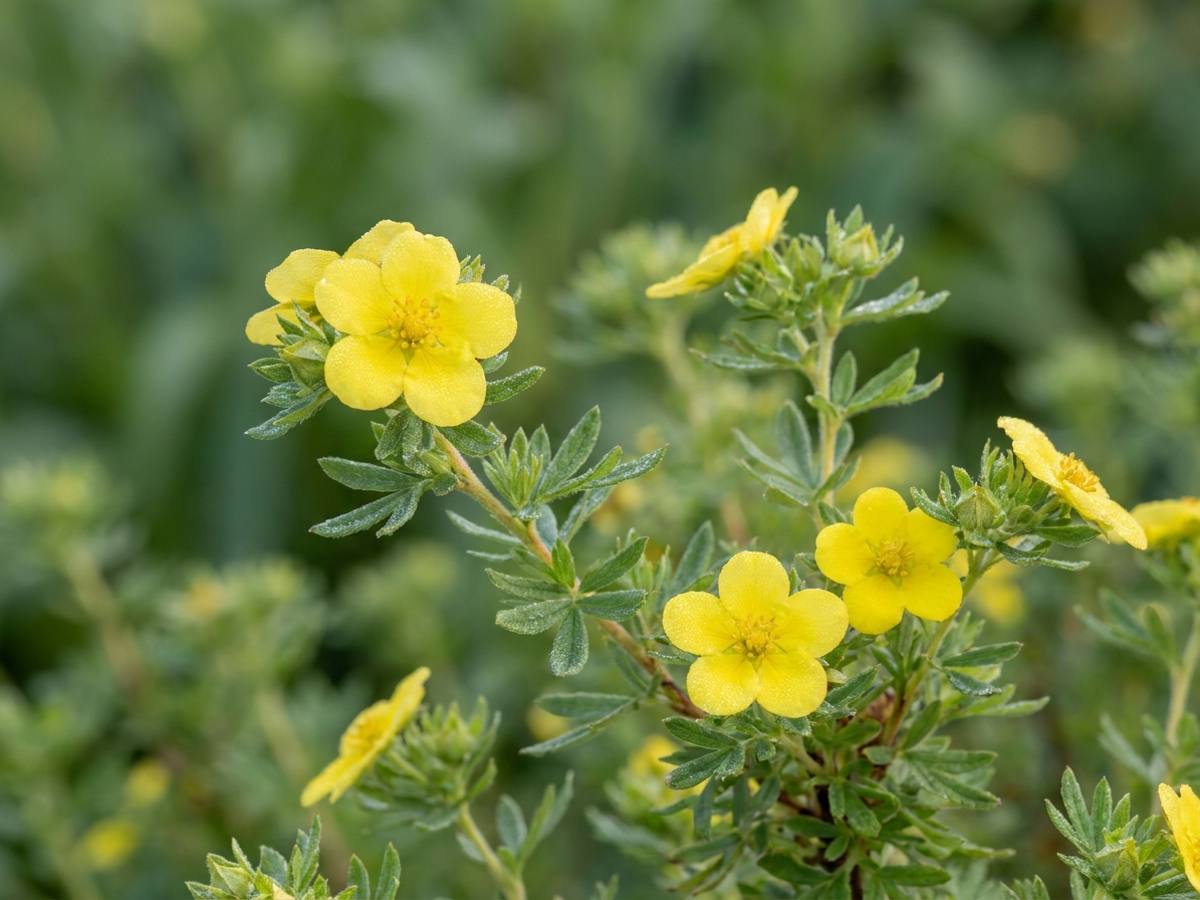
Potentilla fruticosa, commonly called shrubby cinquefoil, is a deciduous woody shrub prized for its long succession of delicate five-petalled flowers that bloom from late spring through to autumn. This cheerful plant brings continuous colour to borders, rock gardens and containers with minimal fuss, making it one of the most reliable and undemanding shrubs for British gardens. Its neat, feathery foliage and exceptionally long flowering season make it a gardener’s favourite for year-round visual interest.
Growing conditions
Potentilla fruticosa thrives in full sun, where it produces the most abundant and vibrant flowers. Plants grown in partial shade will flower less prolifically but still perform well, making this shrub versatile for various garden positions. Aim for at least four hours of direct sunlight daily for optimal flowering.
This shrub is remarkably undemanding regarding soil type and tolerates poor, sandy, chalky and clay soils with equal composure. It prefers well-drained conditions and dislikes waterlogged ground, so add grit or coarse sand if your soil retains moisture. A slightly acidic to neutral pH is ideal, though it adapts to most soil conditions without complaint.
Potentilla fruticosa is fully hardy throughout Britain and copes with exposed, windy sites and coastal gardens with ease. It thrives in all temperate regions and requires no special winter protection, even in Scotland and northern England.
How to plant Potentilla
Plant container-grown specimens in spring or autumn, avoiding the depths of winter or during prolonged dry spells. Spring planting gives young plants the growing season to establish strong roots before their first winter.
Space plants 60–120 cm apart depending on the mature spread of your chosen variety; check the label for guidance
Plant with the crown (where stems meet roots) at soil level — neither buried nor raised
Incorporate well-rotted compost or aged manure into the planting hole if soil is poor
Water thoroughly after planting and maintain consistent moisture for the first six weeks
Propagate from softwood cuttings in early summer or semi-ripe cuttings in late summer, rooted in sandy compost in a propagator
Care through the seasons
Spring: Cut back winter-damaged stems and any growth that has become straggly or congested, removing up to one-third of the plant’s height if needed. Feed with a balanced fertiliser or rose food as new leaves emerge. Deadhead spent flowers from the previous season to encourage fresh growth.
Summer: Water regularly during dry spells, especially on sandy or chalky soils where plants dry out quickly; aim for deep watering once or twice weekly rather than frequent shallow sprinkles. Continue deadheading faded flowers throughout the summer to promote continuous blooming. In exceptionally hot, dry summers, apply a 5 cm mulch of bark or compost around the base (not touching the stems) to conserve moisture.
Autumn: Resist the urge to prune hard in autumn; merely tidy up any leggy growth and remove dead wood. Allow the plant to harden off naturally as temperatures fall. In late autumn, apply a mulch to protect shallow roots, particularly on newly planted specimens.
Winter: Potentilla fruticosa is deciduous and entirely dormant in winter, requiring no care whatsoever. The plant’s bare framework is attractive in frost or snow, and no protection is needed even in severe winters.
Best varieties to grow
Hundreds of cultivars exist, offering flowers in yellow, orange, pink, red and white. Here are some outstanding performers:
Goldfinger — Tall, upright shrub (1–1.2 m) with large, rich golden-yellow flowers; an AGM winner and the longest-flowering variety
Abbotswood — Compact mound (75 cm) with pure white flowers and blue-green foliage; particularly elegant and long-flowering
Red Ace — Flame-red flowers fading to orange-yellow, creating a bicoloured effect; low-growing (60 cm) and prolific bloomer
Tangerine — Soft orange flowers with darker reverse; compact (90 cm) and long-blooming, best colour in partial shade
Princess — Pale pink flowers on a compact, dwarf plant (45–60 cm); ideal for small gardens and containers
Primrose Beauty — Primrose-yellow flowers with deeper centres; upright habit (1.2 m) and exceptional hardiness
Pests, diseases and common problems
Powdery mildew: White fungal coating appears on leaves in humid, poorly ventilated conditions. Improve air circulation by thinning crowded stems, and spray with sulphur-based fungicide or neem oil if severe; avoid overhead watering.
Chlorosis (yellowing foliage): Pale, yellow-green leaves with dark veins indicate iron deficiency, often on chalky soils. Apply chelated iron as a foliar spray or soil drench, and mulch with acidic compost such as pine needles or ericaceous bark.
Poor flowering: Lack of blooms results from insufficient sunlight, overfeeding with nitrogen, or hard pruning in late autumn. Ensure at least four hours of daily sun, avoid high-nitrogen feeds (use balanced or rose fertiliser instead), and prune in spring only.
Waterlogging and root rot: Yellowing, wilting foliage despite moist soil indicates roots are rotting in boggy ground. Improve drainage urgently by adding grit or sand, or relocate the plant to a raised bed or mound.
🌿 Nature & Garden Newsletter
Gardening tips, recipes & seasonal advice, twice a week.