I planted spring bulbs in wet autumn soil — here’s what survived
0
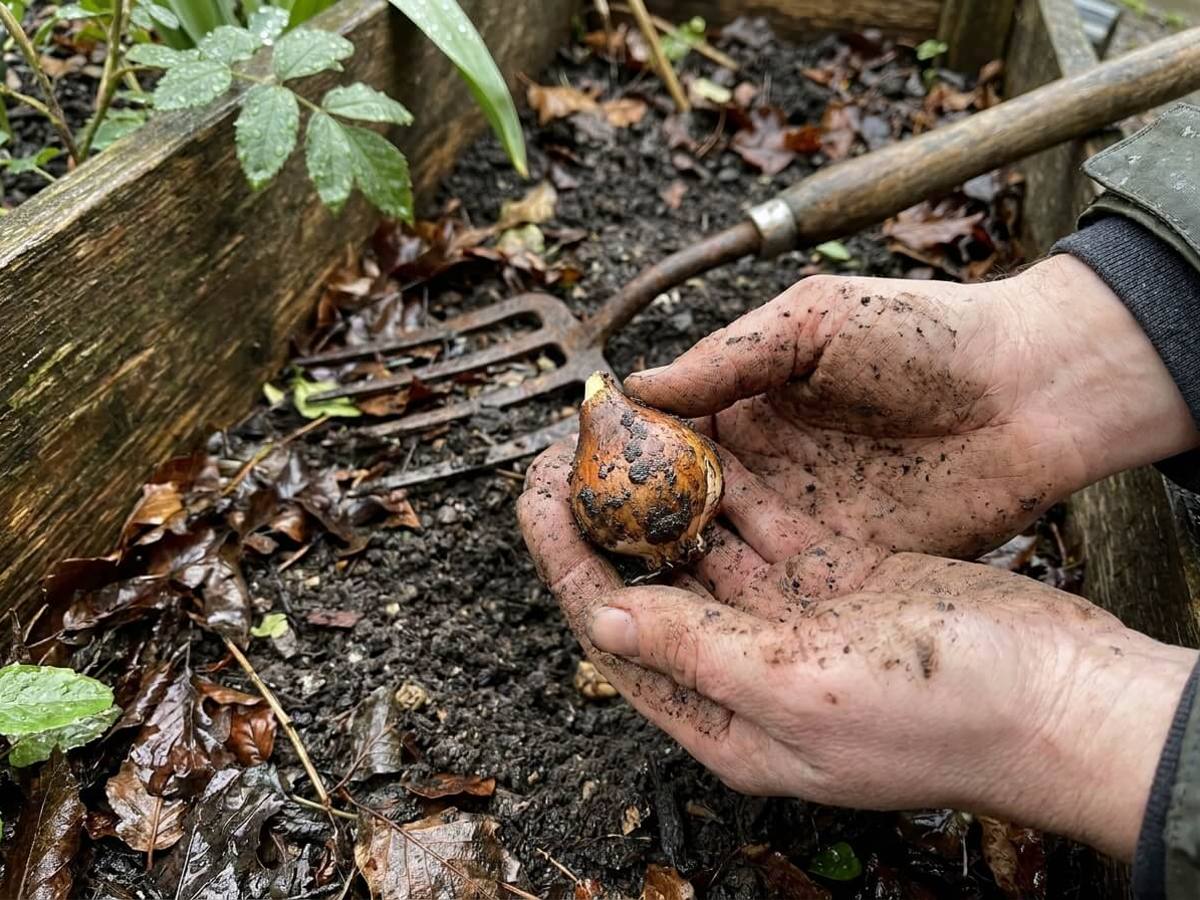
Last autumn, I ignored every gardening rule and planted tulips, daffodils, and crocuses into genuinely sodden soil. Weeks of heavy rain had turned my beds into boggy messes. Conventional wisdom says wait for drier conditions. I didn’t. Here’s what happened over the following months, and what actually survives.
Planting bulbs in autumn rain: the conventional wisdom versus reality
Early autumn is when gardeners across the UK and US begin tucking spring bulbs into prepared beds. The soil should be cool but workable, free of summer’s moisture and ready to receive dormant corms and tubers. Yet some years, the weather refuses to cooperate. Heavy autumn rainfall can turn gardens into wetlands, leaving gardeners torn between the narrow planting window and genuinely treacherous ground conditions.
Why wet soil presents a real risk for bulb rot
Bulbs are vulnerable during their dormant phase, particularly to fungal and bacterial rots that thrive in waterlogged conditions. Most gardeners learn early that soggy soil in autumn can turn a £30 bag of premium tulips into expensive compost. The risk is genuine. Yet I wondered: would hardy species and disease-resistant varieties survive conditions that theoretically shouldn’t work?
My experiment began with three varieties planted simultaneously into heavy clay that had received over 80mm of rain in the previous fortnight. I chose Narcissus pseudonarcissus (the native daffodil), Tulipa sylvestris (a species tulip), and Crocus tommasinianus (a robust early crocus). Each went into unimproved, saturated ground.
How to salvage your bulb planting during wet autumn weather
If you face similarly boggy conditions, these practical steps will improve your odds:
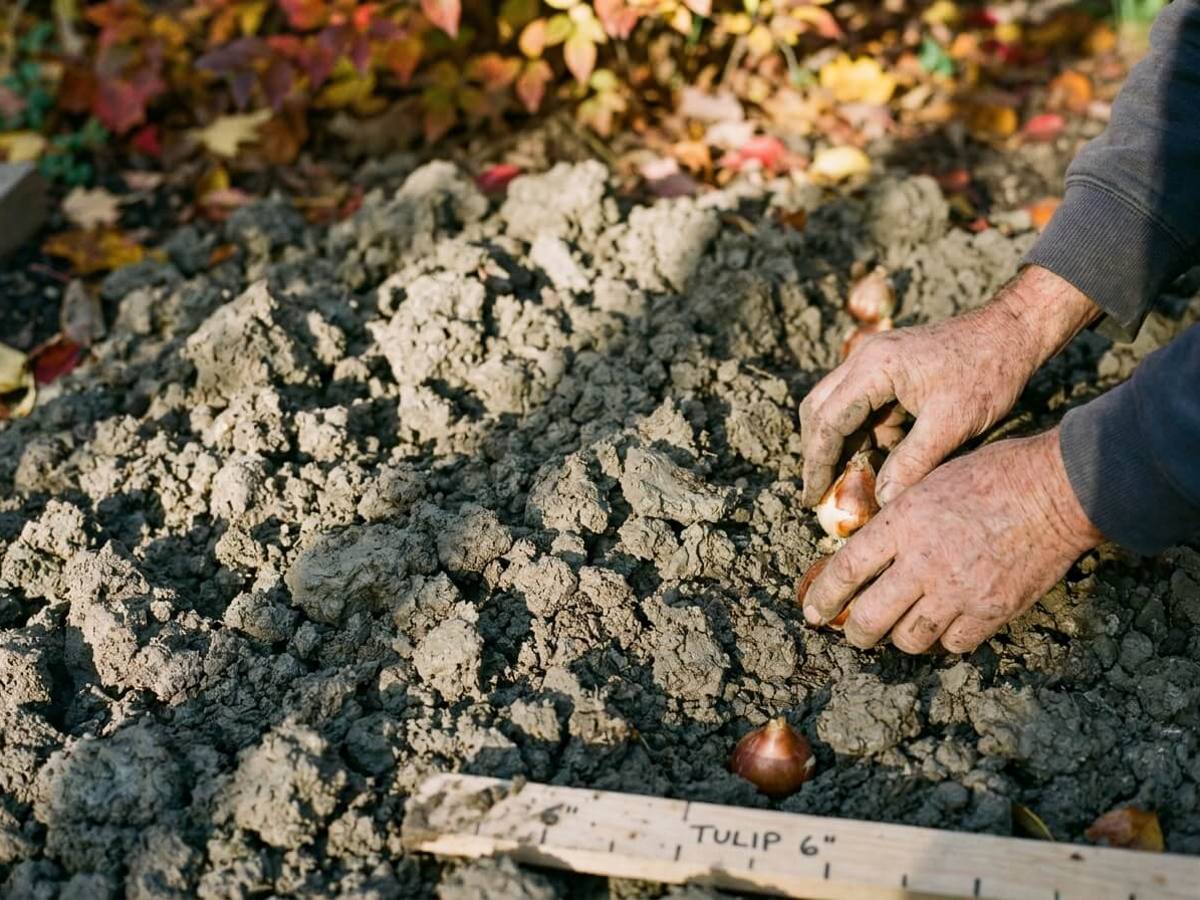
Create raised planting stations using grit and sand, building a sharper drainage layer directly beneath each bulb even if the surrounding soil remains wet
Choose species and heirloom varieties over modern hybrids, as they possess stronger disease resistance and evolved to handle variable moisture
Plant deeper than usual, placing bulbs at least twice their height below the surface to distance them from standing water
Space bulbs further apart than recommended, allowing air circulation and reducing the chance that rot in one bulb spreads to neighbours
What emerged in spring: lessons from six months underground
By late winter, the Narcissus pseudonarcissus had pushed through, flowering prolifically despite the autumn deluge. The Crocus tommasinianus also thrived, producing far more blooms than I’d planted corms. The Tulipa sylvestris flowered but showed signs of stress, with fewer stems and slightly weakened colour. None rotted entirely, though one third of the tulip bulbs failed to emerge. The daffodils and crocuses shrugged off the wet autumn as though it were routine. As gardeners preparing for the bulb season ahead, remember that hardiness matters more than perfect conditions.
🌿 Nature & Garden Newsletter
Gardening tips, recipes & seasonal advice, twice a week.