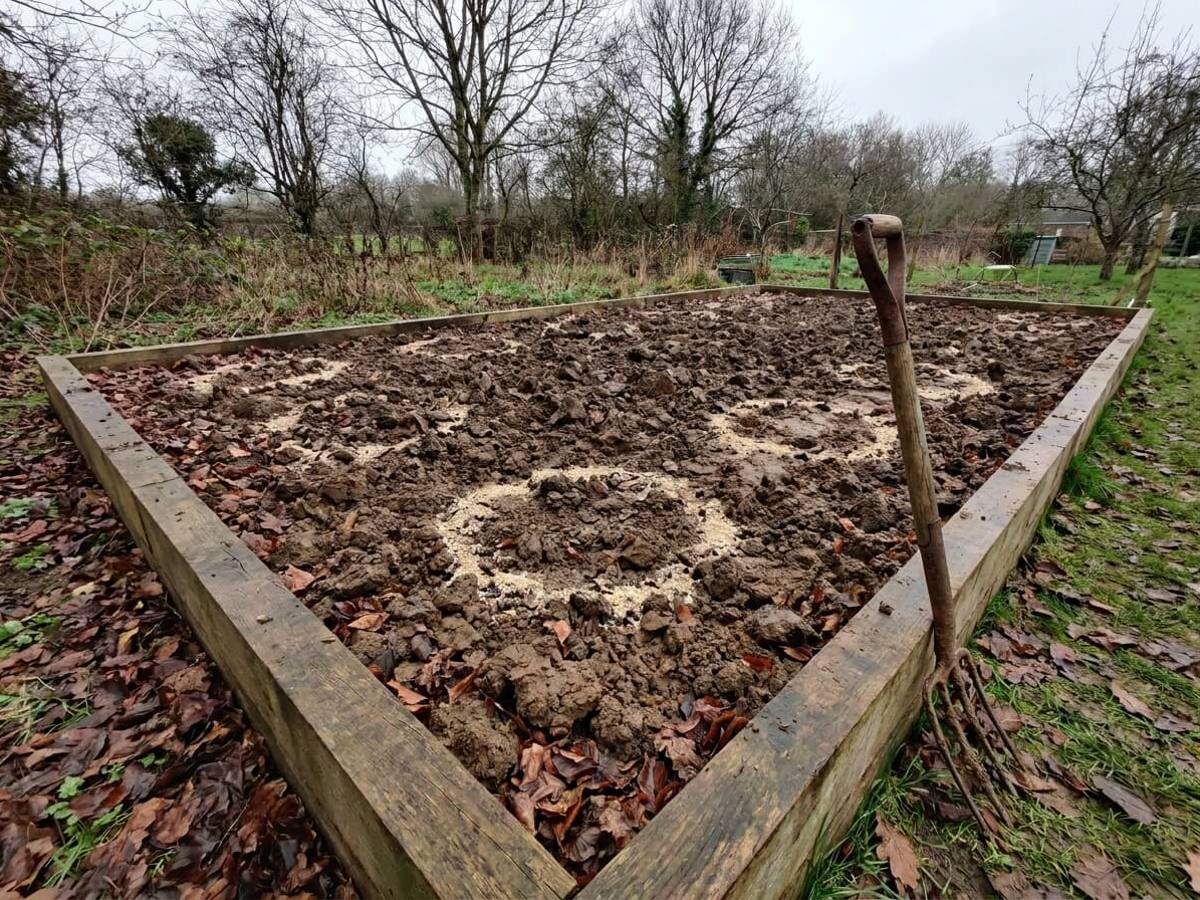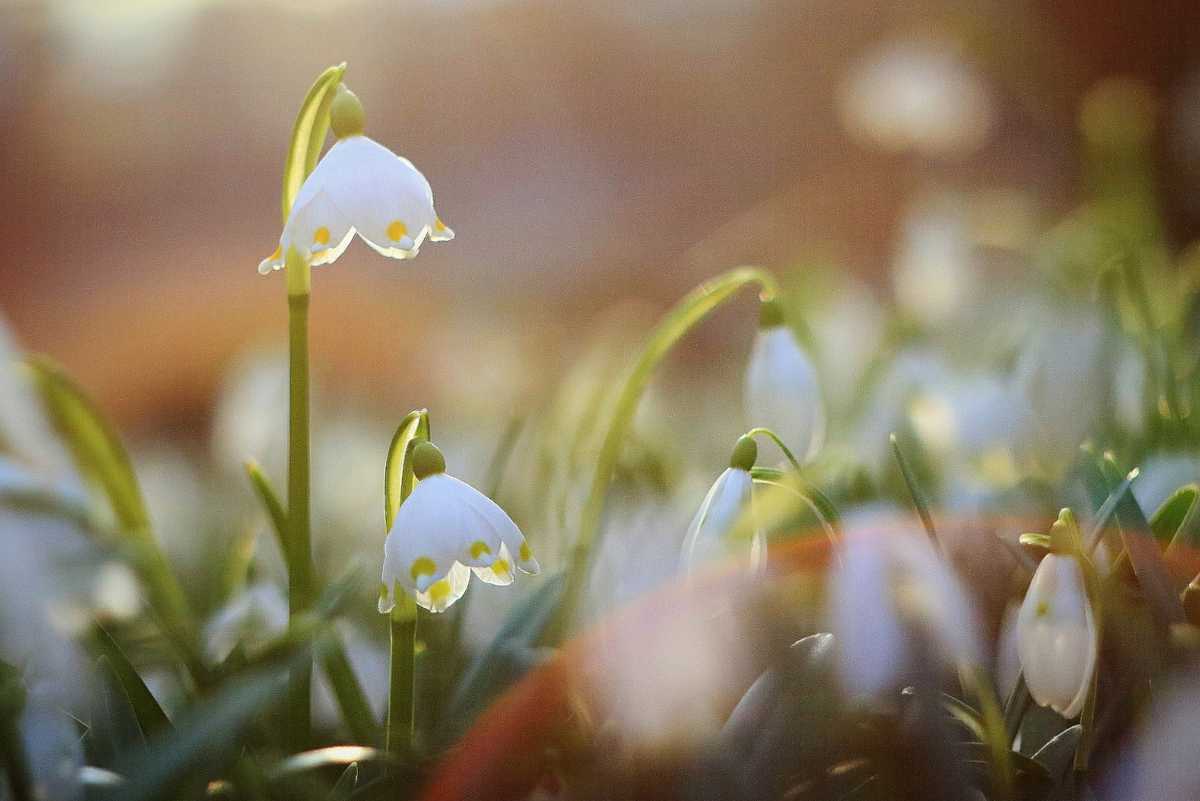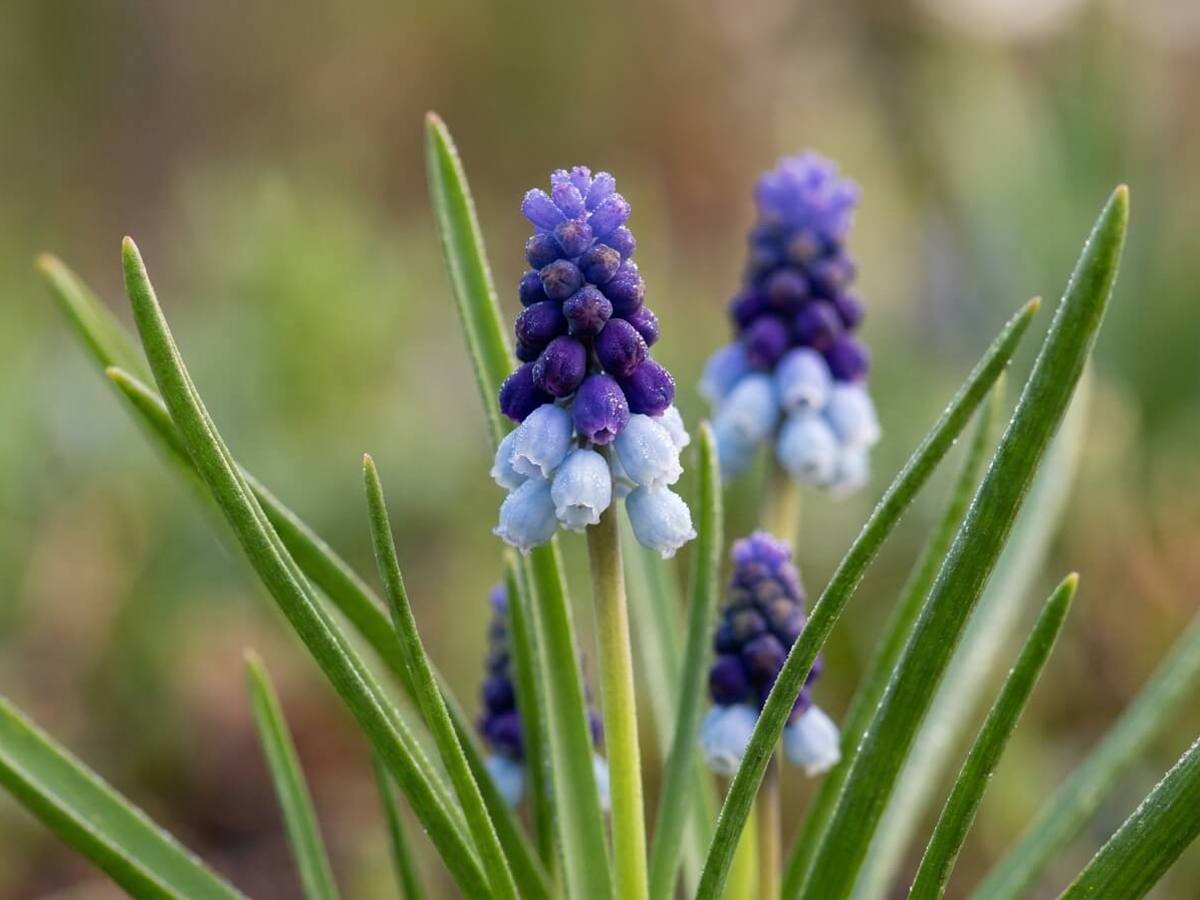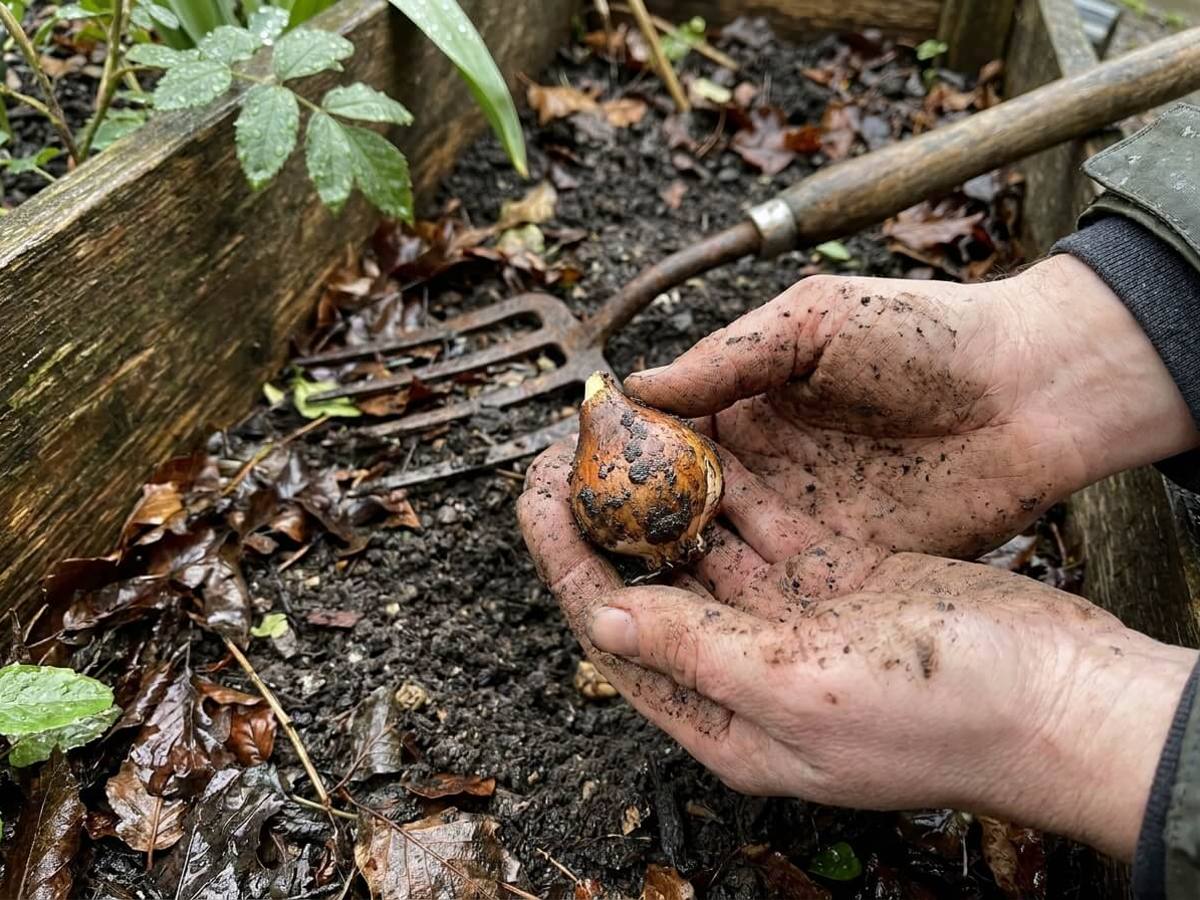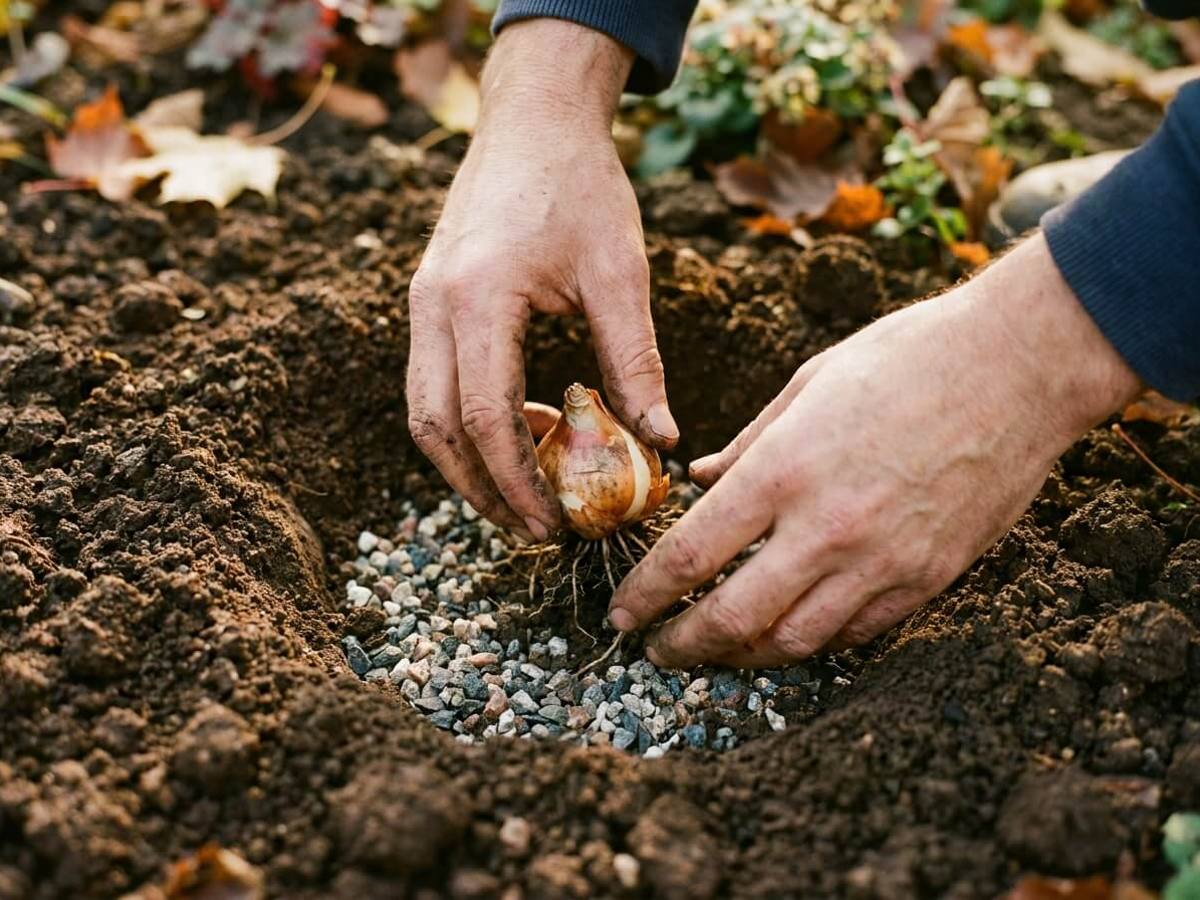
October is bulb-planting season, but if your garden sits on heavy clay, conventional wisdom will lead you astray. Most guides recommend amending your soil or digging deep drainage holes, yet there’s a simpler, counter-intuitive method that works: plant your spring bulbs on raised surfaces with grit barriers beneath them. This technique, tested on genuinely difficult Northern England clay, eliminates rot without expensive soil modification.
October marks the start of the bulb-planting window across the UK and northern US, when soil temperatures drop below 13 °C and autumn moisture begins to settle in. For gardeners working with heavy clay, this seasonal shift presents a familiar problem: bulbs planted into dense, waterlogged soil rot before spring arrives. The traditional advice to dig deep holes and add horticultural grit often fails because water still pools around the bulb itself, trapped by the clay’s impermeable layers below.
Heavy clay soil can retain water for weeks after rainfall or autumn irrigation. Whilst grit mixed into planting holes does improve local drainage marginally, it creates a false sense of security. The bulb sits within a confined pocket of amended soil, but clay surrounding it continues to hold moisture. Research into bulb failure rates in clay-heavy regions suggests that 30 to 40 percent of planted bulbs rot before flowering, particularly in wet autumns and mild winters when the soil never truly dries.
The solution isn’t to fight the clay’s nature, but to work around it entirely by keeping the bulb physically above the worst of the waterlogging zone.
Follow these steps to plant tulips, daffodils and crocuses safely on clay:
Once planted, your raised bulbs should sit safely above the water table even during the wettest weeks of late autumn and early winter. Check planting areas after heavy rain to ensure water is not pooling, and avoid walking on beds where the grit mound might compress. By early spring, when shoots emerge, you’ll notice these bulbs flower reliably whilst conventionally planted neighbours in deeper holes often fail to break through at all.