Spring bulbs in containers versus open ground: which survives winter better?
0
As September arrives and soil temperatures drop, gardeners face a critical decision: should spring bulbs go into containers or straight into open ground for winter? A seasonal trial comparing frost exposure, waterlogging, and spring vigour reveals surprising differences that could transform your spring display and save you disappointment come April.
Why September planting splits gardeners into two camps
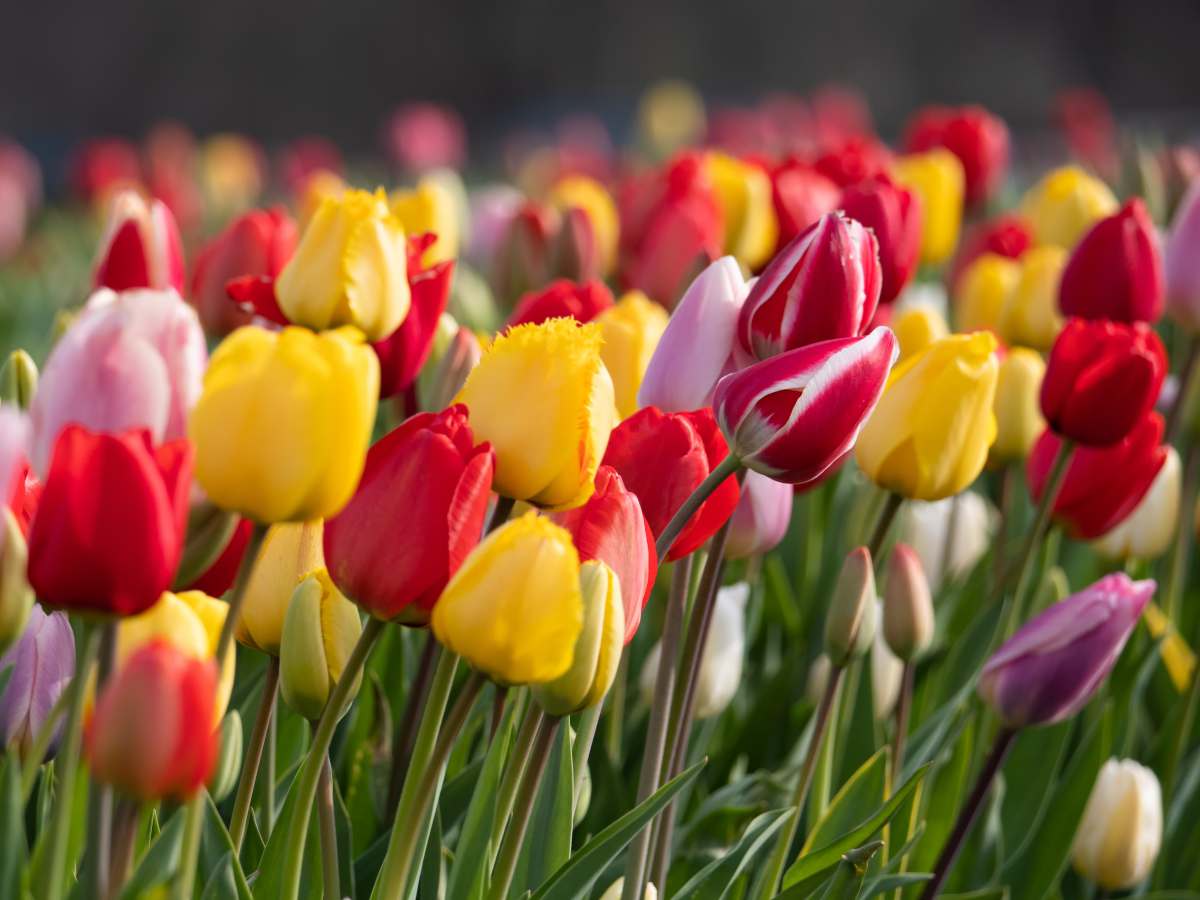
Across the UK and US, early autumn marks the ideal window for tulips, daffodils, and crocuses to establish roots before hard frost. Yet gardeners remain divided on method. Some swear by containers for control and mobility; others trust the insulation of in-ground beds. Soil temperatures hovering between 13 and 18 °C create optimal conditions for root development, making this month the moment to commit.
Container bulbs versus in-ground: understanding the winter test
Container-grown bulbs face harsher conditions than their in-ground cousins. Potting soil freezes solid faster than earth, exposing roots to temperature swings that can kill emerging shoots. Heavy winter rainfall drains freely from containers, yet frost penetrates unprotected sides. In-ground bulbs, by contrast, benefit from soil mass that acts as thermal buffer and natural drainage that prevents waterlogging in clay soils, though gardeners in poorly draining areas risk bulb rot.
The real question is not which method works universally, but which suits your specific climate, soil type, and garden design. A trial running through winter frost cycles and spring emergence offers genuine clarity.
Your September trial: set it up now
Plant identical bulb varieties side by side using these steps:
Source two lots of the same tulip and daffodil cultivars, purchasing extras to ensure consistent quality and age
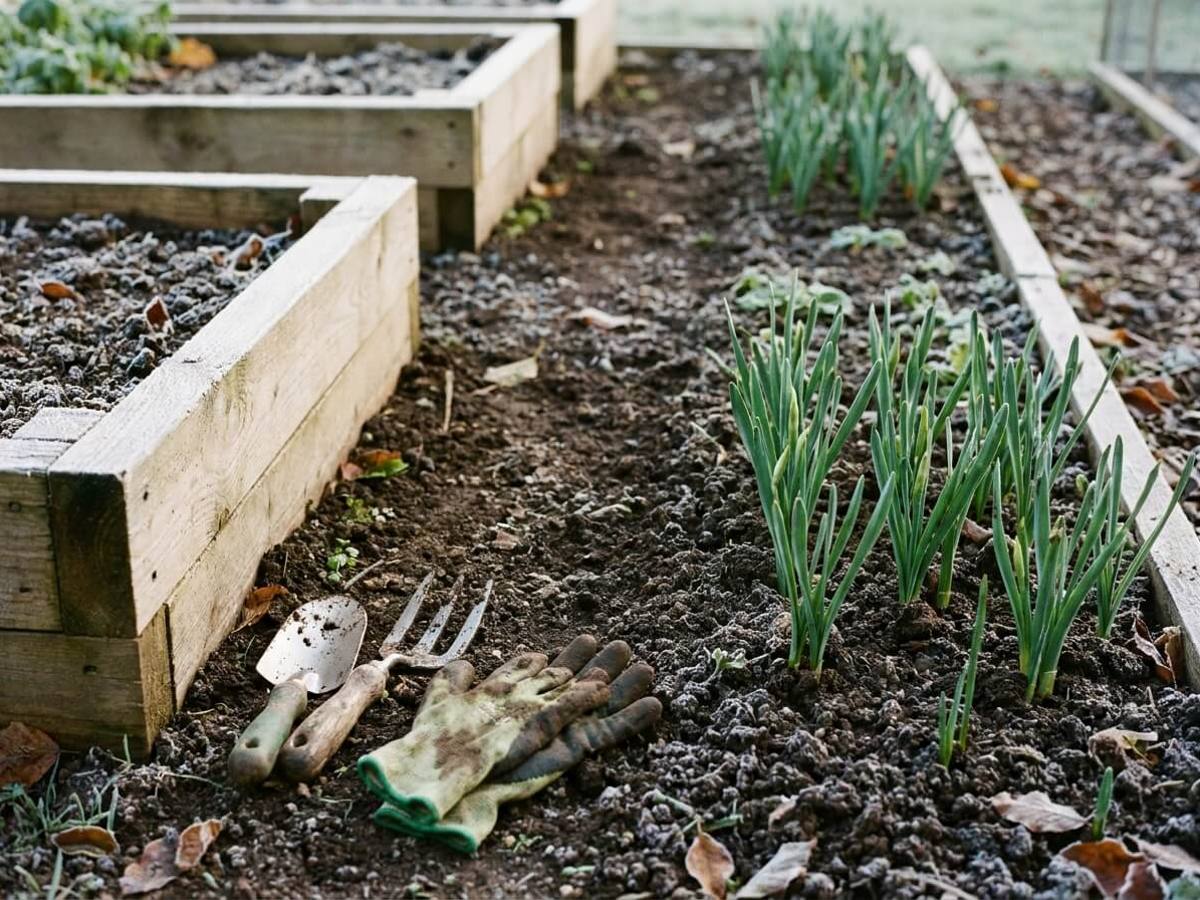
Plant one batch in 12-litre containers filled with gritty multipurpose compost; place the other directly into prepared in-ground beds, spacing bulbs 10 centimetres apart
Position containers on north-facing ground, not elevated, to prevent excess air circulation around the pot; mulch both sites with 5 centimetres of bark to regulate soil temperature
Record baseline soil temperatures in containers and ground using a simple probe thermometer, logging readings weekly through December and January
Monitor for waterlogging by checking soil moisture after heavy rain, draining container bases immediately if water pools
What to watch for as winter approaches
From late autumn onwards, observe how containers behave during freeze-thaw cycles and whether root tips emerge from drainage holes. Track spring emergence timing in both sites from late winter onwards. By mid-spring, container bulbs often flower 7 to 10 days earlier, whilst in-ground specimens show stronger stem vigour and longer-lasting blooms, information that will guide your preference for years ahead.
🌿 Nature & Garden Newsletter
Gardening tips, recipes & seasonal advice, twice a week.