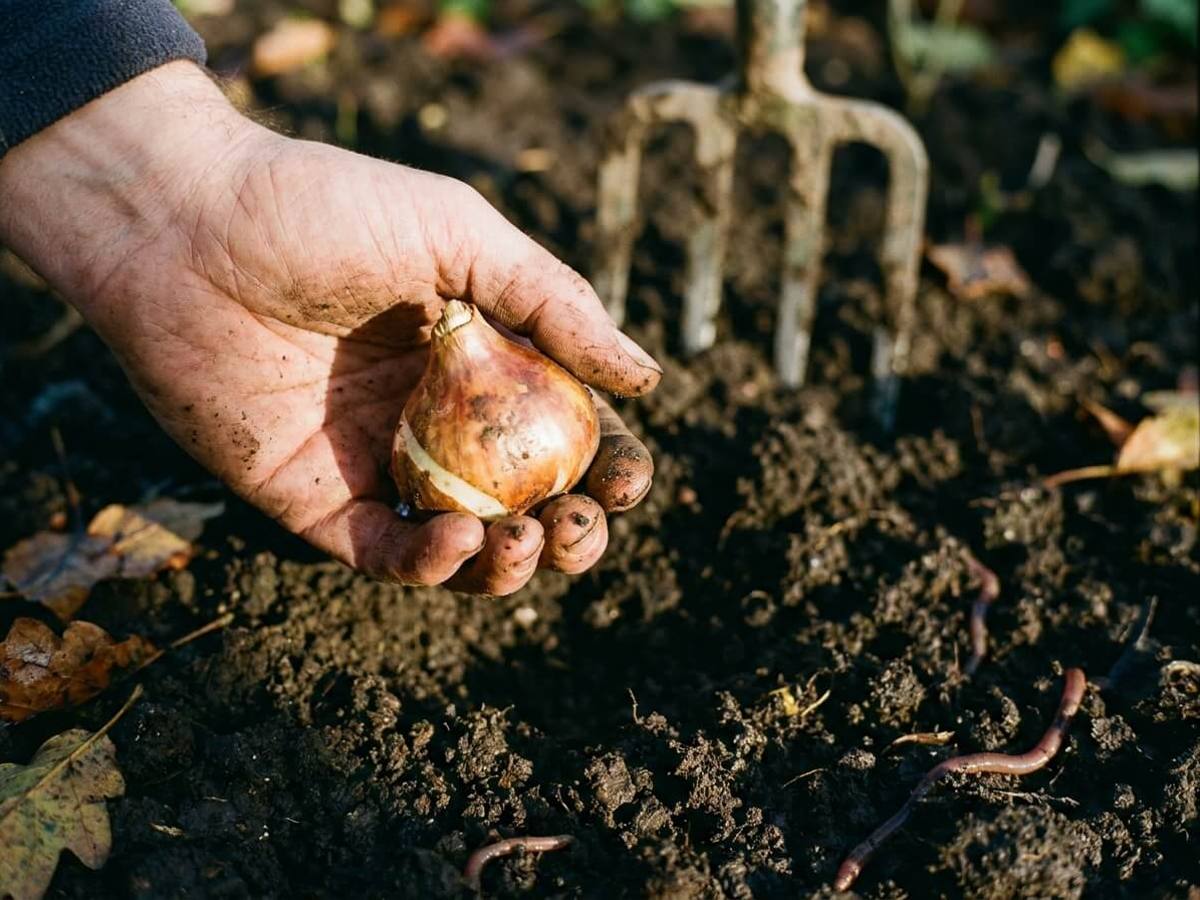
October is peak bulb-planting season, but soggy autumn soil is sabotaging thousands of gardens before a single bulb goes in the ground. Waterlogged earth causes rot, mould, and complete failure of spring displays. Before you grab that spade, check whether your soil can actually drain. Planting dates matter far less than soil conditions, and waiting a few weeks could save your entire investment.
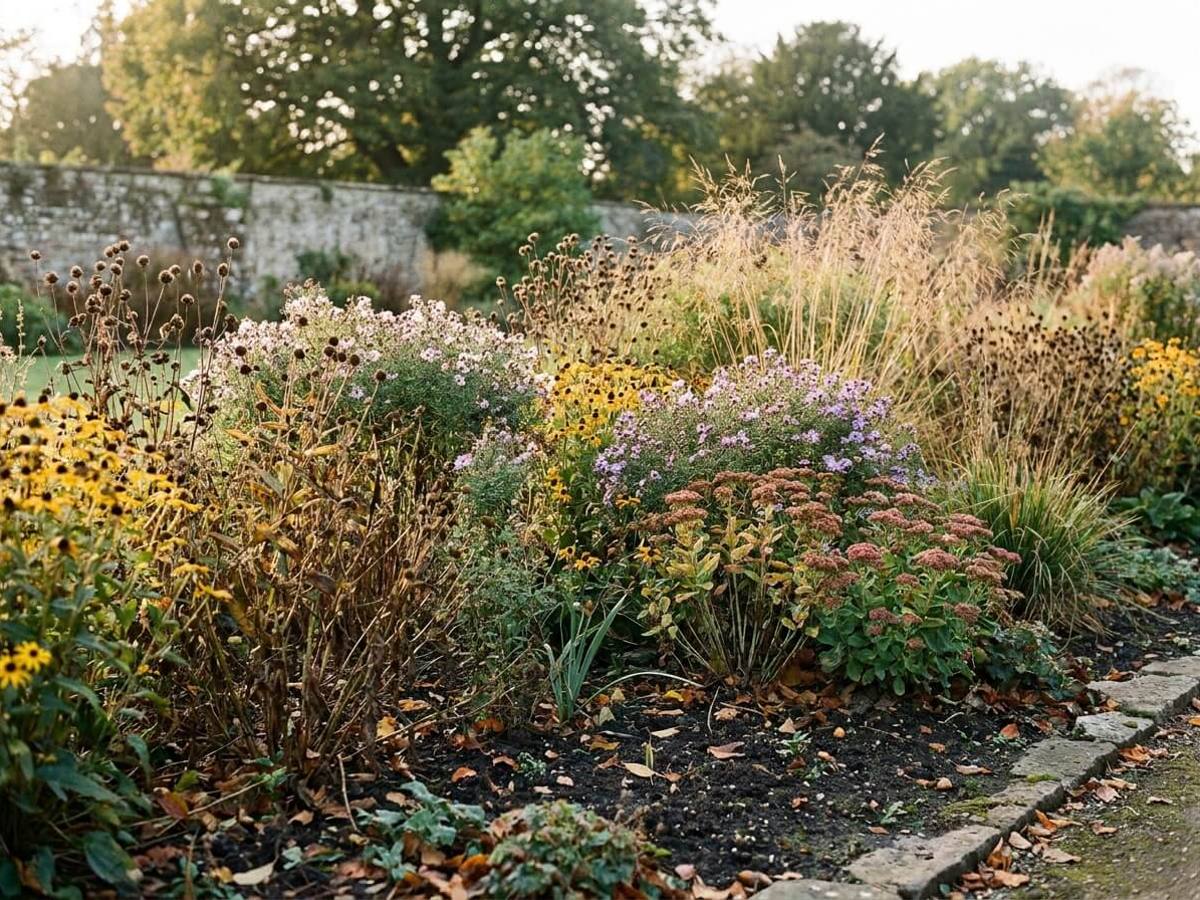
Autumn rainfall across the UK and US leaves gardens saturated. October arrives with gardens still heavy from weeks of wet weather, yet gardeners feel pressured to plant tulips, daffodils, and crocuses on schedule. The reality is brutal: bulbs planted in waterlogged ground simply rot before winter arrives.
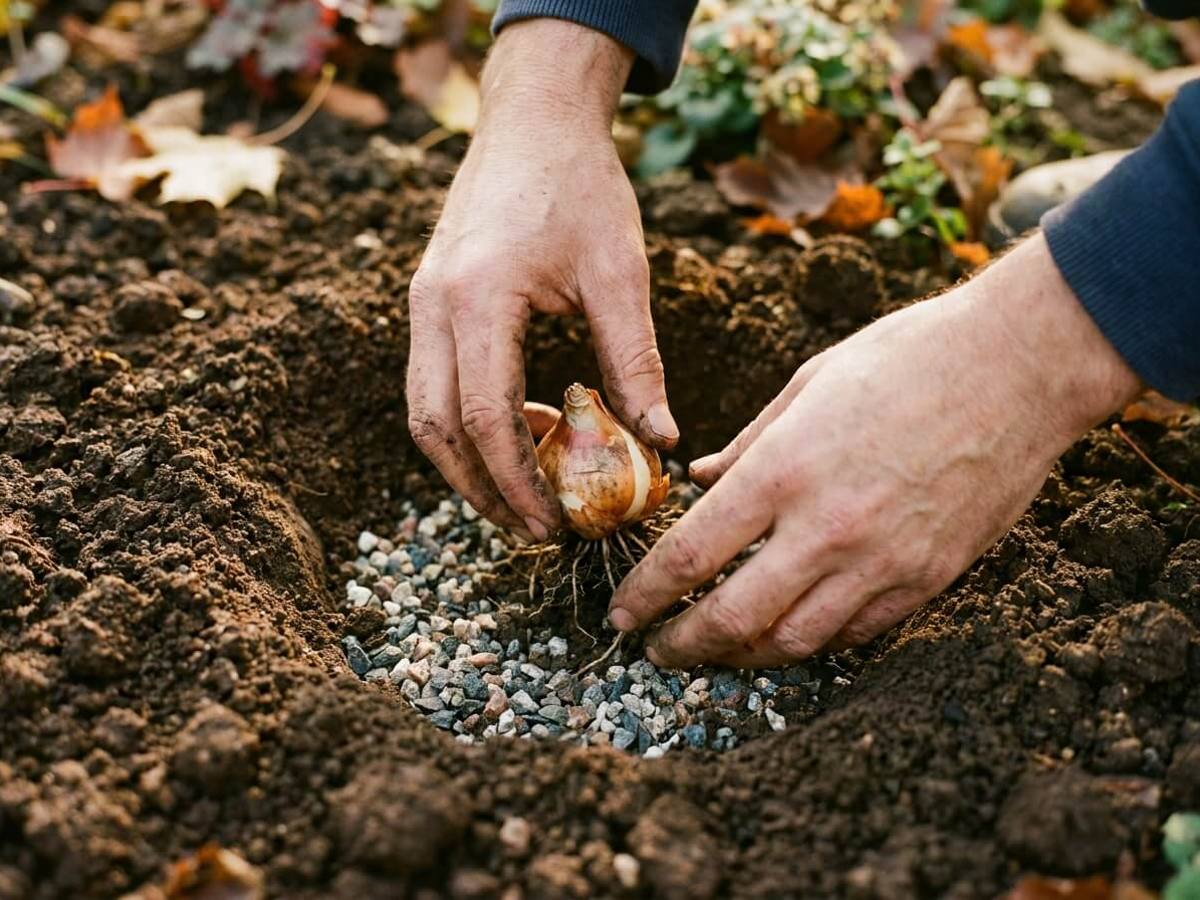
Spring bulbs evolved in well-drained Mediterranean and alpine soils. They demand air pockets around the basal plate, the root-growing zone at the bulb’s base. Soggy conditions create anaerobic pockets where fungal rots thrive. Even hardy varieties like daffodils succumb when drainage fails.
A waterlogged bulb planted in October will likely fail by December. The rot spreads invisibly through the bulb tissue, and by spring, gardeners find nothing but mushy remains where flowers should emerge. This isn’t a small problem. Studies from university horticultural departments suggest that bulb failure rates can exceed 40 percent in poorly drained soil, compared to less than 5 percent in properly prepared ground.
The temptation to plant early comes from garden centre displays and neighbour pressure, but patience trumps pace. Waiting until soil drains properly, even if that means mid-to-late November planting, guarantees far better results than rushing into waterlogged earth.
Take these actions before unpacking a single bulb:
Monitor your test holes during late autumn. Soil that still holds water in early November will be drained by mid-November as temperatures drop and evaporation slows seasonal rainfall. Once your hole drains within 24 hours, you have the green light to plant. Don’t rush; let the soil tell you when it’s ready. Bulbs planted in properly drained soil will reward you with confident, reliable blooms come spring.