Bare-root canes arrive in garden centres across September, tempting eager growers to plant immediately. Resist the urge. Early autumn planting leaves raspberries, blackberries, and loganberries vulnerable to winter frost damage and poor root establishment. Wait until late autumn or early winter, and your canes will survive, settle, and fruit reliably.
Why September planting leaves canes vulnerable
Garden centres stock bare-root canes from early autumn onwards, capitalising on gardeners eager to plan their fruit gardens before winter. The timing feels logical, but it works against the plants’ biology. Canes planted in mild early-autumn conditions experience a false start, pushing new growth when they should be hardening off for cold ahead.
The root establishment problem that winter exposes
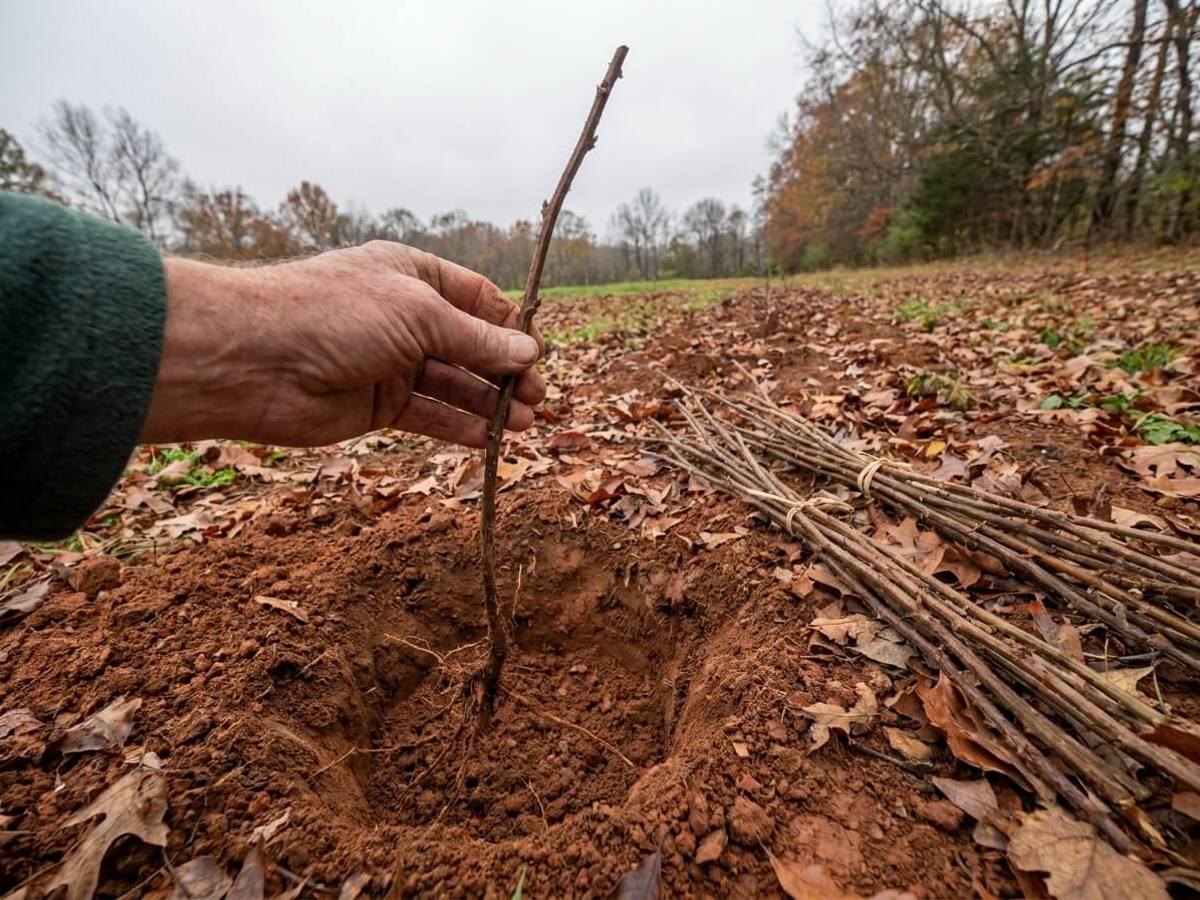
Bare-root canes planted in early autumn have just weeks to establish roots before temperatures drop and soil growth halts. A cane planted in September sits in warming earth, triggering shoot activity above ground whilst the root system remains shallow and weak. When hard frosts arrive, those tender new shoots die back, and the shallow roots struggle to anchor the plant or pull water from frozen ground.
Research from horticultural extension services shows that canes planted in late autumn or early winter establish stronger root systems by spring because they experience consistent cold from planting onwards. The plant recognises dormancy is permanent, reserves energy in the roots, and begins growth only when soil temperatures warm in spring. That’s when serious root development happens.
What to do with September bare-root stock
You have four practical options that protect your investment:
Store canes in a cool, dark shed or garage, keeping roots moist in peat or compost until late autumn planting time arrives
Heel them in temporarily in a sheltered corner of the garden, burying roots in loose soil until conditions are right for permanent planting
Request delivery later in the season from online suppliers, who can often dispatch from late October onwards
Visit local nurseries in November or December to hand-select stock and plant immediately into prepared ground
Watching for success through winter and into spring
Once you plant in late autumn, keep the soil mulched and watch for waterlogging in wet spells. Canes planted when soil is cool and moist will send out roots steadily through winter without the stress of early autumn warmth. Come spring, you’ll see strong bud break and vigorous new growth. That’s the reward for waiting.
🌿 Nature & Garden Newsletter
Gardening tips, recipes & seasonal advice, twice a week.