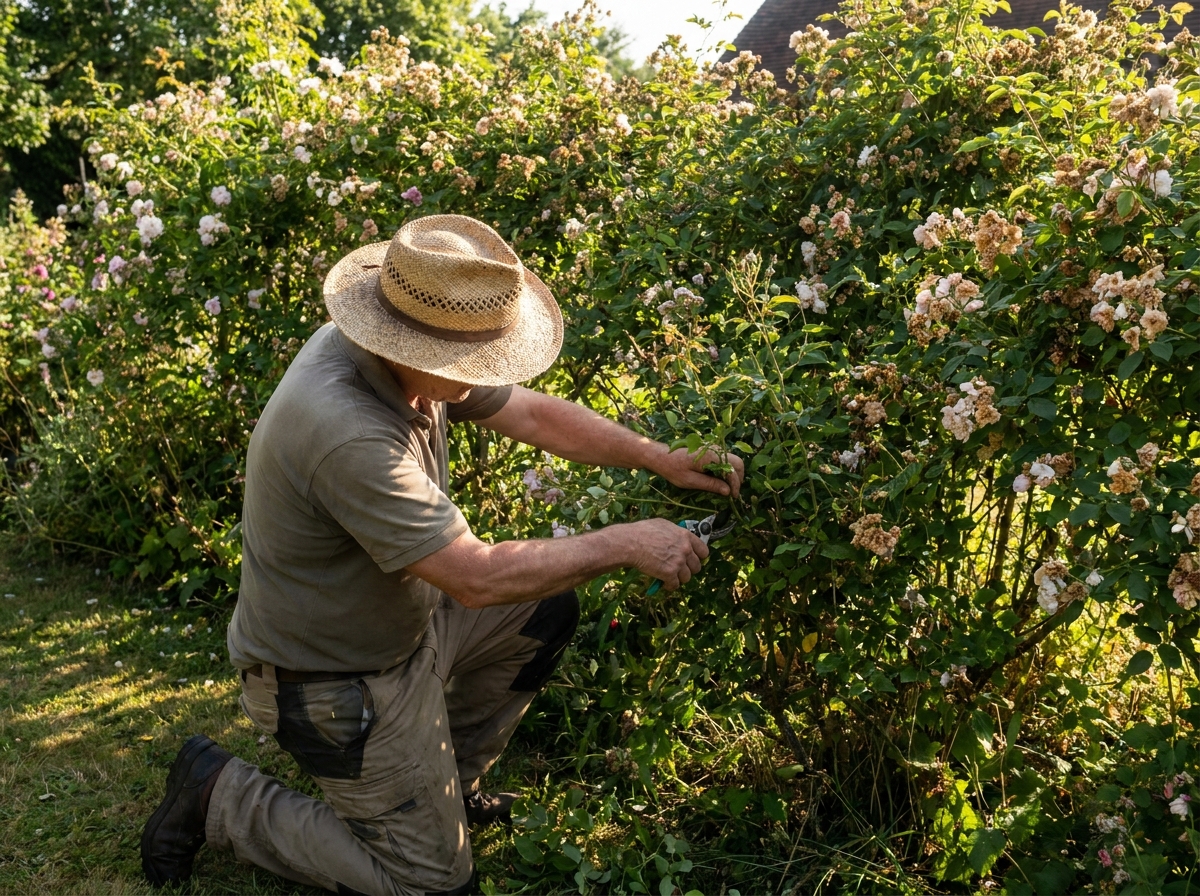
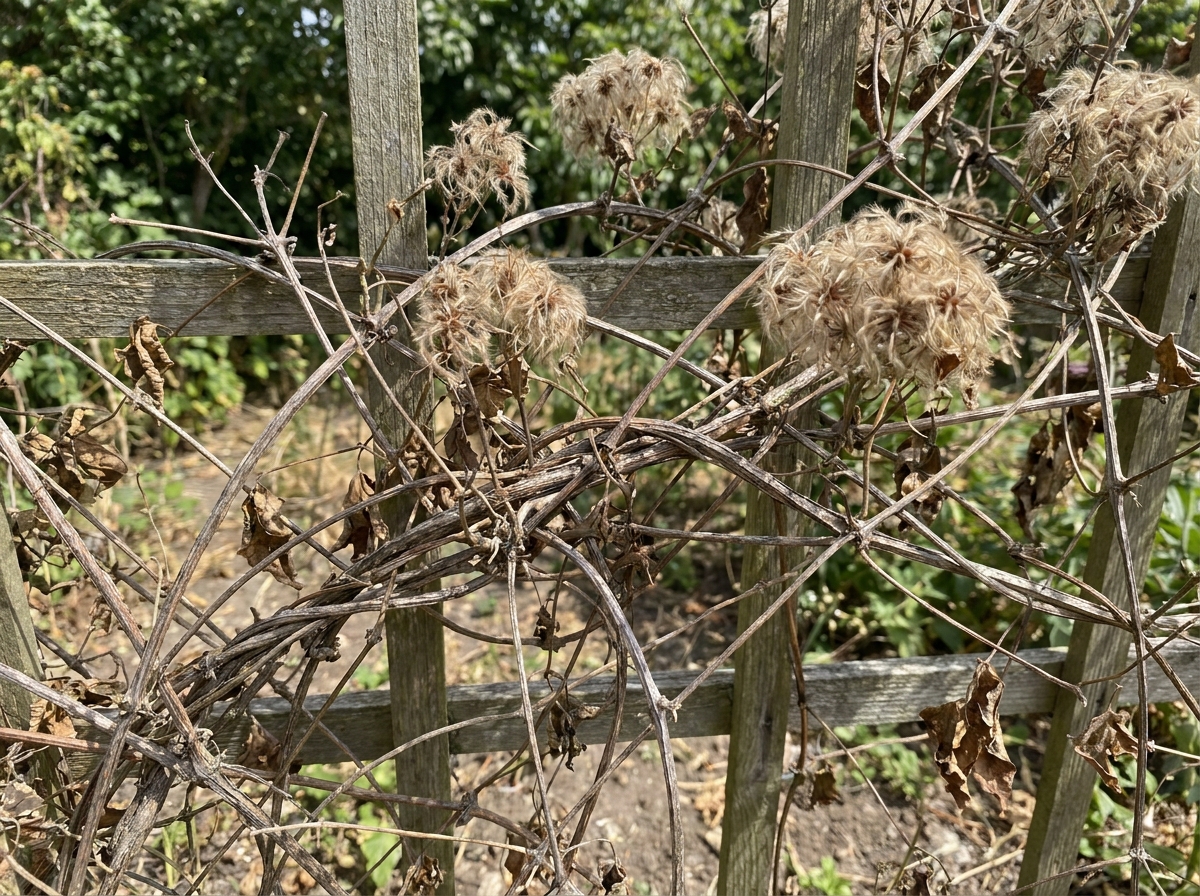
Trim your hedge at the wrong moment on a hot summer day and you will end up with brown, crispy patches. They will not recover for weeks, sometimes months. This damage is not disease.
It is not drought. Instead, it is a specific, avoidable error, tied directly to timing and technique. Most gardeners repeat this mistake every single year without realising what is causing it.
Every cut you make exposes fresh plant tissue, delicate and raw, that has no protective waxy cuticle. That crucial layer takes days to reform.
In the meantime, summer sun—especially between 11am and 4pm—hits those raw cells directly. It scorches them within hours. The result looks disturbingly like disease, and most gardeners still reach for a fungicide. It does absolutely nothing.
The issue compounds fast on hot, bright days. But air temperatures above 25°C (77°F) combined with low humidity and full sunshine create truly diabolical conditions for freshly cut stems.
Fast-growing hedges like Leylandii, privet, and cherry laurel are especially vulnerable. They push out soft, thin-walled new growth in summer. That is exactly the tissue that scorches first.
And the tool matters more than most people admit. Blunt shears do not just slice; they crush the stem. That is a non-negotiable distinction.
Crushed cells die back further than cleanly cut cells. This deepens and widens the brown patches you will properly see 48 hours later.
Scorched patches on a hedge do not recover on your schedule. They recover on the plant’s schedule, and that is slow. Properly slow, actually.
On fast-growing species like privet or Leylandii, new growth covers the damage within 4 to 6 weeks if the hedge is otherwise healthy. But on slower species — box (Buxus), yew (Taxus), hornbeam — you could be looking at a patchy, brown-scarred hedge for the rest of the season. Box is the worst offender here: scorched box foliage browns permanently. It will not regenerate from the damaged stems. So, those sections need to be cut back to live wood. This sets the whole plant back considerably.
There is also the misdiagnosis issue. Brown patches after summer trimming look almost identical to common laurel leaf scorch and to box blight. Gardeners often spend money and time treating a fungal disease that was never there. The RHS advises checking timing and recent weather before assuming disease when brown patches appear post-pruning.
The fix is practical. And it is immediate. Prune before 9am or after 6pm. These are your critical windows in summer. The air temperature is lower, direct sun weaker, and freshly cut cells get several hours of shade or cooler conditions before peak heat hits the next day.
A few non-negotiable technique points:
Yes, trimming at 7am is a bit fiddly. Do it anyway. The difference between a hedge that flushes back lush green and one that looks half-dead until October is genuinely that simple. It is sorted.
Browning after pruning is the most common summer hedge issue. But it is not the only one worth watching.
And if you are building a new hedge rather than managing an existing one, consider a mixed hedge of bird-friendly shrubs. It will be far more resilient to summer stress than a monoculture of a single fast-growing species.

Smart tip: Always prune hedges before 9am in summer — timing matters more than technique.
On fast-growing species, new growth will cover scorch damage within 4 to 6 weeks. Do ensure you water consistently and stop cutting until recovery is complete. On box or yew, cut back to live green wood — scorched stems will not regenerate.
Most formal hedges need trimming once every 6 to 8 weeks through summer. Fast-growing species like privet may need attention every 4 weeks, but always wait until new growth is at least 10cm long before cutting again.
Always trim the sides before the top, working upward. Cutting the top first drops debris onto untrimmed sides. And you end up double-cutting areas accidentally — exactly the issue that causes patchy browning.
Electric trimmers cut faster, which is actually an advantage in summer — less time with open stems exposed before you move on. The key is sharp blades regardless of the tool; dull electric blades cause more damage than sharp manual shears.